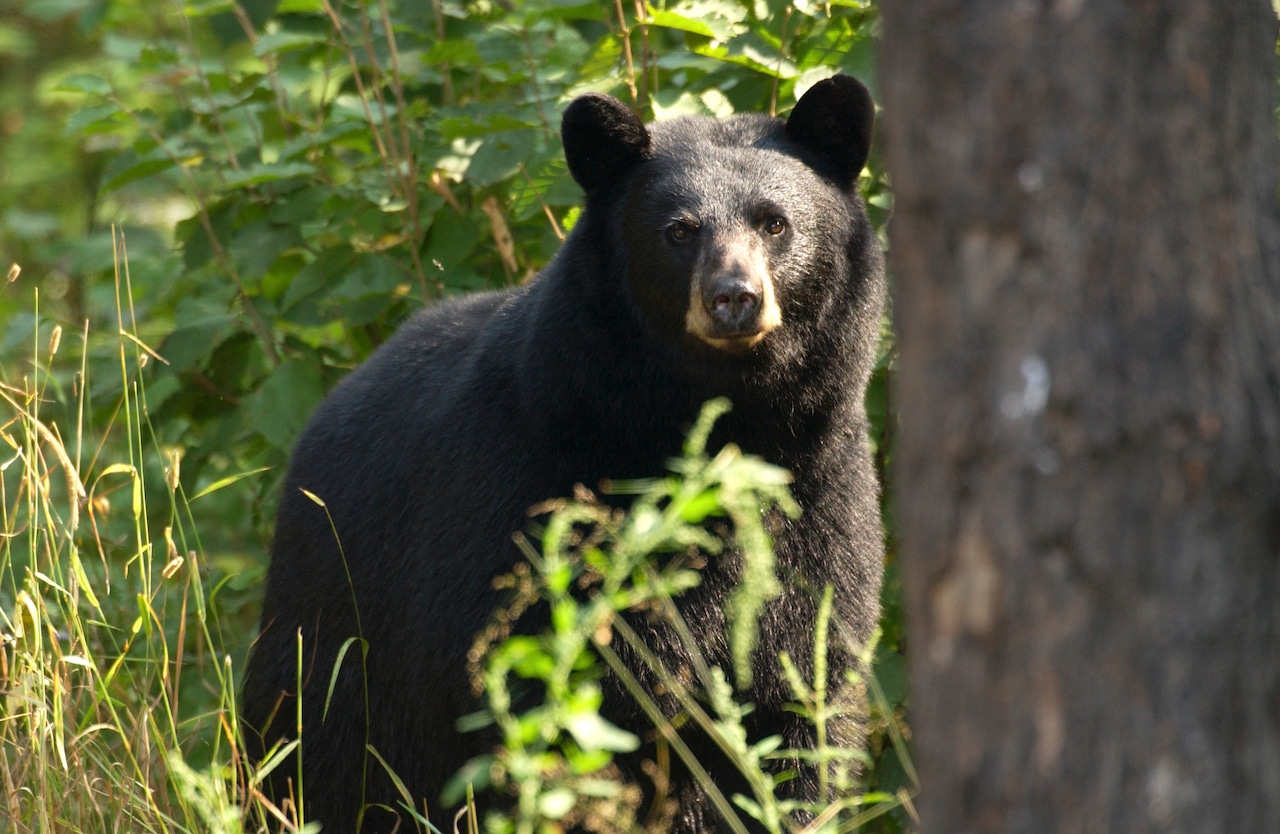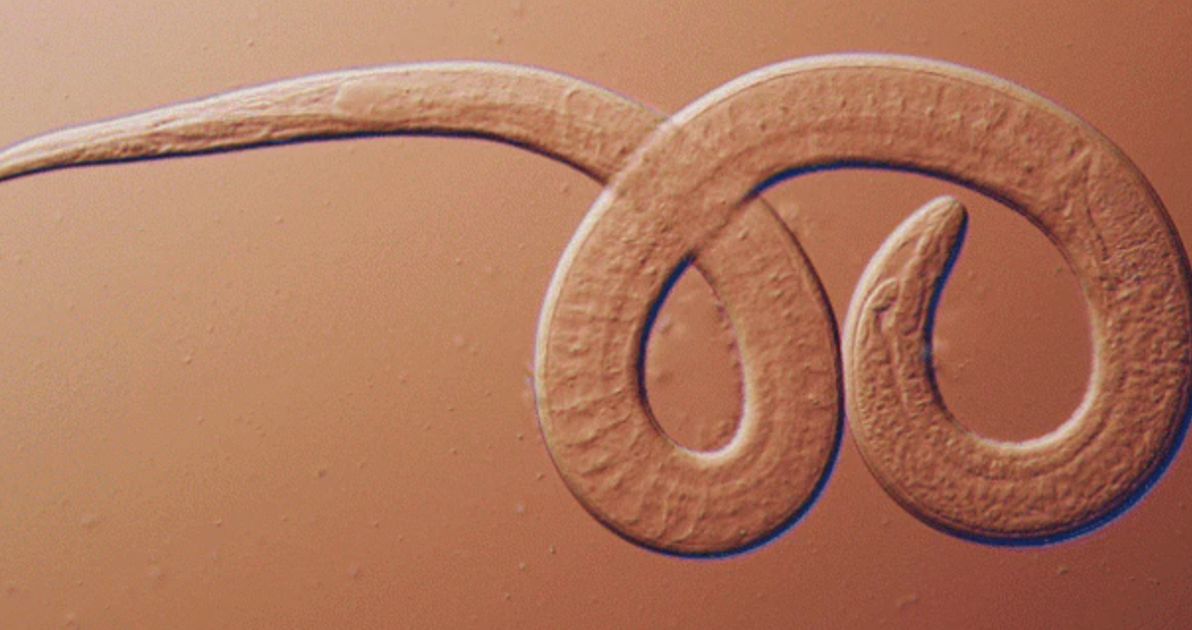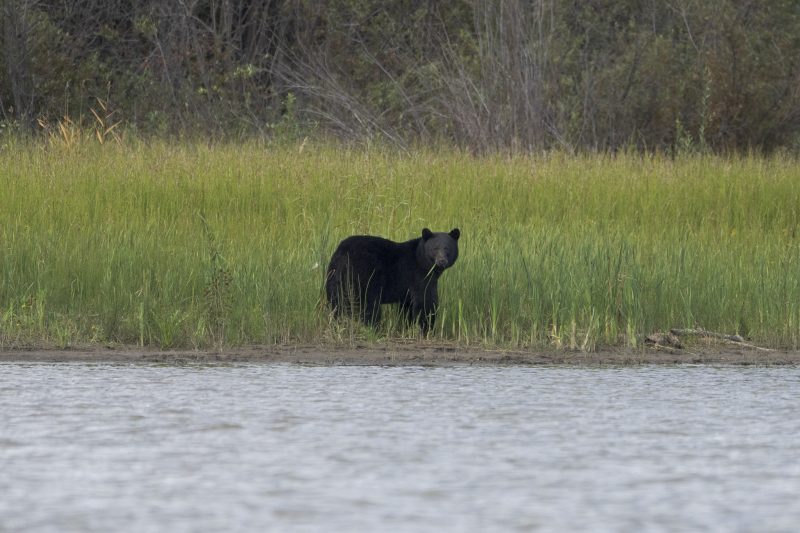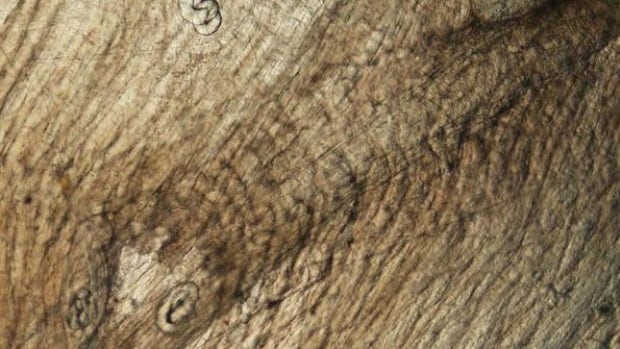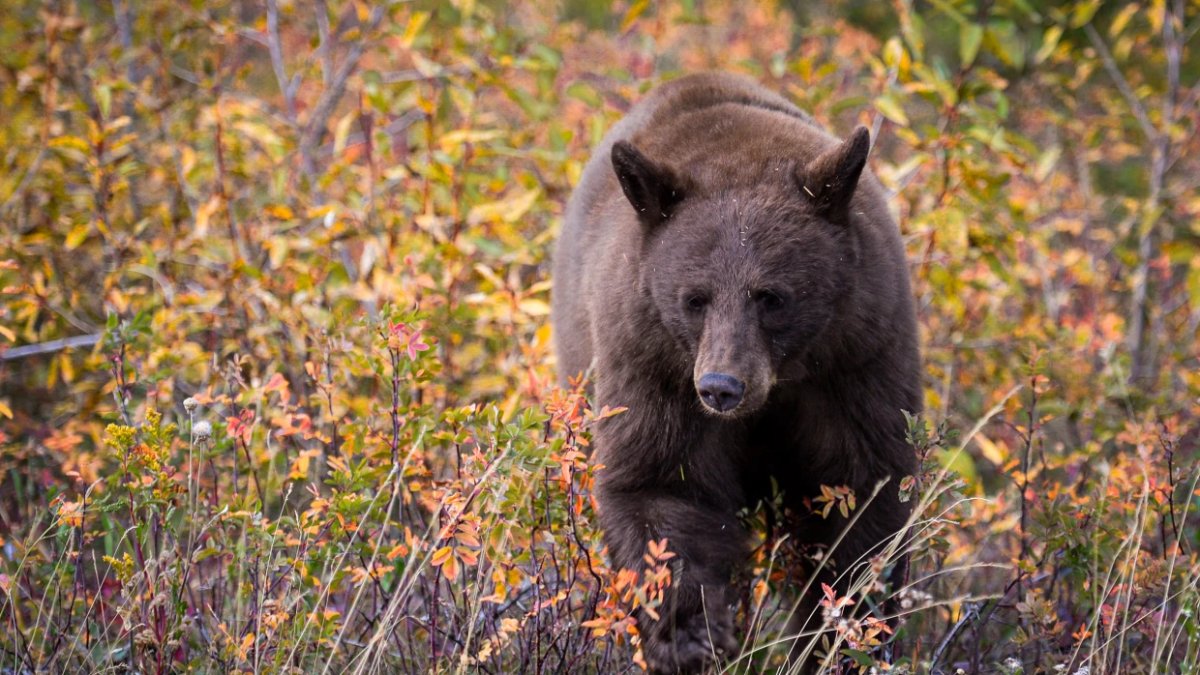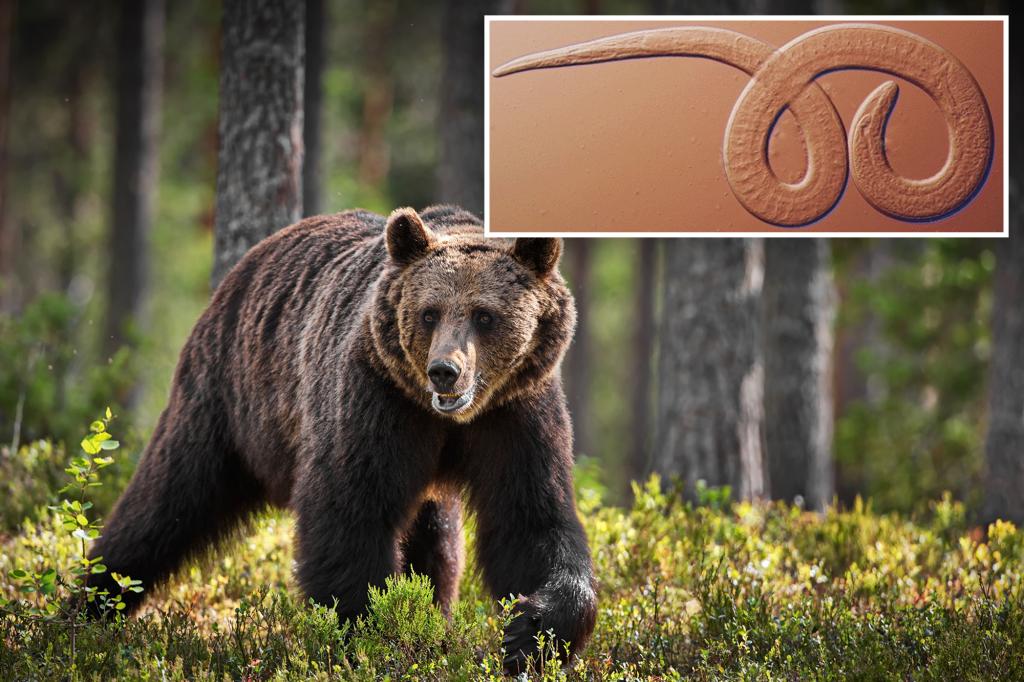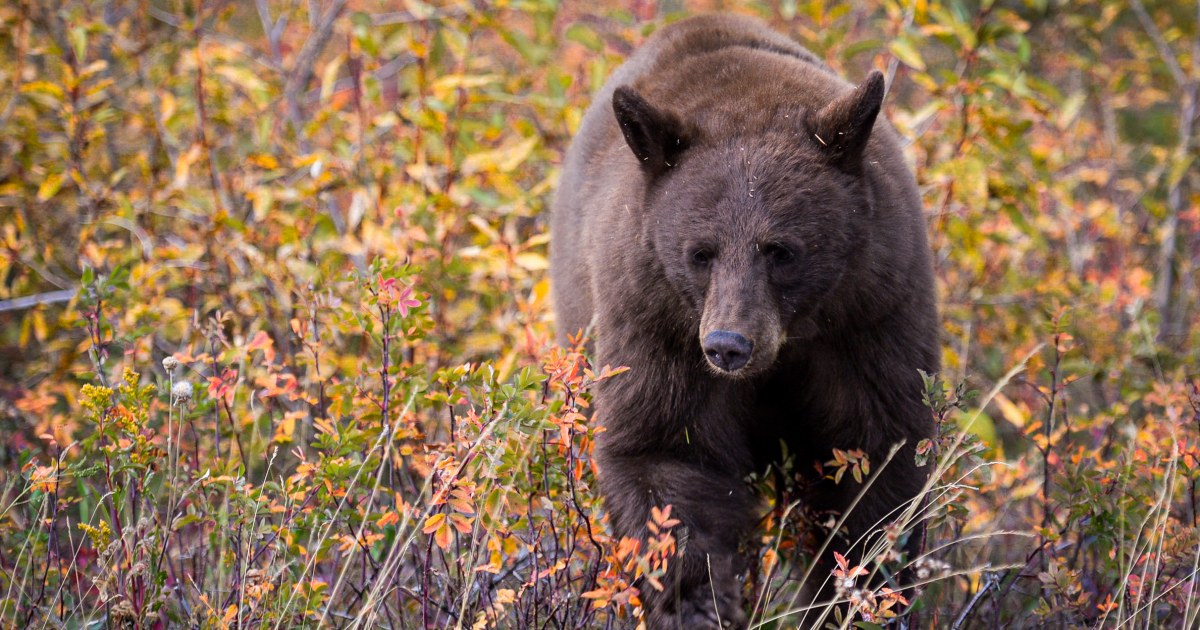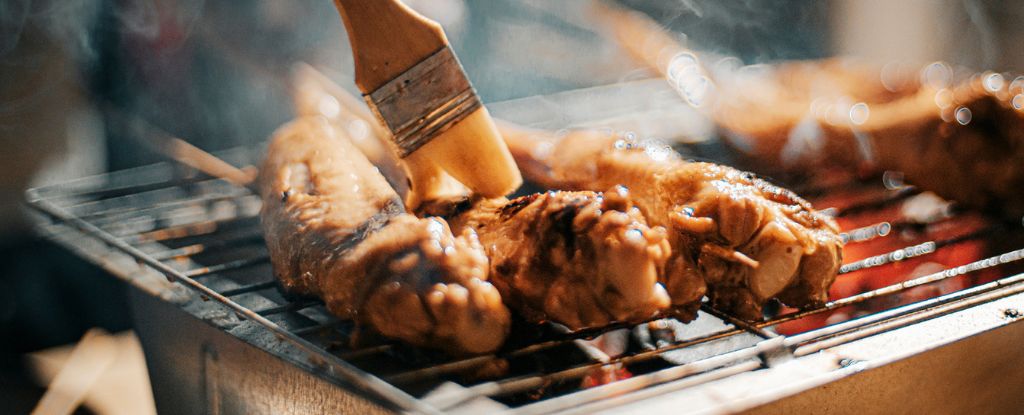
A family in South Dakota contracted trichinosis after eating undercooked black bear kebabs, which were contaminated with Trichinella nativa, a parasite resistant to freezing. Six members fell ill, with three hospitalized. The CDC investigation revealed that the parasite can survive in frozen meat and emphasized the importance of thoroughly cooking wild game to prevent infection.
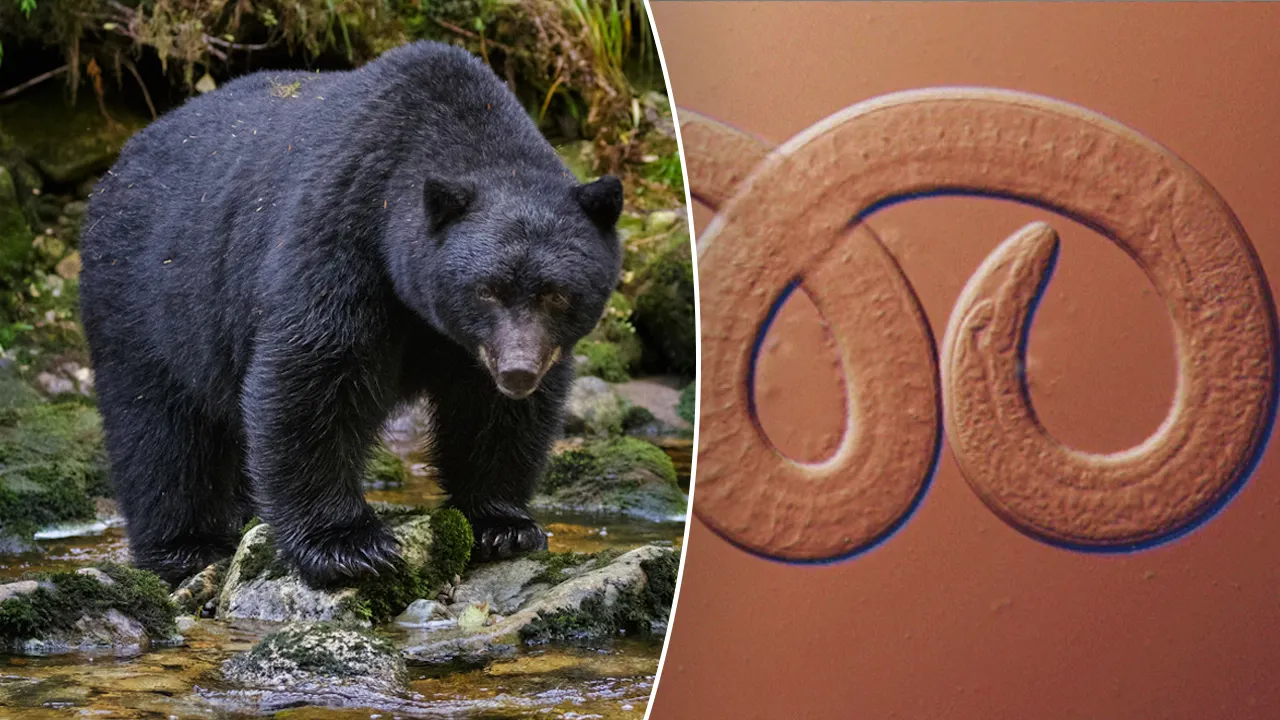
The CDC warns that consuming undercooked wild game meat, such as bear meat, can lead to trichinellosis, a parasitic infection. Six family members from Arizona, Minnesota, and South Dakota fell ill after eating undercooked black bear meat. Proper cooking to an internal temperature of at least 165 degrees Fahrenheit is essential to kill the parasites. The CDC also advises against cross-contamination and recommends safe handling practices to prevent infection.
Six people fell ill with trichinellosis after consuming undercooked bear kabobs at a family reunion in South Dakota, with the CDC confirming the presence of roundworms in the meat. The outbreak highlights the importance of thoroughly cooking wild game to at least 165 degrees Fahrenheit to prevent parasitic infections.
A family reunion in South Dakota resulted in six people contracting trichinellosis, a rare parasitic infection, after consuming undercooked bear meat. The CDC reported that three individuals were hospitalized with severe symptoms, and emphasized the importance of thoroughly cooking wild game meat to an internal temperature of at least 165 degrees Fahrenheit to kill Trichinella parasites. The incident highlights the risks associated with consuming improperly prepared wild game and the potential for cross-contamination.
The CDC emphasizes the importance of properly cooking wild game after six people fell ill from trichinellosis due to undercooked bear meat served at a family reunion in South Dakota. The parasite, traced to a freeze-resistant species of roundworms, infected individuals in South Dakota, Minnesota, and Arizona. The CDC advises cooking wild game to at least 165 degrees Fahrenheit to prevent such infections.
Nine family members from three states were infected with trichinellosis, a roundworm infection, after consuming undercooked bear meat kebobs at a family gathering in South Dakota. The bear meat, harvested in northern Saskatchewan, was stored in a freezer but the parasites were freeze-resistant. Several family members, including a 12-year-old girl, were diagnosed and treated, with all symptomatic individuals recovering. The CDC advises cooking meat to an internal temperature of 165 degrees to kill such parasites.
A family gathering in South Dakota resulted in multiple cases of trichinellosis after consuming undercooked bear meat harvested from northern Saskatchewan. The U.S. Centers for Disease Control and Prevention reported that the parasite, common in wild meat, caused severe symptoms in those infected. Experts emphasize the importance of cooking wild game meat to a high temperature to kill the parasite. The incident highlights the risks associated with consuming improperly prepared wild game.
A family contracted trichinellosis from undercooked bear meat at a reunion, leading to several hospitalizations. The CDC reported that the meat, contaminated with Trichinella nativa, was not cooked thoroughly, highlighting the importance of cooking wild game meat to an internal temperature of over 165 degrees Fahrenheit to prevent such infections.
Six people in the US were diagnosed with trichinellosis after consuming undercooked black bear meat, according to the CDC. The infection, caused by trichinella larvae, led to symptoms like fever and muscle aches. The bear meat, frozen for 45 days before being grilled, was initially served rare. The CDC emphasizes that proper cooking is essential to kill trichinella parasites and prevent cross-contamination. All affected individuals have recovered, with some requiring hospitalization and treatment. Trichinellosis is rare in the US, often linked to wild game consumption.
Nine family members from three states were infected with trichinellosis, a parasitic roundworm, after consuming undercooked bear meat at a family gathering. The bear meat, harvested in northern Saskatchewan and stored in a freezer, was grilled but served undercooked, leading to the infection. The CDC advises cooking meat to an internal temperature of 165 degrees to kill such parasites and warns about the risk of cross-contamination with other foods. All affected individuals have since recovered.
Six family members contracted trichinellosis, a rare parasitic disease, after consuming undercooked bear meat at a family reunion in South Dakota. The meat, hunted in northern Canada, was frozen for 45 days but still contained Trichinella larvae, which are resistant to freezing. The CDC advises that wild game meat should be cooked to at least 165 degrees Fahrenheit to ensure safety. All affected individuals recovered after treatment.
Six family members contracted trichinellosis, a rare parasitic disease caused by roundworm larvae, after consuming undercooked bear meat kebabs at a family reunion in South Dakota. The CDC confirmed the presence of Trichinella larvae in the meat, which had been frozen but not cooked to a safe temperature. All affected individuals recovered after treatment. The CDC advises cooking wild game meat to at least 165 degrees Fahrenheit to prevent such infections.
Six family members contracted trichinellosis, also known as "brain worms," after eating undercooked black bear meat at a family reunion in South Dakota. The infection was traced back to bear meat hunted in Canada and stored in a freezer for 45 days. The meat was initially served rare, leading to the illness. Three relatives were hospitalized, but all six recovered.
Six family members contracted trichinellosis, a rare parasitic disease, after eating undercooked bear meat at a family reunion in South Dakota. The CDC report highlights the importance of thoroughly cooking wild game meat to prevent such infections, as freezing does not kill all Trichinella species. All affected individuals recovered after treatment.
An American family contracted brain worms after consuming undercooked bear meat at a gathering, leading to multiple hospitalizations. The CDC highlighted the importance of thoroughly cooking wild game meat to prevent such infections.