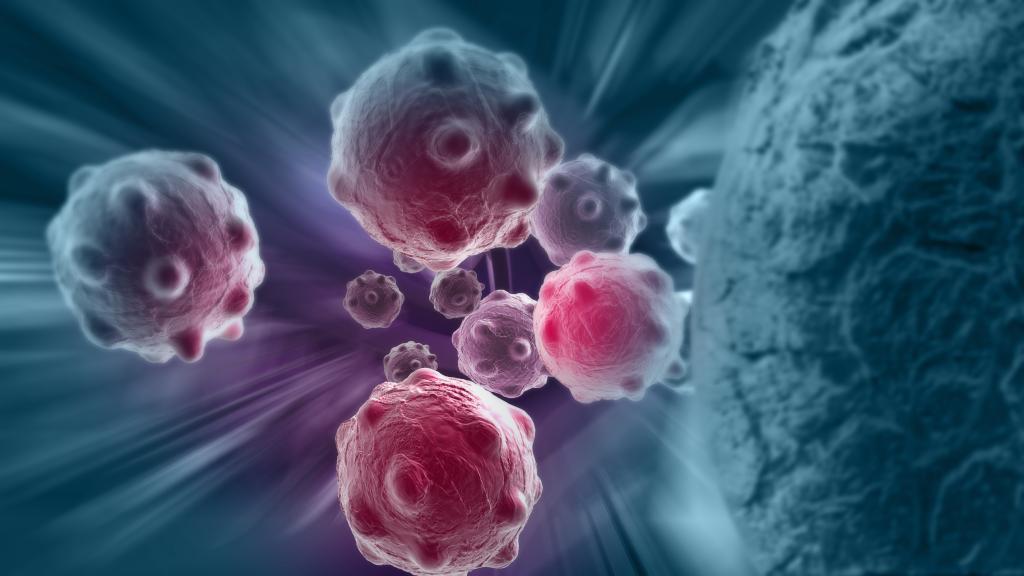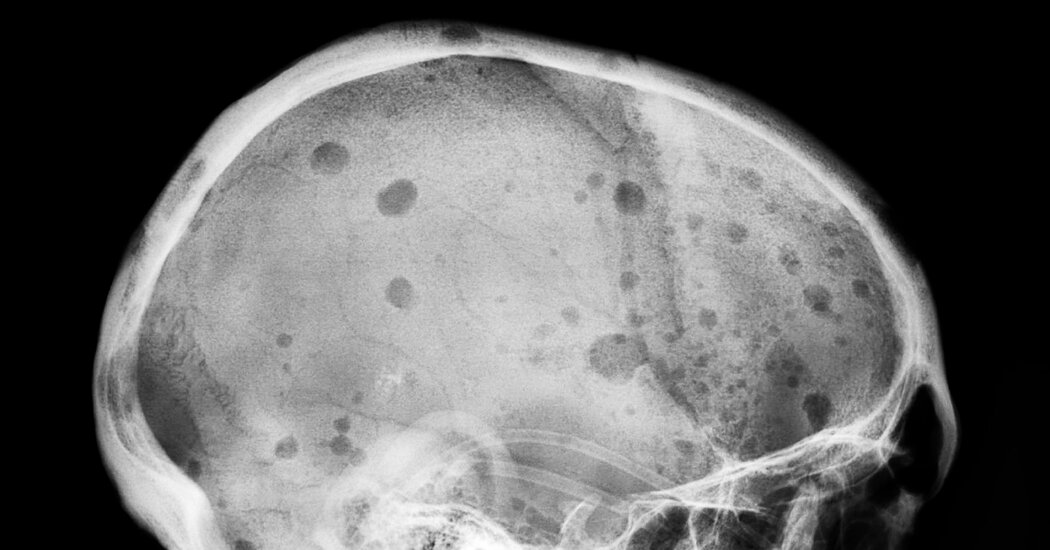
A clinical trial involving 97 patients with incurable multiple myeloma has shown promising results, with a third of participants living years without detectable cancer after immunotherapy, raising hope for a potential cure for this deadly blood cancer.
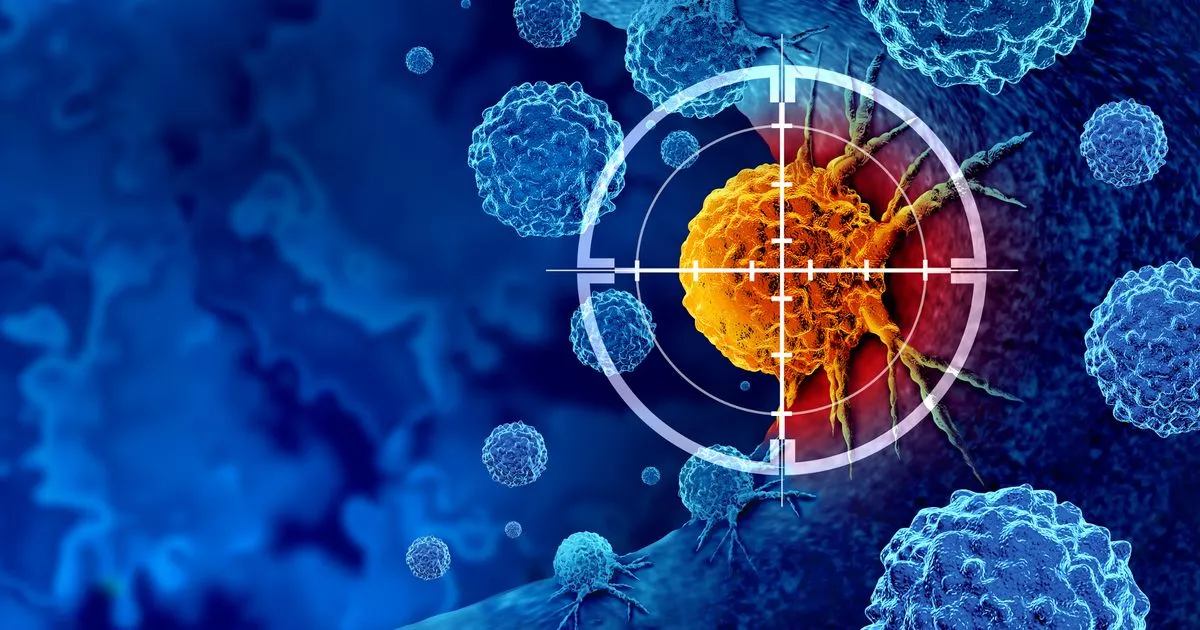
Nobel Prize-winning oncologist Dr. Catherine Wu has made significant progress in cancer treatment with personalized vaccines tailored to an individual's genetic makeup, showing promise in clinical trials for various forms of cancer. Inspired by a childhood dream and a bone marrow transplant she witnessed as a medical intern, Dr. Wu's innovative approach harnesses the body's immune system to target and fight cancer cells, bypassing the need for animal testing and earning recognition from the FDA.
Researchers have discovered a potential cure for cancer in space, where microgravity accelerates the growth of cancer cells, allowing for faster observation of their progression. The protein ADAR1 was found to proliferate rapidly in space tumors, leading to the development of drugs like fedratinib and rebecsinib, which block ADAR1 activation and prevent the formation of malignant proteins. The experimental drug rebecsinib is being prepared for clinical trials on Earth, with hopes of it becoming a "kill switch for cancer."
Scientists from Ewha Womens University in Seoul have developed a potent antitumor drug by manipulating calcium levels in cells, leading to a "calcium storm" that destroys tumor cells when exposed to infrared light. Tested in mice, the drug successfully eradicated tumors within days. The research team is optimistic about its potential for biomedical research and its role in cancer treatment.
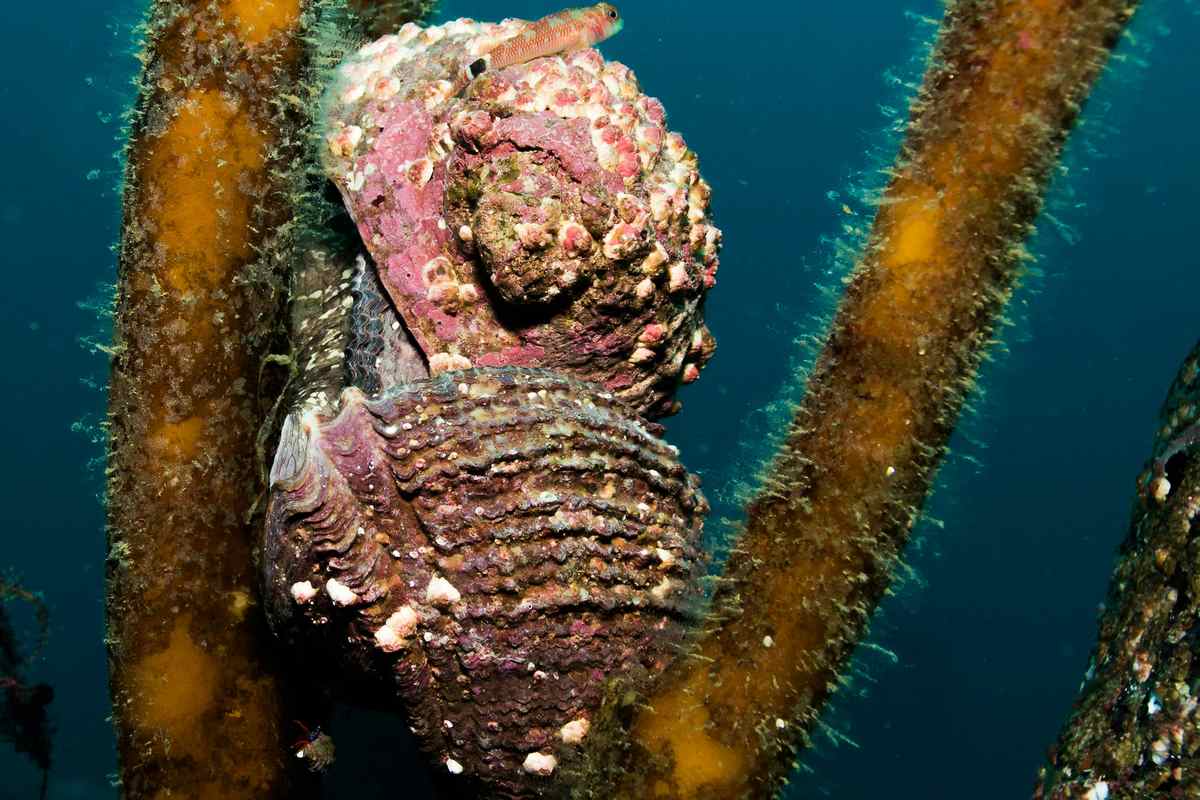
The Chilean abalone, an endangered mollusk whose blood contains a component effective against bladder and prostate cancer, has been named "International Mollusk of the Year" and awarded a full genome sequencing. The abalone's numbers were drastically diminished in the late 20th century due to overfishing. Little is known about the genomic basis for the diversity of mollusk species, their adaptive abilities, or the natural products they produce. The award is hoped to amplify the cultural, ecological, and potentially medicinal value of the species.