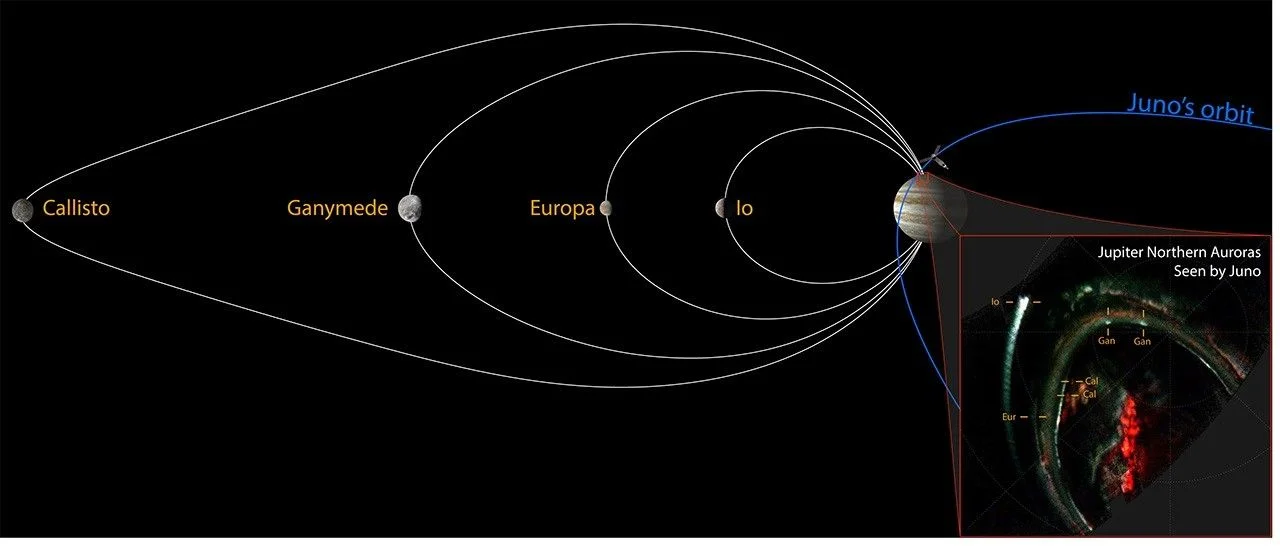
NASA's Juno spacecraft has for the first time detected the auroras of Jupiter's moon Callisto, completing the set of auroral signatures from all four Galilean moons, thanks to a rare shift in Jupiter's auroral oval in September 2019 that allowed clear observation.
NASA's Juno spacecraft has successfully detected the elusive auroral signature of Jupiter's moon Callisto, completing the set of auroral footprints from the planet's four largest moons, and providing new insights into their interactions with Jupiter's magnetic environment.
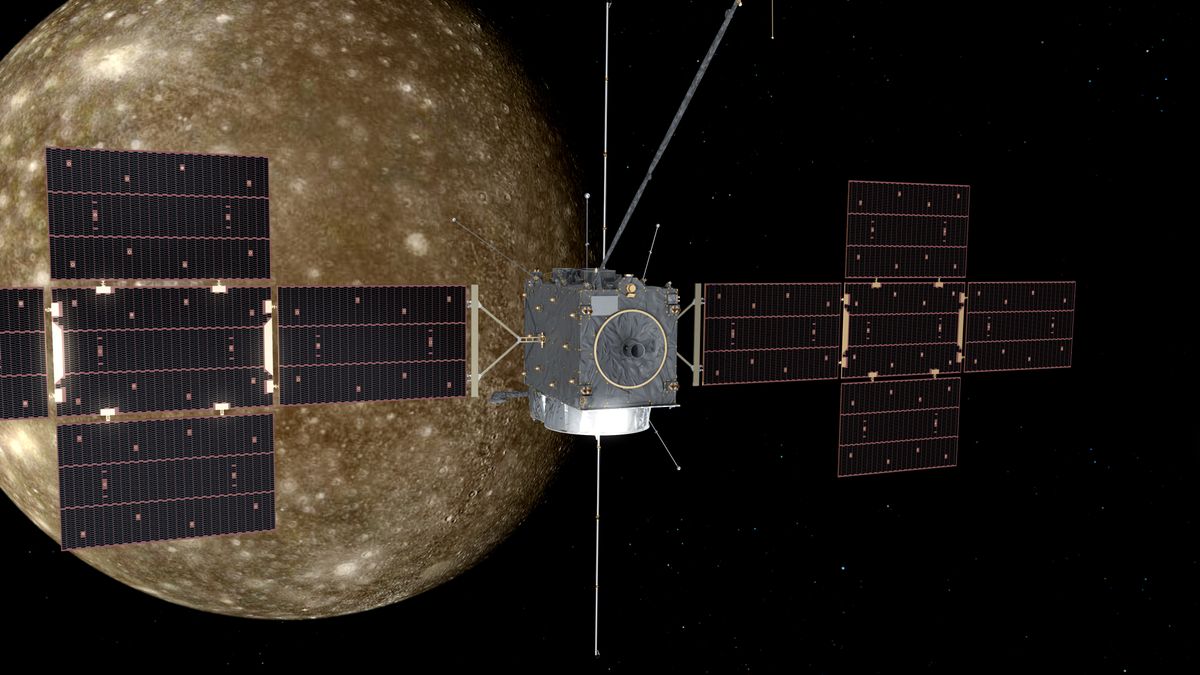
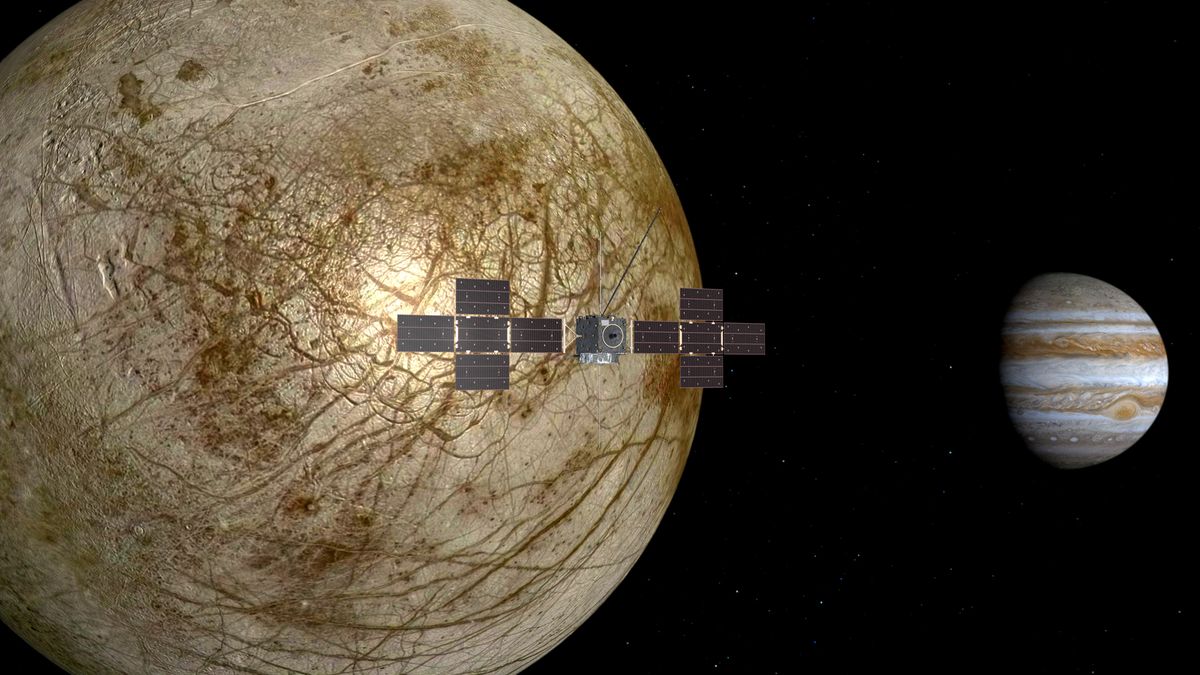
The JUICE mission, set to reach Jupiter in 2031, recently simulated a flyby of Jupiter's moon Callisto using the spacecraft's engineering model at the European Space Operations Centre. The mission faces challenges due to time delays in communication with Earth, requiring the spacecraft to autonomously adjust its orientation to observe surface features during flybys. The upcoming Lunar-Earth Gravity Assist in August will provide the spacecraft with additional velocity as it prepares for its journey to Jupiter.
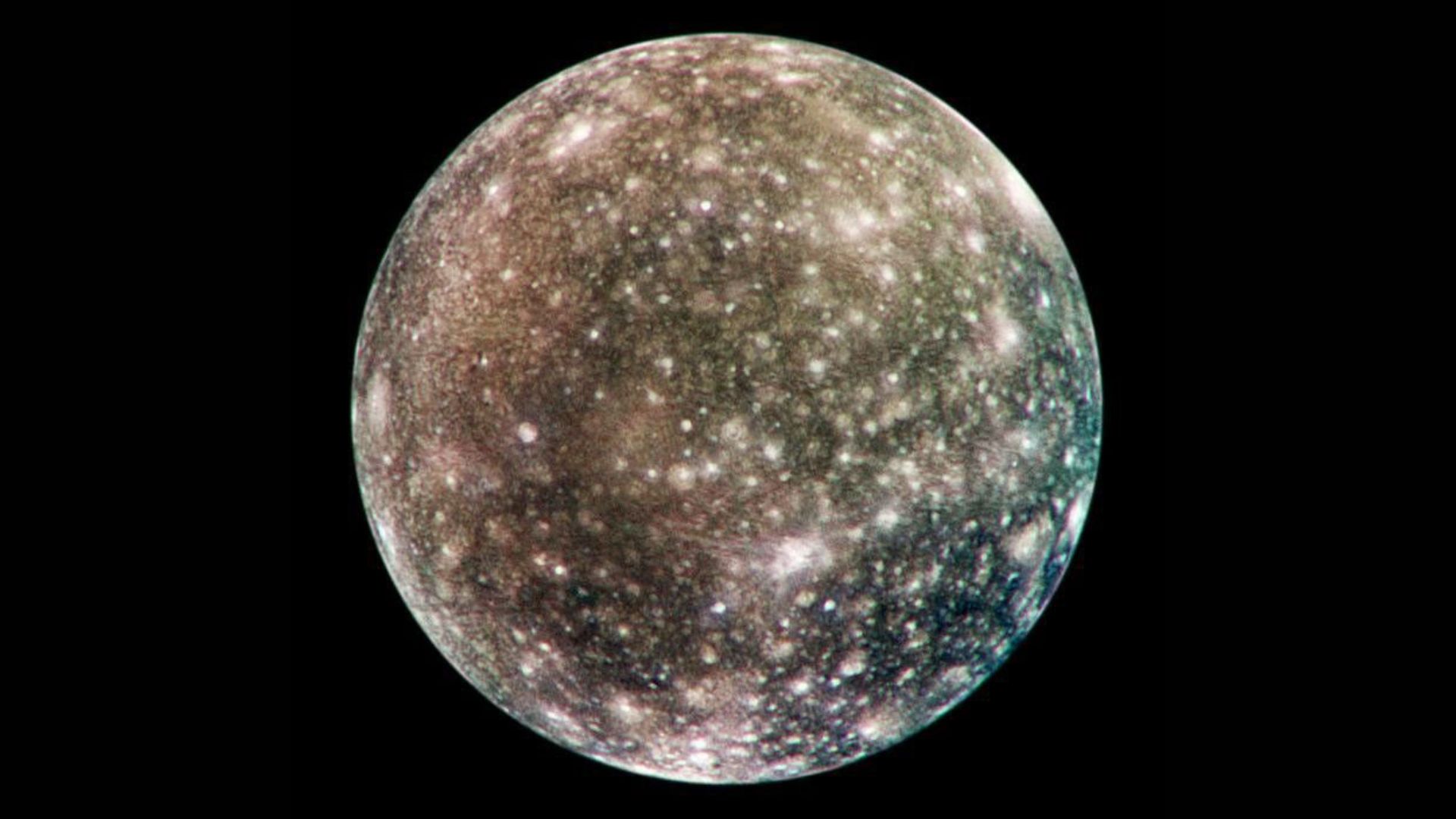
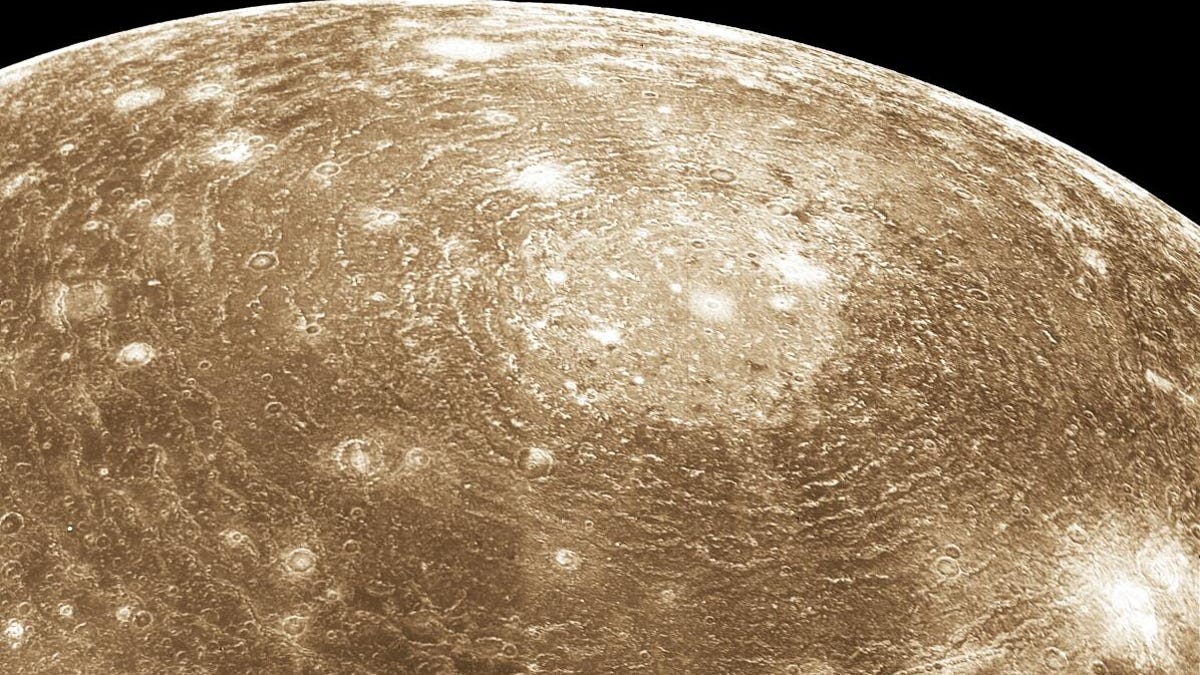
A recent study published in The Journal of Geophysical Research: Planets has revealed that Jupiter's moon, Callisto, has a higher concentration of molecular oxygen in its atmosphere than previously believed. This discovery challenges previous assumptions and raises new questions about the moon's atmospheric dynamics, defying its reputation as a "dead body" in our celestial neighborhood.
Scientists have discovered an unexpectedly high amount of molecular oxygen in the atmosphere of Jupiter's moon, Callisto, which cannot be fully explained by prevailing theories. While the presence of abundant oxygen raises the possibility of supporting life, the moon's extreme cold makes it unlikely. However, the oxygen could be valuable for future space exploration. Researchers are uncertain about the source of the oxygen but hope upcoming missions will provide more data to solve the mystery.
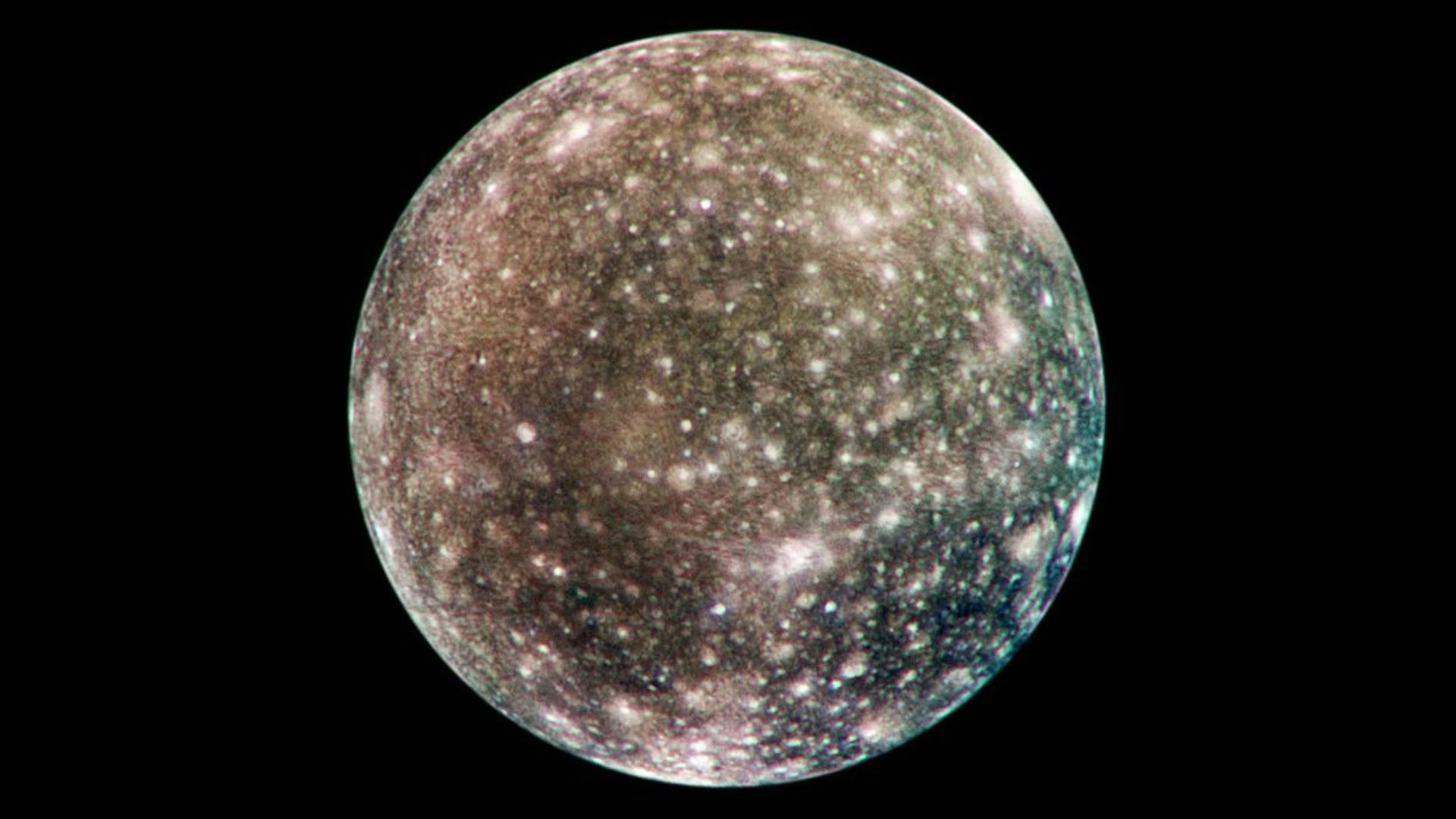
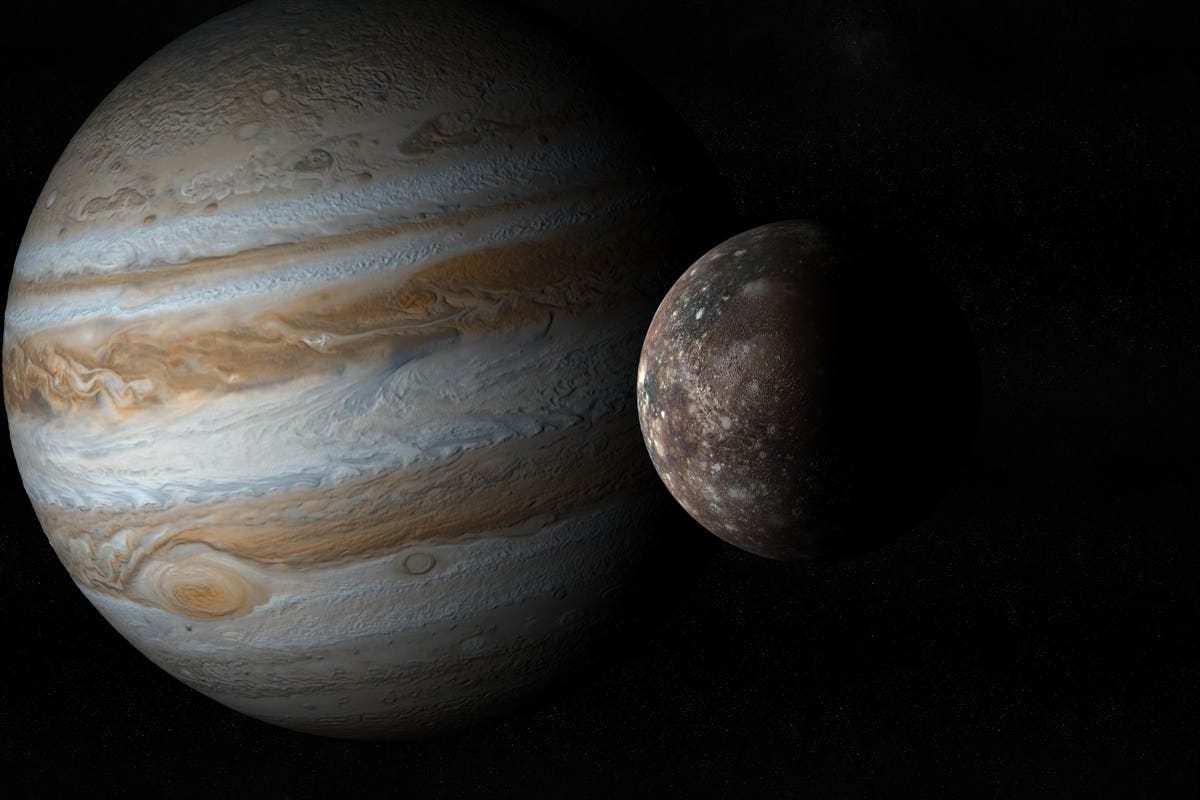
Callisto, one of Jupiter's least studied moons, has long remained a mystery to scientists. A new study reveals that Callisto has more molecular oxygen in its atmosphere than previously thought, suggesting that the moon is forming O2 in some other way. Despite not being a candidate for life due to its cold temperatures and lack of intrinsic magnetosphere, Callisto does harbor water in the form of ice. Understanding Callisto is crucial for exploring other large, icy moons in the Jovian system, and upcoming missions like NASA's Europa Clipper and the European Space Agency's Jupiter Icy Moons Explorer will provide more insights.
Europe's JUICE mission will launch on April 13 to explore Jupiter and its three largest moons, Europa, Callisto, and Ganymede. JUICE will collect data to confirm the presence of liquid water below the surfaces of these moons, which was only hinted at by the Galileo mission back in the 1900s. The spacecraft will fly by all moons multiple times to collect valuable data and will enter orbit directly around Ganymede in 2034, making it the first moon other than Earth's to have a spacecraft in its orbit.