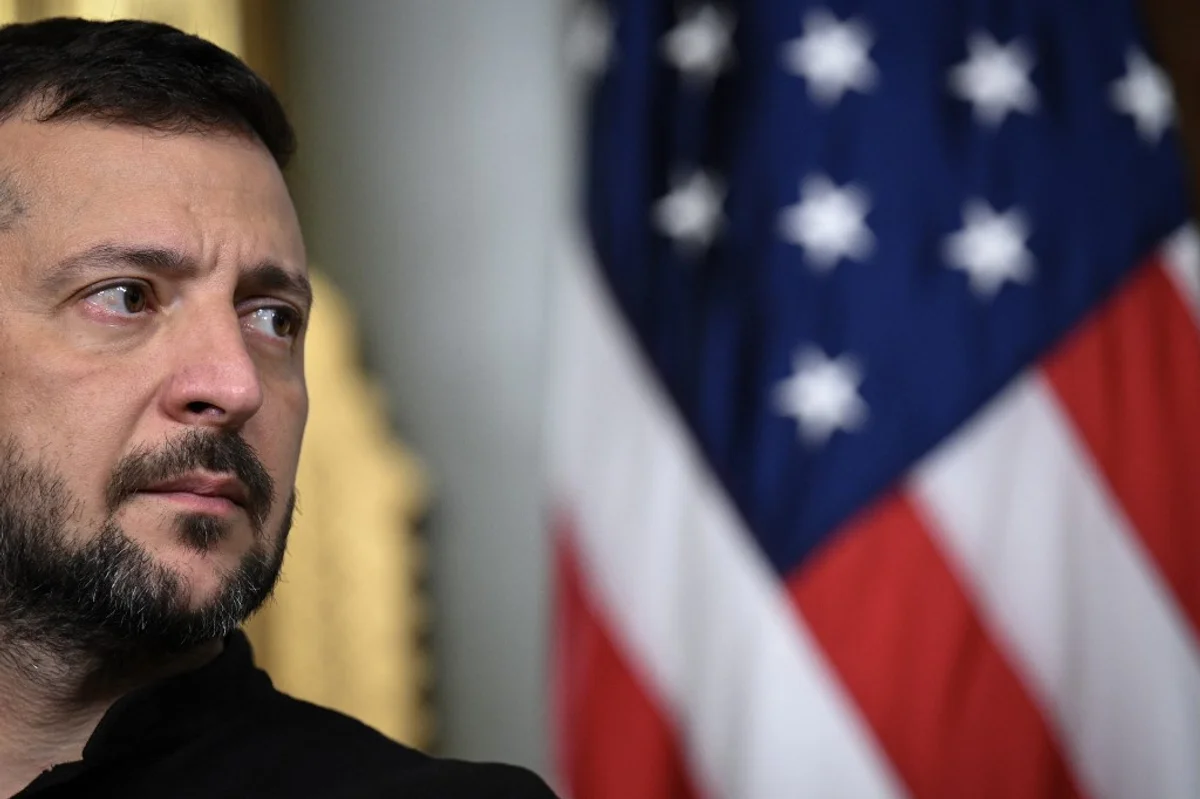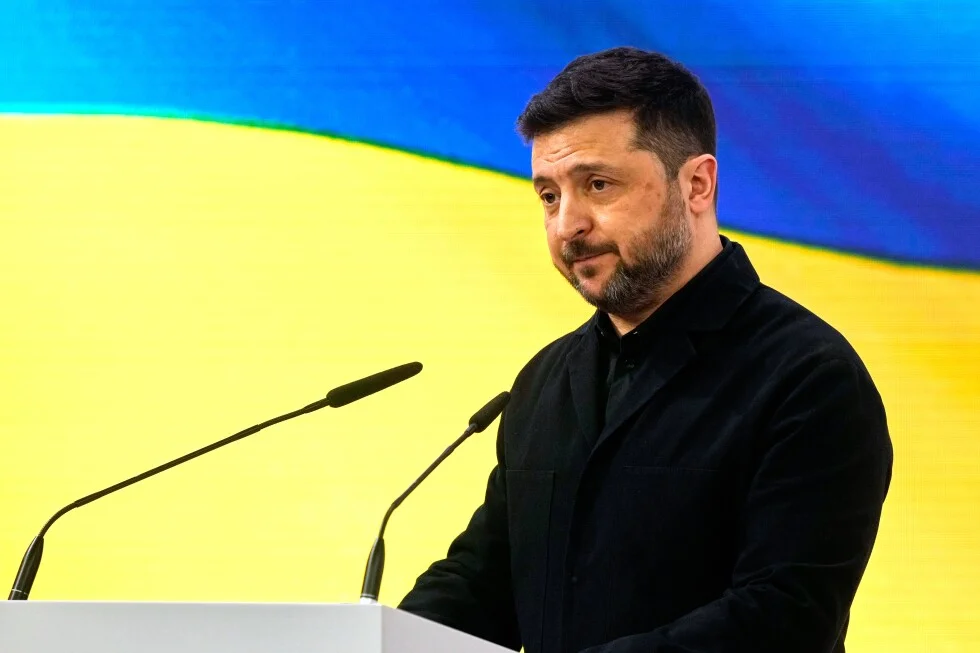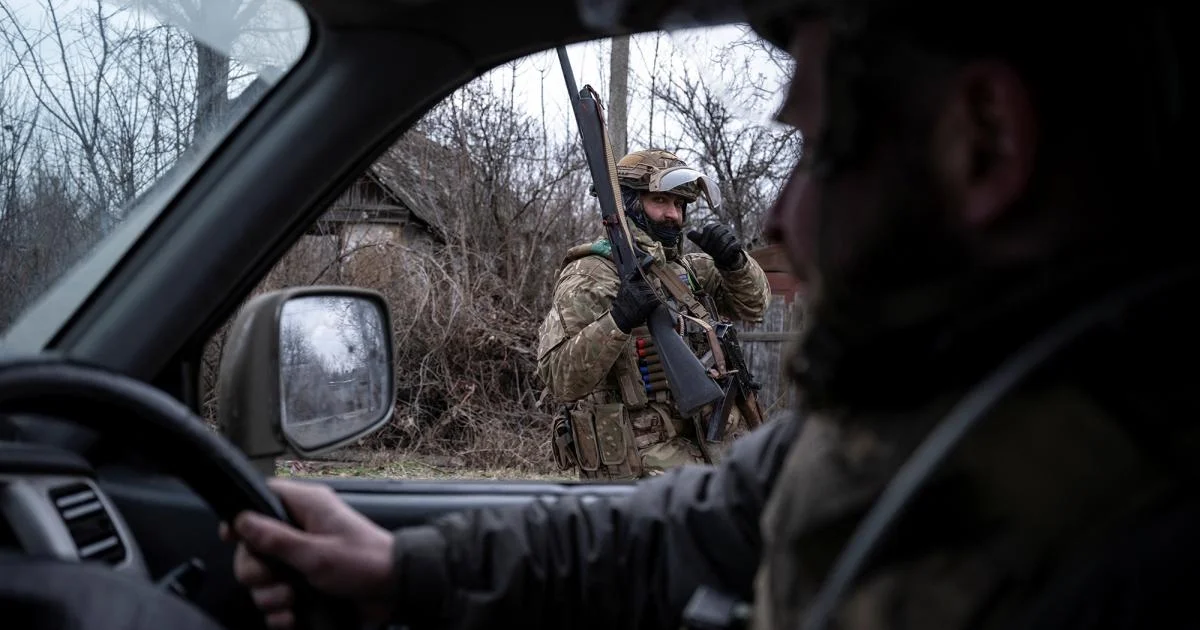
Ukrainian President Zelenskyy expressed willingness to withdraw troops from eastern Ukraine and create a demilitarized economic zone if Russia reciprocates, as part of ongoing peace negotiations involving international monitoring, security guarantees, and economic agreements, amidst persistent tensions and Russian control over parts of Donbas and Zaporizhzhia.
Ukrainian President Zelenskyy proposed a plan to end the Russia-Ukraine war, including creating a demilitarized, free economic zone in the Donbas region monitored by international forces, and suggested a referendum on peace agreements. The plan involves troop withdrawals, joint operation of the Zaporizhzhia nuclear plant, security guarantees similar to NATO's Article 5, and economic and political reforms. Russia has not indicated support for troop withdrawals, and negotiations remain complex and ongoing.
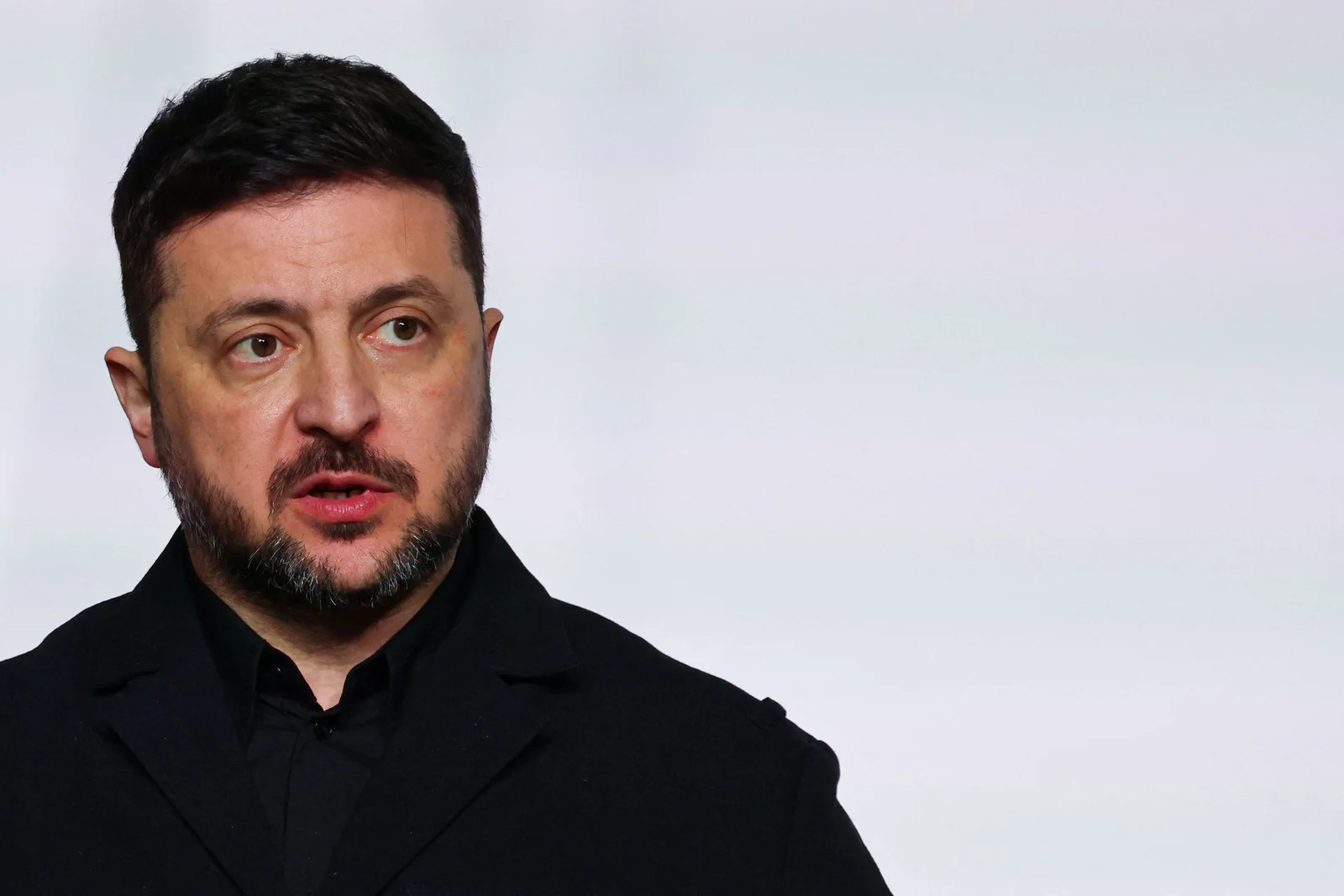
Ukrainian President Zelensky has proposed a new peace plan suggesting troop withdrawals from eastern Ukraine to establish a demilitarized zone, contingent on Russia's agreement, indicating a potential shift towards compromise in the ongoing conflict.
Ukrainian President Zelenskyy discussed a revised peace plan with the US and Ukraine, which involves Ukraine withdrawing from eastern territories, turning Donbas into a demilitarized economic zone, and includes security guarantees from the US, NATO, and Europe. The plan also emphasizes Ukraine's EU accession, reparations from Russia, and joint management of the Zaporizhzhia nuclear plant, with final approval requiring Ukrainian parliamentary and referendum ratification.
U.S. official Vance expressed pessimism about Ukraine and Russia reaching a peace deal, citing unresolved issues like control of Donbas and Zaporizhzhia, with ongoing negotiations showing limited progress and significant disagreements.
U.S. Senator Rubio expressed cautious optimism about the Ukraine-Russia peace negotiations, which face significant hurdles over issues like Donbas's status and security guarantees, with ongoing discussions involving key figures like Jared Kushner and Ukrainian officials.
Ukraine is at risk of losing the city of Pokrovsk to Russian forces after an 18-month battle, with intense street fighting and encirclement tactics by Russia. The fall of Pokrovsk would be a significant setback for Ukraine, potentially opening the way for further Russian advances in the Donbas region, though some analysts believe Ukraine could still defend or withdraw strategically. The situation remains tense, with Ukrainian forces outnumbered and facing logistical challenges, while Russia aims to capitalize on its gains amid ongoing conflict.
The city of Pokrovsk in Ukraine is a strategic and contested area in the ongoing conflict with Russia. Its fall would bring Russia closer to controlling the entire Donbas region, but Ukraine continues to resist despite being outnumbered. The battle for Pokrovsk is significant for military, economic, and political reasons, and its outcome could influence the broader trajectory of the war and international negotiations.
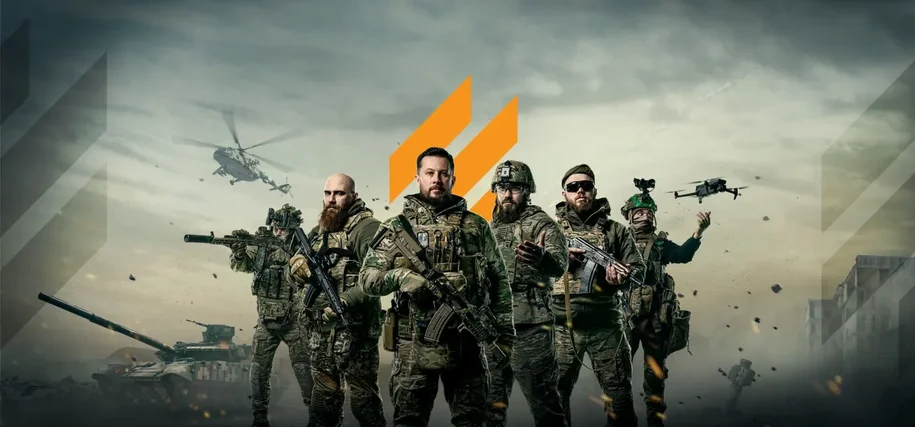
Russian forces claim to have destroyed a Ukrainian special forces team in Pokrovsk, as Russia advances in the Donbas region, aiming to control key cities and cut off Ukrainian supply lines, though Ukraine denies the loss of its special forces and continues operations in the area.
The chances of a quick meeting between Trump and Putin in Budapest are decreasing, amid ongoing discussions about Ukraine and regional tensions, with Trump suggesting Russia should maintain its current control over the Donbas region.
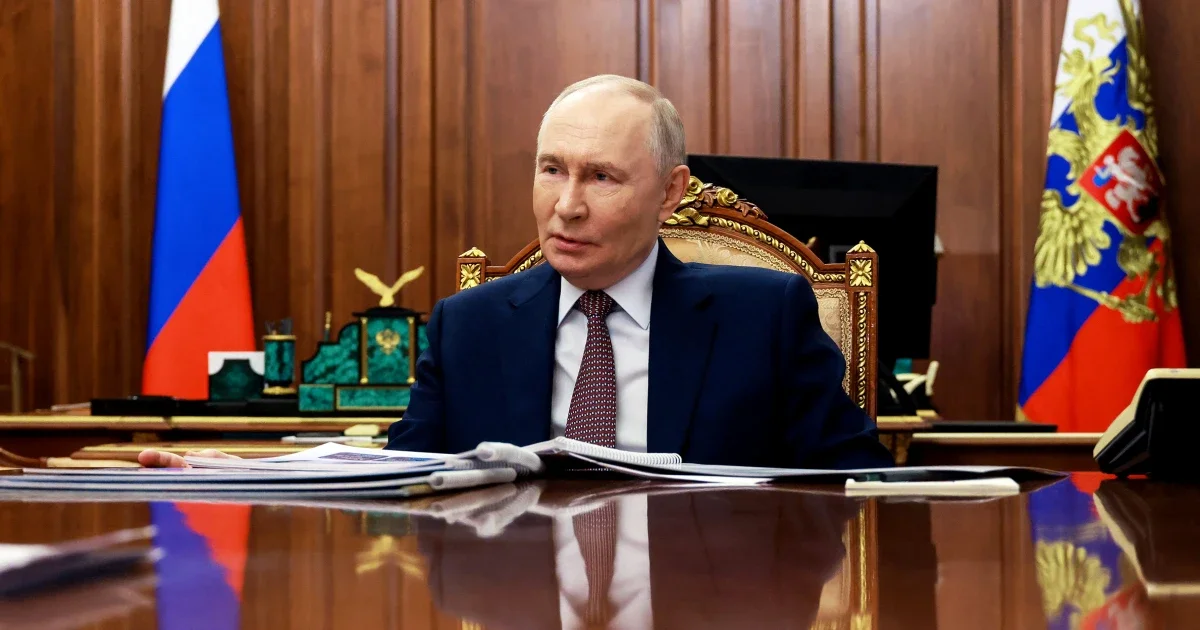
Russian President Vladimir Putin demands Ukraine fully cede the Donetsk region to end the war, motivated by strategic, symbolic, and constitutional reasons, but faces significant military and political challenges in doing so, with the ultimate goal of controlling more Ukrainian territory and possibly Kyiv.
Peace negotiations in Ukraine consistently focus on the Donbas region, with Ukraine reluctant to cede territory due to historical and national significance, while Russia demands full control. The conflict's resolution hinges on security guarantees and political compromises, but ongoing tensions and Russia's strategic interests suggest further fighting is likely.
The article discusses the strategic importance of the Donbas region in Ukraine, its historical ties to Russia, and the implications of potential territorial concessions in ongoing Russia-Ukraine conflict negotiations, highlighting the region's economic, military, and geopolitical significance.
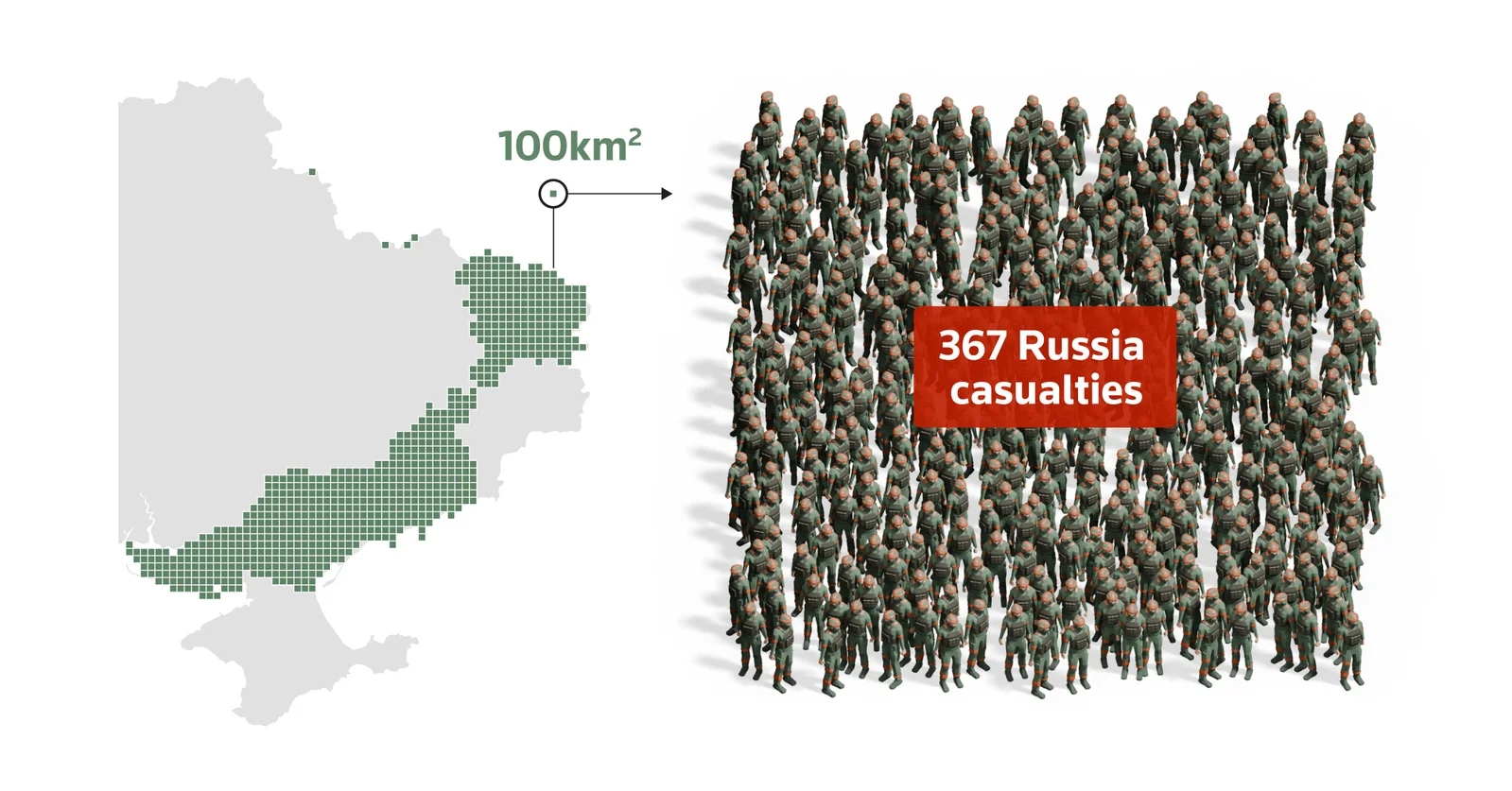
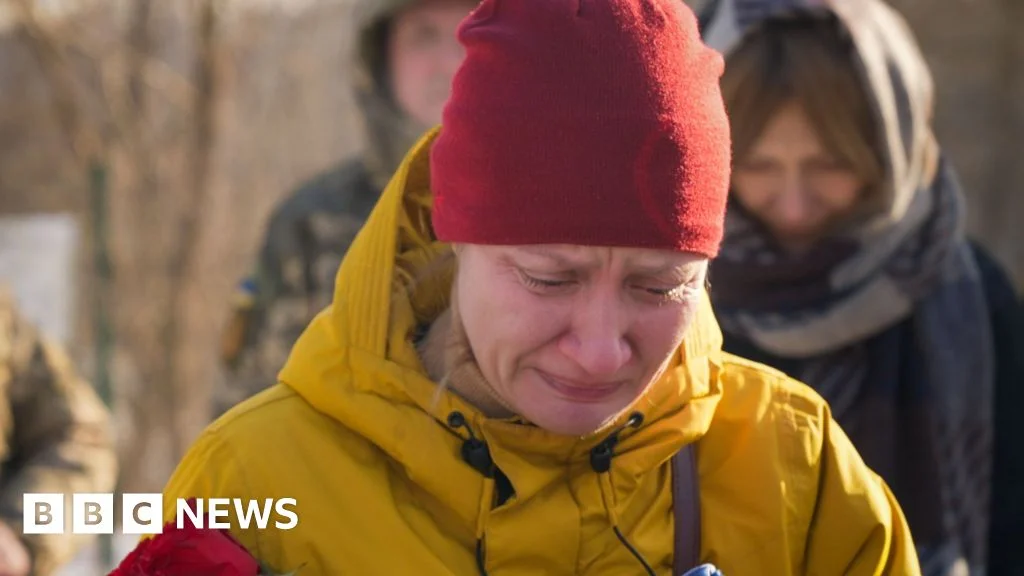
Ukrainians in Donbas are resisting Russian advances and refusing to cede land for peace, despite ongoing violence and casualties, as Russia continues its offensive in eastern Ukraine.
The Donbas region in eastern Ukraine has become a key faultline in peace negotiations, with Russia demanding full control of the area in exchange for a ceasefire, while Ukraine and most Ukrainians oppose ceding any territory. The region, rich in industry and historically pro-Russian, has been a focal point of conflict since 2014, and Russia's ambitions may extend beyond Donbas, though analysts doubt its capacity to do so fully. The conflict remains a significant obstacle to peace.