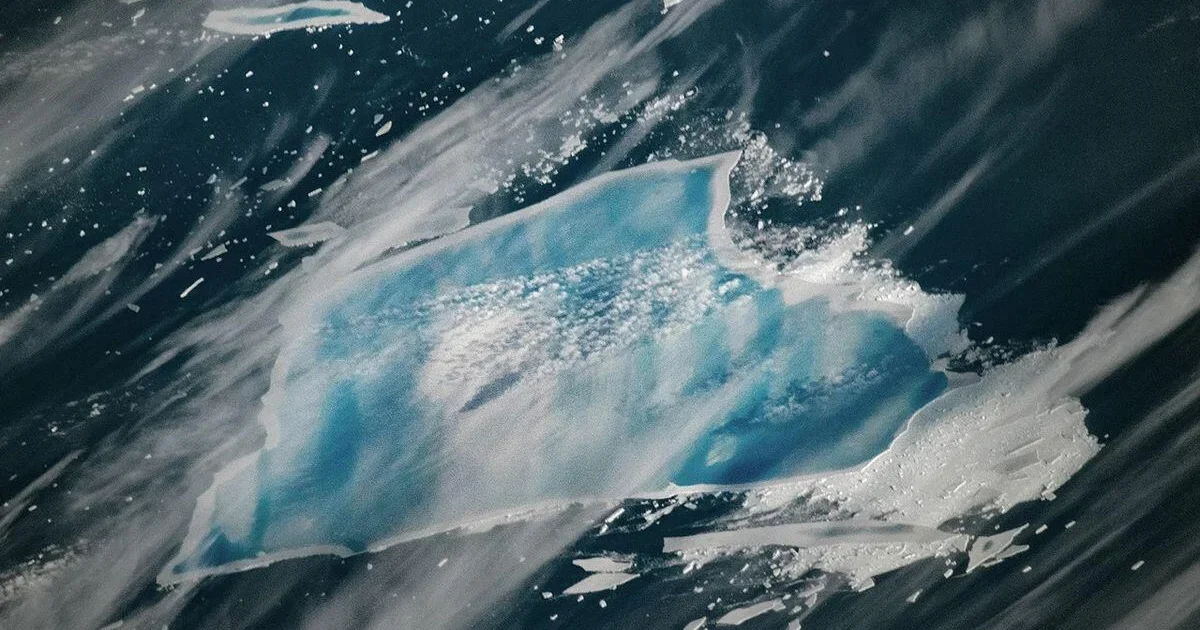
NASA reports that the massive Antarctic iceberg A23a has turned blue due to meltwater and is nearing complete disintegration, likely within weeks, as it drifts into warmer waters and shows signs of structural failure.
The world's largest and oldest iceberg, A23a, is breaking apart and melting in the South Atlantic Ocean after nearly 40 years, providing scientists with valuable insights into iceberg life cycles and environmental impacts, though its demise is a normal part of natural processes rather than climate change.
The iceberg A23a, once the world's largest, has lost about 80% of its mass since May due to rapid disintegration caused by ocean currents and climate change, and is now the second-largest iceberg in the world, with further breakup expected.
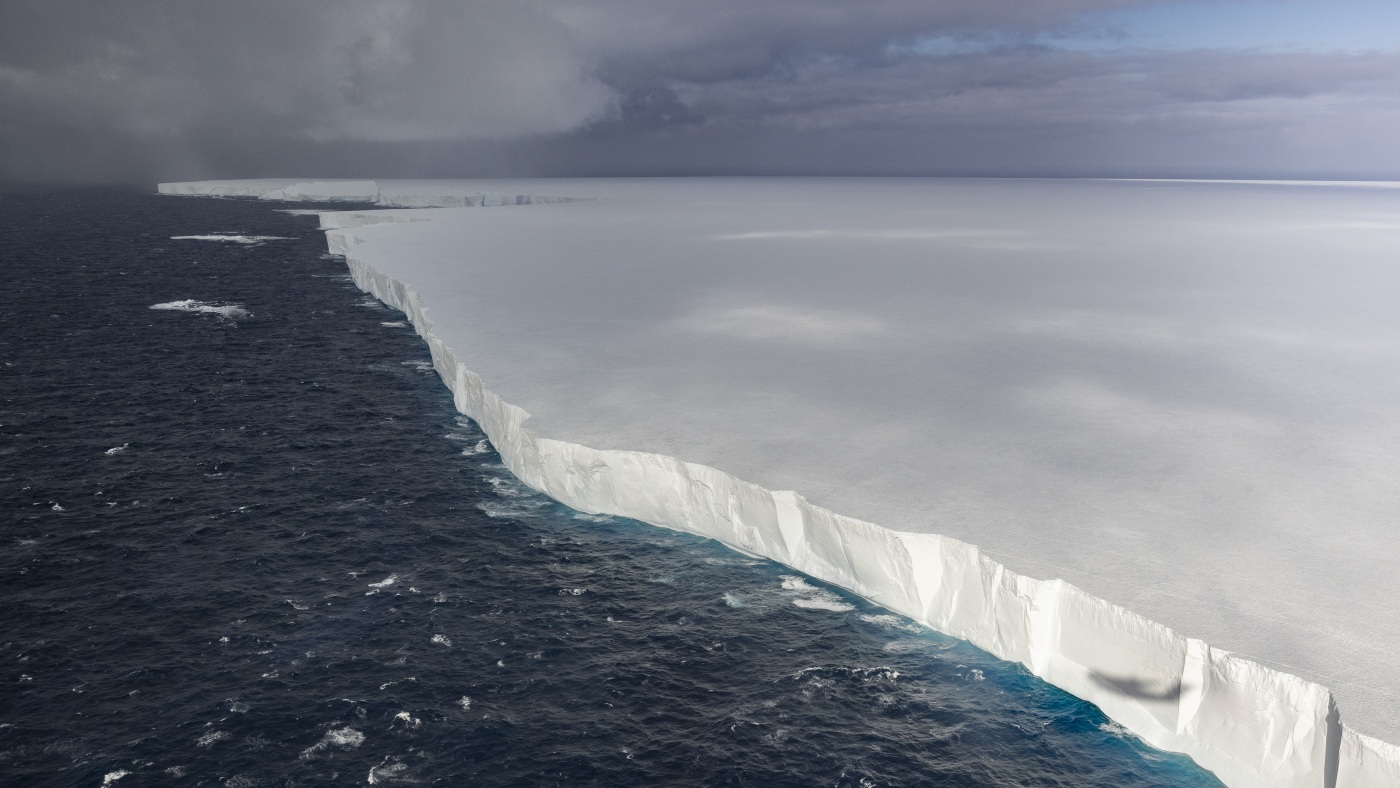
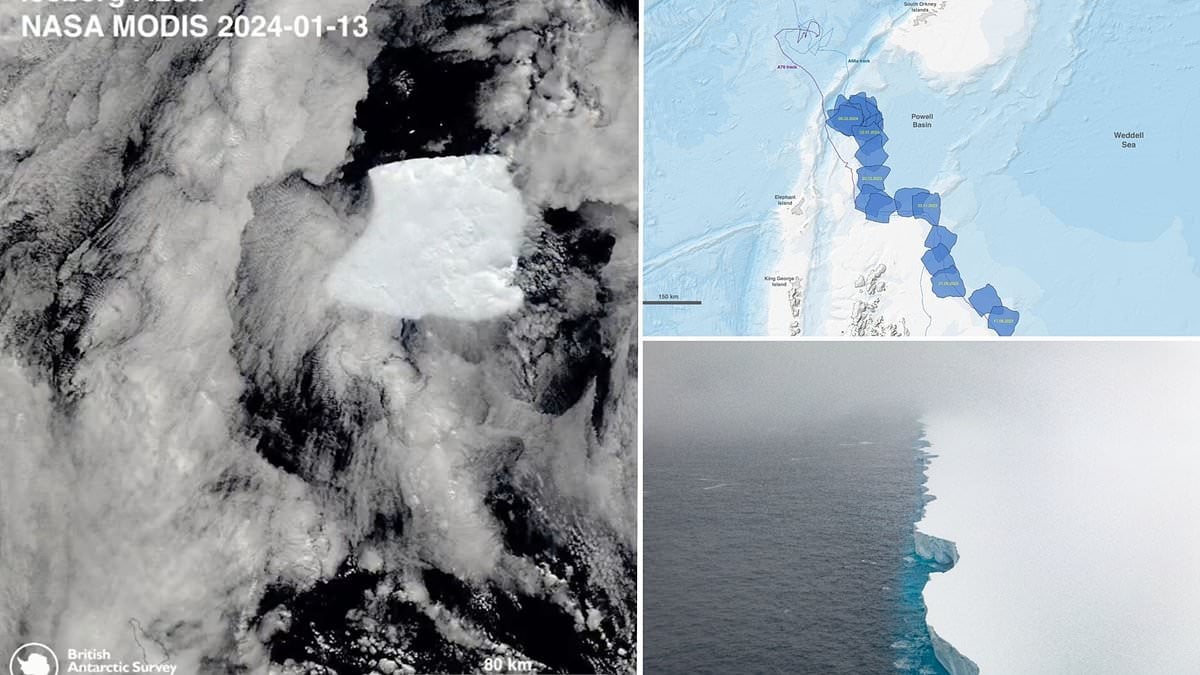
The world's largest iceberg, A23a, has been observed doing a 360° spin off the coast of Antarctica as it makes its way through "Iceberg Alley". Measuring 400 meters in height and covering an area of 4,000 square kilometers, the iceberg was captured twirling by NASA satellites. Scientists are studying its impact on the polar region's ecosystem and carbon balance, collecting seawater samples to understand its influence. A23a was calved in 1986 and recently became mobile after being grounded for 40 years, and it briefly lost its title as the largest iceberg in 2021.
The world's largest iceberg, A23a, has completed a pirouette as it moves towards the Southern Ocean, spinning more than 360 degrees just north of the Antarctic Peninsula. The iceberg, about the size of Greater London, is gradually eroding and melting due to warmer waters as it travels north at a rate of about 30 miles per day. A23a, which had been grounded for 30 years, is being swept along 'iceberg alley' and is currently the largest iceberg in the world, but it is expected to eventually fragment. If it reaches South Georgia, it could potentially disrupt wildlife feeding routines.
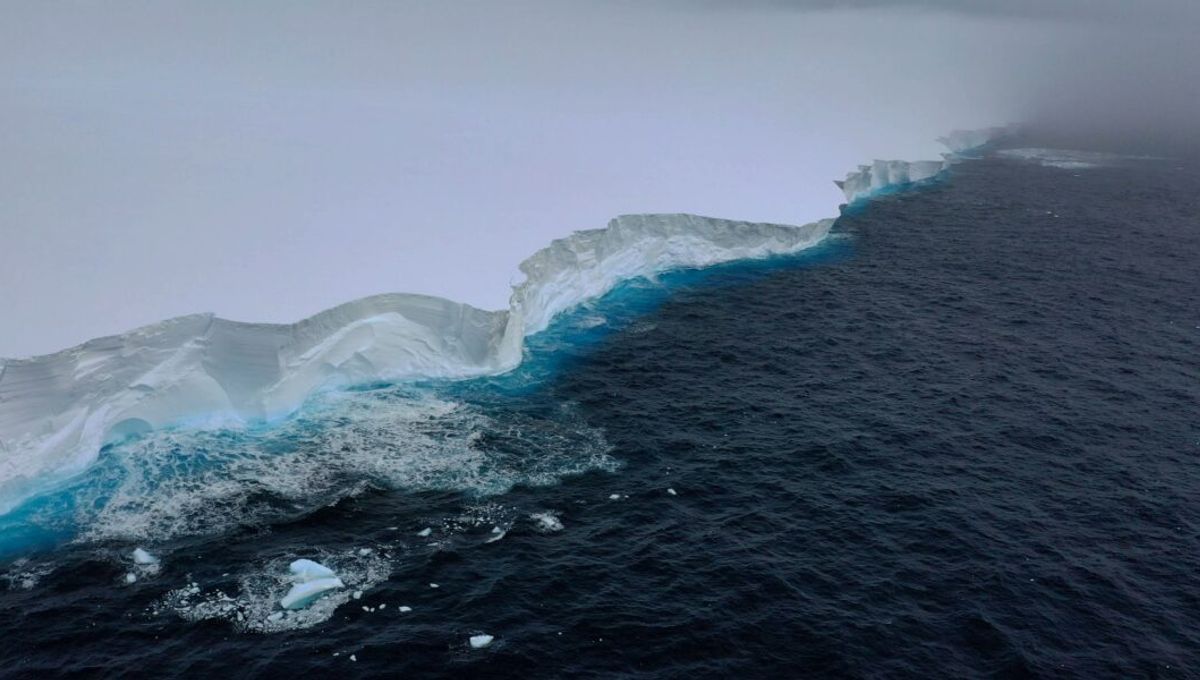
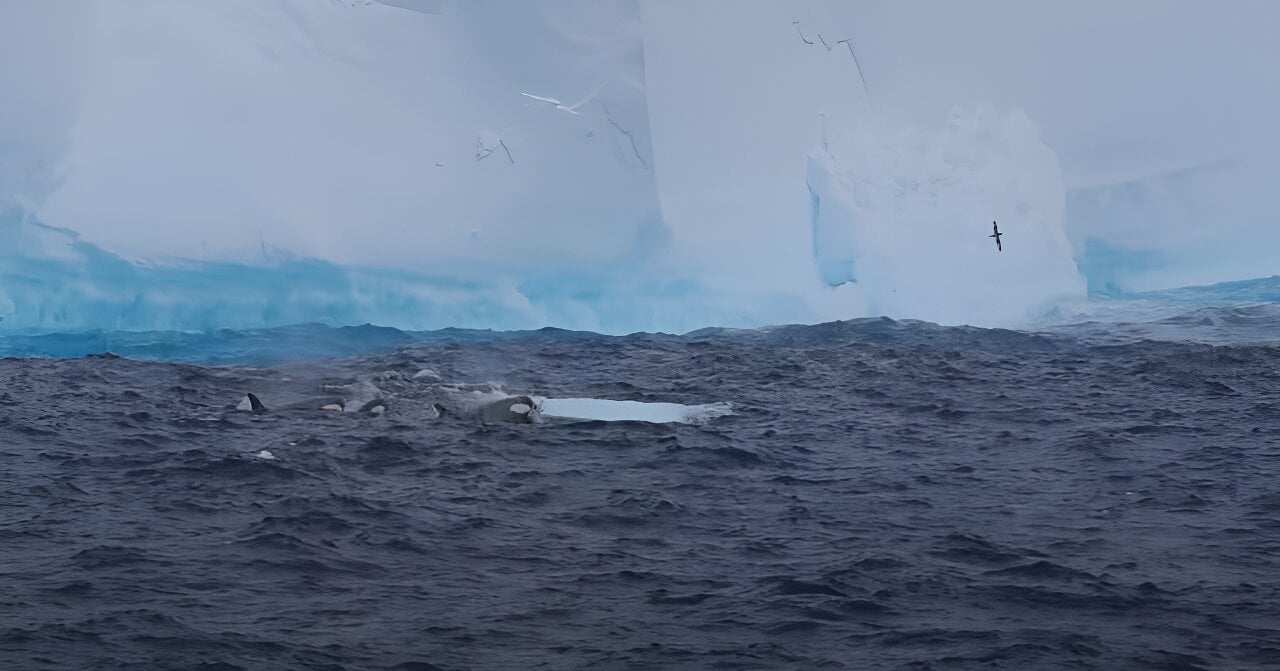
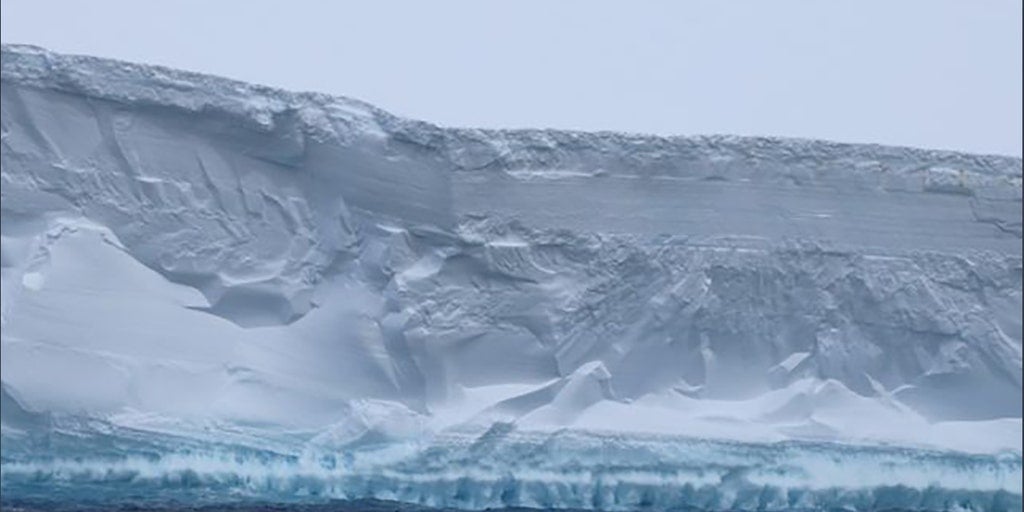
The trillion-tonne iceberg A23a, the world's largest, has completed a spin near the Antarctic Peninsula and is expected to be swept away into the Southern Ocean soon. A23a, which broke off from the Antarctic coast in 1986, has been slowly drifting northward and is now poised to enter the powerful Antarctic Circumpolar Current. Recent images show the iceberg wasting at its edges, with waves cutting into its walls and forming smaller "bergy bits" and "growlers" as it journeys into rougher and warmer waters.
Scientists at British Antarctic Survey are using satellite images to track the colossal iceberg A23a as it moves north out of the Weddell Sea, with a new animation showing its trajectory alongside previous large icebergs A68 and A76a. The iceberg, which calved from the Filchner Ice Shelf in 1986, was recently observed by scientists aboard RRS Sir David Attenborough, who collected seawater samples from the area. The animation has been compiled from Copernicus Sentinel-3 satellite imagery, providing valuable insights into the iceberg's movement.
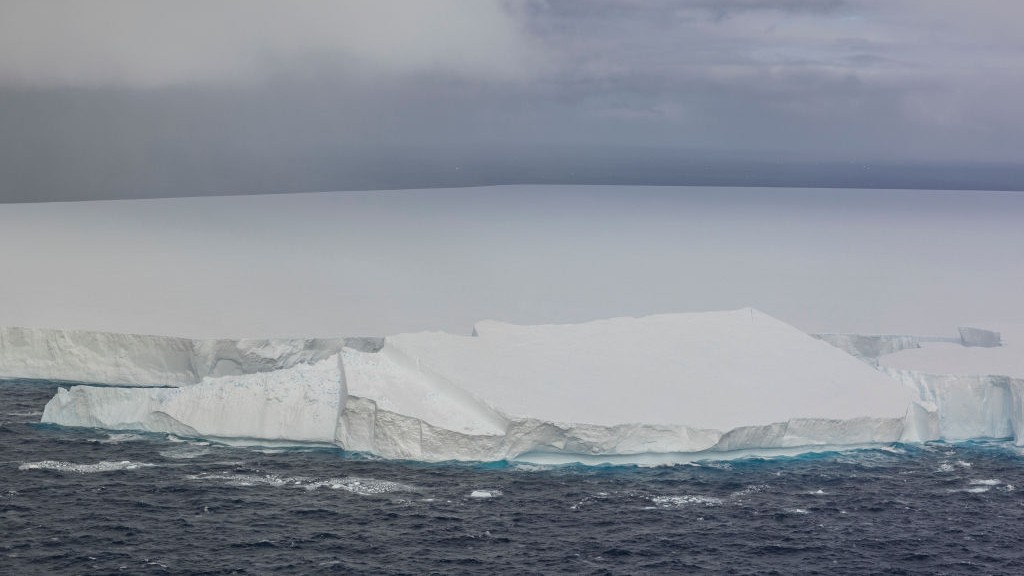
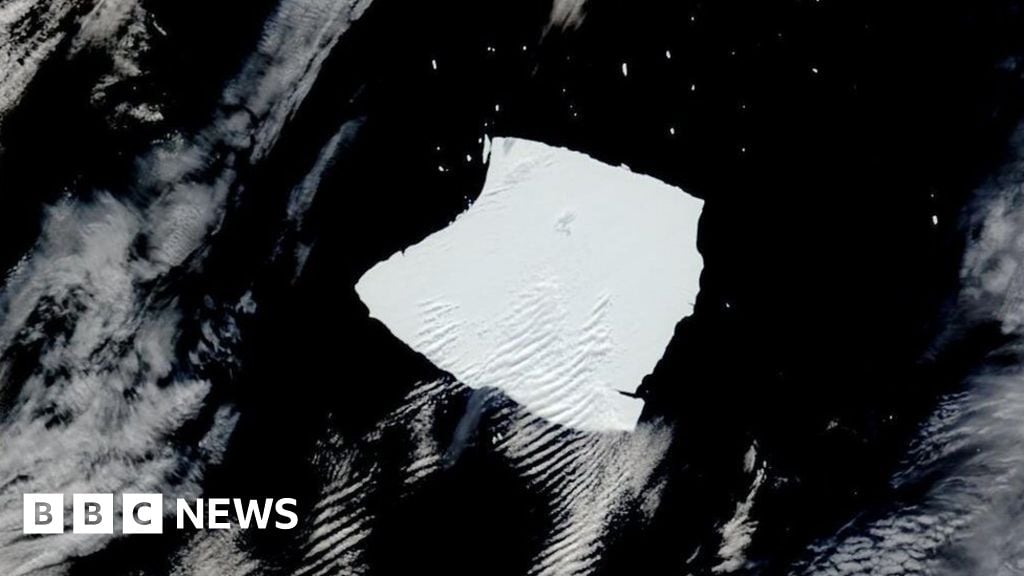
The world's largest iceberg, A23a, weighs nearly 1 trillion tons and has an area three times the size of New York City, according to data from the European Space Agency. A23a broke off from Antarctica in 1986 and recently became dislodged, drifting towards the tip of the Antarctic Peninsula. Its movement will impact ocean currents and the ocean floor. Icebergs like A23a play a crucial role in mixing seawater, bringing nutrients to the surface and fertilizing the ocean.
The British Antarctic Survey has released a video showcasing the massive iceberg known as A23a, which is 40 miles wide and weighs 1 trillion tons. After being grounded for decades, the iceberg has started moving again across the polar regions of Antarctica's open waters. It broke off from the Filchner Ice Shelf in 1986 and has been slowly picking up speed since 2020. The iceberg will likely be swept along by the current in the South Atlantic as it slowly melts away.