A rare 37.4-carat diamond discovered in Botswana exhibits a unique dual structure, with one half pink and the other colorless, revealing insights into its two-stage formation process and deep mantle geological conditions, linked to tectonic rifting events.
A rare 37.4-carat rough diamond split evenly between pink and colorless was discovered in Botswana's Karowe mine, providing valuable insights into diamond formation and the geological processes that create unique colors, especially pink, due to structural deformation. The find offers a natural record of Earth's ancient crustal movements and deformation history, aiding scientific understanding of diamond color origins and geological history.
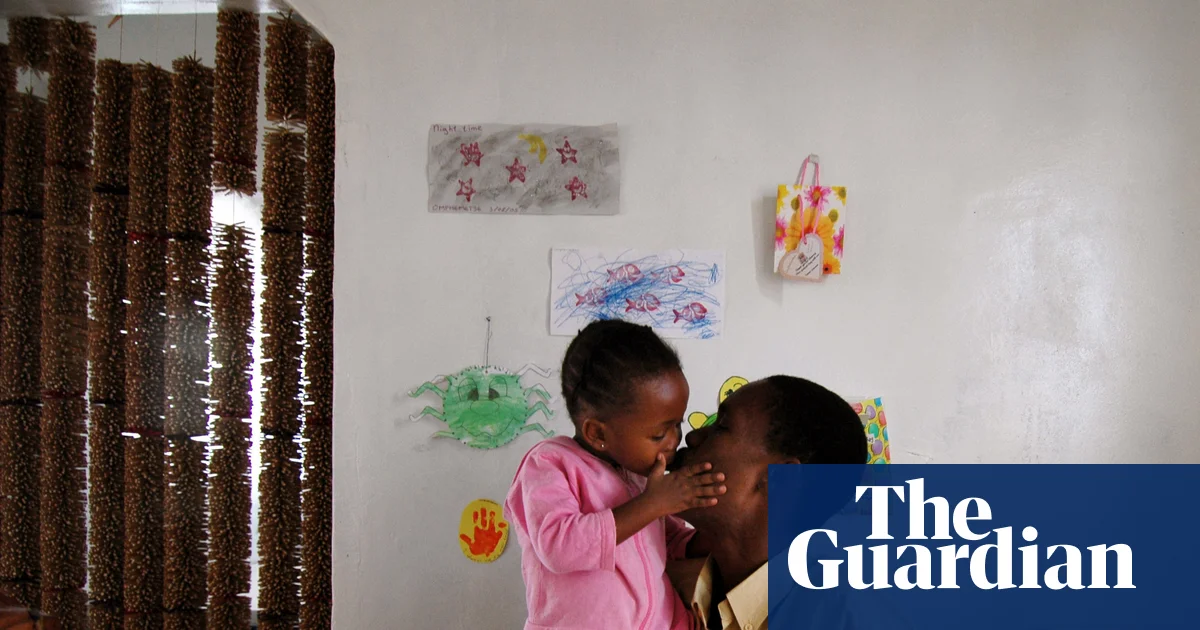
Botswana has achieved a remarkable reduction in childhood HIV infections, decreasing rates by over 98% since the 1990s through robust prevention infrastructure, especially for pregnant women and children, transforming it from a country at risk of extinction from HIV to a global success story.
Botswana, once at risk of extinction from HIV with high mother-to-child transmission rates, has become a global leader in eliminating pediatric HIV infections through comprehensive testing, treatment, and public health strategies, achieving near-zero transmission rates and pioneering clinical trials for a potential cure.
In a surprising election outcome, Botswana's long-ruling Botswana Democratic Party (BDP) lost its parliamentary majority to the opposition Umbrella for Democratic Change (UDC), marking a significant political shift. The UDC, led by Duma Boko, capitalized on public dissatisfaction with the BDP's handling of economic issues and allegations of corruption, securing 32 of 61 seats in the National Assembly. This result reflects a broader trend in southern Africa, where long-standing ruling parties face increasing challenges from opposition movements amid economic struggles and corruption concerns.
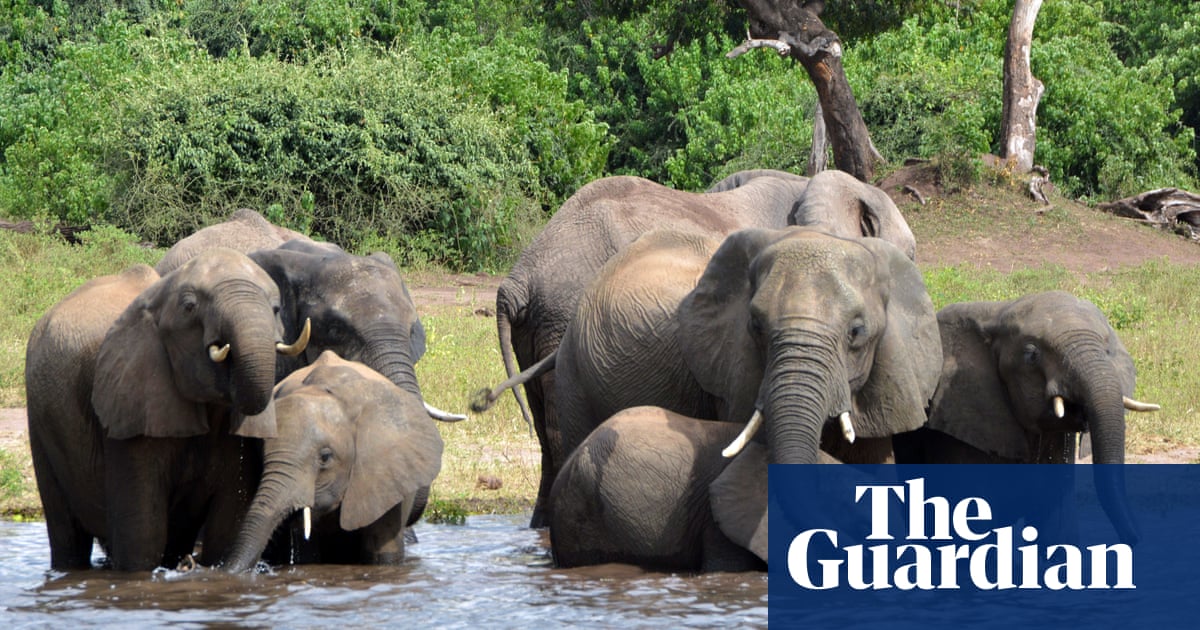
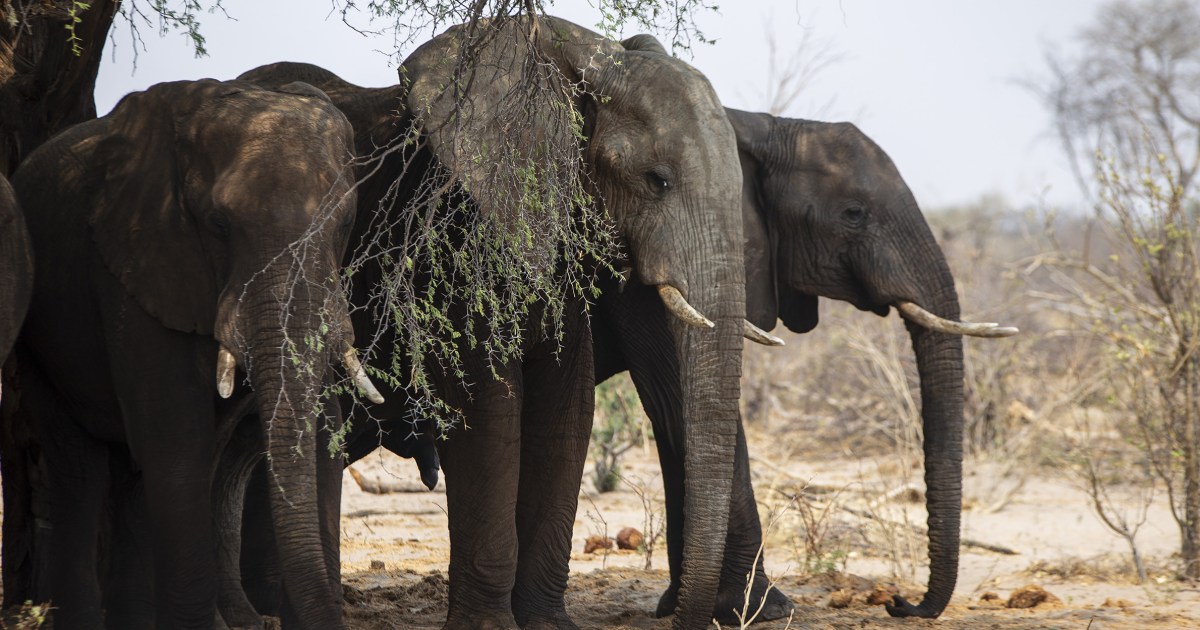
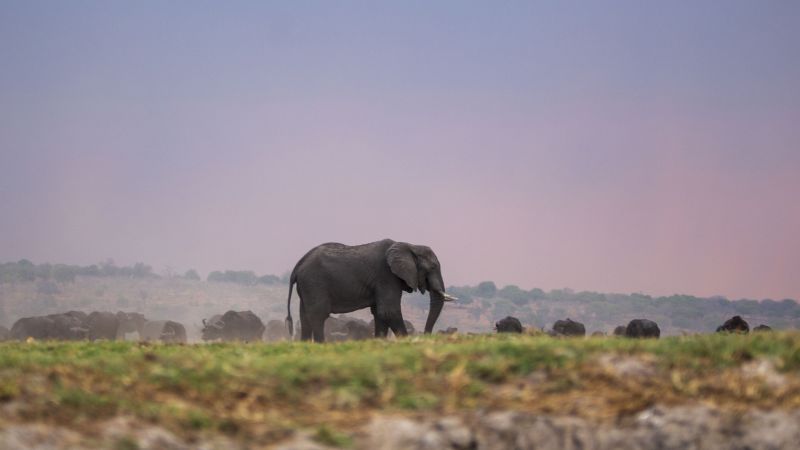
Botswana's president has threatened to send 20,000 elephants to Germany in response to potential stricter limits on the import of hunting trophies. President Mokgweetsi Masisi argued that conservation efforts have led to an overpopulation of elephants, causing damage to property and crops. He emphasized the importance of hunting in controlling the elephant population and criticized Germany for having an opinion on Botswana's affairs. The German environment ministry stated that discussions on import restrictions are focused on ensuring sustainability and legality, with a special responsibility to protect biological diversity.
Botswana, home to a large elephant population, is facing pressure from European nations, particularly Germany, to ban the import of elephant trophies. In response, Botswana's president threatened to send 20,000 elephants to Germany. The complex issue of trophy hunting is debated, with some arguing it aids conservation efforts and local communities, while others condemn it as cruel. The situation highlights the clash between conservation, animal rights, and economic interests, with Botswana pushing back against international pressure to protect its wildlife.
Botswana's President Mokgweetsi Masisi has threatened to send 20,000 elephants to Germany in response to a dispute over the import of hunting trophies. He criticized the German government for seeking to ban trophy imports despite Botswana's elephant "overpopulation." Masisi argued that hunting is necessary to control the elephant population, which has grown to around 130,000, and warned that a ban on trophy imports would only impoverish Botswanans. The spat reflects wider issues around trophy hunting, with Masisi also warning against a potential hunting trophy import ban in the UK.
Botswana's President Mokgweetsi Masisi has threatened to send 20,000 African elephants to "roam free" in Germany in response to Germany's plans to restrict the import of hunting trophies from Africa. The dispute highlights the tension between conservation efforts and the use of hunting as a tool for revenue and population control in countries with significant wild animal populations. Botswana, home to a large elephant population, argues that trophy hunting is necessary for sustainable conservation, while animal rights groups advocate for a ban on hunting regardless of animal numbers.
Diamond giant De Beers has reached an agreement with Botswana to allow the country to keep 50% of the production from its mines, a significant shift in the long-standing partnership. The deal aims to benefit Botswana's economy by increasing its share of the diamond industry's profits, while De Beers will continue to have access to the country's rich diamond reserves. This move reflects a broader trend of resource-rich nations seeking greater control over their natural resources.
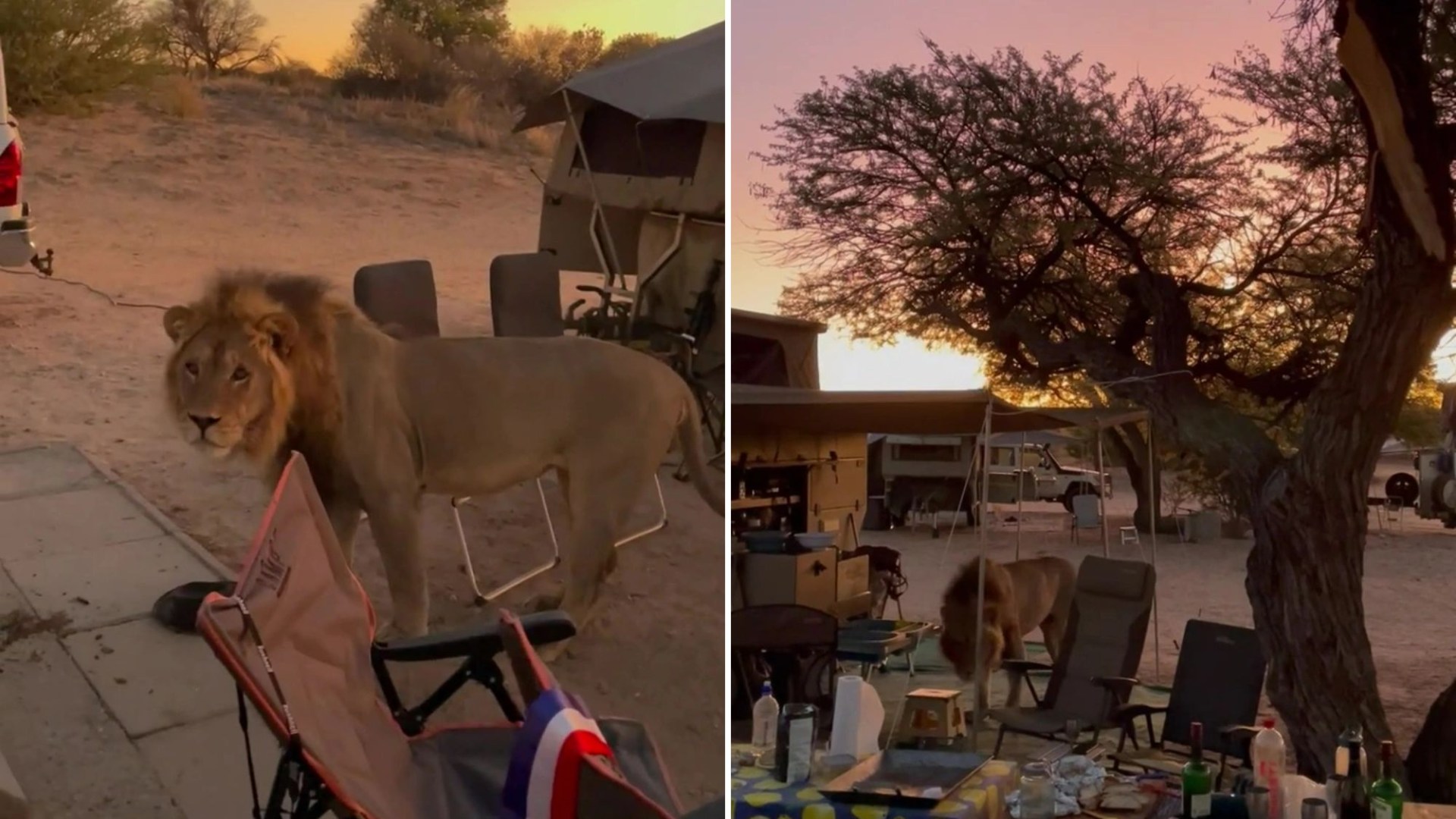
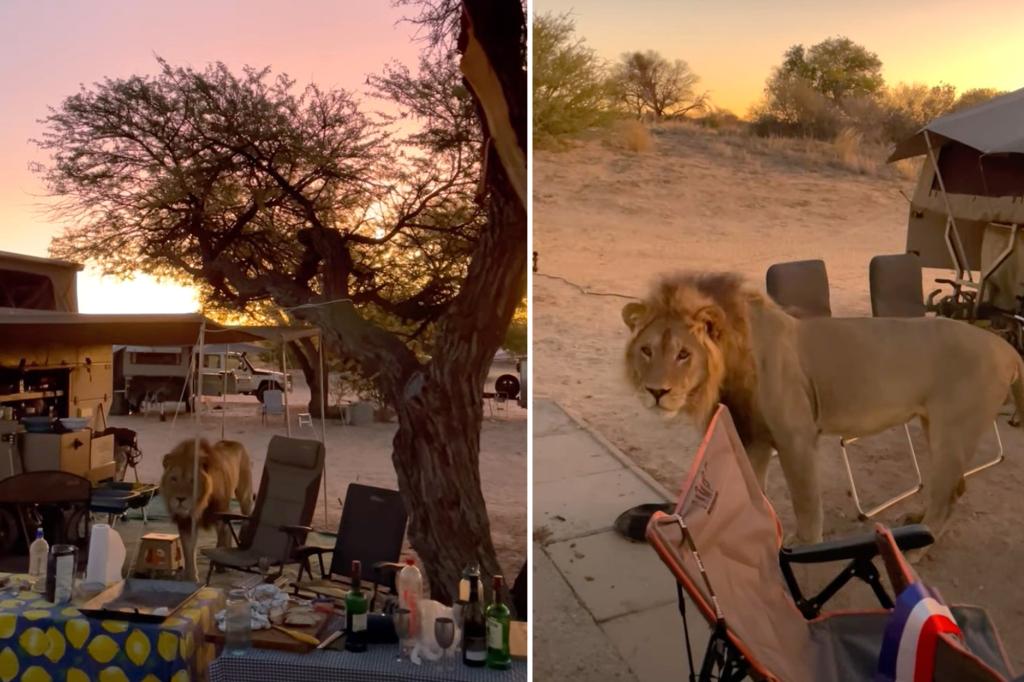
A massive male lion was caught on camera strolling through a campsite in Kgalagadi, Botswana, just a few feet away from a stunned family. Despite their fear, the group managed to stay calm and whispered to each other to remain still. The lion curiously looked at the group and even got startled for a moment after accidentally knocking a bottle off the table. The video ends with the lion approaching the family within a chilling distance, staring at them for a while before heading off into the wild.
Campers in Botswana had a heart-stopping encounter with a massive male lion that wandered into their campsite, inspecting their cutlery and coming within feet of the petrified safari-goers. The encounter was caught on camera and has since gone viral. Despite the fear, the campers stayed still, as they had agreed beforehand not to run or make sudden movements, which could encourage the lion to attack.