Global bond markets have temporarily stabilized after a sharp selloff, but yields remain high due to concerns over the fiscal health of major economies like Japan, the UK, and the US, with increased bond issuance and political uncertainties contributing to ongoing volatility.
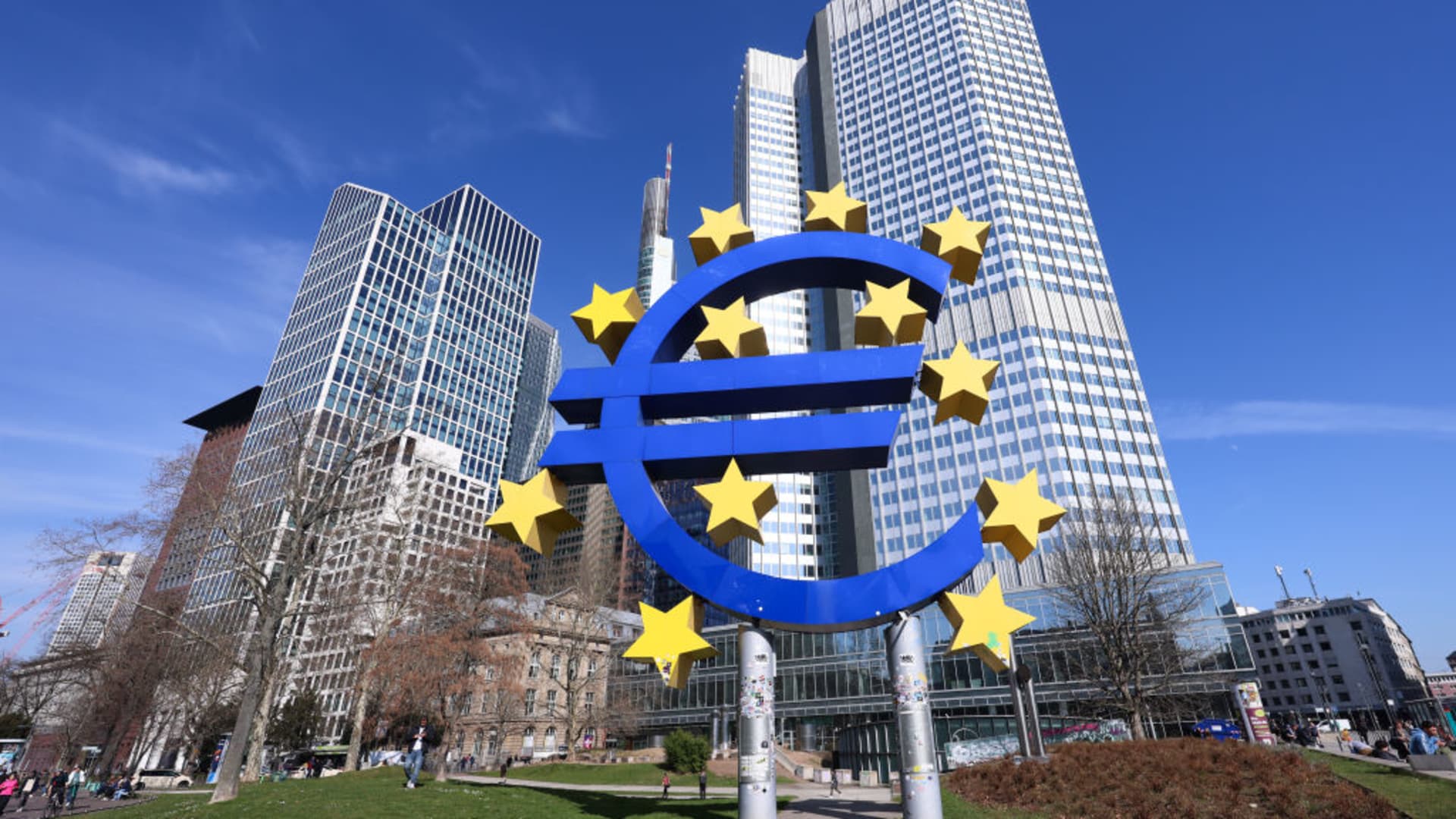
European markets edged higher following the ECB's decision to cut interest rates by 25 basis points, with bond yields falling and stocks showing modest gains. Wise's shares surged 8.4% after reporting strong earnings and announcing a move of its primary listing to the U.S. Additionally, gold and silver prices hit multi-year highs, and German factory orders unexpectedly increased, signaling mixed economic signals in Europe.
Treasury yields faced pressure as European bonds experienced a selloff, raising concerns among investors about interest rates and government borrowing needs. U.S. bond markets were closed for Thanksgiving and had an early finish on Friday.
European bonds fell as Germany plans to suspend debt limits for a fourth consecutive year, raising concerns about increased borrowing amid a slowing euro-area economy. Yields on German 10-year debt rose, along with other core European bonds, following hawkish comments by policymakers. The European Central Bank indicated it won't cut rates while wage growth remains elevated, and officials agreed to raise borrowing costs if necessary. S&P Global's purchasing managers' index showed contraction in November, while European stocks struggled for traction. In other news, crude oil prices dropped as discord within OPEC+ led to a delay in their meeting, dampening speculation of further production cuts. Iron ore also tumbled after Chinese authorities intensified efforts to cool the rally in steelmaking ingredients.