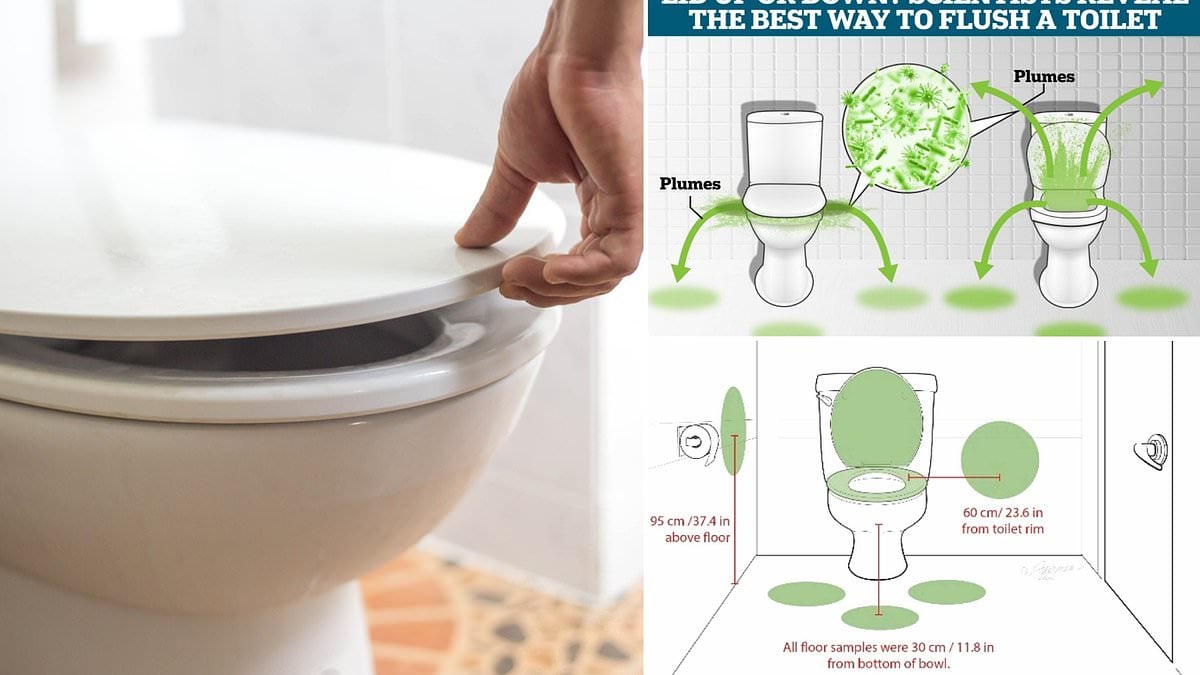
Flushing the toilet releases a plume of aerosolized bacteria and viruses into the air, regardless of whether the lid is up or down. Research shows that the most contaminated areas in the bathroom after flushing include the toilet bowl water, toilet brush, toilet seat, floor surrounding the toilet, and bathroom walls. Regular disinfection of all restroom surfaces, especially after toilet brushing, and the use of a disinfectant with residual microbicidal activity are recommended to minimize the risk of infection, particularly for individuals with compromised immune systems.
A study from the University of Arizona found that closing the toilet lid before flushing does not substantially reduce cross-contamination of bathroom surfaces by airborne bacterial and viral particles. However, adding a disinfectant to the toilet bowl before flushing and using disinfectant dispensers in the tank significantly reduce cross-contamination. The study involved experiments with E. coli and coliphage MS2 in both public and household toilets, and found that rigorous cleaning with a toilet bowl brush and Lysol reduced contamination by 99.99 percent. The researchers recommend the use of disinfectants to reduce restroom cross-contamination associated with toilet flushing, especially in health care facilities and households with active infections.
Vodka can be used as a natural disinfectant to clean and remove stubborn toilet bowl rings. Its cleaning properties make it effective in eliminating grime, mildew, and odors without leaving behind a strong smell. Simply pour ½ cup of vodka into the toilet bowl, scrub with a toilet brush, and let it sit for a few minutes. Vodka can also be used to disinfect other surfaces in the bathroom and remove tough grime marks on the floor.
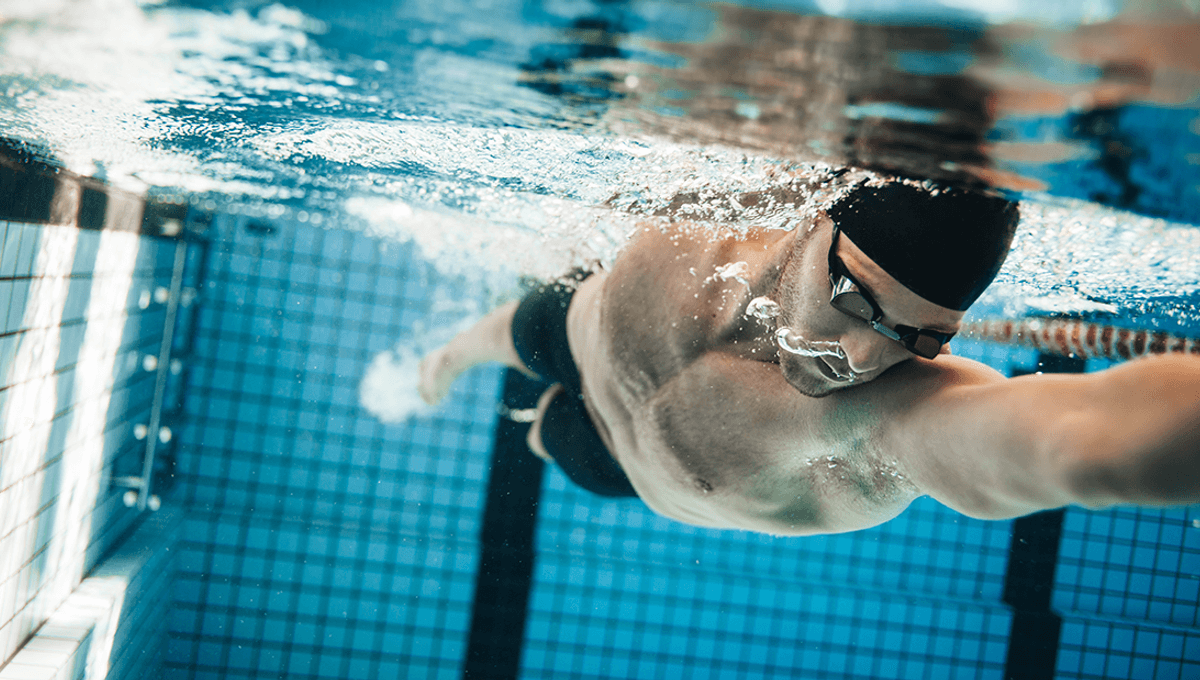
The smell of "chlorine" in a swimming pool is not actually chlorine, but rather chloramines, which are produced when chlorine reacts with ammonia from sweat, body oils, and urine. The stronger the smell, the less free chlorine there is in the pool, meaning it's time to add more chlorine to disinfect it. It's advised to stay out of the water when a strong chemical smell is present, as it can lead to various infections. A team of chemists estimated that in a typical commercial-size pool, about 20 gallons of pee is present, while a typical home pool has around 2 gallons of pee.