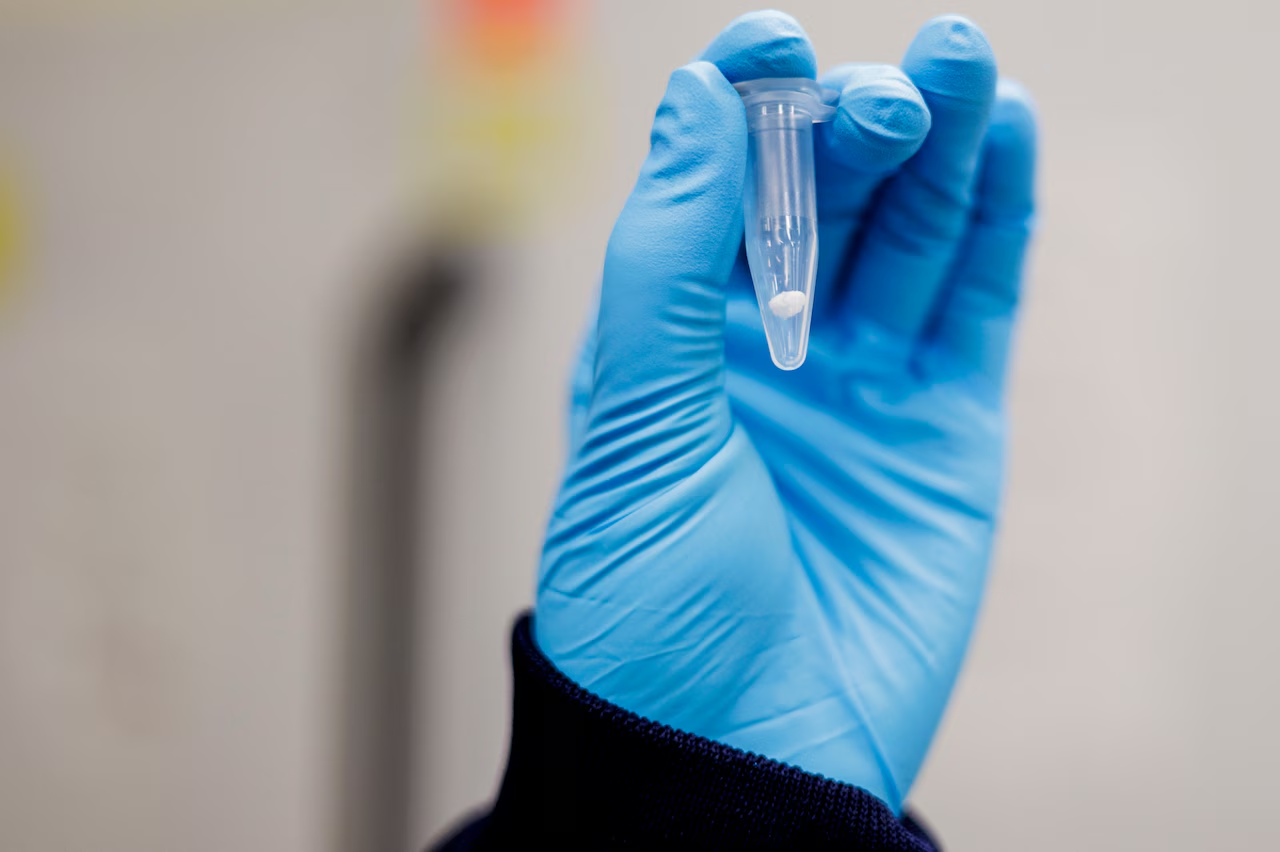
University of Michigan researchers have developed a promising at-home skin cancer test called ExoPatch, which uses micro-needles and a strip test to detect melanoma from interstitial fluid, potentially allowing for earlier and less invasive diagnosis.
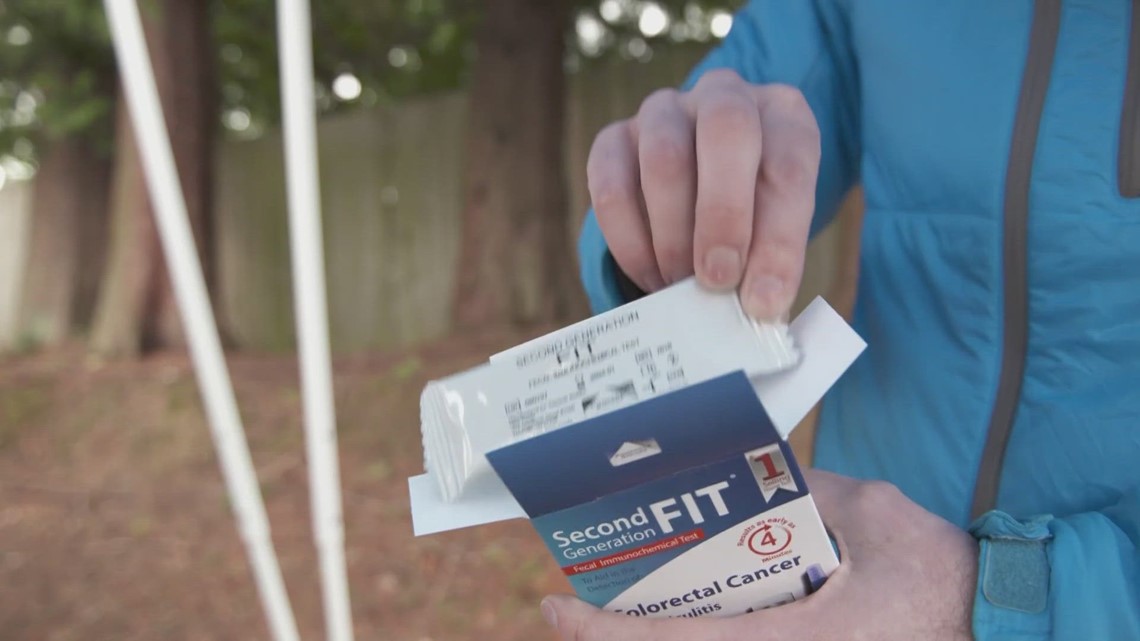
A new at-home fecal immunochemical test (FIT) can detect early-onset colon cancer with up to 92% accuracy, offering a cost-effective way for younger adults to screen before symptoms appear, which is crucial as colon cancer rates rise among under-50s in the US.
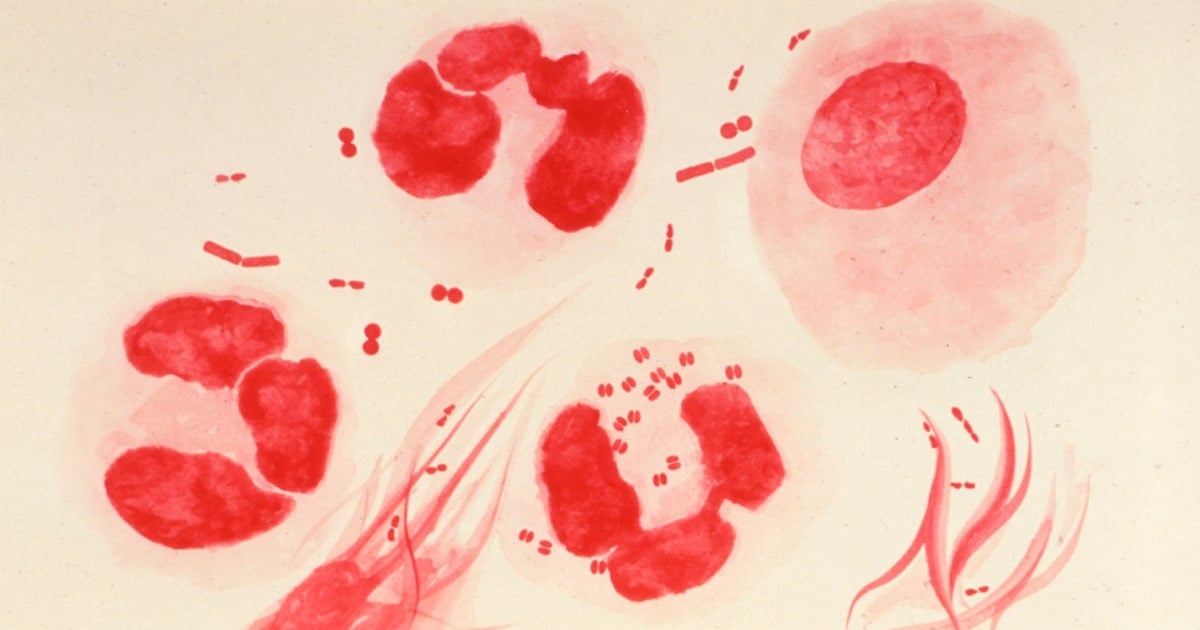
The FDA's approval of an at-home test for chlamydia and gonorrhea could help in the early detection and treatment of these sexually transmitted infections (STIs). However, concerns have been raised about the FDA's proposal to increase regulation of over-the-counter self-testing of STIs, as it may drive up costs and limit access. The newly approved test does not cover syphilis and may not meet the needs of gay and bisexual men. Despite these concerns, experts believe that FDA oversight could legitimize home STI testing, making it easier to obtain insurance coverage and expanding its use. The Simple 2 Test, currently sold for $99, can be activated online and requires samples to be sent to a laboratory for analysis. If the results are positive, the individual is connected with a physician for further treatment.
The FDA's approval of an at-home test for chlamydia and gonorrhea has the potential to improve early detection and treatment of these sexually transmitted infections (STIs). However, concerns have been raised about the FDA's proposal to increase regulation of over-the-counter self-testing of STIs. Some worry that the cost of meeting FDA demands could drive companies out of the market and increase the cost of tests. Additionally, the newly approved test does not cover syphilis and may not adequately address the needs of gay and bisexual men. Despite these concerns, experts believe that FDA oversight could help legitimize home STI testing and expand its use.
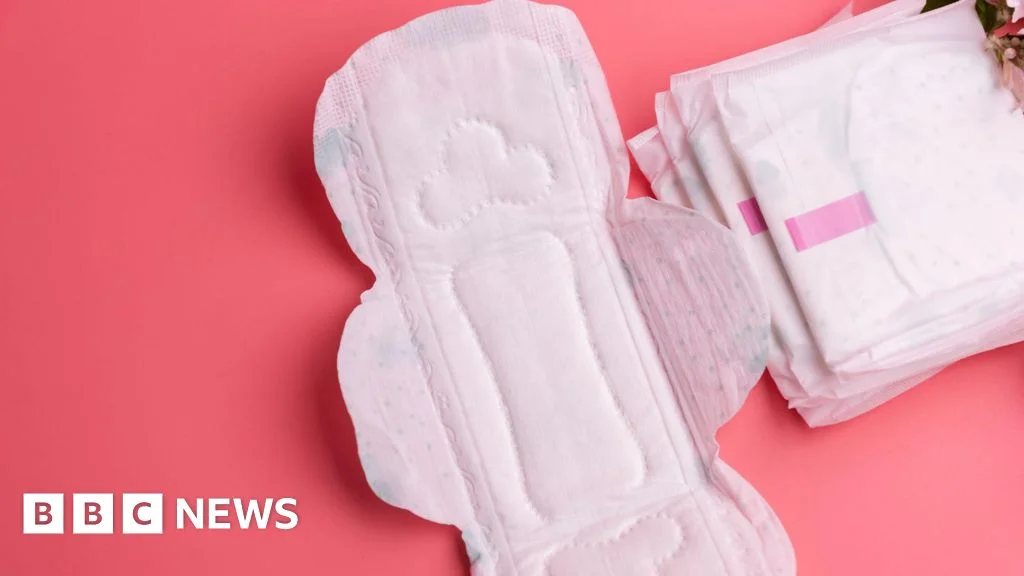
British startup Daye has developed a tampon that can be used as an at-home test for sexually transmitted infections (STIs). The tampon uses a polymerase chain reaction (PCR) test to screen for chlamydia, gonorrhoea, trichomonas, mycoplasma, and ureaplasma. The aim is to make STI testing more accessible and convenient, particularly for women who may feel anxious or embarrassed about getting tested. The tampon is sent to a lab for testing, and results are returned within five working days. While some experts caution against testing for organisms of doubtful clinical significance, Daye's tampon has shown promising results in clinical trials, with a lower test failure rate compared to traditional swabs. The startup also emphasizes the importance of education about restoring a healthy vaginal microbiome to reduce the need for overtreatment.
Clearblue, the maker of pregnancy tests, has released an at-home menopause test kit in the United States. The test, which costs between $20 and $30, detects high levels of follicular stimulating hormone (F.S.H.) associated with the transition to menopause. While some experts are skeptical about its accuracy, others believe it could provide additional data points for women experiencing early stages of menopause. The test requires five urine samples over 10 days and users enter the results into a Clearblue app, which tracks symptoms and determines the stage of menopause transition. However, the company advises users to consult healthcare providers for confirmation and further guidance.
Clearblue has launched the first-ever at-home menopause test, called the Clearblue Menopause Stage Indicator. The test combines a woman's urinary follicle-stimulating hormone (FSH) measurements with her age and menstrual cycle history to determine her likely stage of menopause. Users take five FSH urine tests over a 10-day period and record the results in the Clearblue app, which generates a personalized report. The test aims to provide women with personal knowledge about their menopause journey and facilitate conversations with healthcare professionals. The Clearblue Menopause Stage Indicator is available at retailers and drugstores nationwide for $29.99.
Cognitive health experts are endorsing a simple and free at-home test called the "clock-drawing method" to assess early symptoms of dementia. The test involves drawing a clock face with numbers and clock hands pointing to a specific time. Inability to complete the task accurately indicates mental decline and should prompt further investigation. Acting early on identifying symptoms is crucial, as there is currently no cure for dementia.
A new at-home test for bowel cancer can detect the disease in its earliest stages by analyzing a stool sample to examine the DNA of any tumor, rather than looking for signs of blood. The test has a survival rate greater than 91% if detected early. Developed by Germany-based Mainz BioMed, the test focuses on the DNA of the cancer, which shows up in faeces much earlier than blood. One in 15 men and one in 18 women will be diagnosed with the cancer in their lifetime, according to Cancer Research UK.
Doctors urge patients with average risk to begin screening for colorectal cancer starting at age 45, as cases among younger people are rising. Those with average risk may take an annual, at-home test such as the fecal immunochemical test (FIT), which looks for microscopic blood in the stool, or a colonoscopy every ten years. Symptoms such as constipation, bloating, and nausea should not be ignored, and patients should communicate any concerns with their doctor. Preventative screening measures for colon cancer are covered by the Affordable Care Act.