Researchers developed a targeted antibody against SFRP2 that disrupts survival mechanisms of triple-negative breast cancer, reprograms immune cells to fight the tumor, and shows promise in preclinical models, including resistant and metastatic cases, paving the way for potential new treatments.
Northwestern scientists discovered that pancreatic tumors use a sugar-based disguise to evade the immune system by signaling 'don't attack,' but they developed a monoclonal antibody that blocks this signal, reactivating immune cells to attack the cancer in preclinical models, paving the way for potential new treatments.
The European Medicines Agency has approved Lecanemab, a drug targeting the cause of Alzheimer's disease, marking a potential turning point in its treatment. Developed by BioArctic and Eisai, Lecanemab aims to delay Alzheimer's progression by removing beta-amyloid plaques in the brain. While it offers hope, the drug's benefits are limited, delaying symptoms by about five months, and it poses risks like brain hemorrhages. The approval highlights the ongoing challenges and potential of antibody therapies in Alzheimer's treatment, with further research and infrastructure needed for widespread application.
Researchers have discovered that an age-associated imbalance in hematopoietic stem cells (HSCs) is responsible for the decline in immune function in older individuals. By restoring a youthful balance of these cells using antibody injections, scientists were able to rejuvenate the immune systems of older mice, enabling them to better fend off viral attacks, borrowing an idea from cancer immunotherapy.
A landmark clinical trial funded by AstraZeneca has found that benralizumab, a monoclonal antibody treatment, can significantly reduce the need for high-dose steroid treatments in patients with severe eosinophilic asthma. The study showed that 92% of patients safely reduced their use of inhaled steroids, with over 60% no longer needing them at all. Benralizumab works by targeting and reducing inflammation-causing immune cells called eosinophils. However, the researchers caution that these results only apply to a specific type of asthma, and patients who do not respond as well to benralizumab may still require intensive steroid treatments.
Researchers from Duke University have conducted a promising study on mice, using an antibody called dimeric IgA (digA) to target mutated proteins in cancer cells. This approach, which aims to neutralize tumor-promoting molecules and halt tumor growth, showed fewer side effects compared to common cancer treatments like chemotherapy and radiotherapy. The antibody was effective in reducing tumors in mice with lung and colon cancer, and researchers are refining it for future clinical trials. This antibody therapy has the potential to be used as targeted treatment for various cancers, including ovarian, skin, colon, cervical, prostate, breast, and lung cancer.
Scientists at Scripps Research have developed an antibody therapy that effectively reverses the life-threatening effects of the potent opioid carfentanil in preclinical tests. The antibody, in single-chain fragment variable (scFv) format, binds tightly to carfentanil and other fentanyl variants, and when administered shortly after an overdose, it reverses the potentially deadly respiratory depression caused by carfentanil. This antibody therapy could provide a longer-lasting and more powerful treatment for synthetic opioid overdoses compared to existing options. The researchers have licensed the rights to further develop and market the antibody to a pharmaceutical company, with clinical trials planned to begin this month.
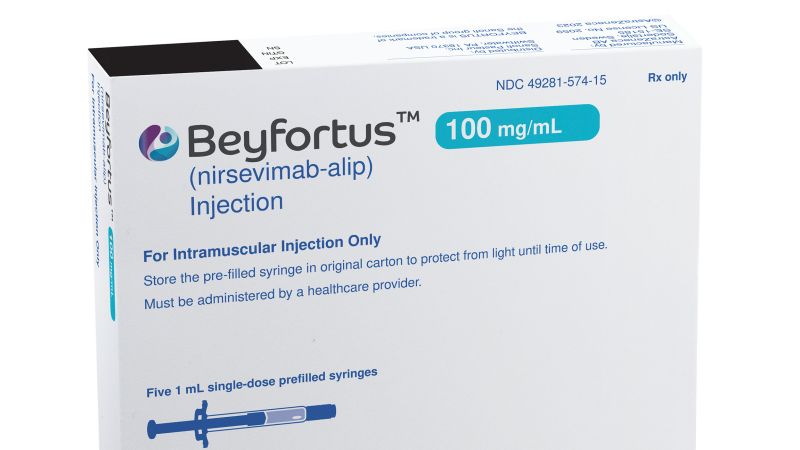
The Advisory Committee on Immunization Practices (ACIP) has unanimously recommended a new antibody shot to protect all infants under 8 months of age against severe respiratory syncytial virus (RSV), the leading cause of hospitalization in children under one year old. ACIP also recommended a second dose of nirsevimab for certain infants aged 8 to 19 months with underlying health issues. The shot, marketed as Beyfortus, is the first product available to protect all newborns against RSV. The recommendations will expand access to the therapy, which can be costly, and insurance plans are mandated to cover ACIP-recommended immunizations with no cost sharing. Clinical trials showed the injection reduced the risk of hospitalization due to RSV by about 75% and prevented the need for intensive care for babies with RSV by 90%.