
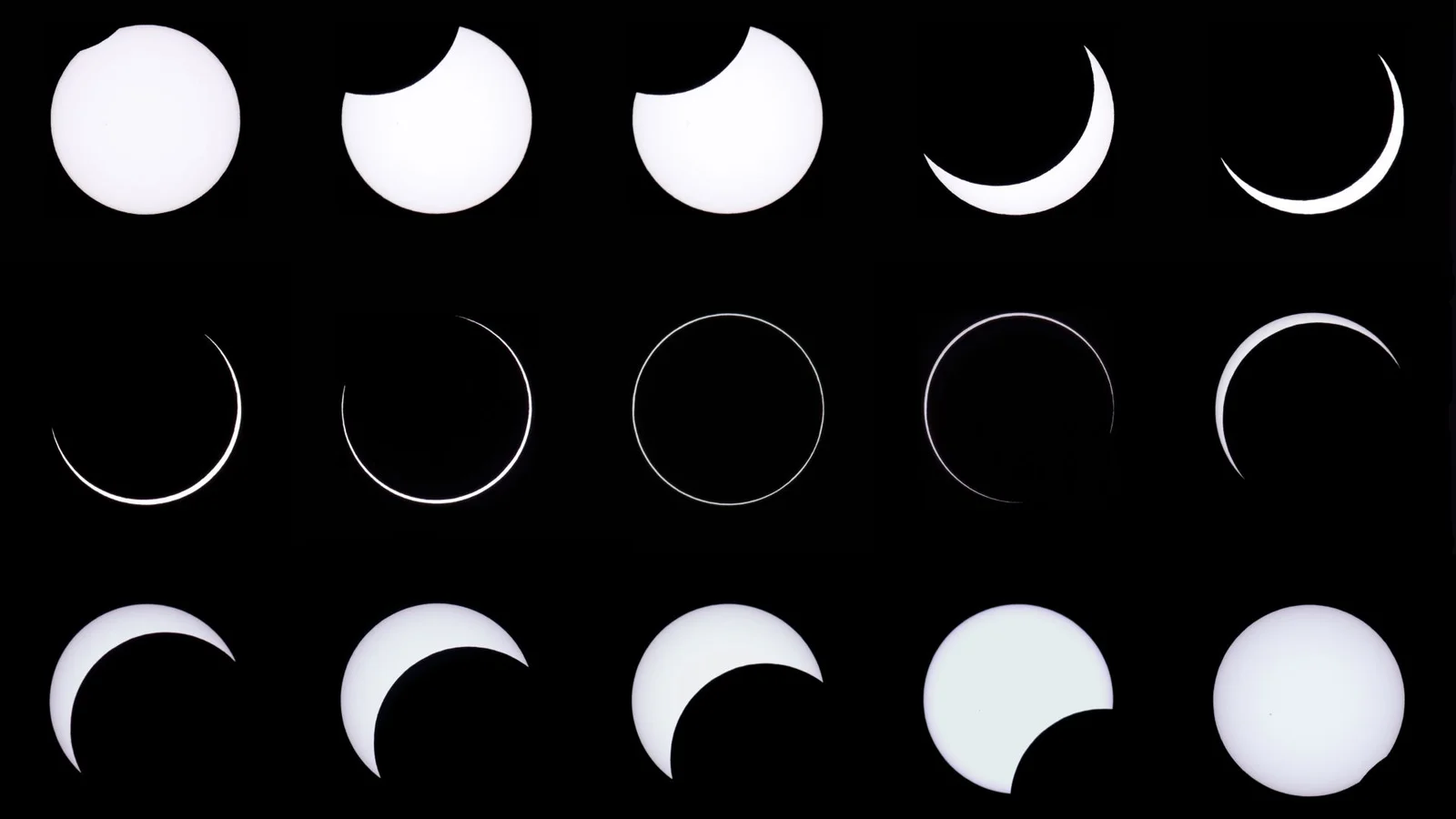
Antarctica witnesses a brief 'ring of fire' during February's annular eclipse
TL;DR Summary
An annular solar eclipse swept across a remote Antarctic corridor on Feb. 17, producing a ring of fire as the Moon partially obscured the Sun. Annularity lasted a little over two minutes along a ~383‑mile-wide path that included the Concordia research station, with a partial eclipse visible to about 176 million people in southern South America and southern Africa. The event ended around 9:27 a.m. EST. The article notes the next major sky show will be the total lunar eclipse on March 3, 2026, expected to be viewable by billions of people, offering a different kind of celestial spectacle.
Topics:science#annular-solar-eclipse#antarctica#astronomy#concordia-research-station#ring-of-fire#space
- A 'ring of fire' just appeared in the sky over Antarctica. Here's what happened during today's annular solar eclipse Space
- ‘Ring of fire’ solar eclipse: February 2026 path, visibility over Antarctica and partial eclipse for South Africa CNN
- How the New Moon will influence your sign in February 2026 Vogue Australia
- A ring of fire solar eclipse is visible this week. This is all you need to know about one of 2026's biggest events BBC Sky at Night Magazine
- A solar eclipse is coming tomorrow. Why isn’t anyone talking about it? OregonLive.com
Reading Insights
Total Reads
1
Unique Readers
12
Time Saved
50 min
vs 51 min read
Condensed
99%
10,160 → 99 words
Want the full story? Read the original article
Read on Space