Tag

Amyloid Hypothesis

All articles tagged with #amyloid hypothesis

science2 years ago

"Rethinking Life's Origin: The Amyloid Hypothesis"

New research suggests that amyloids, which can form under early Earth conditions and bind with RNA and DNA, may have played a crucial role in the emergence of life by increasing molecular stability and promoting cooperation. The study demonstrates that amyloids can bind with molecules of both RNA and DNA, potentially representing a precursor to the universal genetic code. The interactions between amyloids and genetic material increase stability, which may have provided a significant advantage in the ancient, dilute environment, suggesting that molecular cooperation, rather than competition, could have been the decisive factor in the origin of life.


health2 years ago

Alzheimer's Research Faces Crisis as Major Drug Trials Continue to Fail

Two major drug trials testing the effectiveness of gantenerumab, a drug designed to clear amyloid beta proteins in the brain, have failed to show significant improvements in cognitive function for people with early Alzheimer's disease. While the drug successfully reduced amyloid plaque burden, it did not translate into slower clinical decline. These results come at a critical juncture for the amyloid hypothesis, which has been the dominant theory for Alzheimer's disease. Controversial drug approvals based on thin evidence and mixed results from other anti-amyloid drugs have raised doubts about the effectiveness of targeting amyloid beta proteins. The search for effective treatments for Alzheimer's disease continues.

health2 years ago

"Unveiling Promising Alzheimer's Treatments through Protective Genetic Mutations"

Genetic mutations in certain genes can either directly cause Alzheimer's disease or increase the risk of developing it. However, recent research has discovered protective gene variants that can suppress the pathological brain changes associated with Alzheimer's, leading to a significant delay in cognitive decline. These findings offer hope for the development of new treatments that can slow down or prevent the onset of Alzheimer's symptoms. While the amyloid hypothesis, which focuses on the role of amyloid plaques in the disease, has faced skepticism and failed clinical trials, recent successes with treatments targeting amyloid plaques provide support for this hypothesis and suggest the need for additional strategies in Alzheimer's treatment.

health2 years ago

Unraveling the Genetic Secrets of Alzheimer's Disease: How Mutations Can Slow the Decline

Genetic mutations in certain genes can either directly cause Alzheimer's disease or increase the risk of developing it. However, recent research has shown that some genetic variants can actually slow down or prevent cognitive decline associated with the disease. These protective gene variants can disrupt the link between amyloid plaques and neurofibrillary tangles, two key markers of Alzheimer's. Understanding how genes affect brain chemistry is crucial for developing interventions to delay or prevent cognitive decline. While the amyloid hypothesis has faced skepticism, recent successes in treatments that remove amyloid plaques provide support for this theory. Additional research is needed to identify new therapies that can mimic the protective effects of certain genetic variants and potentially prevent or delay the onset of Alzheimer's disease.

health2 years ago

"Experts Discuss Pioneering Alzheimer's Treatment and Canada's Readiness for Emerging Therapies"

Researchers have announced that the drug donanemab shows promise in significantly slowing the progression of Alzheimer's disease by clearing toxic amyloid proteins from the brain. While this represents an important breakthrough in dementia research, experts caution that the benefits may be smaller than initially reported, with an average rate of mental decline slowing by around 35%. The drug does not stop the progression of Alzheimer's or improve patients' conditions, but it may provide a few extra months of stability. Donanemab has shown some side effects, including brain swellings and bleeds, and further research is needed to understand the risks and long-term effects. The drug has not yet been approved for use and will undergo further evaluation before becoming available.

neuroscience2 years ago

Amyloid Hypothesis for Alzheimer's Supported but Alternative Treatment Suggested

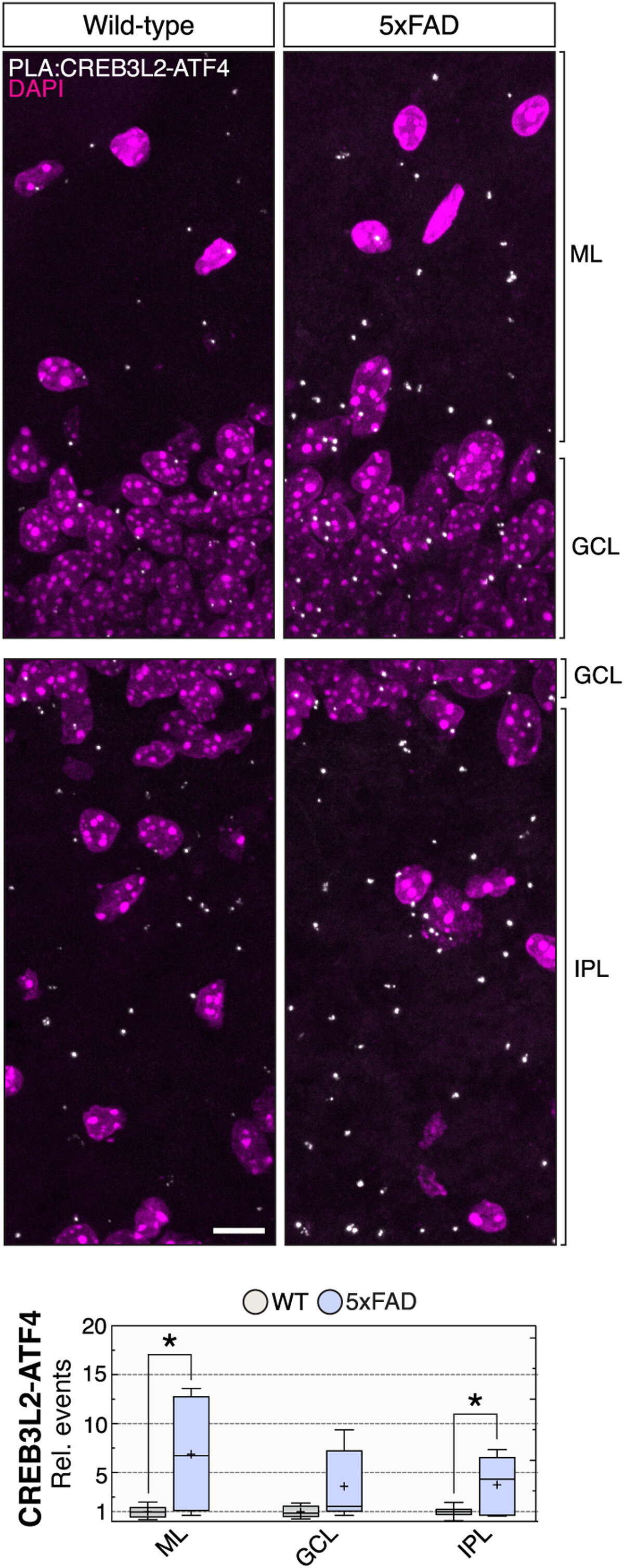
A new study provides additional evidence for the “amyloid hypothesis” of Alzheimer’s disease, reporting amyloid beta sparks an alliance between two proteins in neurons. This pairing is linked to half of the gene changes associated with Alzheimer’s disease. The protein pair, CREB3L2 and ATF4, could be a good target for a new therapy. The findings suggest that Alzheimer’s could be treated by interfering with the CREB3L2-ATF4 pair. The researchers have already identified a drug, dovitinib, that interferes with the effects of the protein pair.

health2 years ago

Amyloid Hypothesis Challenged by Brain Shrinkage with Alzheimer's Drugs

A new study supports the "amyloid hypothesis" that Alzheimer's is caused by the accumulation of beta-amyloid proteins in the brain. Researchers found that amyloid triggers an alliance between two proteins in the brain's neurons, which is linked to about half of the gene changes that occur in the disease, leading to the rapid accumulation of tau proteins, a primary driver of neurodegeneration in the disease. The protein pair, CREB3L2-ATF4, is a good target for a new therapy, and a drug, dovitinib, has been identified that interferes with the effects of the protein pair, which could slow or stop the progression of the disease.