Tag

Marine Heatwave

All articles tagged with #marine heatwave

Silent North Pacific: 'The Blob' Triggers Unprecedented Murre Die-off in Alaska
science1 month ago

Silent North Pacific: 'The Blob' Triggers Unprecedented Murre Die-off in Alaska

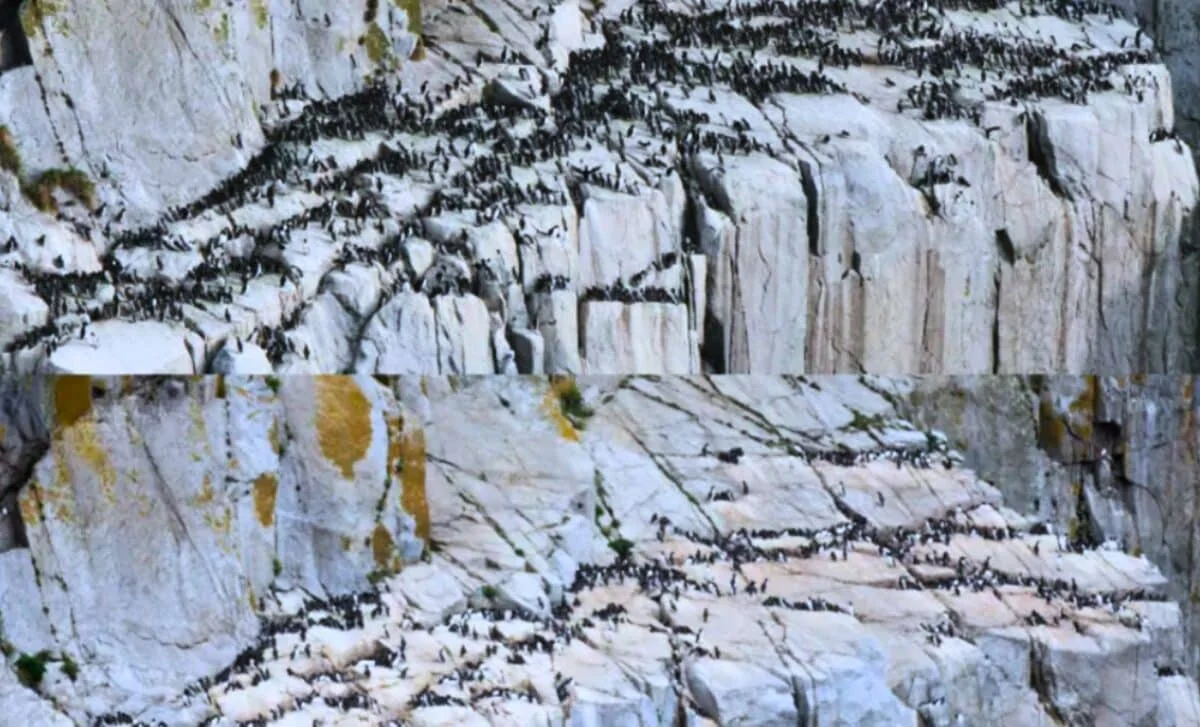
A prolonged marine heatwave nicknamed 'The Blob' warmed North Pacific waters by up to 5.5°C, wiping out about 4 million common murres across Alaska from 2015–2016—the largest known die-off of a single vertebrate species—causing widespread reproductive failure, disrupted food webs, and cascading impacts on fisheries and top predators; no recovery has been observed through 2025.
Scientists Warn of Rising Ocean Temperatures and Coral Reef Deterioration
environment6 months ago

Scientists Warn of Rising Ocean Temperatures and Coral Reef Deterioration

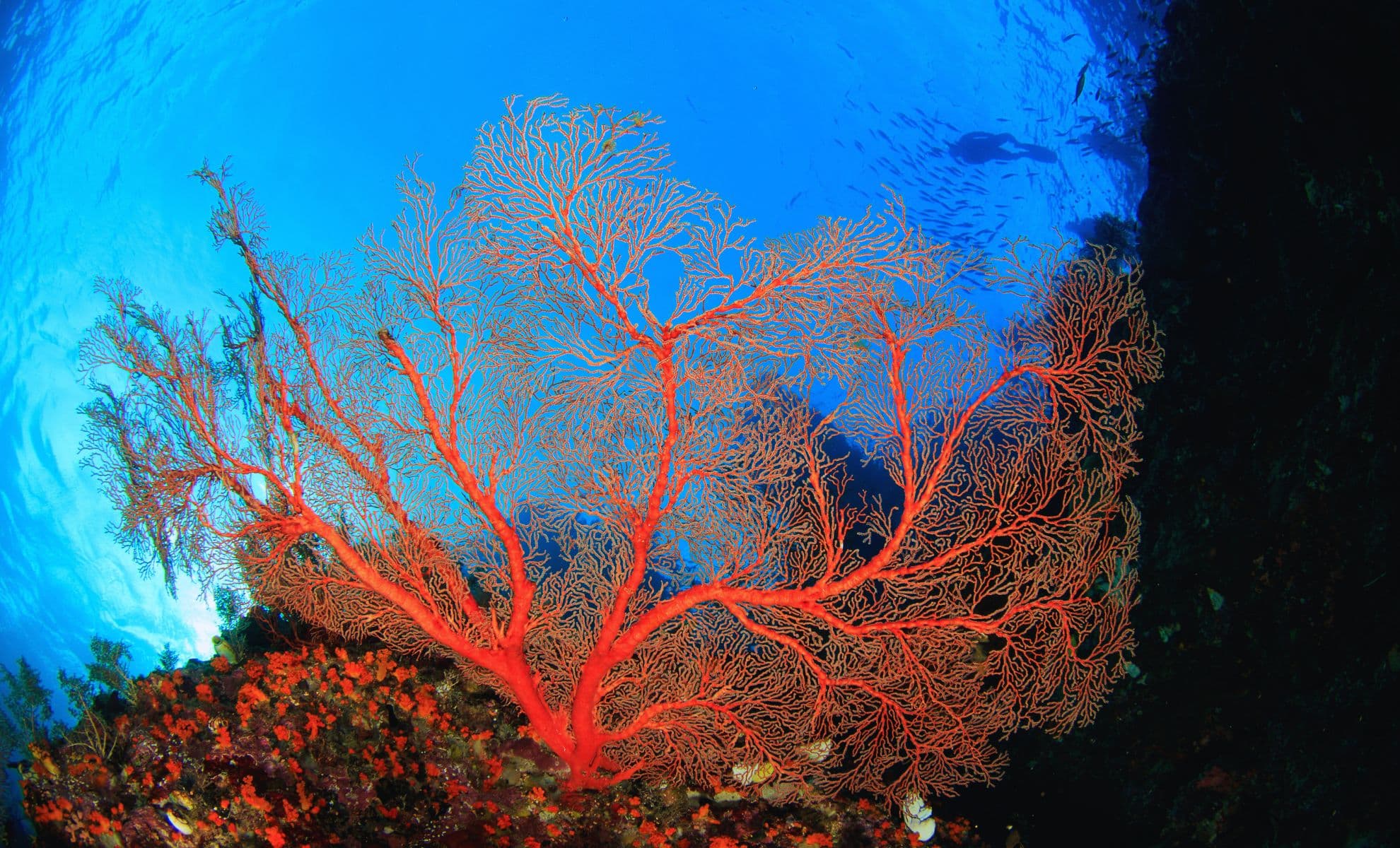
Scientists warn that unprecedented marine heatwaves, likened to 'underwater bushfires,' are causing severe coral bleaching at Ningaloo Reef and the Great Barrier Reef, driven by global warming and local fossil fuel projects, threatening marine ecosystems and local economies. Efforts are underway to monitor and develop resilient corals, but urgent action to reduce emissions is critical to prevent irreversible damage.

Alaska's Crabs Vanish: Warm Ocean and Closure Impact Fisheries
environment2 years ago

Alaska's Crabs Vanish: Warm Ocean and Closure Impact Fisheries

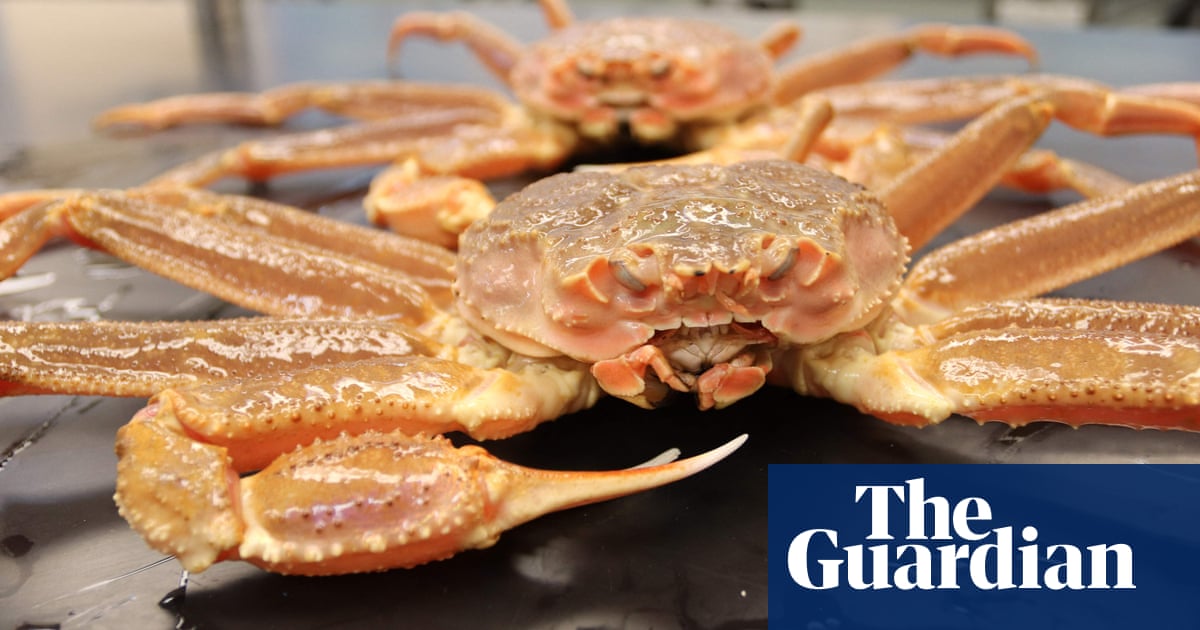
Billions of snow crabs in Alaska have disappeared due to warmer ocean temperatures, according to a study by the National Oceanic and Atmospheric Administration. The change in water temperature increased the crabs' caloric needs, leading to mass starvation. Record-breaking ocean temperatures in 2018 and 2019 initially caused a boom in the snow crab population before it sharply declined in 2022. The phenomenon is a result of the climate crisis, with the warming Arctic temperatures contributing to the decline in the species. The shortage of snow crabs has economic consequences, impacting the Alaskan commercial fishing industry and leading to the closure of crucial harvests.

"Coastal Heatwave Alert: Oregon and Washington Brace for Extreme Temperatures"
environment2 years ago

"Coastal Heatwave Alert: Oregon and Washington Brace for Extreme Temperatures"

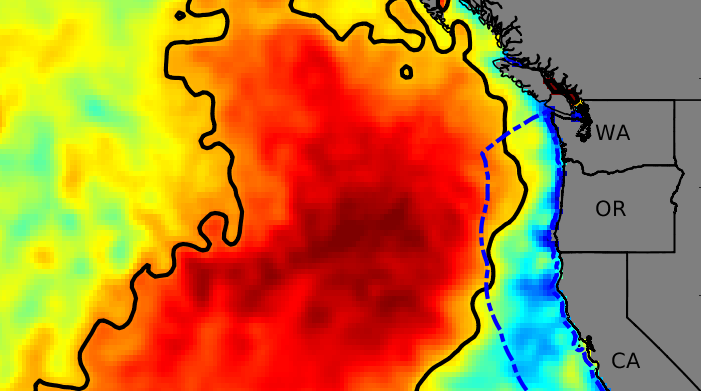
An "extreme" marine heatwave, categorized as a category 4, is approaching the Oregon and Washington coasts, causing surface temperatures to be 7.2 degrees warmer than the regional average. This heatwave is impacting marine life and leading to the multiplication of algae that produce the potentially deadly neurotoxin domoic acid. The warmer temperatures are harmful to local ecosystems, potentially leading to closures of shellfish harvesting and negatively impacting fish species, including salmon. The heatwave is an extension of a previous one and is less severe than the massive heatwave known as "the Blob" that occurred between 2013 and 2016. NOAA researchers predict that the emerging El Niño pattern will further intensify ocean warming in the Pacific, affecting coastal ecosystems and marine life.

Marine Heatwave Sweeps North Atlantic in Unprecedented Event
environment2 years ago

Marine Heatwave Sweeps North Atlantic in Unprecedented Event

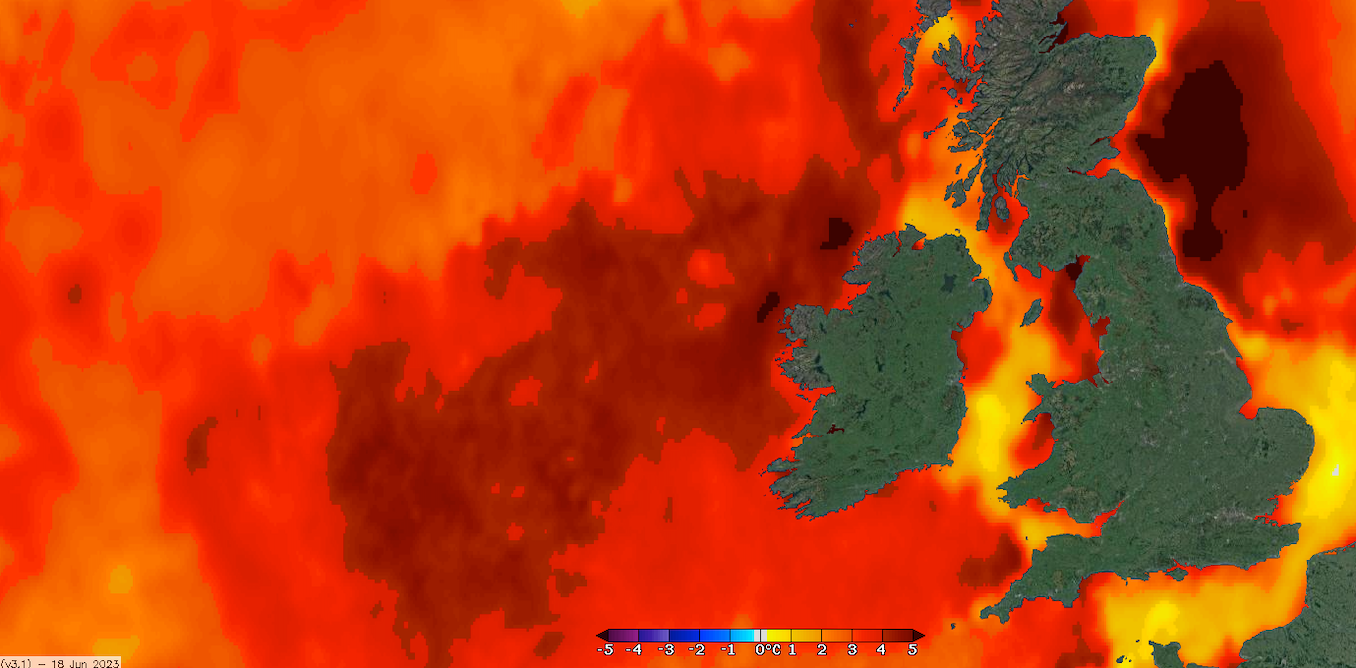
The US National Oceanic and Atmospheric Administration has classified the marine heatwave in the shallow seas around the UK and Ireland as a "Category 4" heatwave, which is rarely used outside of the tropics and means "extreme" heat. The heatwave is strongest in the northern North Sea, northwest of Ireland, and the Celtic Sea between Cornwall and southern Ireland, with surface water temperatures 4°C to 5°C above normal for mid-June. This could potentially harm fish and plankton populations, which are dependent on nutrients mixed up from the deep water into the surface layer. Climate change is already affecting these seas, and this extreme heatwave may be a sign of further changes to come.

Marine Heatwave Threatens UK and Irish Coasts in Unprecedented Event.
environment2 years ago

Marine Heatwave Threatens UK and Irish Coasts in Unprecedented Event.

An unprecedented marine heatwave off the coasts of the UK and Ireland is posing a significant threat to marine species, with sea temperatures several degrees above normal, breaking records for late spring and early summer. The US National Oceanic and Atmospheric Administration has categorized parts of the North Sea as being in a category four marine heatwave, which is considered "extreme," with areas off the coast of England up to 5C above what is usual. The Met Office says temperatures are likely to remain high because of the emerging El Nino weather phenomenon.