MIT SMR columnists Thomas Davenport and Randy Bean identify five key AI trends for 2026, including the deflation of the AI bubble impacting the economy, the rise of 'AI factories' for faster AI development, the shift of GenAI to an enterprise resource, the potential of agentic AI despite current overhype, and ongoing debates about AI management roles within organizations.
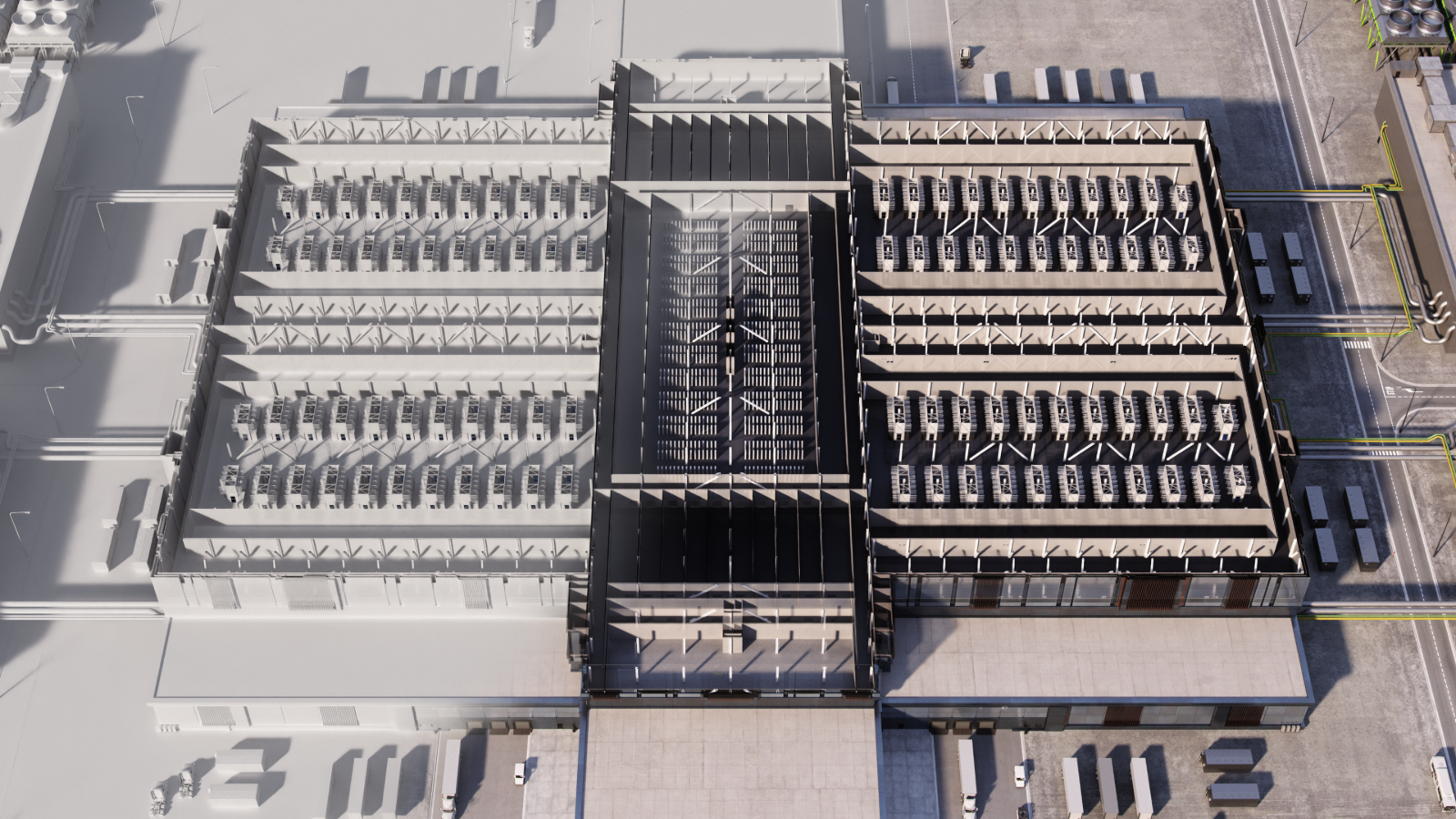
NVIDIA is collaborating with US government labs and leading companies to build advanced AI infrastructure across the US, including new supercomputers at national labs and AI factories, to accelerate scientific discovery, technological leadership, and the next industrial revolution.
Vertiv's stock (VRT) surged following an announcement about a significant power supply deal for Nvidia's AI manufacturing facilities, indicating a major business development in the tech infrastructure sector.
Nvidia is making a $100 billion investment in large-scale AI factories to support the development and deployment of ChatGPT and similar AI technologies, signaling a major commitment to advancing AI infrastructure.
NVIDIA is investing up to £11 billion in the UK to build the largest AI infrastructure rollout in the country's history, including AI factories, quantum computing initiatives, and workforce upskilling, aiming to position the UK as a global leader in AI and technological innovation.
Nvidia CEO Jensen Huang predicts a tenfold increase in Europe's AI computing capacity over the next two years, with plans for over 20 large AI factories, aiming to address infrastructure gaps and boost AI development across the continent.
Nvidia CEO Jensen Huang predicts a tenfold increase in Europe's AI computing capacity over the next two years, with plans for over 20 AI factories and significant investments in AI infrastructure across Europe, including collaborations with local companies and government support, aiming to boost regional AI development and sovereignty.
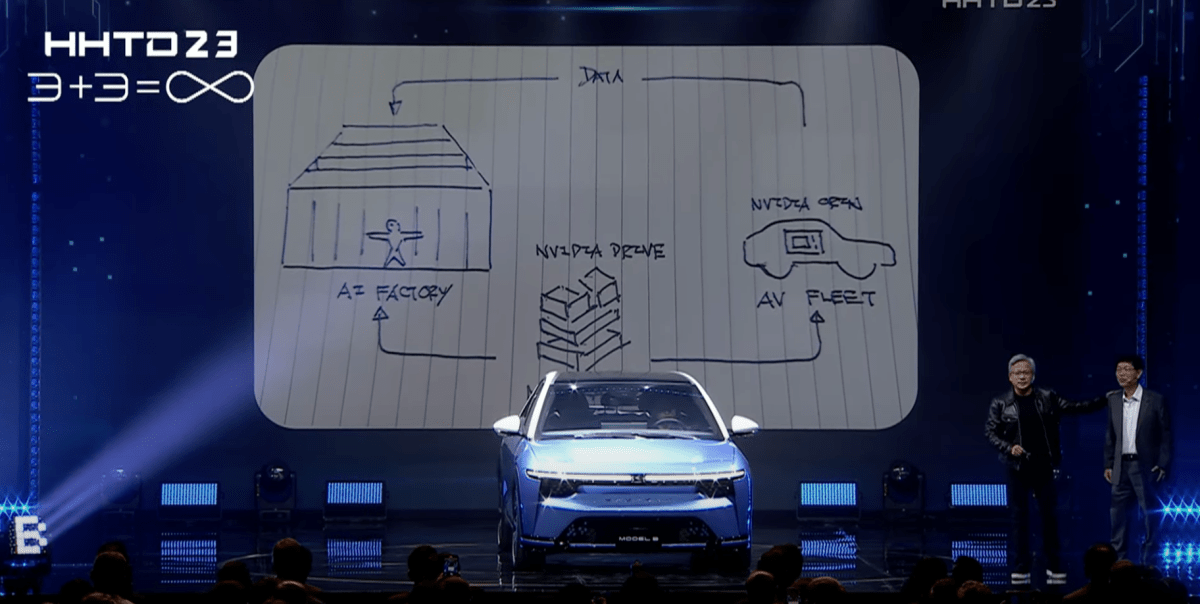
Nvidia and Foxconn have announced a collaboration to build "AI factories," data centers that will provide supercomputing capabilities to accelerate the development of self-driving cars, autonomous machines, and industrial robots. The AI factories will be based on Nvidia's GPU computing infrastructure and will process vast amounts of data to refine and transform it into valuable AI models and information. The partnership builds on their previous agreement to develop autonomous vehicle platforms, with Foxconn becoming a primary supplier of electronic control units (ECUs) built with Nvidia's Drive Orin and Drive Thor systems-on-a-chip (SoCs). Foxconn aims to scale the AI factories across various industries, including smart EVs, smart cities, and smart manufacturing.