
Understanding the Significance of Isotopes' Half-Lives
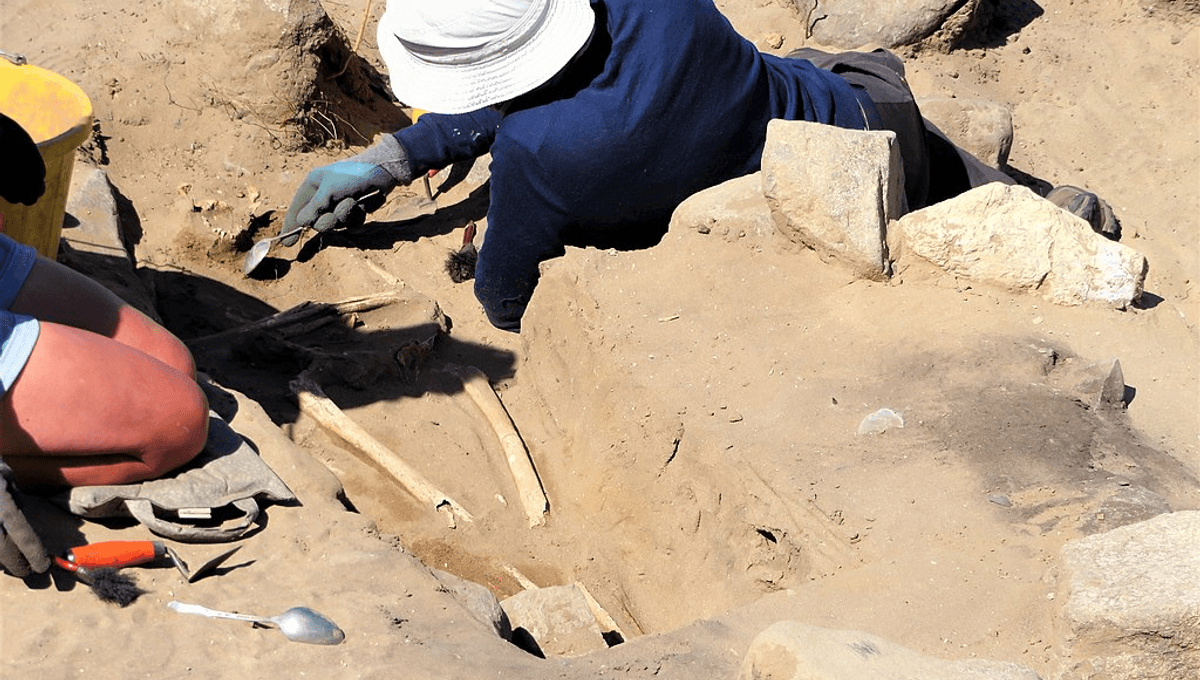
Isotopes have unique half-lives, which is the time it takes for half of the atoms in a radioactive isotope to decay. This concept has revolutionized our ability to measure ages and identify illnesses. Carbon-14, a commonly used isotope, has a half-life of 5,700 years and is used to date fossils and authenticate ancient relics. However, carbon dating has limitations for objects millions of years old, and changes in atmospheric carbon ratios due to human activities may affect its accuracy. Other isotopes with longer half-lives are used to estimate the age of older objects, while isotopes with shorter half-lives are used for medical imaging and scientific experiments.
Reading Insights
0
1
5 min
vs 6 min read
90%
1,065 → 106 words
Want the full story? Read the original article
Read on IFLScience