health-cancer-research3.035 min read
"Connecting Accelerated Aging and Early-Onset Cancers: Unveiling the Link"
1 year ago•Source: SciTechDaily

The latest health cancer research stories, summarized by AI

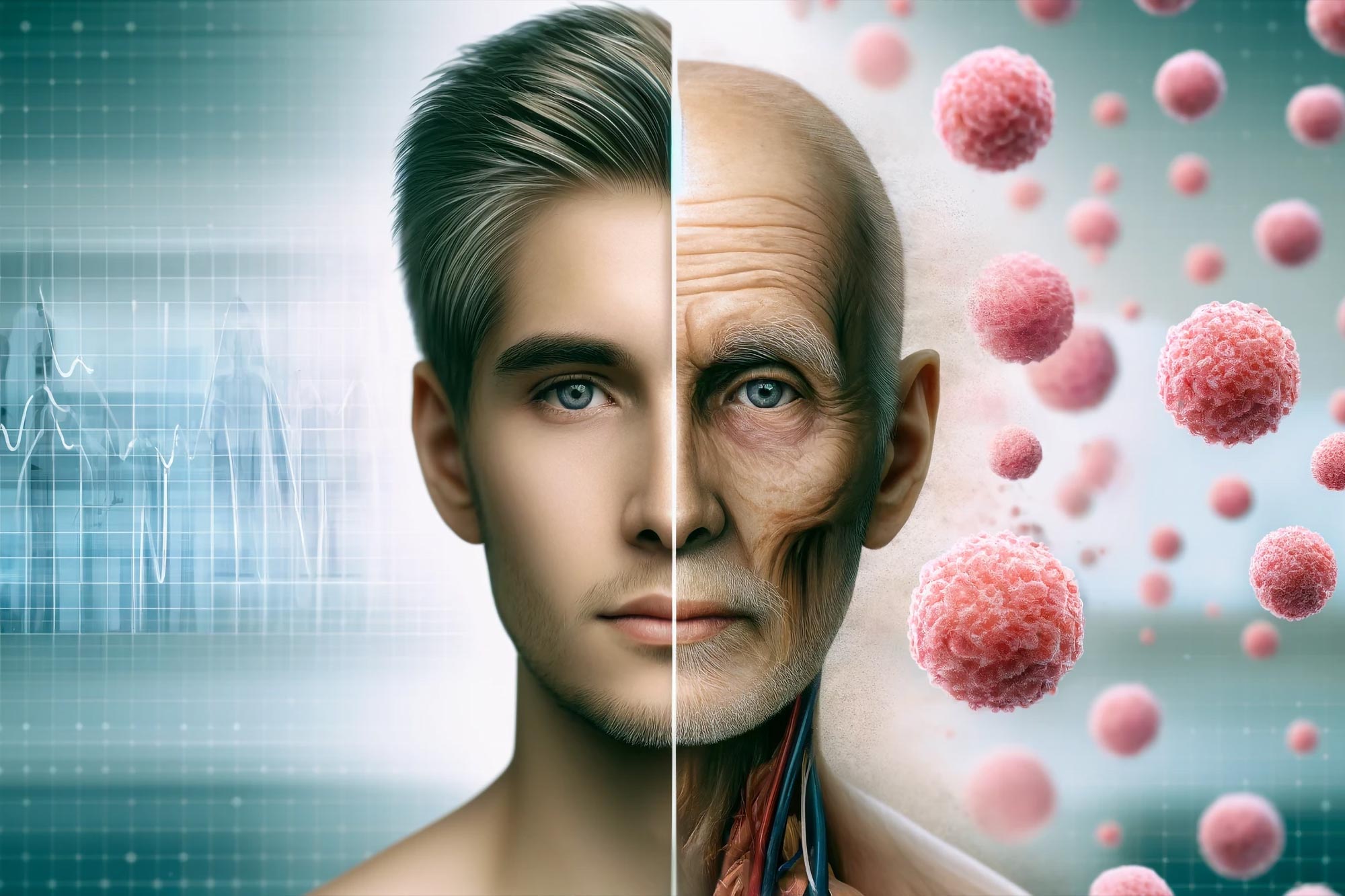
Cases of cancer in young, otherwise healthy people have increased by 30% in the last 20 years, with researchers from Washington University in St Louis finding that these generations have cells and tissues in their body that are biologically older than their chronological age, potentially due to factors such as diet, physical activity, mental health, and environmental stressors. A simple blood test and algorithm could be used to identify those at higher risk of cancer due to accelerated aging, allowing for individualized screening and lifestyle recommendations. Lifestyle factors such as smoking, poor diet, lack of sleep, and obesity have been linked to accelerated aging and increased cancer risk, particularly for lung, gastrointestinal, and uterine cancers. Additionally, a rise in colon cancer cases among young adults has been linked to poor diets and aggressive forms of the disease.
The Guardian•1 year ago
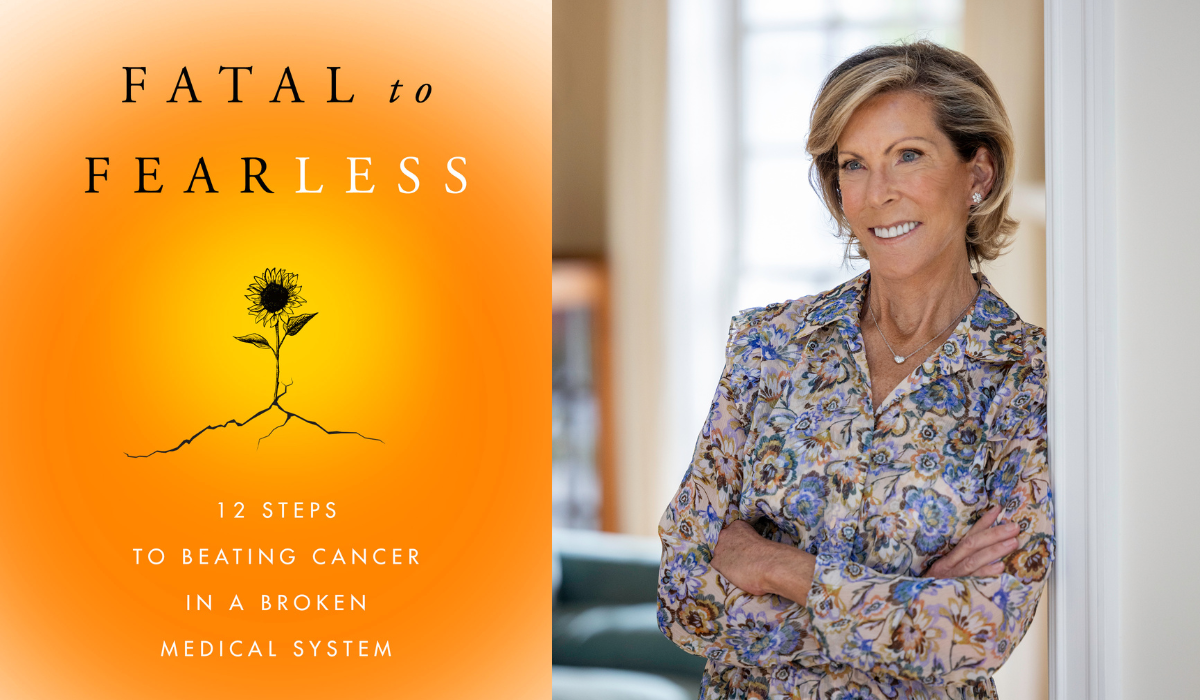
Kathy Giusti, a two-time cancer survivor, shares her journey from a fatal diagnosis to fearless activism in cancer research and patient advocacy. She emphasizes the importance of patients taking charge of their healthcare, understanding their disease, and respecting caregivers' needs. Giusti's new book, "Fatal to Fearless," offers 12 steps to navigate the broken medical system and provides insightful advice for anyone facing a life-changing illness. As the founder of the Multiple Myeloma Research Foundation, she has raised over $500 million for research and helped develop treatments, emphasizing the power of patient involvement in research and healthcare disruption.

Former NBC correspondent Kristen Dahlgren left her dream job to launch the Pink Eraser Project, aiming to accelerate breast cancer vaccines after learning about promising research from Dr. Nora Disis. The project seeks to streamline funding and collaboration to bring safe and affordable breast cancer vaccines to fruition, potentially changing the landscape of breast cancer treatment worldwide.
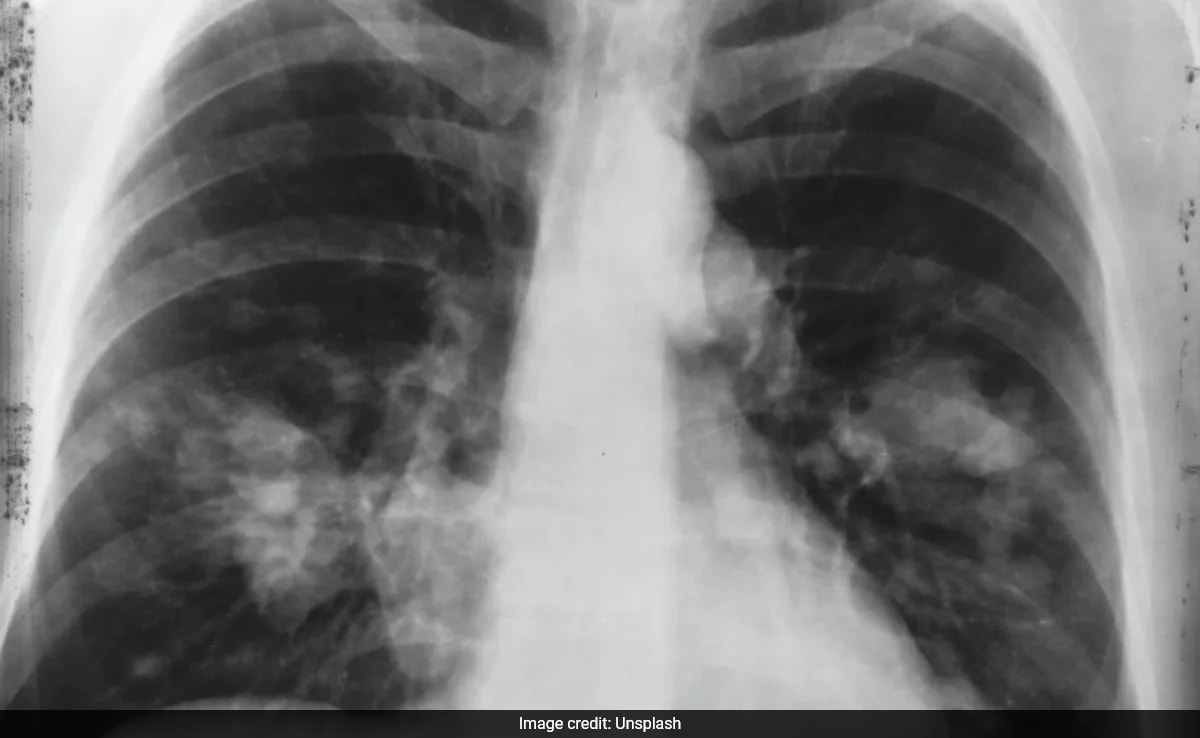
Scientists at Queen Mary University in the UK have developed a new drug, ADI-PEG20, which has shown promising results in treating mesothelioma, a deadly cancer caused by asbestos exposure. The drug, which works by cutting off the tumor's food supply, has quadrupled three-year survival rates and increased average survival by 1.6 months. This breakthrough marks the first successful combination of chemotherapy with a drug that targets cancer's metabolism for this disease in 20 years, offering hope for improved treatment outcomes for mesothelioma patients.

Scientists have discovered that mutations in mitochondrial DNA can predict a patient’s response to immunotherapy, potentially leading to more personalized and effective cancer treatments. This groundbreaking study shows that mitochondrial DNA mutations are key indicators of a patient’s likelihood to respond to immunotherapy, revolutionizing cancer treatment approaches. The discovery opens up new ways to identify patients who could benefit most from immunotherapy by testing for mitochondrial DNA mutations, and could lead to the development of treatments that disrupt the energy sources cancer uses to spread and grow. This research has the potential to make treatment-resistant cancers sensitive to immunotherapy, allowing thousands more cancer patients to benefit from this pioneering treatment.
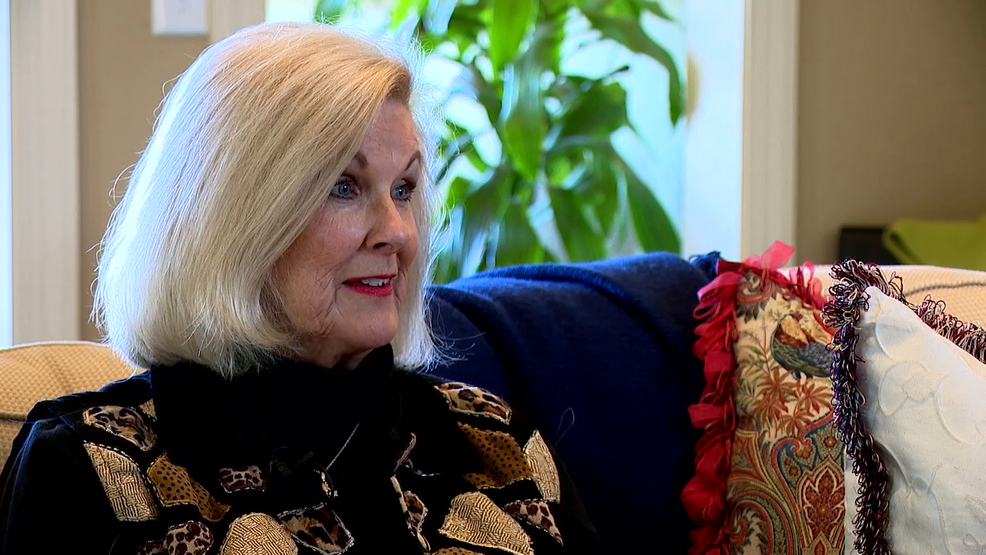
Mary Carol Abercrombie, a melanoma patient given only months to live in 2001, has defied the odds and survived over 20 years after receiving a trial cancer vaccine. Despite the initial dire prognosis, Abercrombie's participation in the vaccine trial led to a remarkable turnaround, with no cancer reoccurrences. Her story serves as a beacon of hope for cancer patients, highlighting the potential of immunotherapy and early detection in finding a cure for cancer.
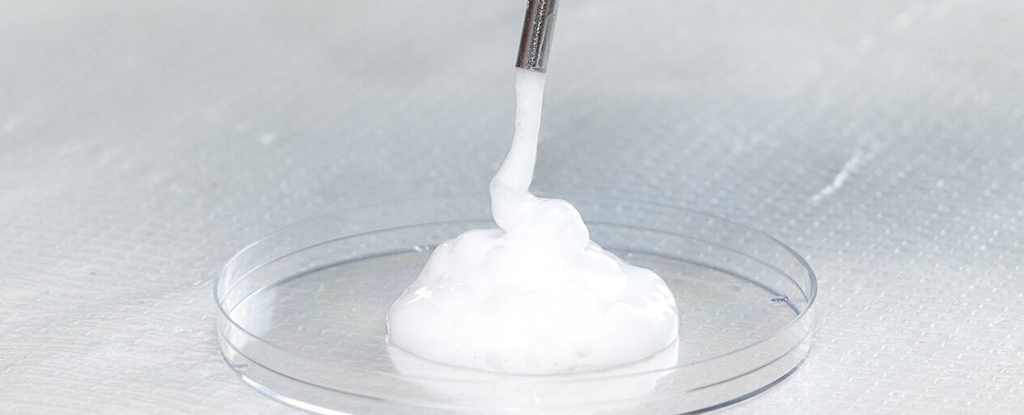
Researchers have developed a novel approach to cancer therapy involving a foam infused with carbon monoxide, which has shown promising results in tests on mice and human tissue in the lab. The approach is based on the observation that cancer patients who smoke have better outcomes for a treatment aimed at restricting a process of cell death called autophagy. The foam, created using Gas-Entrapping Materials (GEMs), was given to mice with pancreatic and prostate cancers, leading to significant reductions in tumor growth and progression. Further research and clinical trials are needed to determine the effectiveness and safety of this approach for cancer patients.