employment-law3.205 min read
"Pregnant Workers' Rights: Recent Developments and Protections"
1 year ago•Source: EEOC

The latest employment law stories, summarized by AI

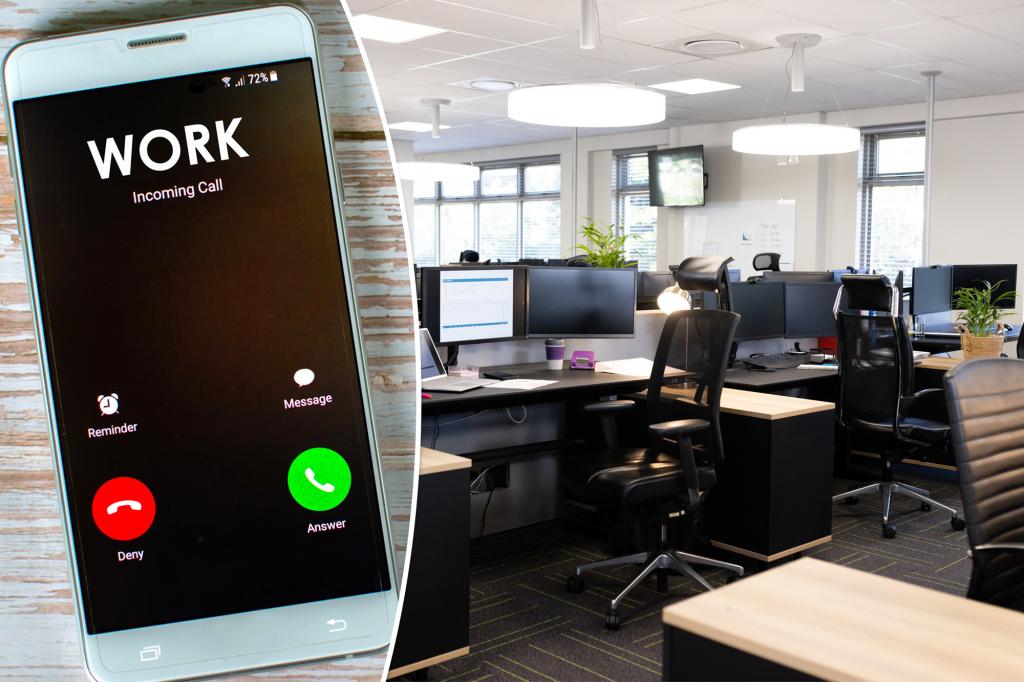
California Assembly Bill 2751, introduced by Asm. Matt Haney, aims to give workers the "right to disconnect" by allowing them to disengage from work-related communications during non-work hours. The bill requires employers to establish a right-to-disconnect policy, with exceptions for emergencies and certain industries. If passed, California would become the first state in the U.S. to implement such a law, potentially benefiting the workforce and making the state more competitive in attracting skilled workers.
The Washington Post•1 year ago
Fox Business•1 year ago

California State Assemblyman Matt Haney introduced AB 2751, a "right to disconnect" proposition, which aims to regulate work-related communications outside of working hours. Meanwhile, Amazon is removing its Just Walk Out technology from its US Fresh grocery stores due to limitations and lack of interest from other retailers.

A new bill proposed by San Francisco Assemblymember Matt Haney aims to give Californians better work-life balance by restricting when employers can contact employees during off hours, making exceptions for emergencies and collective bargaining. The bill would require companies to specify compensated hours and could fine employers for interrupting personal time, addressing workplace equity issues and burnout. While the California Chamber of Commerce argues the bill is a step backwards for workplace flexibility, Haney believes it will create a stronger workforce and increase the state's competitiveness.

California is considering a bill, AB 2751, that would give employees the "right to disconnect" from work communications during nonworking hours, with exceptions for emergencies or scheduling. If passed, it would be the first state to establish such a right. The bill also requires employers to create a policy for disconnecting and allows employees to file complaints for violations. In other news, most fast food workers in California will now be paid at least $20 an hour, following a bill signed by Gov. Gavin Newsom in September.

California State Assemblyman Matt Haney has introduced AB 2751, a "right to disconnect" bill that would require employers to outline employees' work hours and prohibit them from being required to respond to work-related communications while off the clock. The bill, if passed, would be monitored by the Department of Labor and could fine companies for violations. This legislation has the potential to significantly impact workers in California and potentially influence other states to follow suit, following similar policies implemented in other countries like France.

California is considering legislation, Assembly Bill 2751, that would give workers the "right to disconnect" from employer messages outside of work hours, aiming to create a clear boundary between work and personal time. The proposed law would require employers to differentiate between working and non-working hours, with exceptions for emergencies and organized labor. The legislation has been referred to the Assembly Labor Committee and is designed to provide worker protections while also being pro-California business.

Australia is set to introduce laws that will give workers the right to ignore unreasonable calls and messages from their bosses outside of work hours without facing penalties, with potential fines for employers who breach the rule. This "right to disconnect" is part of a series of proposed changes to industrial relations laws aimed at protecting workers' rights and restoring work-life balance. The legislation, supported by a majority of senators, also includes provisions for a clearer pathway from temporary to permanent work and minimum standards for temporary workers and truck drivers. Some politicians and employer groups have expressed concerns about the impact on flexibility and competitiveness, while supporters see it as a significant win for labor rights.

California has passed several new laws that will impact the workplace in 2024. These include an increase in the minimum wage for all workers, a specific minimum wage increase for healthcare and fast food workers, employers covering the cost of food handling cards, an increase in paid sick days, expanded family leave for reproductive loss, a ban on noncompete agreements, protection for recreational cannabis users, restrictions on asking about cannabis use during the hiring process, and the implementation of workplace violence prevention plans.

Employers are not required to offer paid vacation, but if they do, the policies and requirements vary. In the absence of a written policy, state laws govern how vacation is handled. In New York, employers can enforce a "use it or lose it" policy. If what you were told about paid vacation is not in writing and there is no practice of offering it to other employees, they may be in breach of an oral contract, but proving it can be difficult. Additionally, a new law in New York prohibits restaurants from discriminating against job applicants based on their looks.

Companies are increasingly using training reimbursement agreements to force former employees to repay training costs if they leave within a certain period after being hired. This legal stipulation has led to lawsuits where employers are seeking repayment, sometimes amounting to tens of thousands of dollars. Nearly 10% of workers reported being covered by these agreements in 2020, and a survey of nurses found that over a third were subjected to such agreements. The Biden administration has proposed a rule to limit these agreements, but employers argue that the costs are justified. The use of training reimbursement agreements has been on the rise in recent years, giving employers significant power over employees.
The U.S. Equal Employment Opportunity Commission (EEOC) has proposed updated guidance on workplace harassment, inviting public comment until November 1. The proposed guidance reflects changes in law, including the Supreme Court's decision in Bostock v. Clayton County and the impact of the #MeToo movement. It provides clarity on legal standards and employer liability for harassment claims, covers a wide range of scenarios, and addresses the role of digital technology and social media in creating a hostile work environment. Harassment remains a significant workplace problem, and the EEOC aims to prevent and remedy systemic harassment while protecting vulnerable workers.