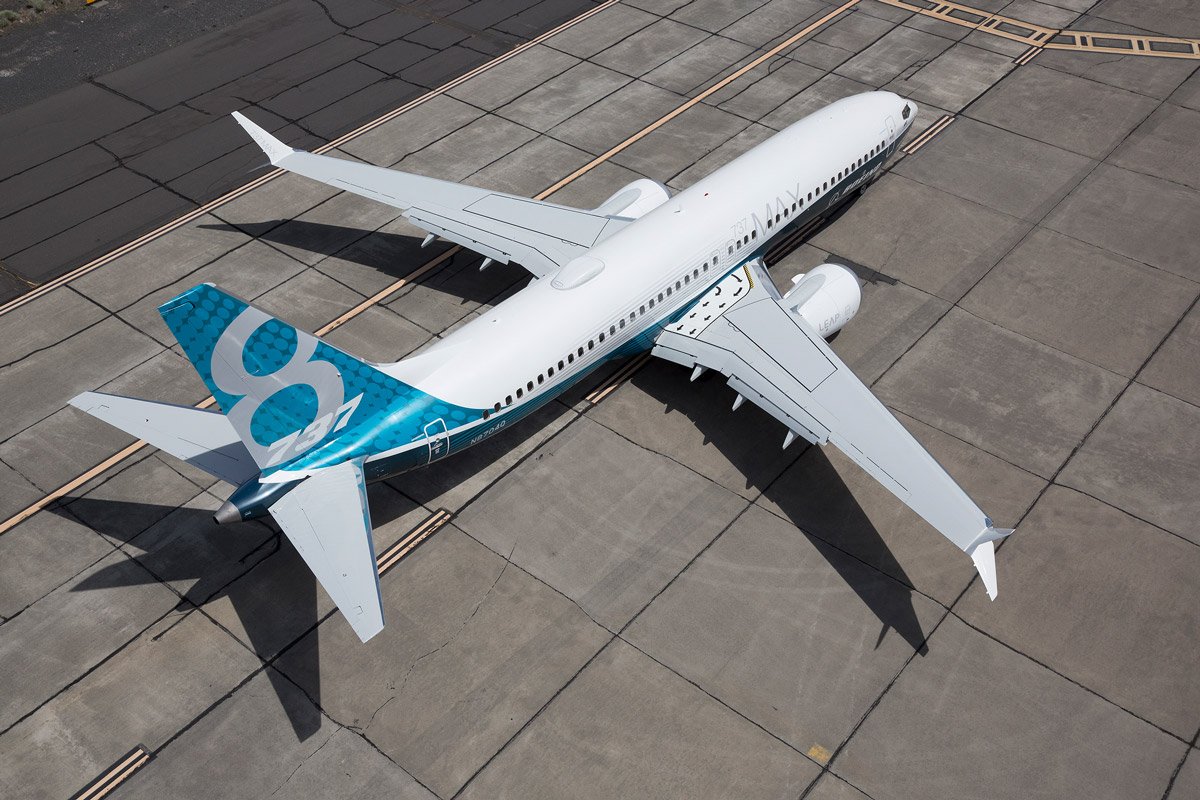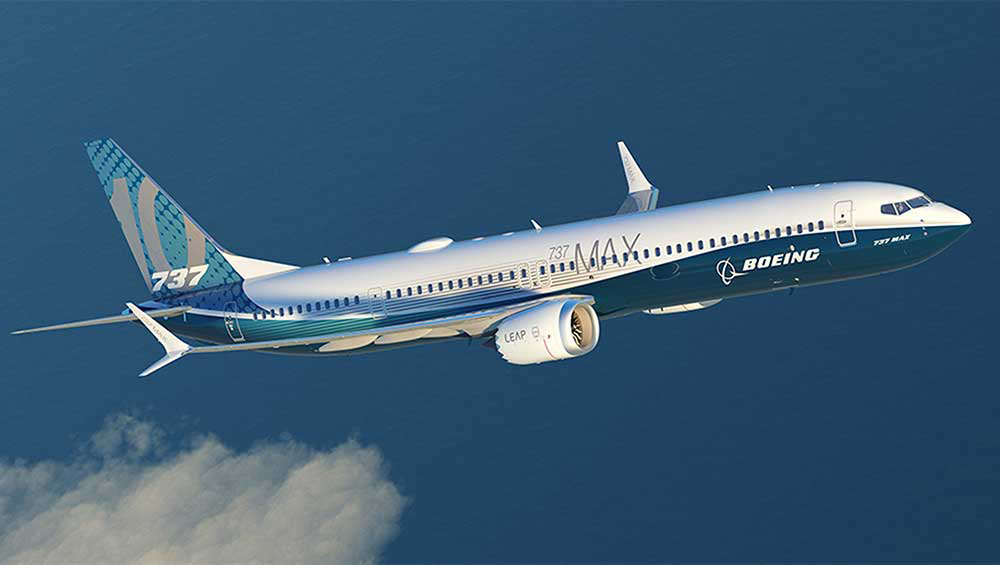
Boeing secured a major order at the Dubai Airshow as Ethiopian Airlines agreed to purchase 11 Boeing 787 Dreamliner jets and 20 737 MAX airplanes, with an option for additional purchases. This marks the largest purchase of Boeing airplanes by an African company. Emirates Airline also dealt a blow to rival Airbus by ordering 95 of Boeing's widebody jets, including 55 Boeing 777-9s, 35 777-8 jets, and five 787 planes. FlyDubai also announced plans to purchase 30 Boeing 787-9 Dreamliners, while SunExpress committed to purchasing up to 90 Boeing 737 aircraft. Meanwhile, Emirates signaled it will hold off on new Airbus A350 orders due to concerns over the engine supplied by Rolls-Royce.
Emirates Airline President, Tim Clark, has stated that the airline will not order Airbus A350-1000s unless Rolls-Royce makes significant improvements to the Trent XWB-97 engine, including a thrust increase. Clark expressed concerns about the engine's performance and durability, stating that it is not meeting the airline's expectations. Rolls-Royce acknowledges the need for improvements but rejects the idea that the engine is defective. The issue cannot be resolved through a lower-cost maintenance agreement, and Emirates is requesting guarantees for up to 2,500 cycles on wing. Clark also pushed for a 10,000 lb. thrust increase. Emirates recently placed an order for 90 Boeing 777Xs and is negotiating a deal with Airbus for up to 50 A350-1000s.
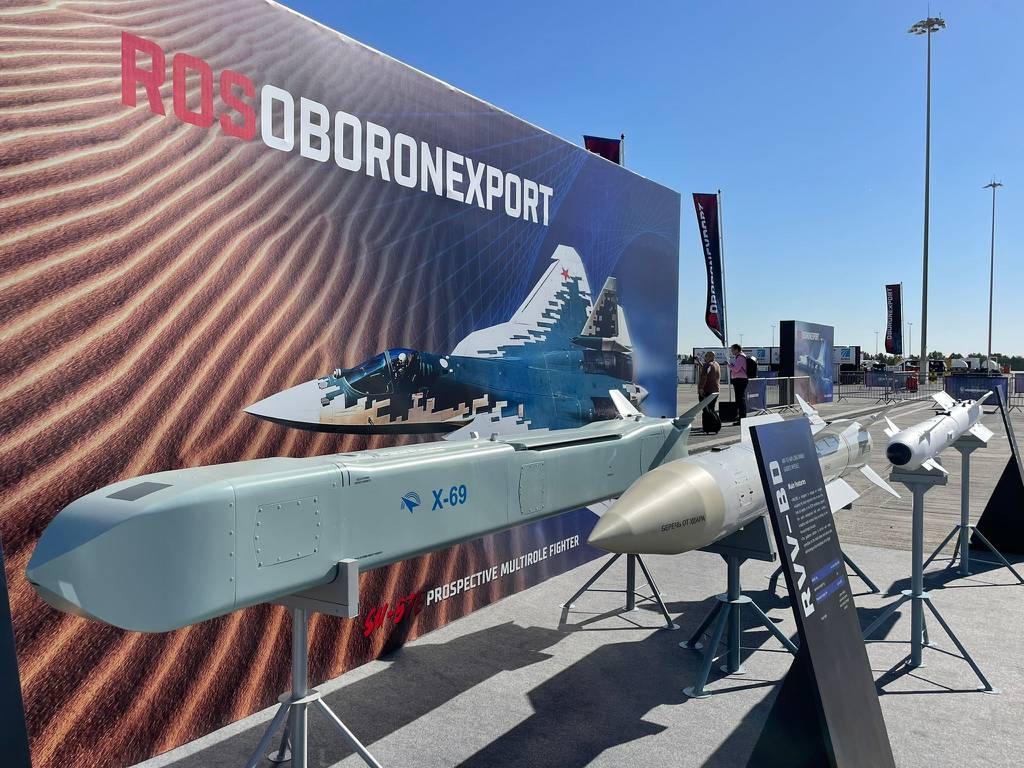
The Russian arms industry is using the Dubai Airshow as an opportunity to showcase its weapons, including those used in the invasion of Ukraine. The Russian pavilion at the event features helicopters, air-to-air guided missiles, and a precision strike cruise missile. However, one anticipated weapon, the Argument-2 anti-drone gun, was notably absent from the exhibition. Experts estimate that thousands of first-person-view drones are being used by Ukrainian forces, and the absence of the anti-drone gun raises questions about Russia's capabilities in countering this threat. The United Arab Emirates, which has maintained close ties with Russia while providing humanitarian aid to Ukraine, has chosen to remain largely neutral in the conflict.
Emirates has decided against an immediate purchase of Airbus A350-1000 jets due to a dispute with engine manufacturer Rolls-Royce over engine durability. The Dubai airline's president, Tim Clark, stated that the engine would require maintenance visits four times more frequently than what Emirates requires. However, Emirates would consider ordering 35 to 50 of the jets if Rolls-Royce improves both durability and maintenance costs. This decision leaves Airbus without a major showcase order at the Dubai Airshow.
Boeing stock surged after securing major orders at the Dubai Airshow, including a $52 billion order from Emirates Airline for 95 widebody jets. Flydubai also announced plans to purchase 30 Boeing 787-9 Dreamliners, while SunExpress committed to buying up to 90 Boeing 737 aircraft. In addition, there are rumors that China may lift its commercial sales freeze on Boeing 737 Max jets, potentially resuming purchases. Boeing stock rallied 4% on the news.
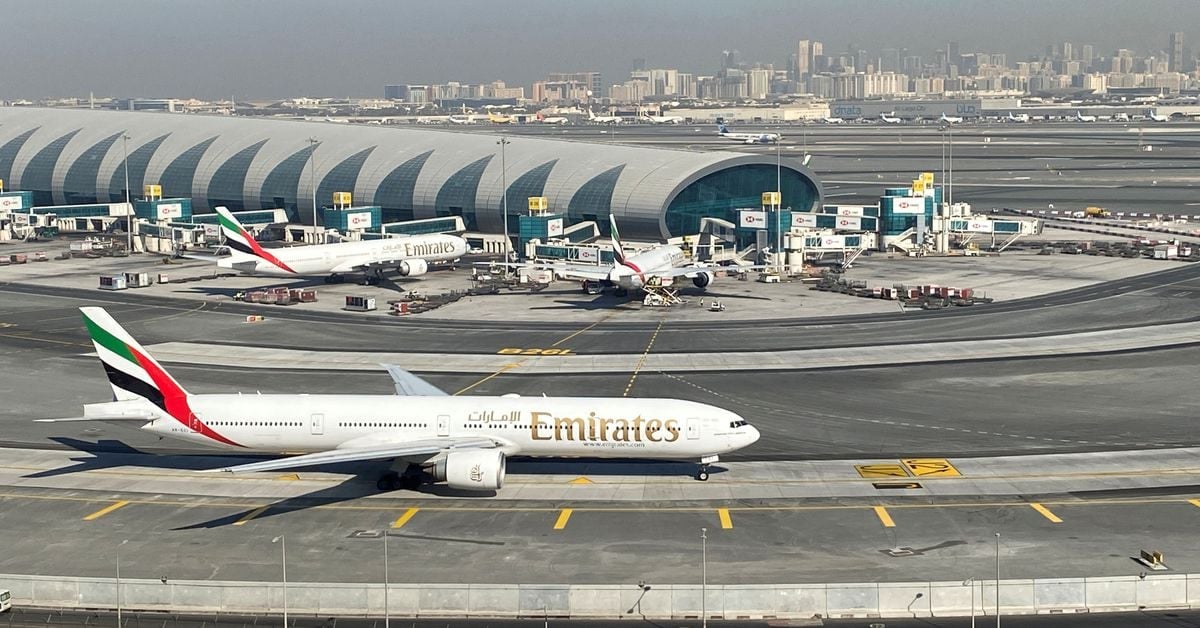
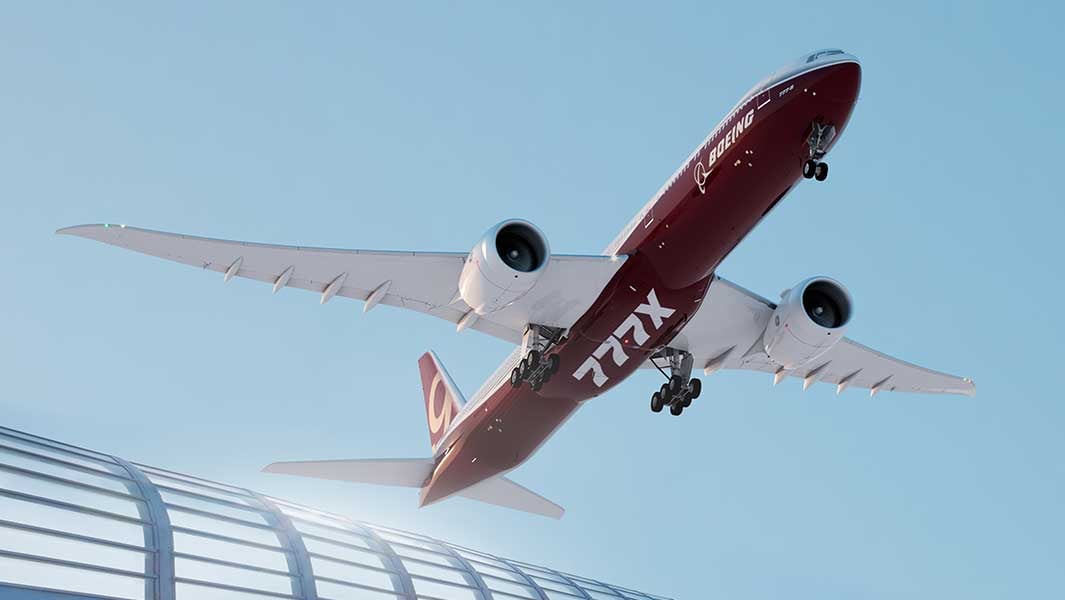
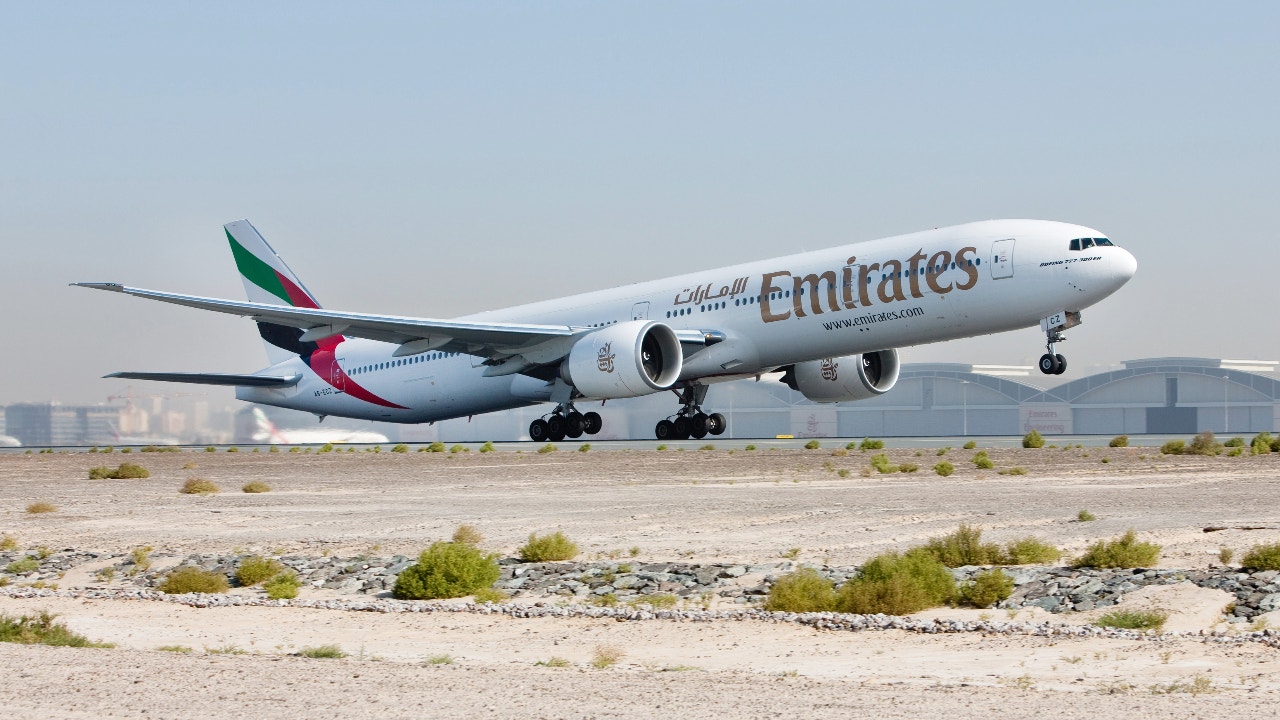
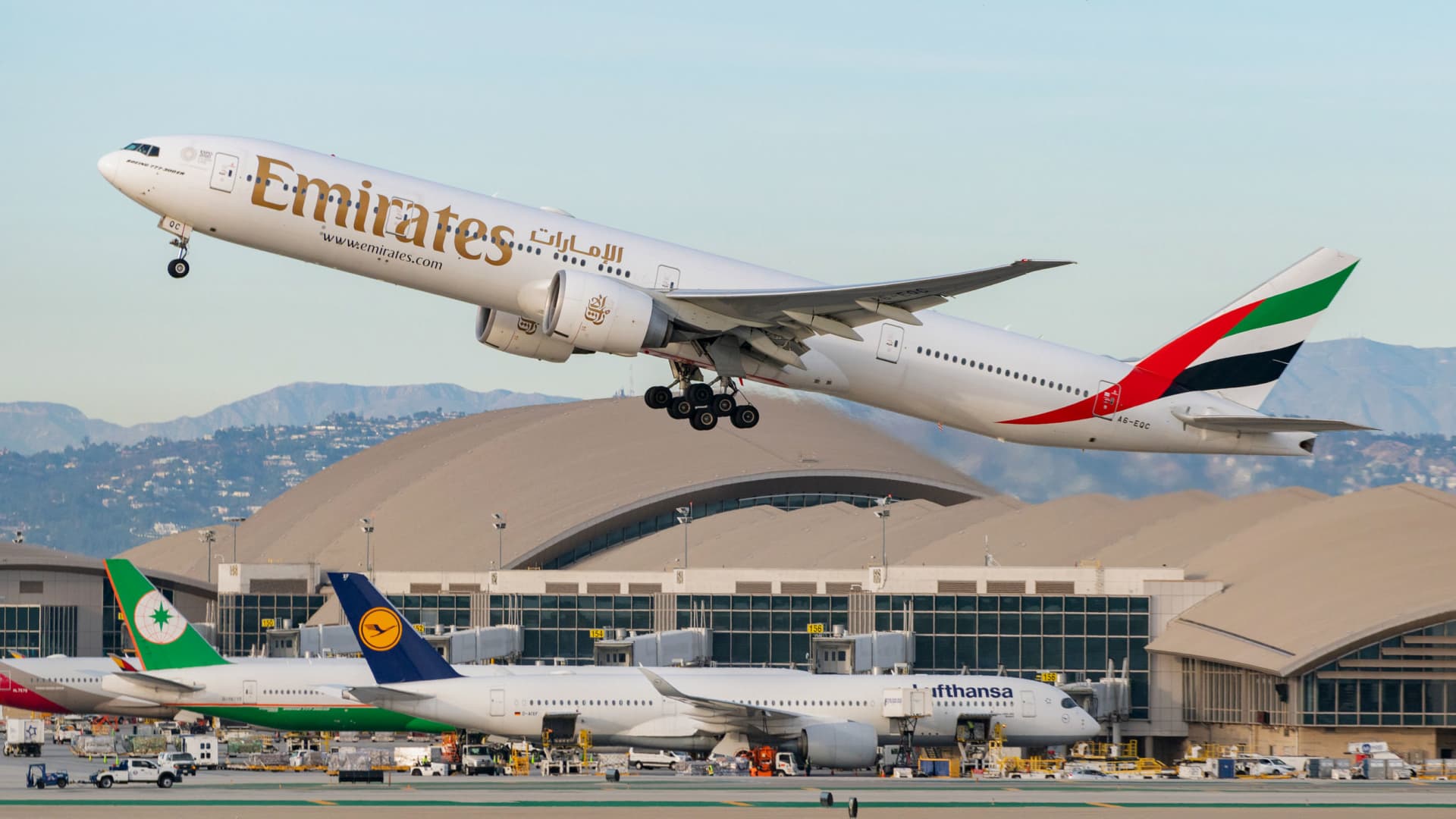
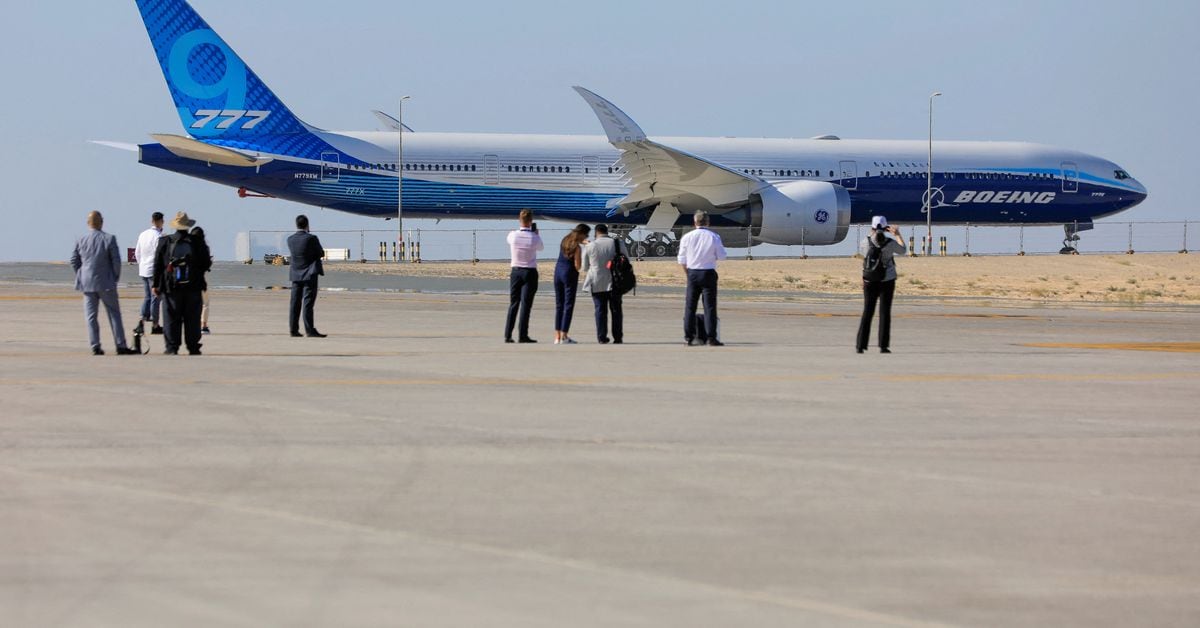
Emirates, the world's largest operator of 777 aircraft, has placed an order for 95 Boeing widebody jets worth $52 billion, including 90 777X airplanes and five additional 787 Dreamliners. The order will increase Emirates' 777X family backlog to 205 jets and aligns with the airline's strategy of connecting cities non-stop to Dubai. The 777X offers improved cabin features, fuel efficiency, and payload capacity, while the 787 Dreamliner order has been adjusted to better match future capacity demands.
Boeing shares surged 4% after reports suggested that China may lift its freeze on purchases of the 737 MAX aircraft, which has been in place for over four years. This news, combined with bumper jet orders from Middle Eastern airlines at the Dubai Airshow, boosted investor optimism. Boeing also secured orders for 125 widebody jets worth over $50 billion from Emirates and flydubai. The potential reopening of the Chinese market and the contracts at the Dubai Airshow are seen as positive signs for Boeing, which has underperformed in recent months.
Emirates Airline has placed an order for 95 Boeing aircraft worth $52 billion, including 55 Boeing 777-9s, 35 Boeing 777-8s, and an update to their order of Boeing 787 Dreamliners. The order also includes 202 engines from General Electric. This reaffirms Emirates' position as the largest operator of Boeing 777 aircraft and highlights the Middle East's importance as a hub for long-haul journeys. The region's strong recovery in air travel demand since the pandemic has fueled airlines' optimism and orders for wide-body aircraft.
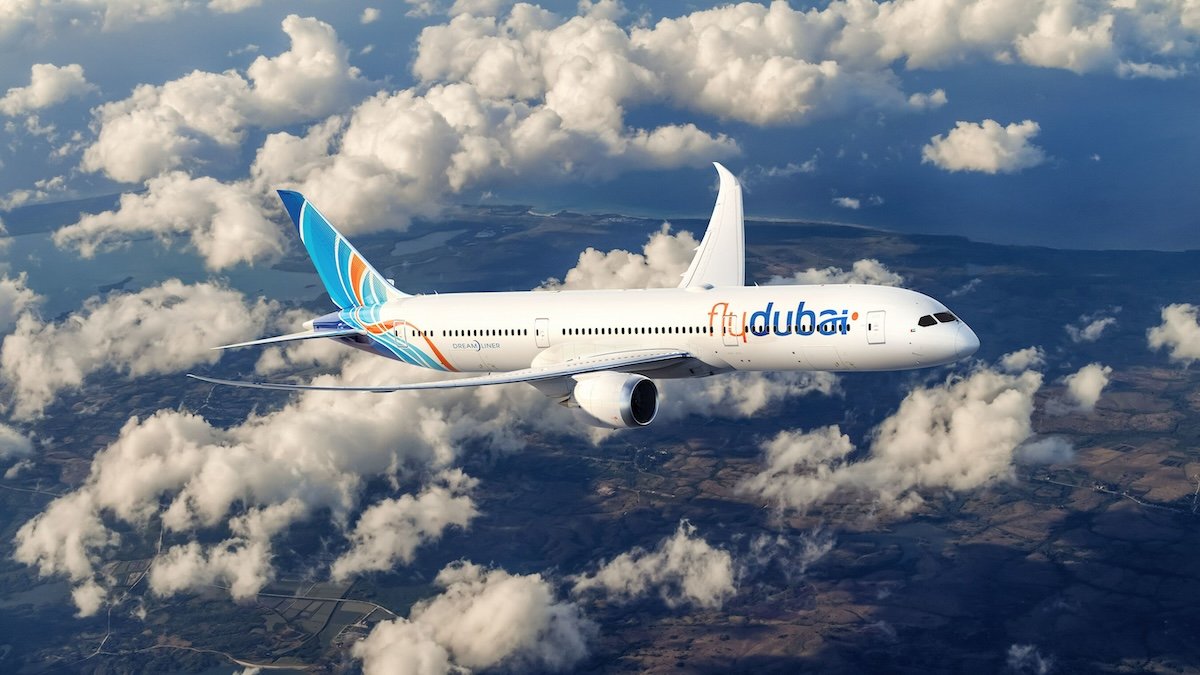
FlyDubai has placed an order for 30 Boeing 787-9s, marking a significant fleet development for the regional airline. The first delivery is expected in 2026. The move is seen as a surprising development as FlyDubai has historically operated smaller jets on regional routes. The airline's executives state that the Dreamliners will primarily be used to increase capacity on existing routes rather than for long-haul flights. The order is believed to have been negotiated as part of Emirates modifying its own Boeing 787 order.
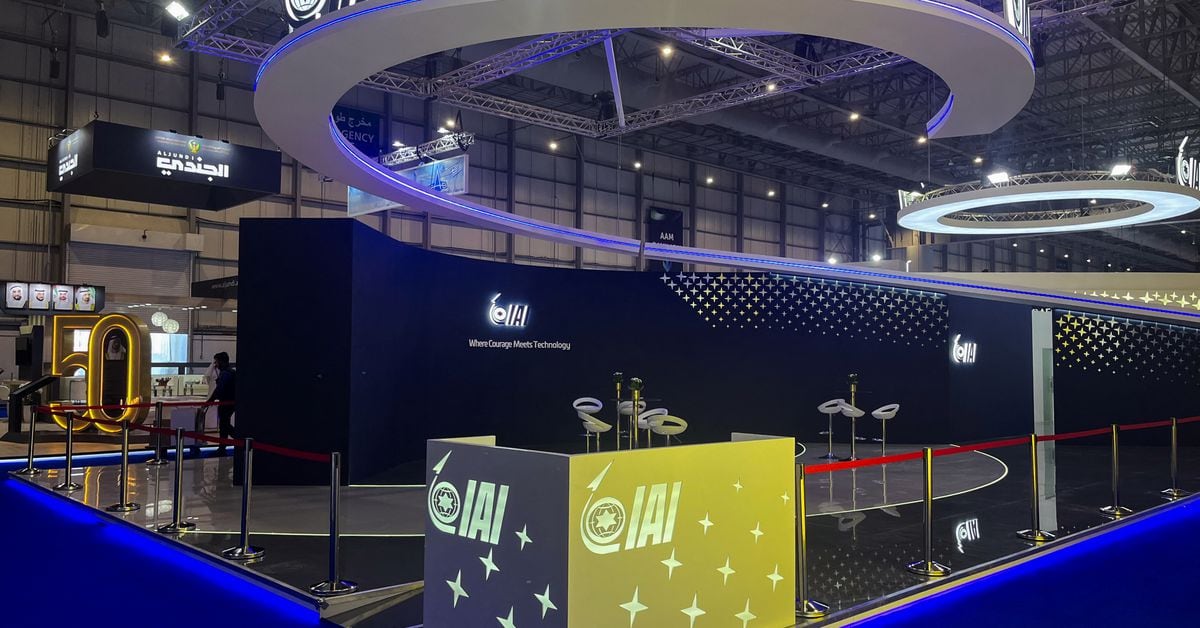
Israeli weapons makers, Israel Aerospace Industries (IAI) and Rafael Advanced Defense Systems, left their exhibition stands empty at the Dubai Airshow amid the ongoing Israel-Hamas war in Gaza. It is unclear why there were no staff present, and the companies did not immediately respond to requests for comment. Meanwhile, Arab and Muslim nations have called for a halt in arms sales to Israel, and the mounting death toll in Gaza has sparked outrage in Arab capitals. Despite the international outcry, the United Arab Emirates (UAE) intends to maintain its diplomatic ties with Israel, which were established in 2020 under the U.S.-brokered Abraham Accords.
Middle East carriers, including Emirates and flyDubai, are expected to announce significant aircraft orders at the Dubai Airshow, with Emirates likely to order several dozen Boeing 777X jets. Despite concerns about the impact of Mideast tensions on the travel sector, the region's airlines are looking to renew confidence in long-haul jets. Turkish Airlines is also in talks to buy up to 355 Airbus jets, while Saudi Arabia's Riyadh Air is rumored to be considering a large order for narrowbody jets. The Dubai Airshow is taking place against the backdrop of the Israel-Hamas war in Gaza, which has led to a drop in flight bookings to the Middle East.
Middle East carriers, including Emirates and flyDubai, are expected to announce orders for long-haul jets worth tens of billions of dollars at the Dubai Airshow. Emirates is likely to place a new order for several dozen Boeing 777X jets, boosting the program amid ongoing uncertainty over its schedule. Turkish Airlines is also in talks to buy up to 355 Airbus jets, potentially making a significant announcement at the event. However, the recent Israel-Hamas war in Gaza has led to a drop in flight bookings to the Middle East, and few major arms deals are expected at the show.
Turkish Airlines is reportedly in the final stages of negotiating a major aircraft order with Airbus, which could be announced at the Dubai Airshow. The deal is said to include a large number of Airbus A321neos and A350s, with reports suggesting an order of 250 A321neos and 100 A350s. However, the actual numbers may be lower. Turkish Airlines aims to order up to 600 new aircraft, including widebodies, and is considering splitting the order between manufacturers. Talks with Boeing are also ongoing. The airline plans to expand its network and target a fleet of around 800 aircraft by 2033.
Riyadh Air, a new Saudi Arabian airline set to launch in 2025, is expected to place a significant order for Boeing 737 MAX aircraft, with a firm order for 50 planes and options for an additional 50. The exact details of the order are yet to be announced, but it is anticipated that the airline will use the narrow-body jets to complement its long-haul fleet and provide both long and short-haul connectivity. This order would add to Riyadh Air's previous order for Boeing 787s, potentially resulting in an all-Boeing fleet for the airline.