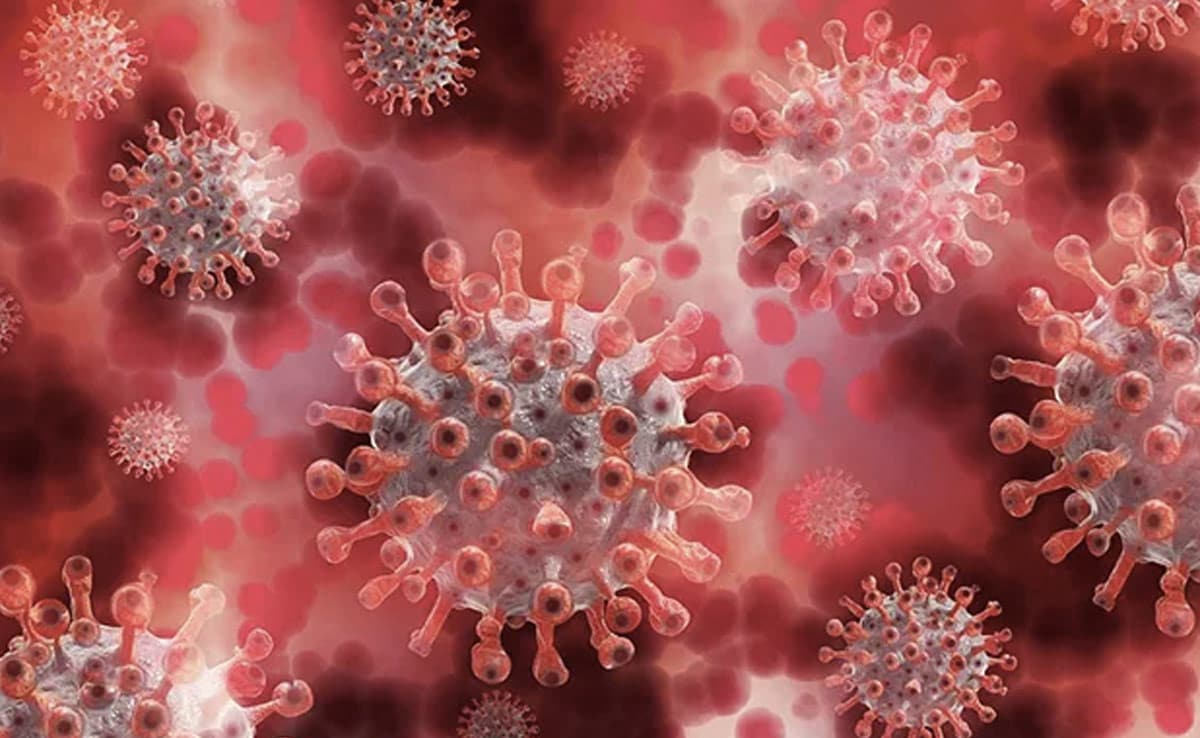
A review of over 200 studies from 1900 to 2024 reveals that the emergence of human viruses has occurred in peaks, notably between 1950-1979 and starting in 2000, driven by technological, ecological, and socio-demographic factors, with most initial detections in the US, China, and Australia, highlighting ongoing challenges in global disease surveillance and prevention.
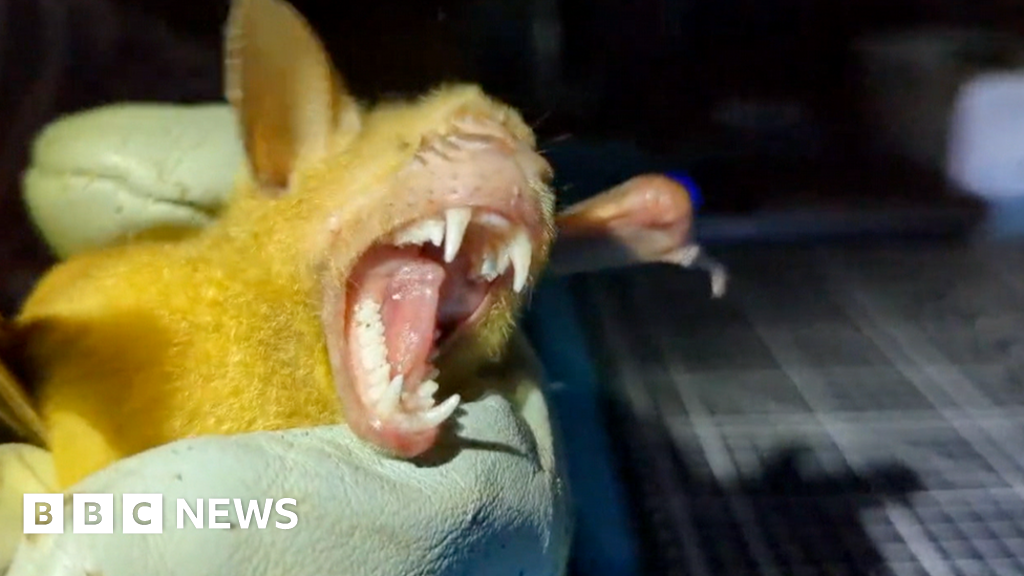
A video from Uganda shows multiple predator species feeding on and dispersing fruit bats, highlighting the numerous opportunities for bat-borne viruses to jump to other animals and potentially infect humans, providing visual evidence of how zoonotic spillover can occur.
A study warns that a subgroup of bat viruses called HKU5, related to MERS-CoV, is just one mutation away from potentially infecting humans, highlighting the need for ongoing surveillance and research to prevent future pandemics.
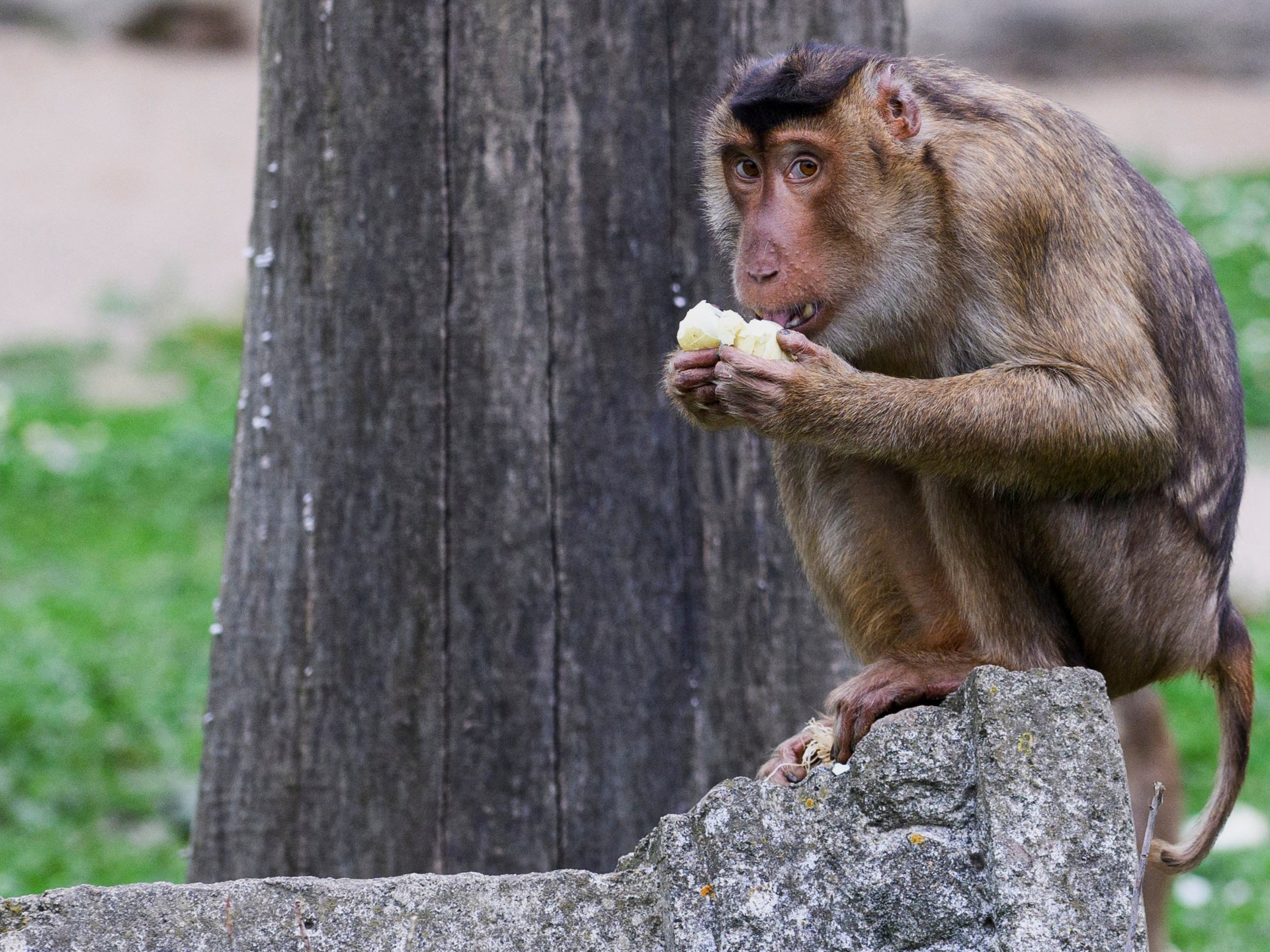
Hong Kong reports its first human case of B virus, also known as herpes simiae virus, transmitted from wild monkeys. The 37-year-old man was attacked and injured by monkeys at Kam Shan Country Park and is now in critical condition. The virus causes flu-like symptoms and can lead to brain damage or death. It is spread through bites, scratches, or contact with monkey tissue or fluid. There is no vaccine, and only 50 human infections have been documented since 1932, with 21 resulting in death. Treatment includes antiviral medications and, in some cases, antiretroviral therapy.
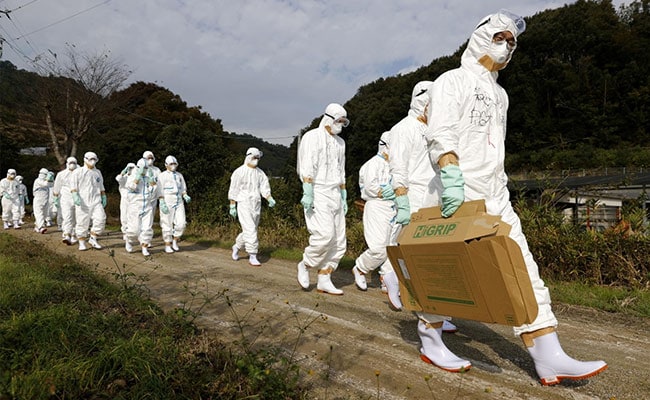
Research reveals that bird flu, or H5N1, has been rapidly spreading since 2020, impacting various non-avian species and resulting in 882 human cases across 23 countries with a worrying fatality rate of 52%. The virus's potential to adapt and infect more species raises concerns about a potential pandemic, prompting calls for urgent research and surveillance. Dr. Diana Bell emphasizes the need for a global overhaul of poultry farming practices to prevent future outbreaks and safeguard both animal and human health.
Researchers advocate for peaceful coexistence with bats as a crucial strategy for preventing future pandemics, arguing that disturbing bats through culling or habitat destruction increases the risk of zoonotic spillover. Safeguarding bat habitats and minimizing human interference could significantly reduce the likelihood of another global pandemic, emphasizing the need to change humanity's relationship with nature and wildlife.
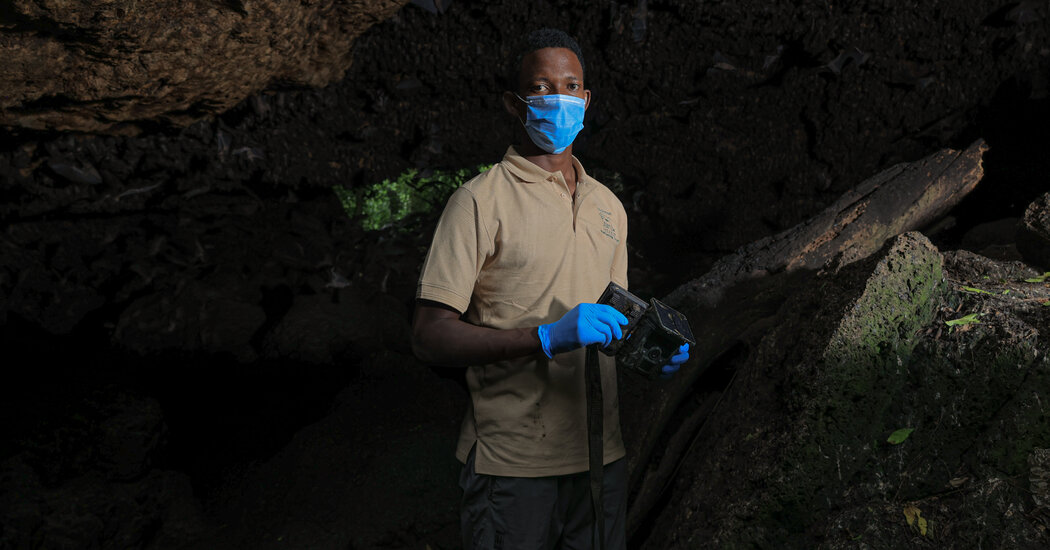
Scientists in Ghana are studying bats to gain insights into preventing future pandemics. The University of Ghana's veterinary school is part of an international effort called Bat OneHealth, which investigates how pathogens are transmitted between species. Researchers are testing bat droppings for viruses such as coronaviruses and paramyxoviruses, as well as superbugs resistant to antibiotics. Deforestation and encroachment into bat habitats are increasing the risk of zoonotic spillovers. The trade in bushmeat, including bats, is deeply rooted in local culture, making a total ban challenging. Understanding bats and their immune systems is crucial for global health.