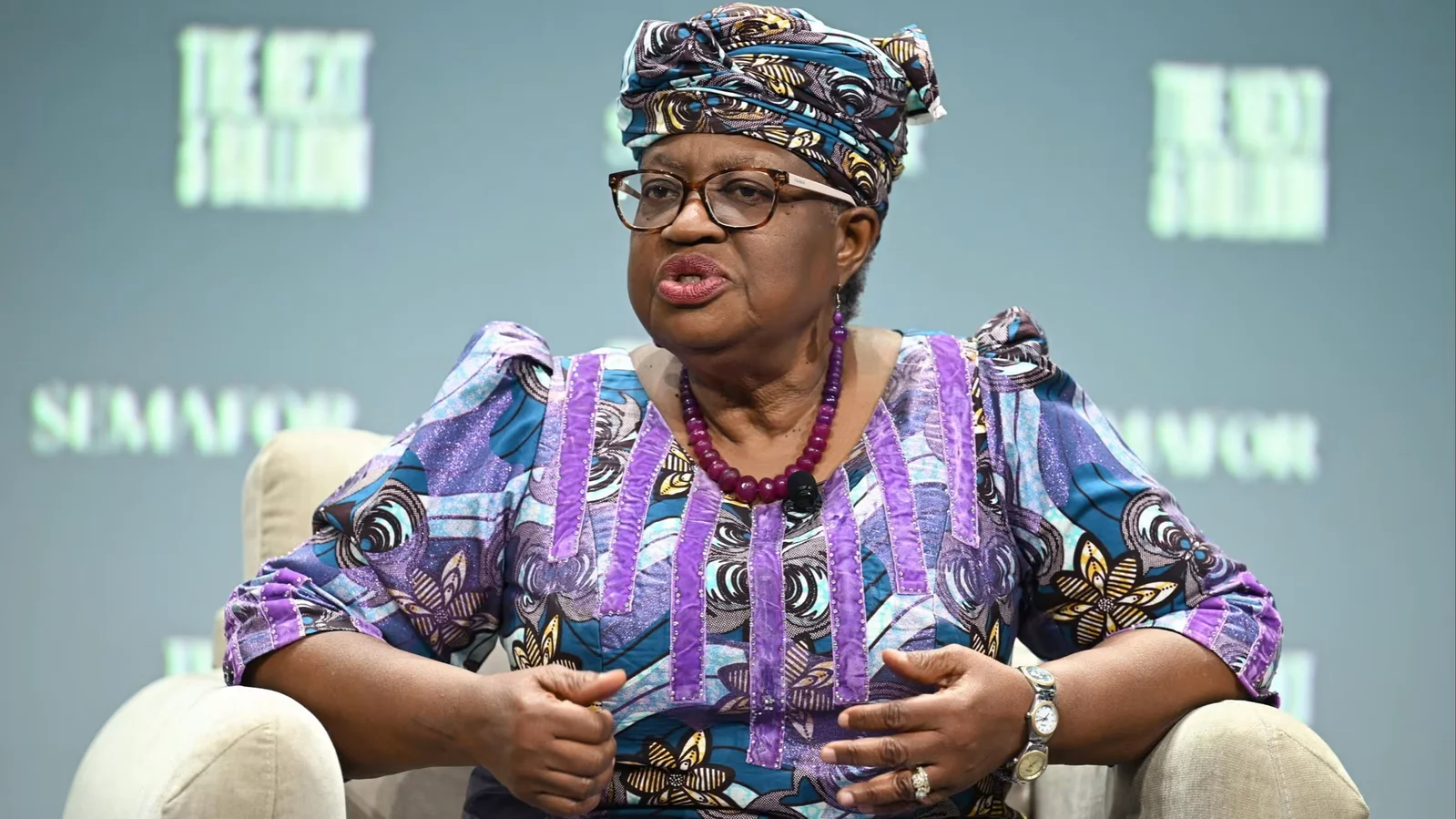
US Criticizes WTO and Calls for Major Reforms
The Trump administration has criticized the World Trade Organization ahead of a crucial meeting, highlighting ongoing tensions and disputes in international trade relations.

All articles tagged with #wto
The Trump administration has criticized the World Trade Organization ahead of a crucial meeting, highlighting ongoing tensions and disputes in international trade relations.
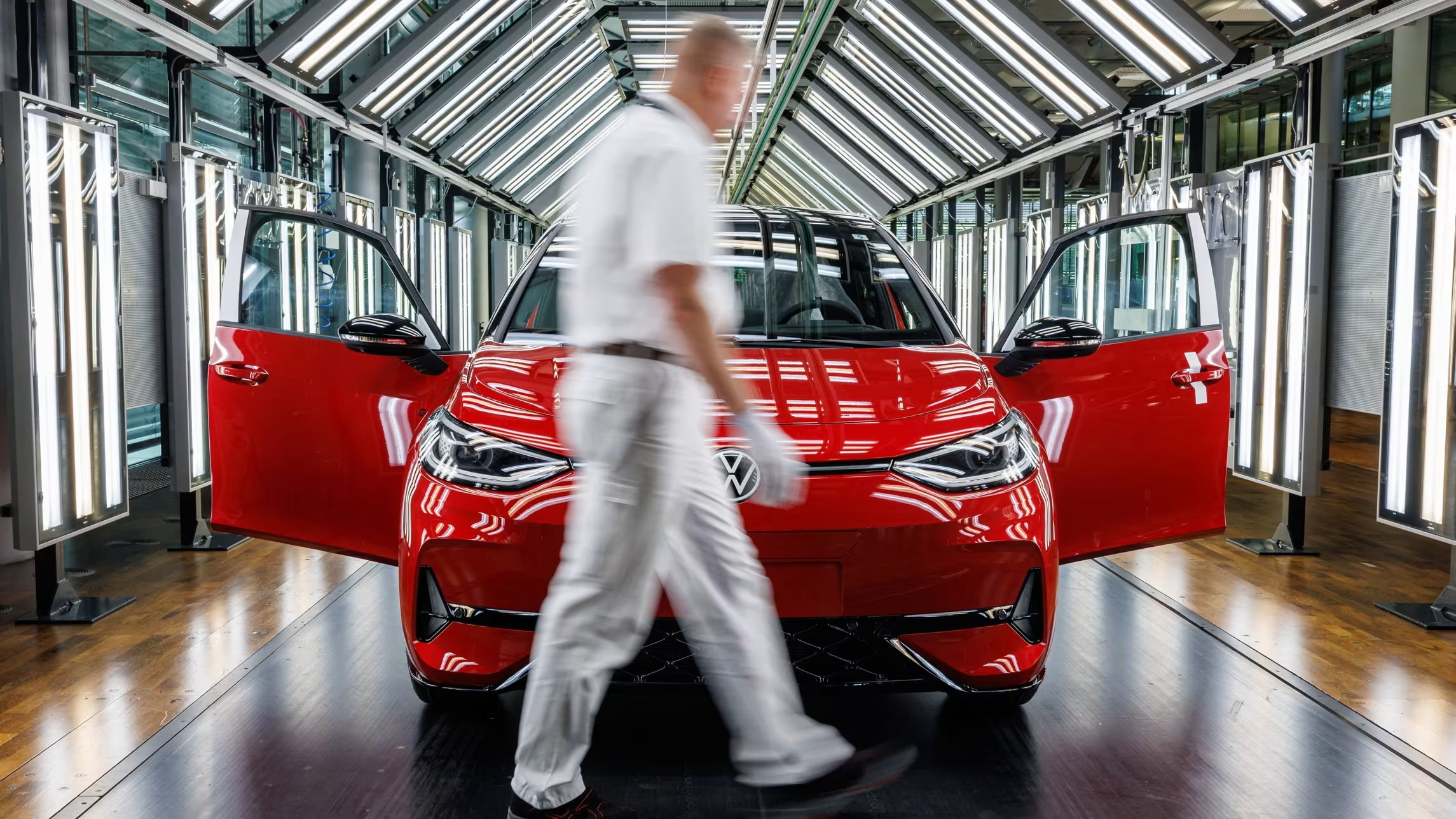
The WTO predicts that Donald Trump's tariffs will significantly impact global goods trade by 2026, potentially disrupting international markets and supply chains.
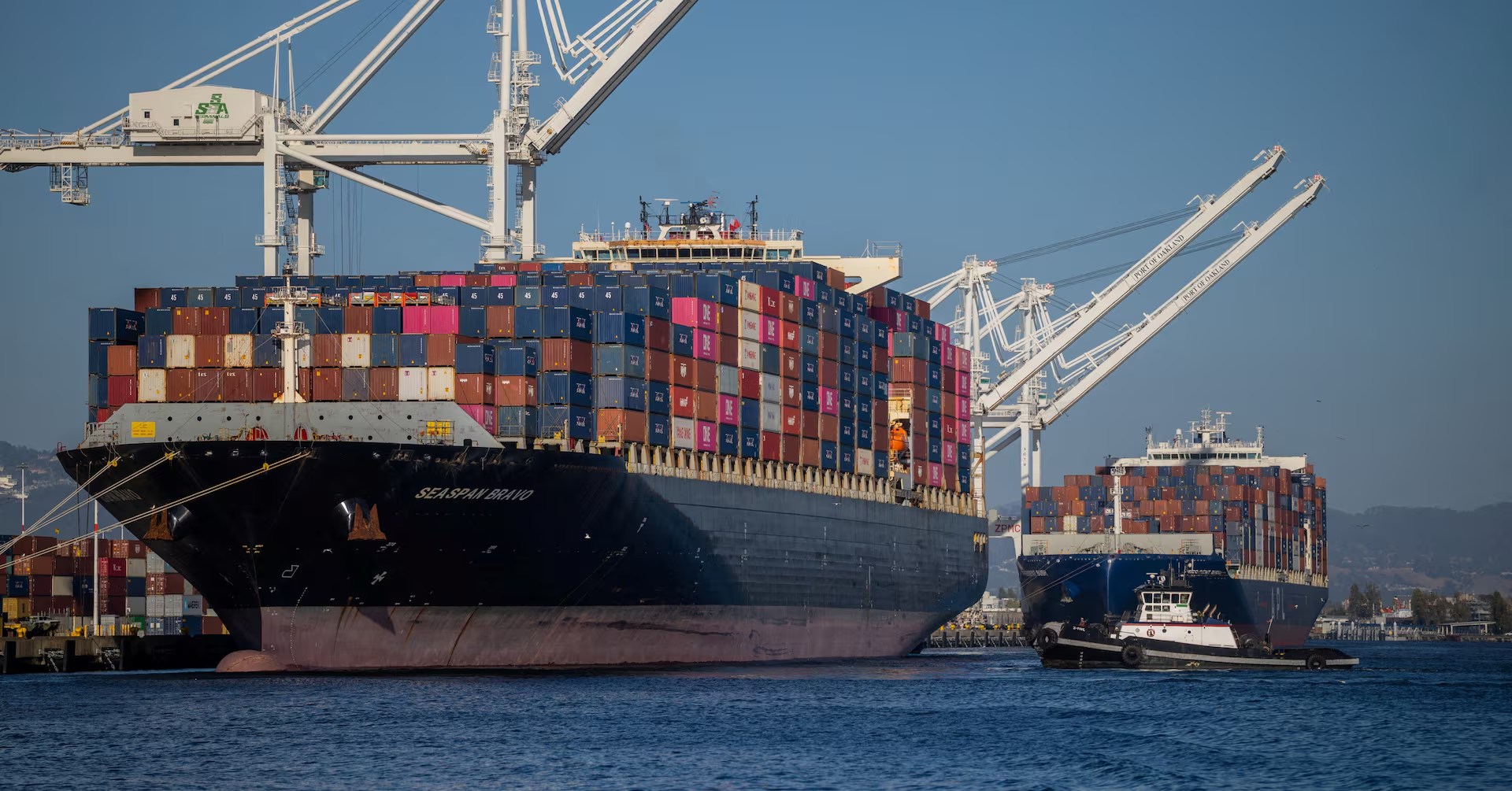
The WTO has downgraded its 2026 global trade growth forecast to 0.5%, citing delayed impacts from US tariffs, despite a 2025 increase driven by pre-tariff import surges and AI trade. The outlook remains concerning, with trade growth slowing significantly and global GDP expected to slightly decline in 2026, though the system shows resilience.
The Dow Jones Industrial Average rose following the World Trade Organization's improved forecast for global trade, indicating positive economic momentum.
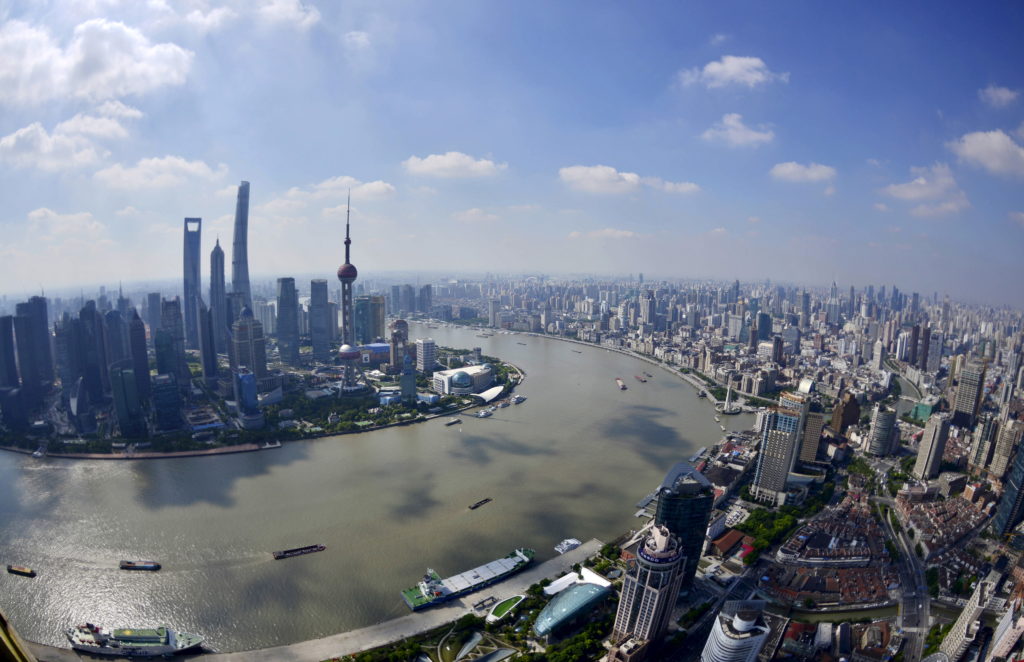
China announced it will no longer seek special developing country status in WTO agreements to support global trade reform, a move aligned with US demands, though it remains classified as a developing nation and continues to provide aid to other countries. The decision aims to strengthen the global trading system amidst rising protectionism and tariff conflicts.
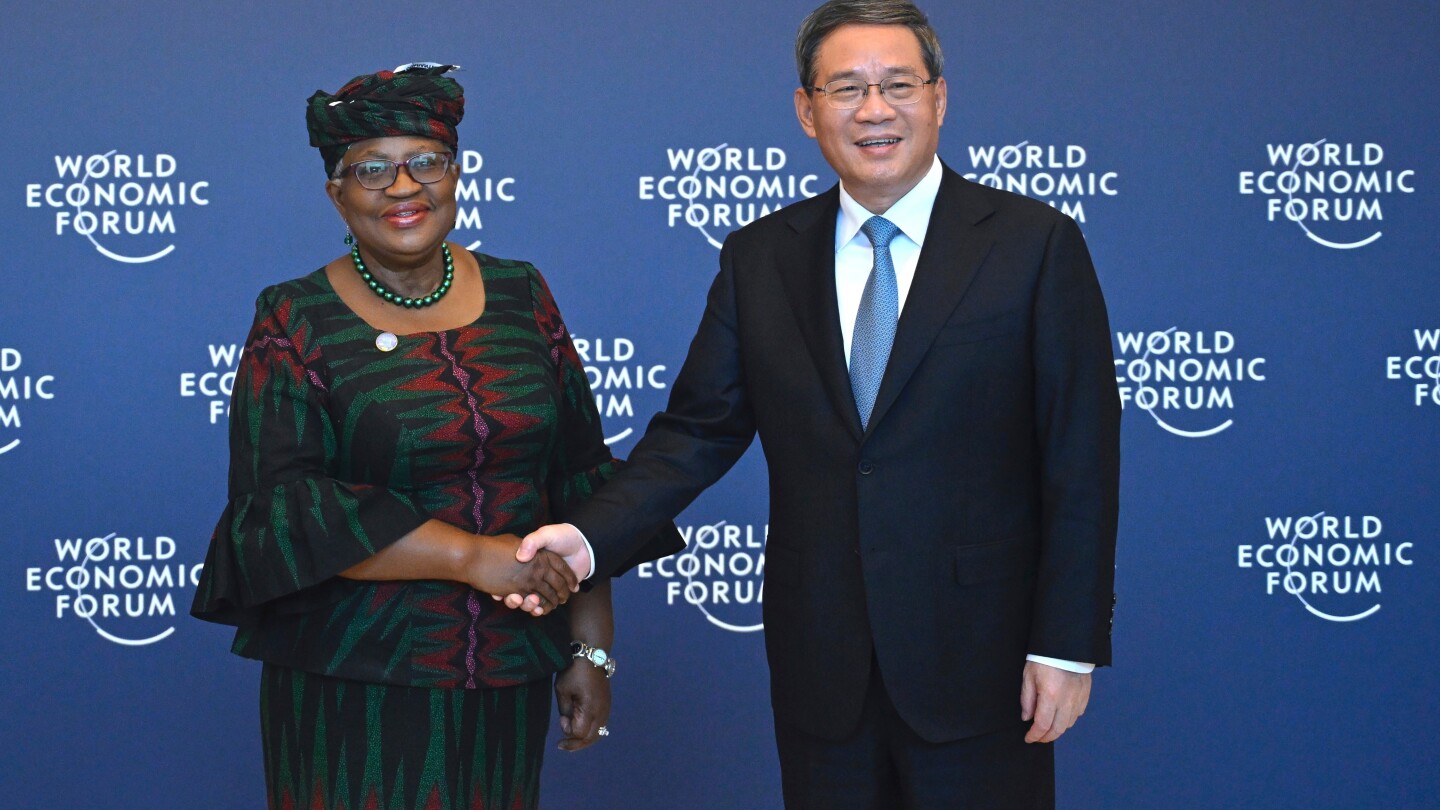
China announced it will no longer seek special treatment for developing countries in WTO agreements, aiming to strengthen the global trading system amid rising protectionism, though it remains classified as a developing country and did not specify changes to market access. The move is voluntary and not a call for other nations to follow, reflecting China's evolving role in international trade and development.
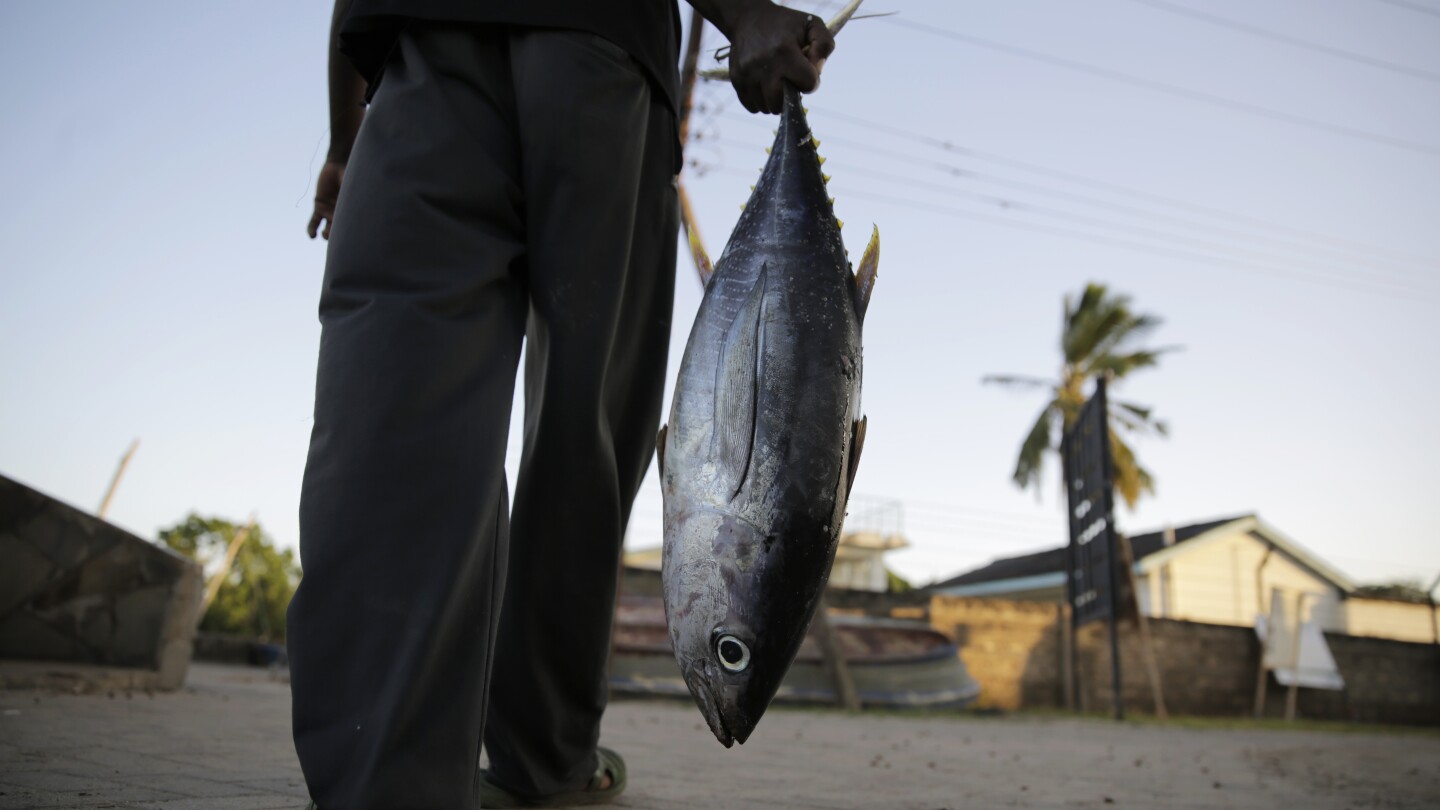
The WTO's agreement to reduce fishing subsidies, aimed at combating overfishing and promoting ocean sustainability, has officially taken effect with 112 countries onboard, though key players like India and Indonesia have yet to sign. The deal primarily targets illegal fishing and overfished stocks, with plans for a second phase to address subsidies that promote overcapacity in fishing fleets. Experts emphasize that while this is a significant step, more efforts are needed to prevent the depletion of global fish stocks.
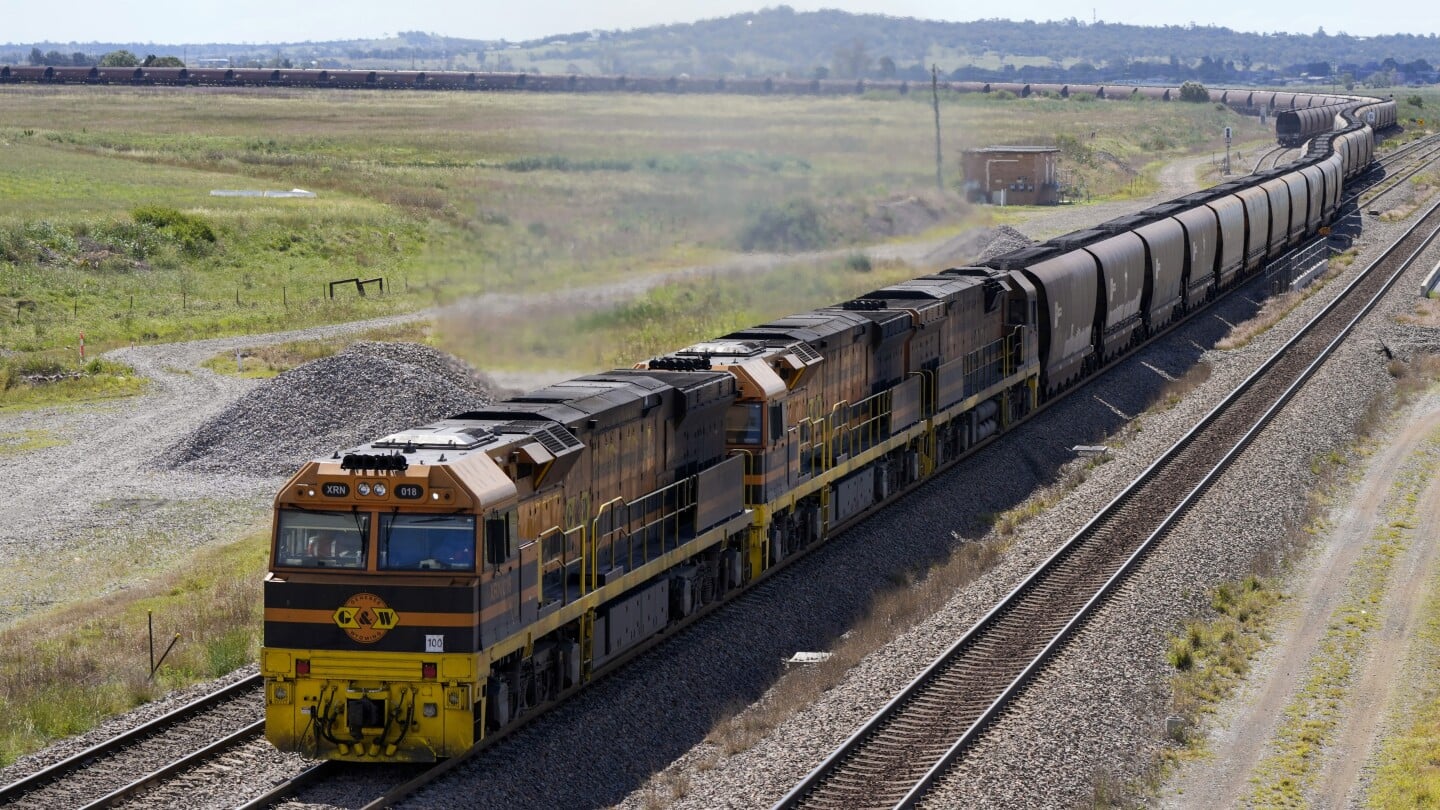
China has won a WTO dispute with Australia over tariffs on steel products, with the WTO finding that Australia's investigating authority had acted inconsistently with some articles of the anti-dumping agreement. Australia's trade minister stated that the government accepted the ruling and would engage with China to implement the panel's findings, emphasizing its commitment to a rules-based trading system. Trade tariffs have been a contentious issue between the two countries, with China imposing sanctions on Australian goods in 2020, and while most tariffs have been lifted, some remain in place.
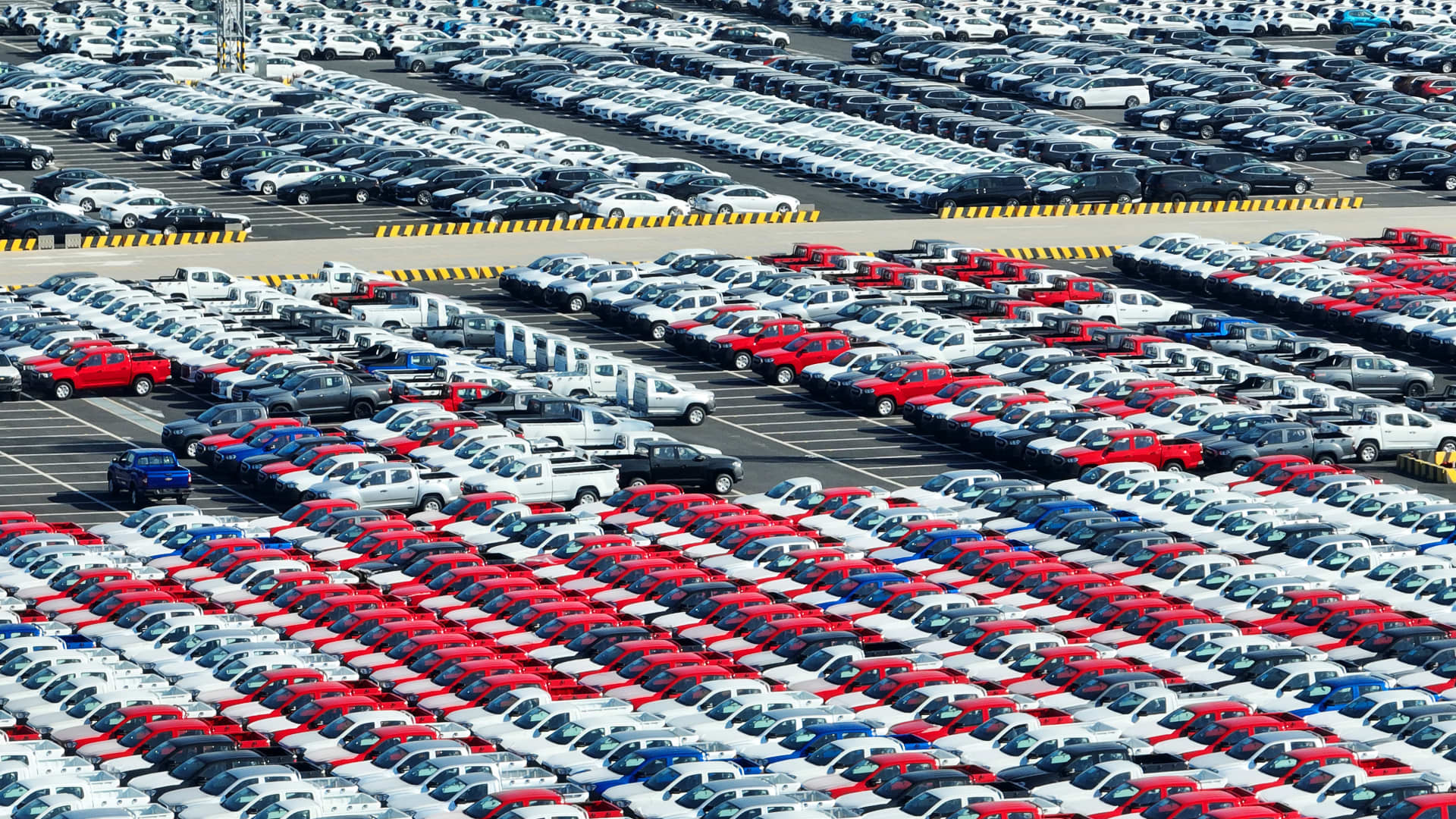
China has initiated dispute settlement proceedings against the United States at the World Trade Organization, contesting "discriminatory subsidies" under the U.S. Inflation Reduction Act that it claims exclude goods from China and other WTO countries. The law provides tax credits for electric vehicles and renewable energy, but China argues that these subsidies are contingent upon the purchase of goods from the U.S. or certain regions. The U.S. Trade Representative is reviewing China's request for WTO consultations, while China urges Washington to correct discriminatory industrial policies and maintain global stability in the new energy vehicle supply chain. If the WTO rules in favor of China, the U.S. could appeal, but the WTO's top appeals bench has been non-functional since December 2019 due to U.S. opposition to judge appointments.
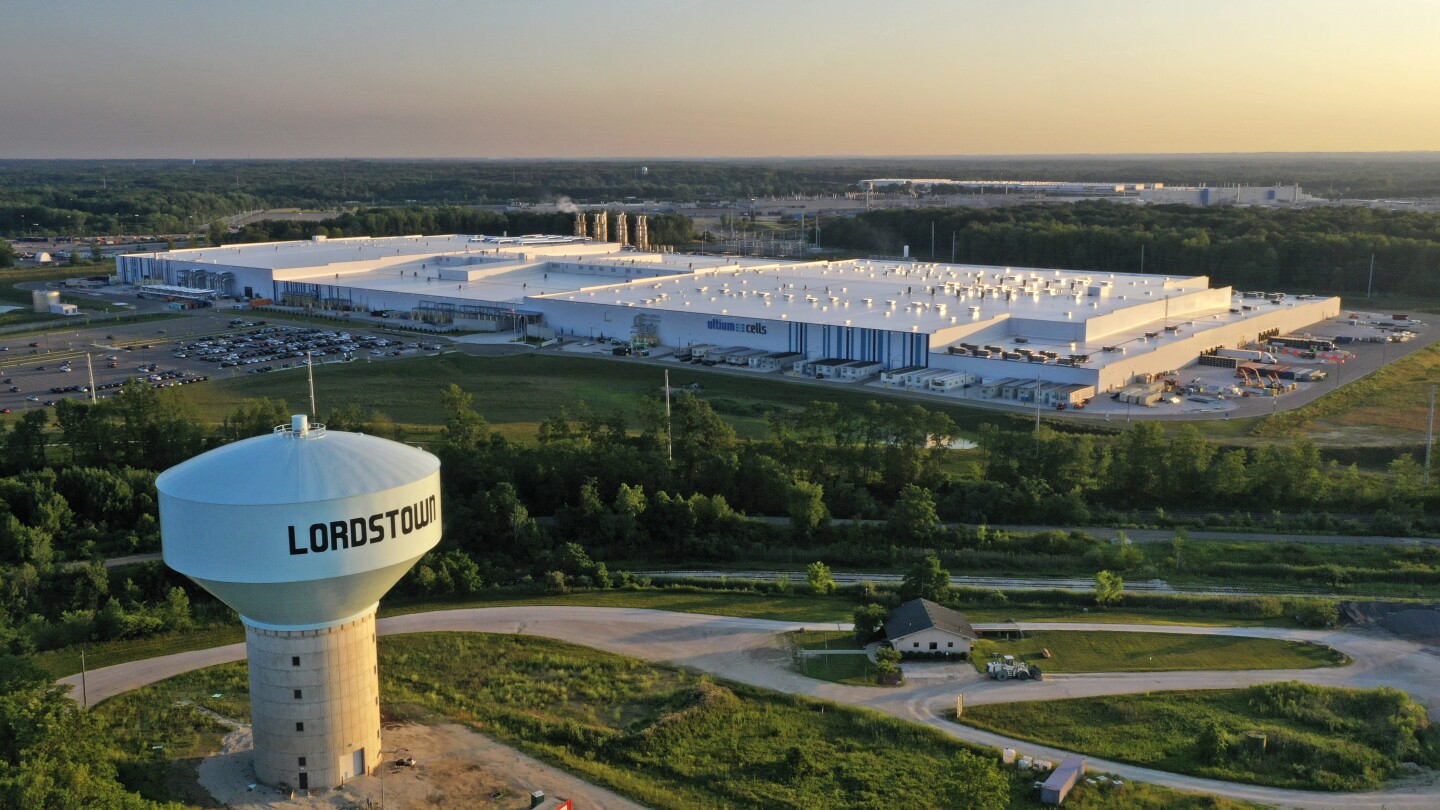
China has filed a complaint with the World Trade Organization against the U.S. over what it perceives as discriminatory requirements for electric vehicle subsidies, specifically related to the exclusion of products made by Chinese companies from tax credits. This move challenges President Joe Biden's climate legislation and could impact the global supply chain for new energy vehicles. The real-world impact of the case is uncertain due to the dysfunctional WTO Appellate Body, but it reflects the growing tensions in international trade related to electric vehicles and battery technology.
WTO negotiations in Abu Dhabi failed to reach consensus on major reforms, including agriculture and fisheries, but extended the moratorium on digital trade tariffs for two years. The talks, which were described as intense and difficult, highlighted fissures between some of the world's top economies. The U.S. expressed concern over potential fragmentation among the BRICS group, while India and China disagreed on key issues. The weak outcomes from the meeting serve as a wake-up call for the need for a more constructive debate on the role of trade in society, and the UAE's efforts to emphasize multilateralism and dialogue were not fully realized.
The World Trade Organization (WTO) faces a critical moment as its 164 member countries gather in Abu Dhabi to negotiate the future of world trade, including issues such as fishing subsidies, digital trade, dispute settlement, food security, and Covid-19 treatment patent waivers. The organization is grappling with challenges such as conflicting member goals, economic fragmentation, and retreating American leadership on global trade, raising concerns about its ability to create new global trade rules. Despite the contentious backdrop, WTO Director General Ngozi Okonjo-Iweala remains optimistic about the organization's relevance and points to ongoing negotiations and the accession of new members as signs of its continued importance.
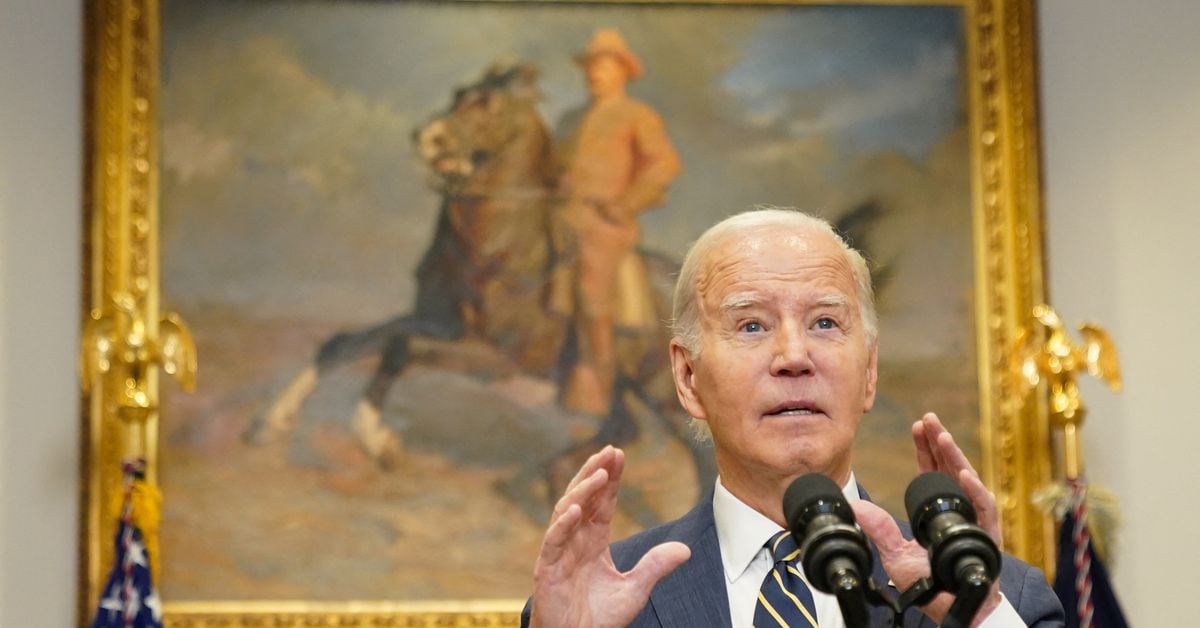
China has criticized the Biden administration's plans to limit Chinese content in batteries eligible for electric vehicle (EV) tax credits, stating that it violates international trade norms and disrupts global supply chains. The plans would make investors in the US EV supply chain ineligible for tax credits if they use critical materials from China or other countries deemed a "Foreign Entity of Concern." China's dominant position in the global battery supply chain has raised concerns among US and European officials, leading to investigations into unfair state subsidies. Analysts question whether the US and EU measures match the scale of the risk posed by China's position in global battery supply chains.
Ukraine has filed a complaint with the World Trade Organization (WTO) over its neighbours' grain import bans, alleging that these restrictions violate international trade rules. The complaint specifically targets Russia, Kazakhstan, and Belarus, who have imposed bans on Ukrainian grain exports. Ukraine argues that these bans are unjustified and discriminatory, and is seeking a resolution through the WTO's dispute settlement process.
The World Trade Organization (WTO) has issued a warning about the fragmentation of global trade into allied blocs, emphasizing the need for cooperation and multilateralism. The organization expressed concerns that the growing trend of countries forming exclusive trade alliances could lead to a more divided and less efficient global trading system. The WTO urged nations to prioritize open and inclusive trade policies to ensure the stability and prosperity of the global economy.