Southwest Airlines CEO Bob Jordan is taking a stand against excessive meetings by blocking his calendar every Wednesday to Friday afternoon to focus on work, highlighting a broader trend among business leaders to reduce ineffective meetings and improve productivity. Other CEOs like Jensen Huang and Jamie Dimon are also adopting strategies to streamline meetings, emphasizing the importance of purposeful and efficient interactions in the workplace.
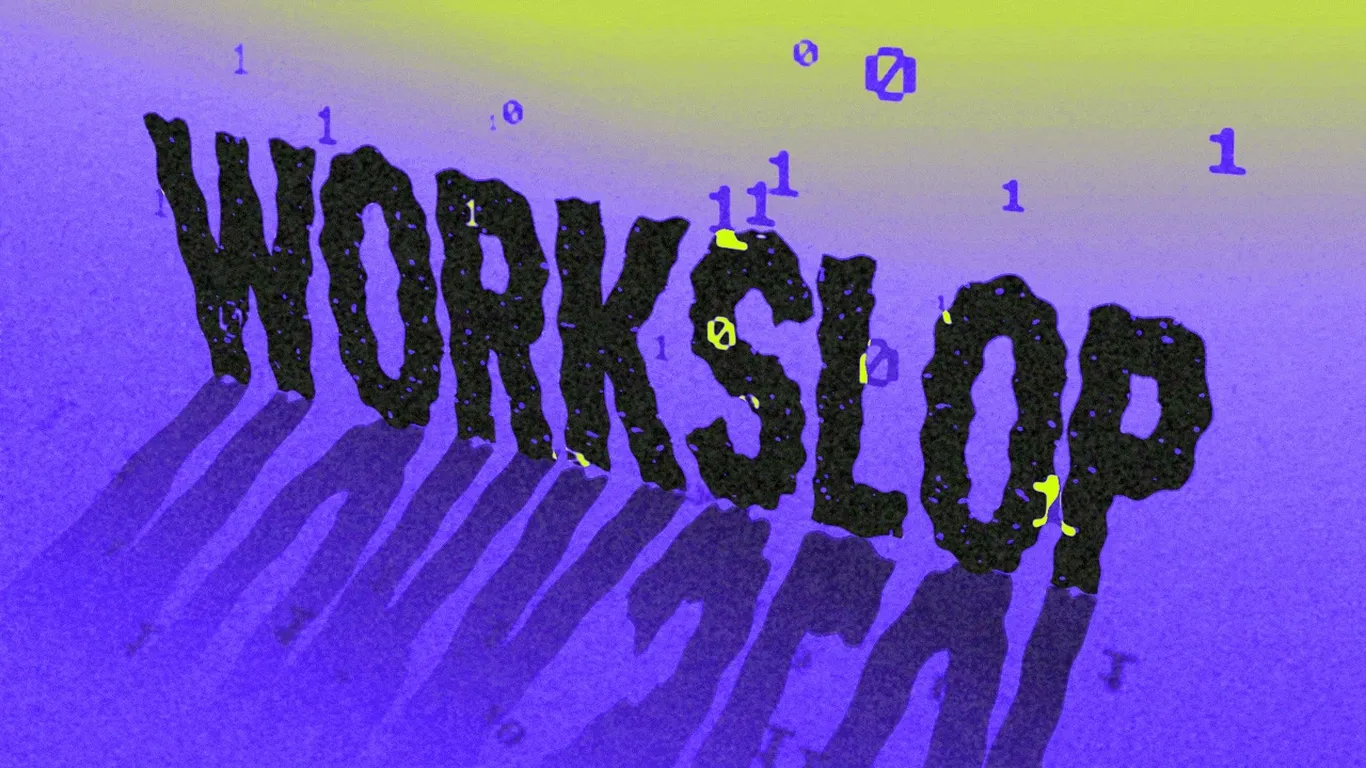
A study highlights the rise of 'workslop,' low-quality AI-generated content that hampers workplace efficiency, costing organizations millions annually and causing frustration among employees, despite AI's potential to improve work processes.
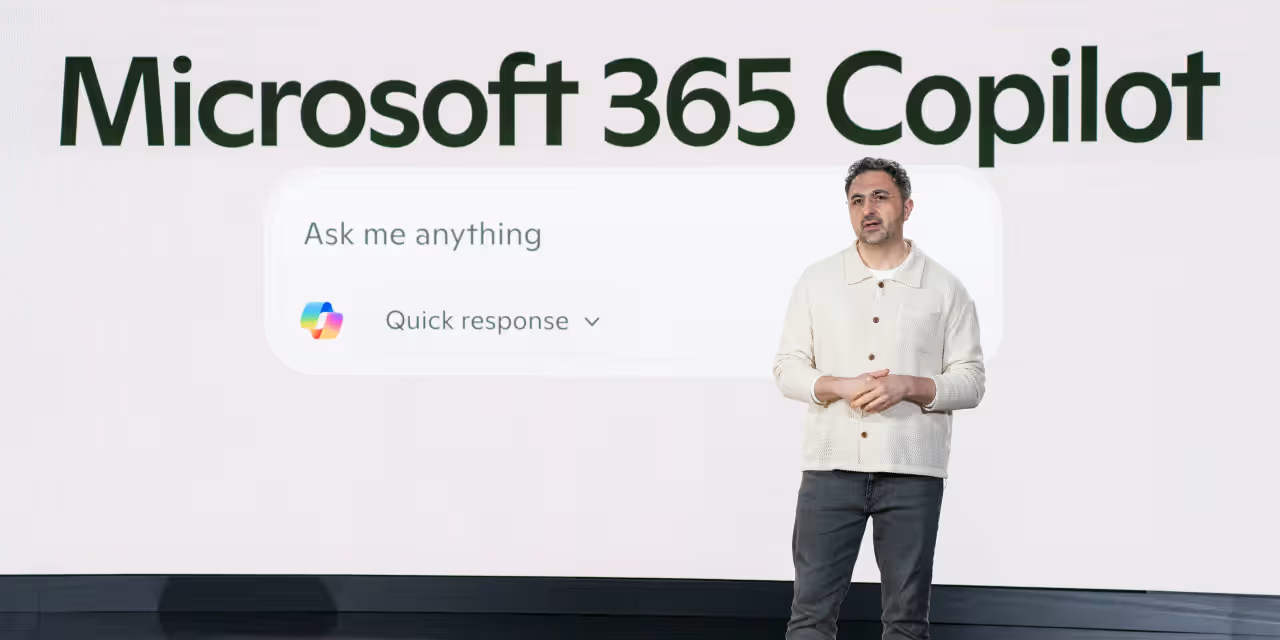
A UK survey shows that Microsoft 365 Copilot, an AI tool integrated into the productivity suite, saves civil servants an average of 26 minutes daily, with high adoption and engagement, indicating significant productivity gains and positive intangible benefits, despite some limitations and ongoing development.
Employers are increasingly seeking employees with AI skills, particularly in the areas of generative AI and AI tools such as ChatGPT. The use of AI in various roles, from HR to content creation and software development, offers efficiency benefits and the potential for faster business growth. However, there are concerns about the personalization and potential biases of AI systems, as well as the need to ensure legal and security compliance. While AI is seen as a tool to enhance job performance rather than replace humans, there is a lack of formal AI training and guidelines provided by employers. Workers can acquire AI skills through experimentation, online courses, and understanding the purpose of using AI in their specific roles. The focus should be on creating a hybrid human-AI workforce to improve work processes.
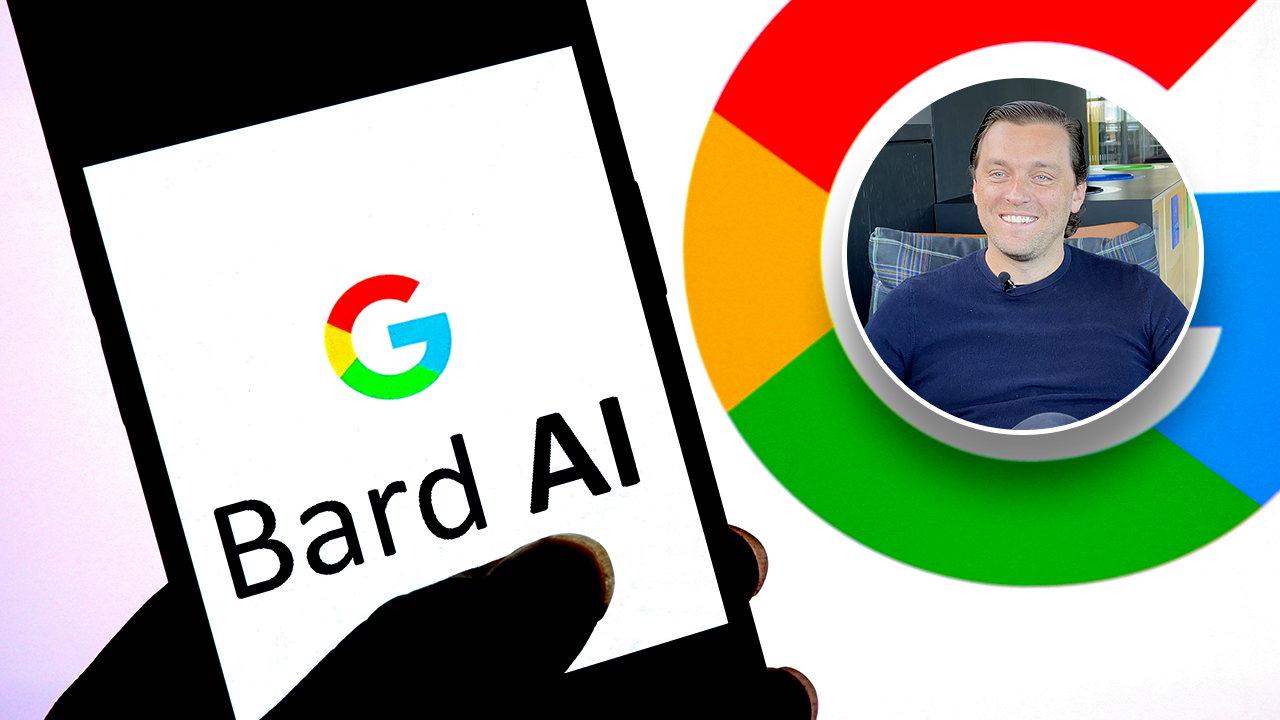
Google Bard product lead Jack Krawczyk addressed concerns about artificial intelligence (AI) in an interview, stating that computers now do things with people rather than just for them. He emphasized that AI is not meant to replace humans but to accelerate creativity and improve outcomes. Krawczyk highlighted the use of AI in job hunting, where it can help find open positions and prepare individuals for interviews. He also discussed the positive impact of Google Bard in the workplace, with users reporting increased productivity and higher-quality work. Krawczyk emphasized the importance of responsible and ethical use of AI, acknowledging the need for continuous evaluation of its societal, psychological, and ethical implications.
Industry leaders predict that artificial intelligence (AI) will enhance and complement human work, rather than replace it. While AI may substitute some tasks, it will mostly help people work faster and focus on critical and creative thinking. Experts expect AI to increase workplace efficiency, allowing people to do more complex tasks and analyze more information. AI accuracy is expected to reach 99.99%, but it will never replace human judgment calls. AI will transform companies by integrating and summarizing vast amounts of information, leading to better jobs, higher productivity, and more satisfaction.