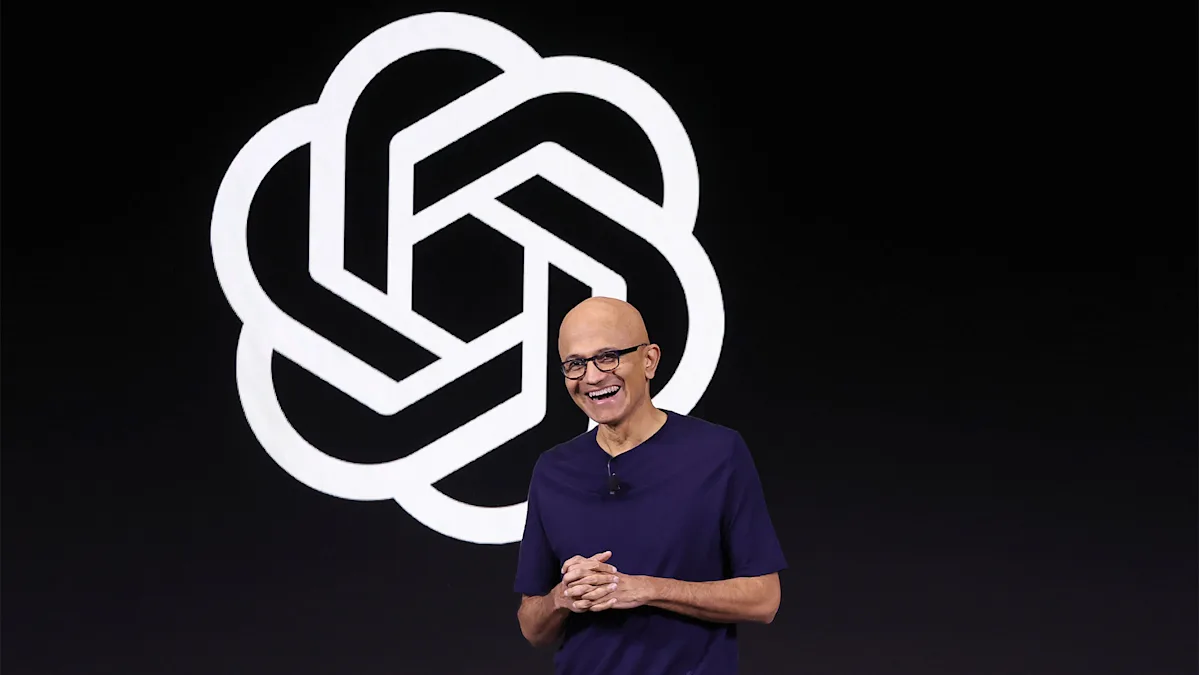
Microsoft CEO Satya Nadella emphasizes shifting the perception of AI from 'slop' to a 'bicycle for the mind,' advocating for AI as a human-augmenting tool rather than a replacement, amidst ongoing debates about AI's impact on employment and productivity.
AI pioneer Yoshua Bengio warns that automation and AI advancements are rapidly threatening jobs across all sectors, including trade jobs, and could even impact democracy within the next five years, urging leaders to address these risks proactively.
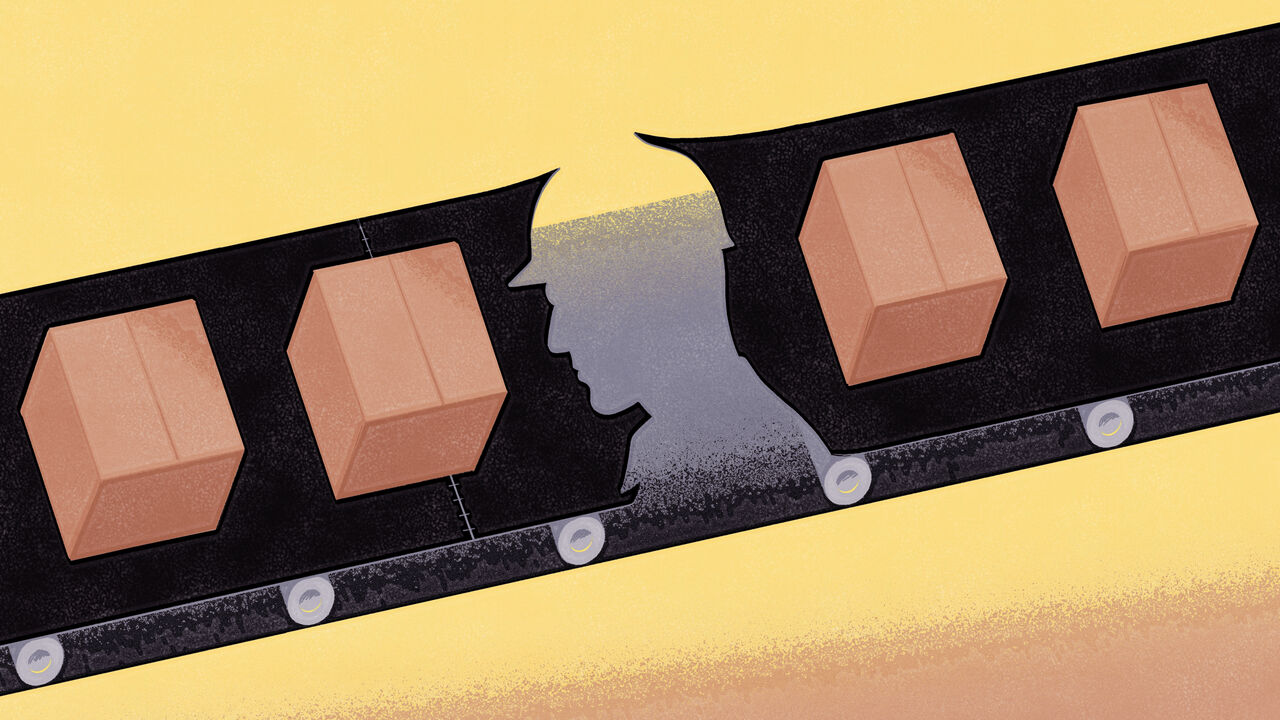
The article discusses how AI is leading to significant layoffs among white-collar workers in major companies like Amazon, JPMorgan, and Nestlé, as firms aim to automate tasks traditionally performed by humans, which could result in a substantial short-term job loss but potentially increased productivity and profits in the long run.
A survey by SHRM indicates that while some jobs, especially those involving math and computer tasks, are at risk of automation, the overall threat to employment is less severe than predicted, due to nontechnical barriers like client preferences, legal issues, and cost-effectiveness. Jobs requiring human interaction, such as healthcare and social services, are less likely to be automated, suggesting a shift towards valuing interpersonal skills in the workforce.
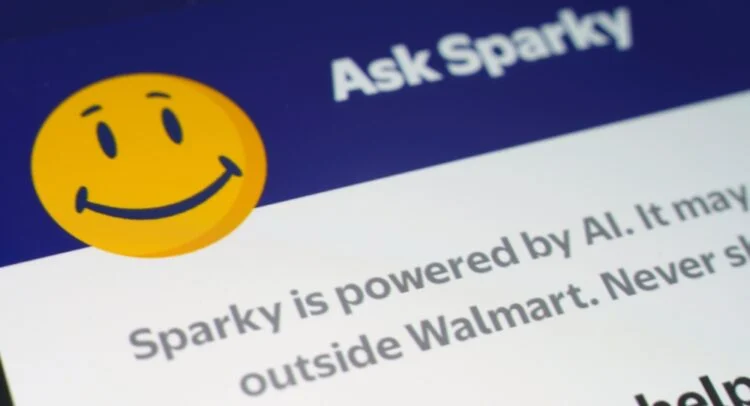
Walmart's CEO announced that AI will significantly change jobs in the US, leading to some job reductions but also new opportunities, while the company invests in AI training for staff and develops AI tools, though it remains cautious about humanoid robots, emphasizing the human touch in customer service.
A Microsoft report highlights that jobs involving information gathering, synthesis, and communication, such as translators and journalists, face high AI takeover risk, while physically demanding and interpersonal roles are more secure. The study emphasizes that AI's impact on jobs is complex and often counterintuitive, with potential for both displacement and creation of new roles, and underscores adaptability as a key skill in the evolving job market.
Microsoft's study analyzes how AI can be applied to various jobs, finding that knowledge-based roles like computer, math, and administrative support are more AI-relevant, while blue-collar jobs like dishwasher or cement mason are less susceptible to automation. The study suggests that AI's relevance doesn't necessarily mean job loss, but recent trends indicate some industries may experience disruptions. Overall, careers involving information and communication are more likely to be augmented by AI, whereas manual labor jobs are less affected.
A Microsoft Research study highlights 40 jobs most at risk from AI, such as writing, customer support, and data analysis, while identifying 40 roles less vulnerable, mainly those requiring physical presence or manual skills. The study emphasizes that AI may augment rather than replace jobs, with manual and in-person roles remaining safer for now, but warns of potential long-term shifts in the job landscape, urging workers to upskill and adapt to hybrid workflows.
Microsoft researchers found that AI chatbots are most likely to automate jobs involving communication and information sharing, such as translators and writers, but are less impactful on physical labor jobs. The study analyzed 200,000 conversations to determine which careers might be affected by AI, emphasizing that AI supports rather than replaces many tasks, and highlighting the need for ongoing research into its societal and economic effects.
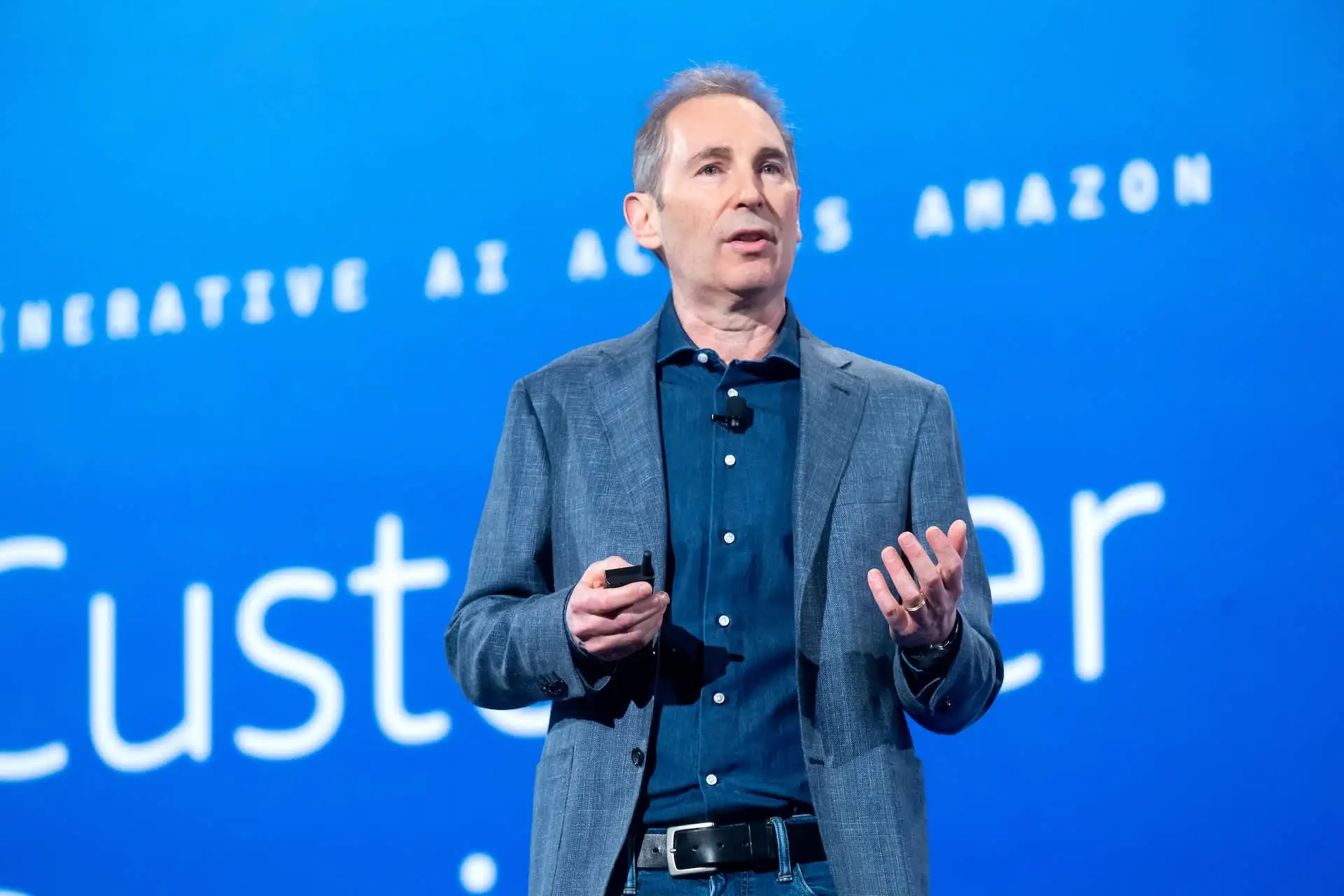
Amazon CEO Andy Jassy announced plans to heavily incorporate generative AI, which will reduce the company's human workforce and shift jobs towards more strategic and creative roles, sparking concerns about job security and environmental impact due to increased energy consumption from data centers. While Amazon is taking steps to reduce pollution, experts suggest consumers can also contribute to sustainability efforts.
CEOs across various industries warn that AI will significantly reduce jobs, with predictions of massive white-collar layoffs, yet recent US labor data shows job growth and rising long-term unemployment, suggesting the economic impact of AI may be less dire than feared and intertwined with broader market issues.
The article discusses the declining importance of traditional factory work in the US and explores the future of employment, emphasizing the shift towards new types of jobs and the impact of trade policies and automation.
The article discusses the importance of preparing for society-shifting AI advancements by understanding various AI models, experimenting with them, mastering prompt techniques, and leveraging AI to enhance productivity, while also being aware of the potential job disruptions caused by automation.
A new study from MIT's CSAIL suggests that AI may not automate as many jobs as previously expected, finding that the majority of jobs identified as at risk of displacement are not economically beneficial to automate at present. The study focused on jobs requiring visual analysis and found that only 23% of wages for these tasks would be economically attractive to automate with AI. The researchers emphasize the importance of preparing for AI job automation, but also reveal that the process will take years or even decades to unfold, providing time for policy initiatives to be put into place.
A study by the UK's Department of Education reveals that 10-30% of occupations, mostly white-collar jobs, can be automated by AI. AI chatbots, such as ChatGPT and Google Bard, have the potential to take over jobs for telephone salespersons, solicitors, psychologists, teachers, and market and street traders and assistants. The study also identifies management consultants, business analysts, financial managers, accountants, and psychologists as the jobs most likely to be exposed to AI in general. However, AI can also enhance workers' roles by automating routine tasks and allowing them to focus on more challenging and personalized tasks.