A Bloomberg report claims Naughty Dog mandated employees to work at least eight extra hours weekly, reaching up to 60 hours, over the past seven weeks to meet project deadlines, with increased in-office work disrupting routines. The studio has not commented on these claims.
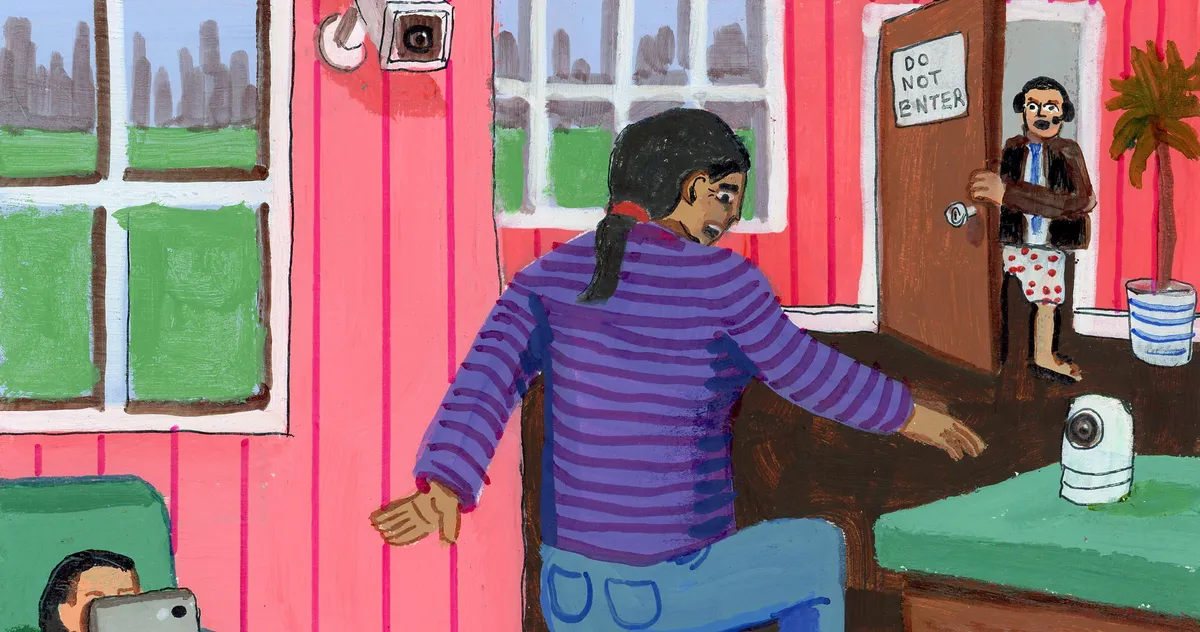
New York City nannies are increasingly frustrated with demanding, micromanaging millennial parents who have high expectations, monitor their every move, and often pay less while treating caregiving as a rigid, controlled task, leading many to consider leaving the profession for better opportunities.
Former chefs share their reasons for leaving the culinary industry, citing low pay, lack of benefits, physical and mental health issues, burnout, and the desire for a better work-life balance, with many expressing frustration over industry practices and toxic work environments.
Employees and ex-employees of Build A Rocket Boy have accused the studio's leadership of mistreatment, mismanagement, and mishandling of layoffs, leading to legal action by union members. The open letter highlights issues such as lack of transparency, excessive overtime, and wrongful dismissals, amid a poorly received game launch and ongoing employee grievances.
The article shares revealing industry secrets from 15 employees across various fields, exposing harsh working conditions, low pay, safety concerns, and misconceptions about their jobs, highlighting the often unseen struggles behind different professions.
The article explores the hidden world of AI trainers and data annotators who help develop and refine AI models, highlighting their often low-paid, unpredictable, and ethically ambiguous work, as well as the rapid technological changes impacting their jobs and the broader AI industry.
A former SSA official, Charles Borges, alleges retaliation after exposing a data security breach involving sensitive American information, leading him to resign due to an intolerable work environment and concerns over potential violations of federal law.
Despite a $12 billion investment to modernize equipment, U.S. air traffic controllers remain frustrated with longstanding issues like staffing shortages, grueling schedules, stagnant pay, and poor work conditions, which threaten the safety and efficiency of air travel. While efforts are underway to upgrade technology and increase staffing, controllers and union leaders emphasize that addressing quality-of-life concerns is crucial for long-term improvements.
A new $400 million meatpacking plant in Nebraska, Sustainable Beef, is transforming perceptions of slaughterhouse work by offering improved conditions, higher pay, and daytime shifts to attract local workers and immigrants, aiming to revitalize the industry and create additional jobs, despite some local concerns about demographic changes.
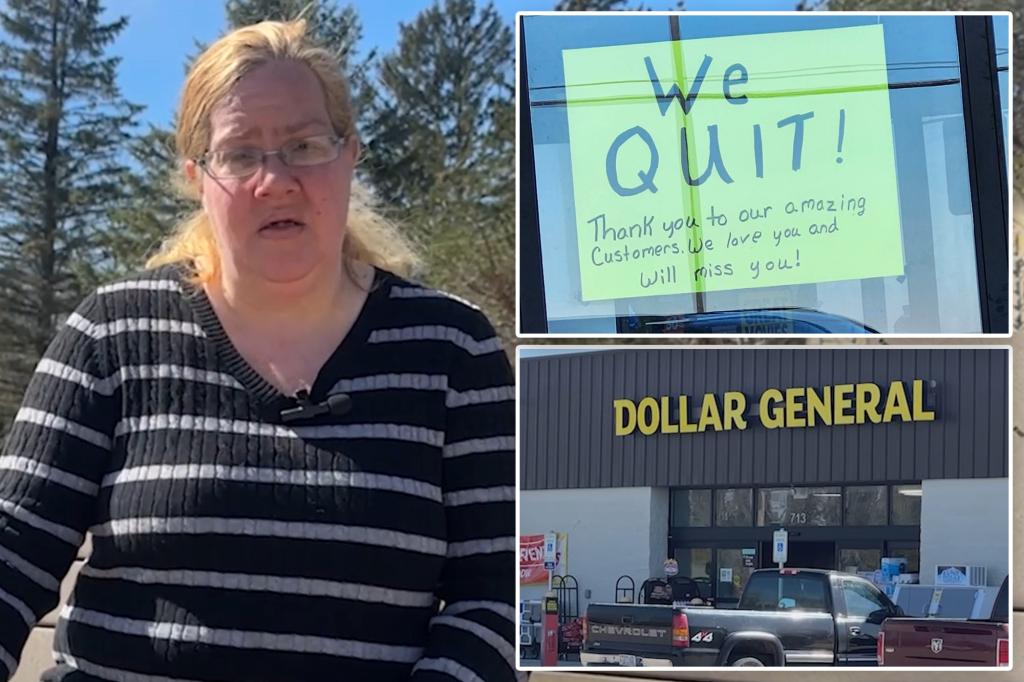
The entire staff at a Dollar General store in Wisconsin quit over seven-day work weeks and a "lack of appreciation," leading to a brief store closure. The employees left a handwritten sign on the door explaining their departure, citing issues with being overworked, underpaid, and witnessing the disposal of usable items. Dollar General stated that it works with Feeding America but has specific donation guidelines. The store quickly reopened with new staff, and the company had a hiring sign in the window prior to the mass resignation.
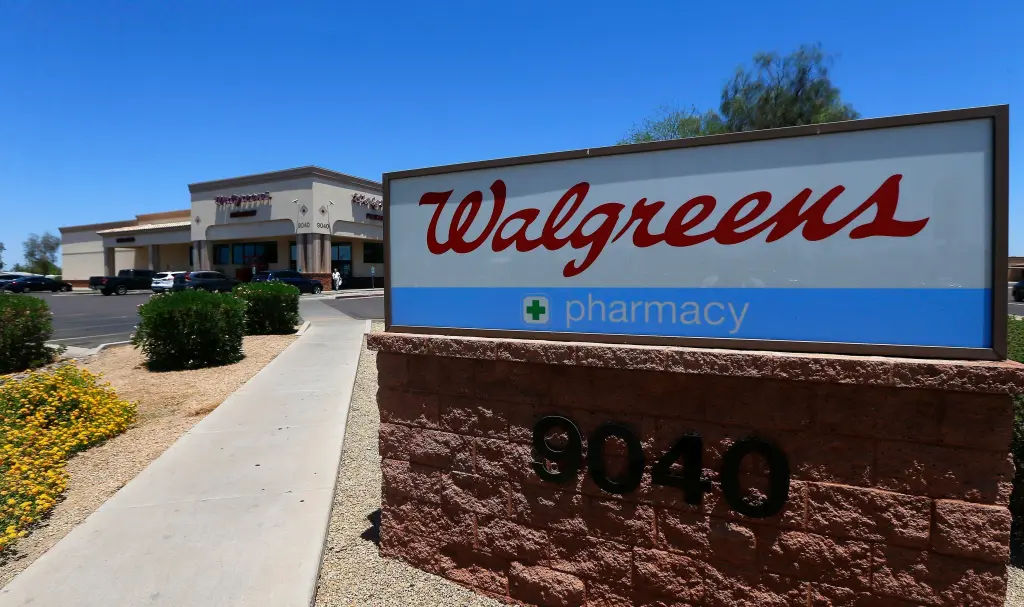
Walgreens pharmacy staff have staged walkouts across more than 300 locations, expressing concerns over working conditions that put employees and patients at risk. The walkouts were organized by non-unionized workers who are demanding improved transparency, training hours for new team members, and adjustments to tasks and expectations based on staffing levels. The company spokesperson downplayed the disruptions, stating that no more than a dozen pharmacies were affected. If Walgreens fails to address the concerns, further walkouts may occur at the end of the month.
Walgreens locations in Denver and across the country are experiencing disruptions as thousands of pharmacists walk off the job to protest work conditions, including understaffing. The walkouts, which began on Monday, are expected to last through Wednesday. Walgreens, the nation's second-largest pharmacy chain, has apologized for any inconvenience caused and stated that only a small number of pharmacies have been affected. CVS, the largest player in the pharmacy industry, also faced similar walkouts by pharmacists in September. The Colorado Pharmacists Society supports the actions of the pharmacists and plans to release data from a statewide survey on workplace conditions.
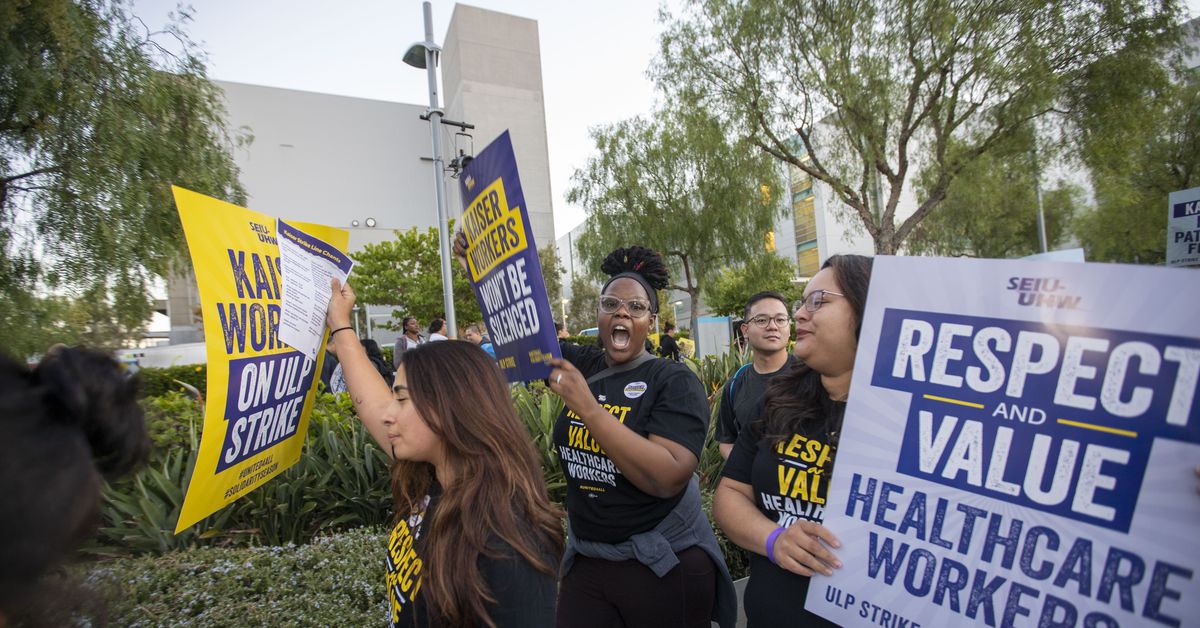
Over 75,000 Kaiser Permanente workers have gone on strike, highlighting the strained relationship between healthcare workers and the health systems that employ them. The strike, which is expected to last three days, is driven by concerns of overwork, low pay, and intolerable work conditions. The unions have requested a minimum wage of $25 per hour and annual raises of 7 percent, while the company has countered with a lower base wage and slower wage increases. The strike may lead to delays in patient care as nursing assistants and lab techs play crucial roles in supporting doctors and nurses. The issue of undervalued healthcare workers is a systemic problem in the US healthcare system, where hospitals rely on a fee-for-service model that does not bill for the labor provided by support staff. This strike at Kaiser Permanente may signal wider discontent among low-paid healthcare workers across the country.
Lack of paid sick leave, inflexible or late-night schedules, and inconsistent pay can have a significant effect on mental health, according to a new report from the US Centers for Disease Control and Prevention. Rates of serious psychological distress were significantly higher among workers who did not have paid sick leave than among those who did. Late-night shifts and less-flexible schedules also had a significant effect on workers’ mental health. The pandemic has accelerated conversations about the importance of mental health protections in the workplace.