Naughty Dog is enforcing mandatory overtime to meet deadlines for its PS5 exclusive game, Intergalactic: The Heretic Prophet, aiming for a mid-2027 release, amid concerns about ongoing crunch and project delays.
A Bloomberg report claims Naughty Dog mandated employees to work at least eight extra hours weekly, reaching up to 60 hours, over the past seven weeks to meet project deadlines, with increased in-office work disrupting routines. The studio has not commented on these claims.
Naughty Dog is reportedly experiencing crunch again for its upcoming PS5 game Intergalactic: The Heretic Prophet, with mandatory overtime and increased in-office requirements despite previous efforts to address overwork issues, raising concerns about the studio's work culture.
Larian Studios CEO Swen Vincke admitted that the development team for Baldur's Gate 3 had to work overtime, or "crunch," to complete the game, though it was less than for previous projects. Vincke emphasized that while some overtime is inevitable in game development, the team did not overly crunch, with employees rarely working past 8pm or on weekends. The issue of crunch remains controversial in the gaming industry, but Baldur's Gate 3 has been highly successful, earning numerous awards and a perfect score from IGN.
Deck Nine, the developers behind the Life is Strange series, have been accused of fostering a toxic workplace culture including sexism, crunch, and abusive behavior. Allegations include staff working up to 80 hours a week, toxic behavior left unaddressed by management, and references to Nazi slogans and racist memes found in an upcoming game. The studio's response includes claims of implementing better practices and conducting thorough internal investigations.
Rockstar is reportedly urging its workers to return to the office by April to prevent a potential delay of Grand Theft Auto 6 to 2026, with hopes for an early 2025 launch. Remote workers have expressed concerns about the mandate, citing fears of returning to crunch and its impact on work culture. Production on the game has reportedly been lagging, and the studio's push for in-office work has sparked controversy. If the game does slip to 2026, Rockstar may not have another title to fill the gap.
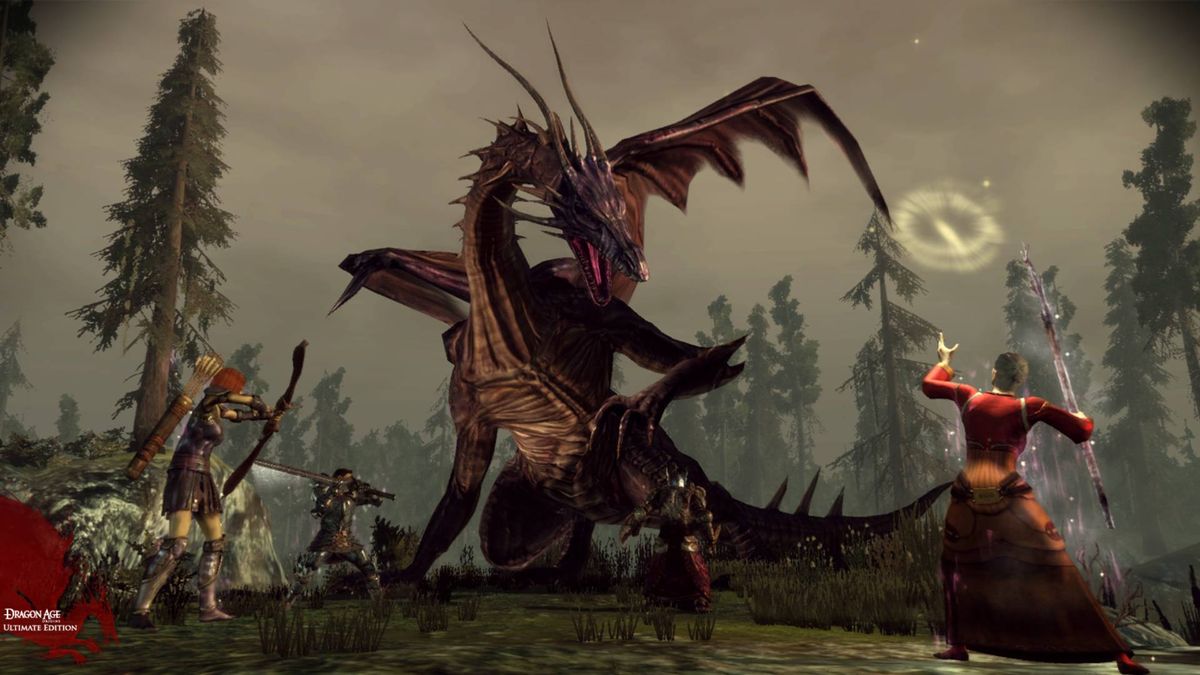
David Gaider, creator of Dragon Age's setting, criticizes the fear of crunch in the games industry, stating that if it's the only way to make games, "maybe the industry deserves to die." He advocates for a realistic work schedule at his studio, emphasizing that employees should not feel like "a resource to be tapped." Gaider believes that the industry's focus on photorealistic graphics and long playtimes does not necessitate overworking, and expresses concern over the recent layoffs in the industry.
A recent report on the development of The Day Before alleges mistreatment of Fntastic employees, including fines for mistakes, toxic management, and intense crunch, leading to a lack of clear vision for the game. The co-founders are accused of imposing punishments and firing employees at will, with one instance of a fine of $1930 for "low quality" voice recordings. The game was critically panned and shut down shortly after release, leading to refunds and the closure of the developer.
Reports reveal that the collapse of The Day Before game was preceded by relentless crunch, unrealistic deadlines, and fines for small mistakes imposed on employees by Fntastic founders. The game's development underwent drastic changes, with employees working long hours without breaks, resulting in a disastrous release and subsequent shutdown of the studio.
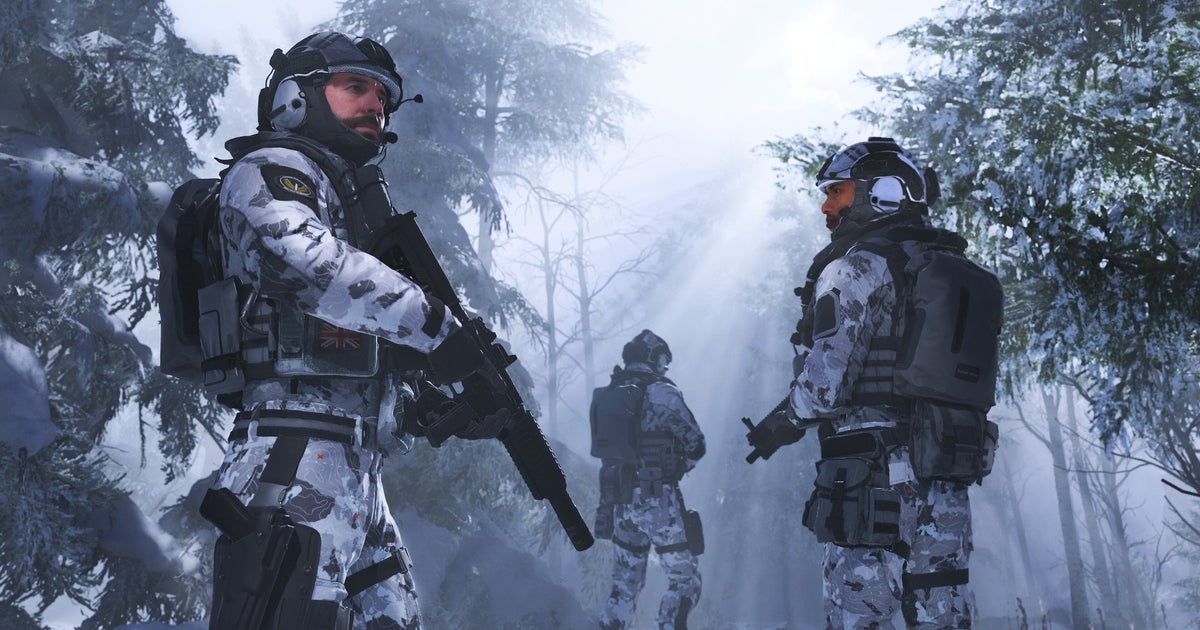
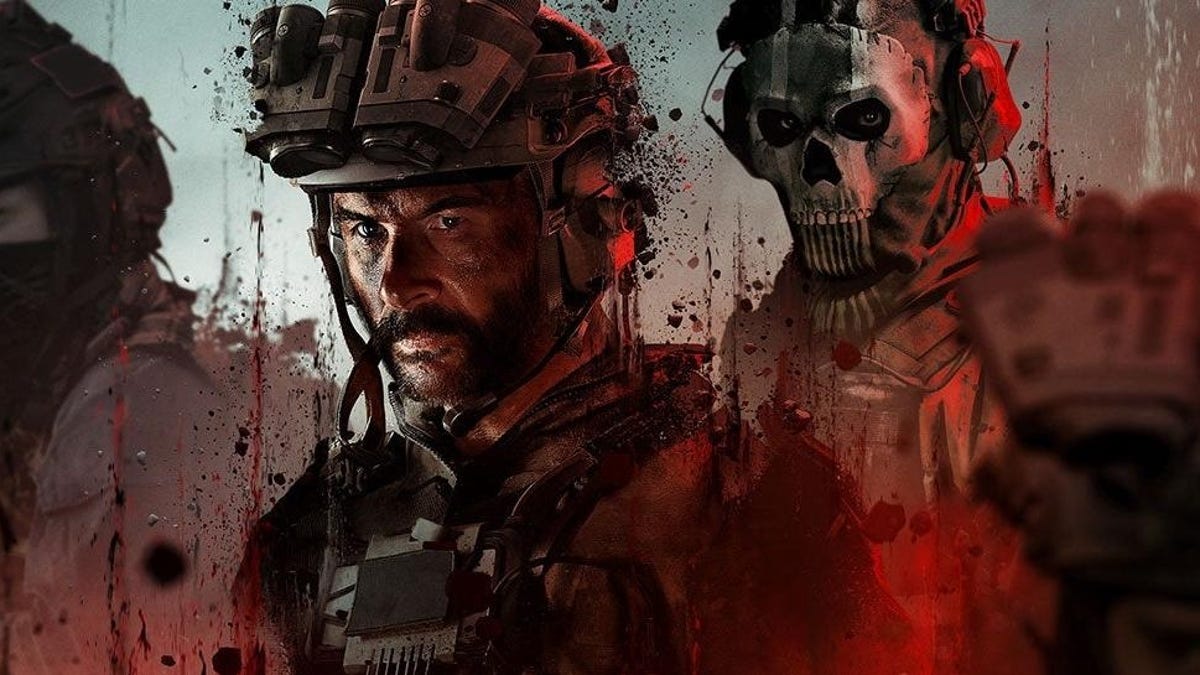
According to a report, Call of Duty: Modern Warfare 3 was developed in just 16 months, half the time of a typical Call of Duty release. Employees at developer Sledgehammer Games shared their experiences of working late nights and weekends to meet the tight deadline. The game initially started as an expansion to Modern Warfare 2 but was rebooted to become a full release. Staff felt "betrayed" and frustrated by the need to run their content by executives from Infinity Ward. The rushed development resulted in a campaign that was criticized as vapid and hastily assembled.
Developers of Call of Duty: Modern Warfare III reportedly worked nights and weekends to rush the game out in half the time of a normal sequel, in order to meet Activision's annual sales goals. The game's single-player campaign received criticism for feeling short, rushed, and incomplete. While Activision denied the claims, multiple current and former developers stated that they were promised a longer development cycle and felt betrayed by the company. The article raises questions about the sustainability of the franchise's development cycles and whether Microsoft, the new owner of Activision, will allow the series to take a year off for the first time in decades.