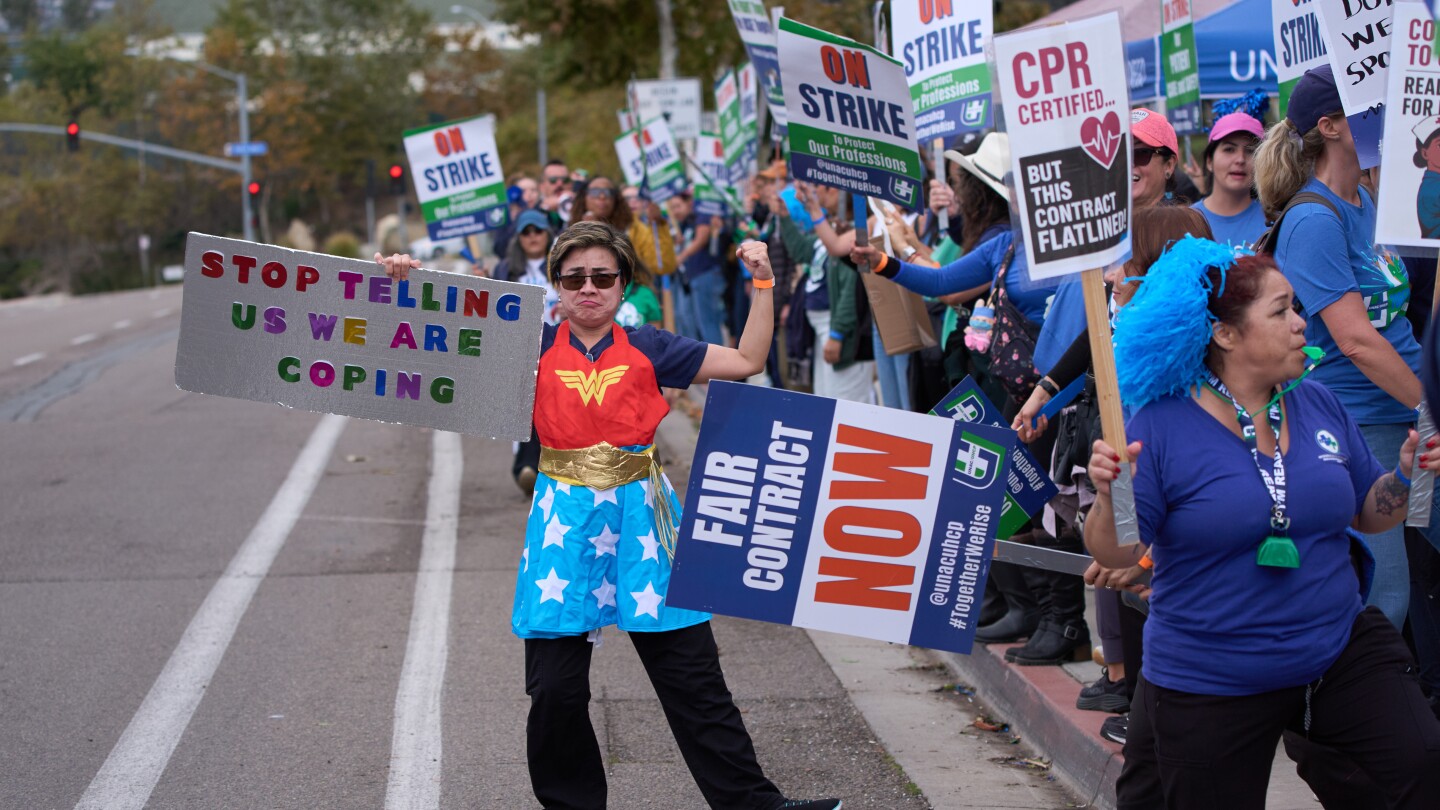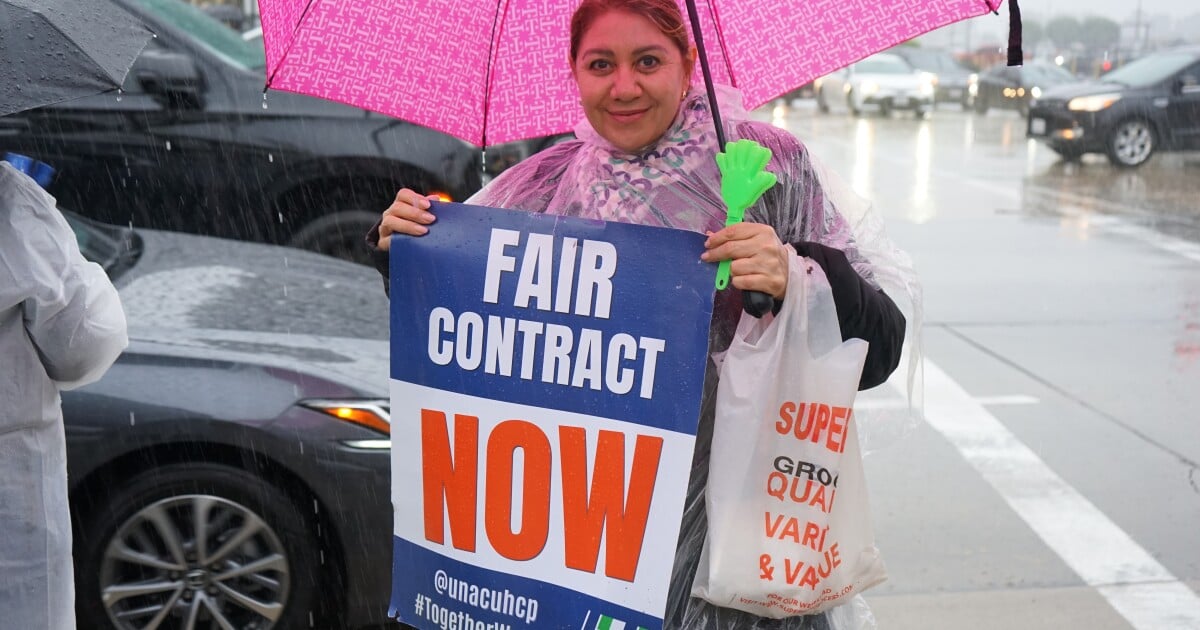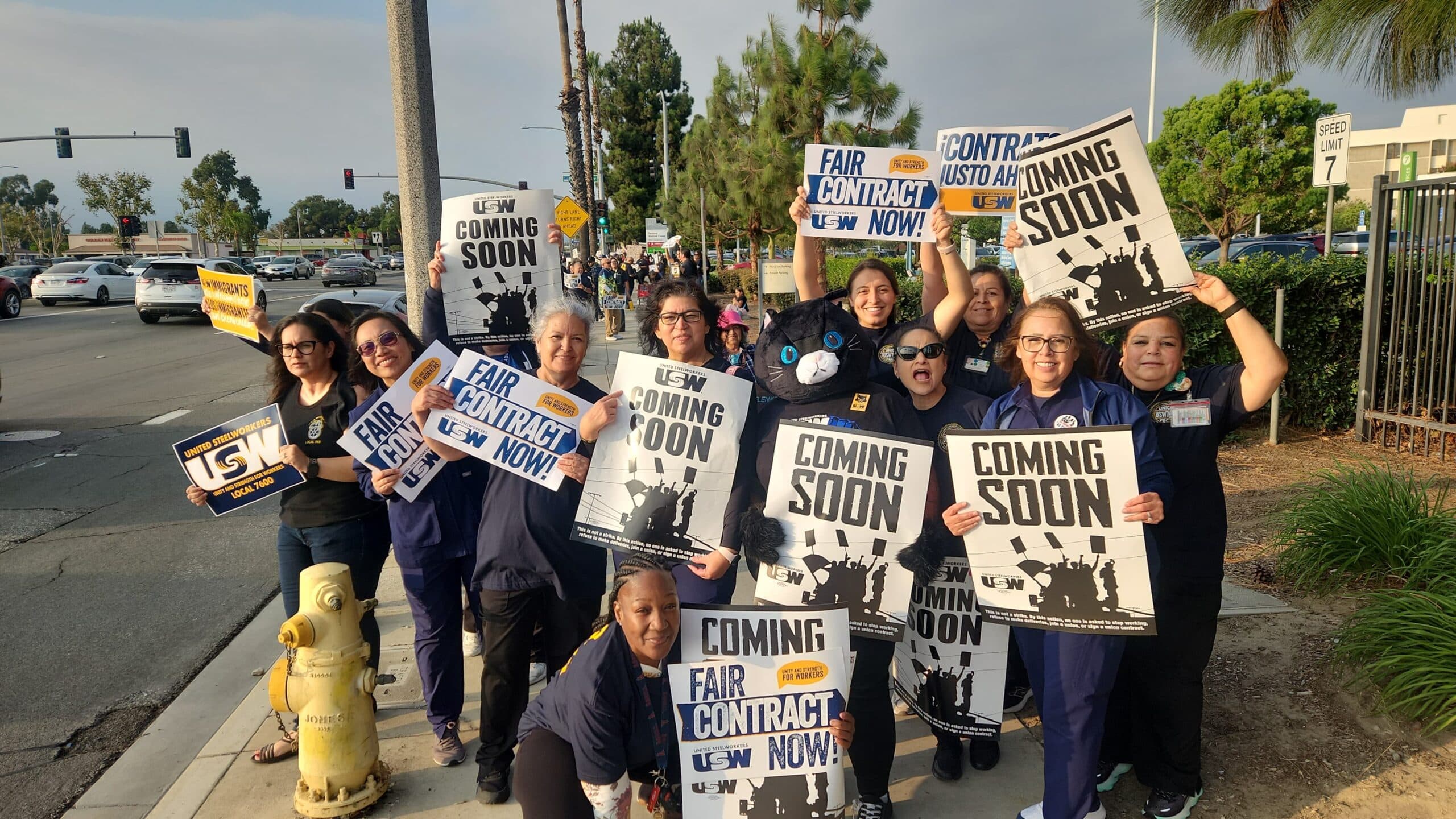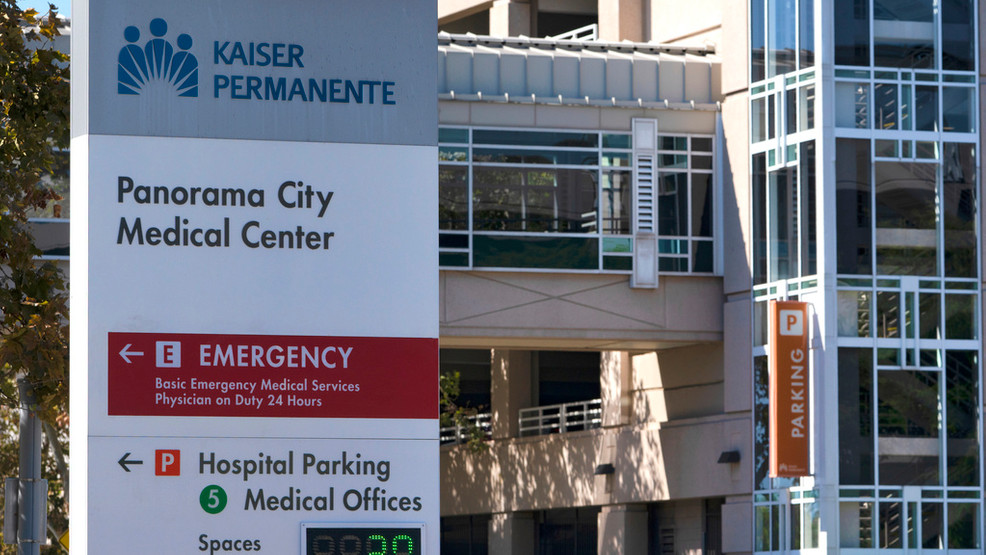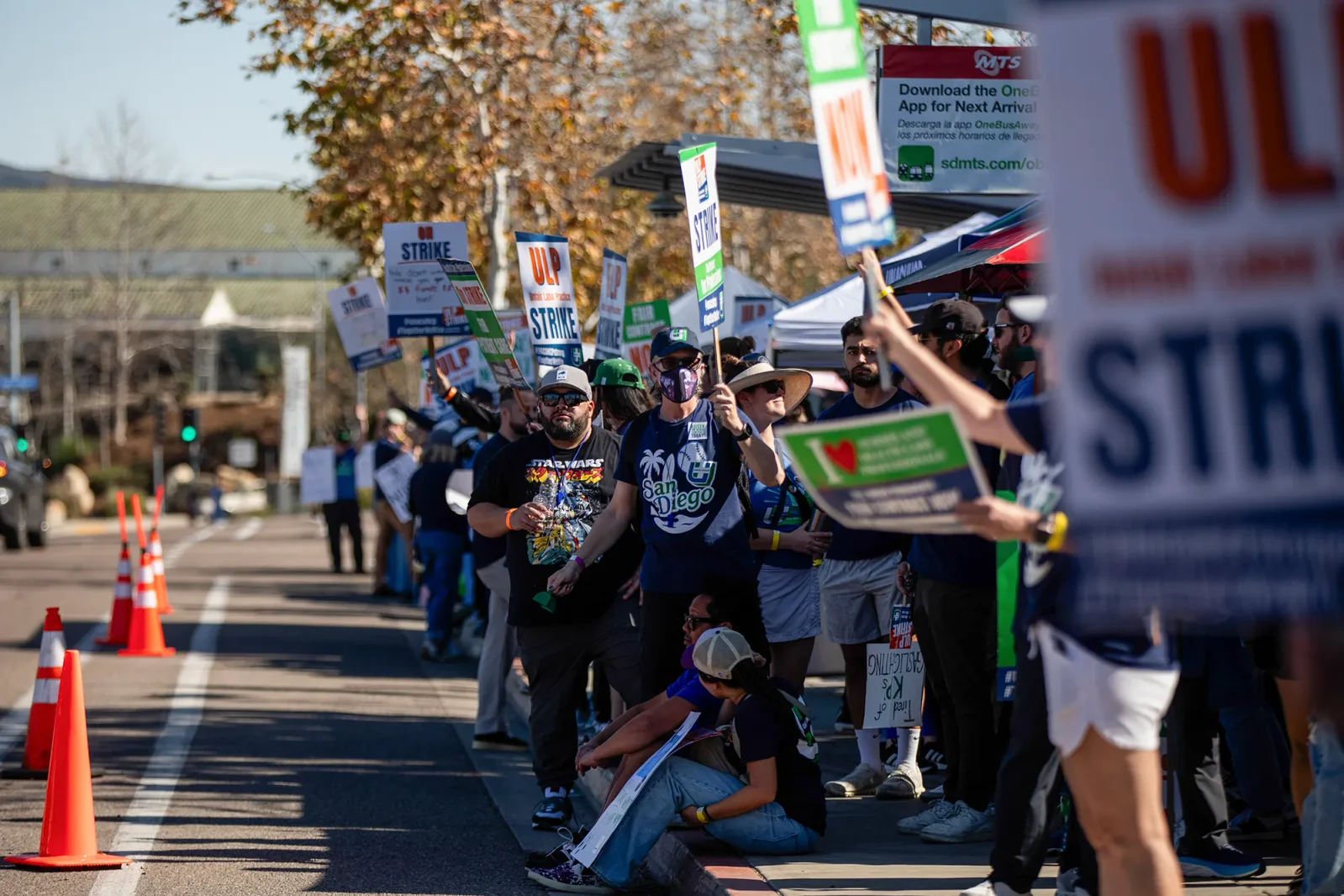
Approximately 31,000 Kaiser Permanente healthcare workers, including nurses, went on a five-day strike across California, Hawaii, and Oregon demanding a 25% wage increase over four years and better staffing, citing wages lagging behind inflation and peer benchmarks; Kaiser offers a 21.5% increase, and essential services remain operational with some adjustments.
Thousands of Kaiser healthcare workers in Southern California went on a five-day strike over pay and staffing issues, demanding higher wages and more input in scheduling, which could impact patient care and appointments.
Tens of thousands of Kaiser Permanente healthcare workers across multiple states are set to strike for five days starting October 14, due to unresolved contract negotiations focusing on staffing, wages, and benefits. The strike involves union members representing 62,000 employees, with some hospitals remaining open but shifting to virtual care for some services. Kaiser has offered wage increases and improved benefits, but union members feel their concerns are not adequately addressed. The company is preparing for the strike by onboarding additional staff and reassigning volunteers.
Over 8,600 Kaiser Permanente healthcare workers represented by USW Local 7600 have issued a 10-day notice of intent to strike starting October 14 if their demands for safe staffing, patient safety protections, and fair wages are not met, following unresolved contract negotiations.
A union representing 30,000 healthcare professionals at Kaiser Permanente has authorized a strike due to unresolved staffing and pay issues, criticizing the organization's stagnant wages and large financial reserves, and highlighting the broader national movement among healthcare workers for better conditions.
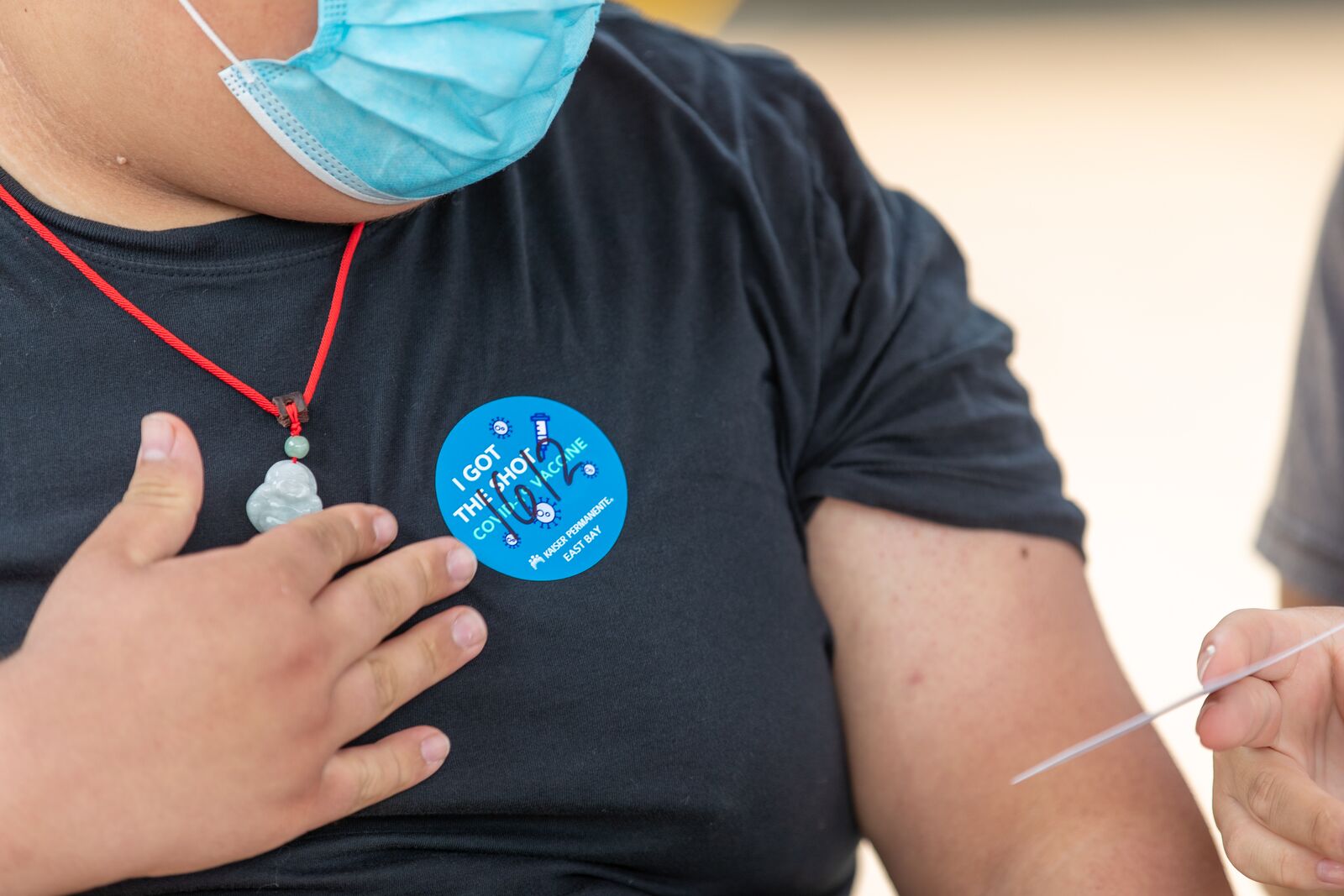
Kaiser Permanente will provide free Covid-19 vaccines for all members over 6 months old starting September 15, in contrast to FDA guidelines that restrict the vaccine to older or at-risk populations, aiming to increase access across California.
Kaiser Permanente will pause gender-affirming surgeries for patients under 19 due to political pressure from the federal government, leading to criticism from advocates and state officials who argue the move undermines transgender youth care and violates California law.
The National Union of Healthcare Workers has accused Kaiser Permanente of improperly terminating patients' access to mental health care by using "illegal criteria" and requiring "clinical care reviews," which the union alleges violates laws. Kaiser denies setting limits on therapy sessions and claims that decisions are made in consultation with patients based on clinical needs. The California Department of Managed Health Care is investigating these allegations under a recent settlement with Kaiser, which required the healthcare giant to pay a $50-million penalty and invest $150 million in improving mental healthcare.
The new postpartum depression drug zuranolone, priced at $15,900 for a 14-day regimen, faces uncertainty in coverage by private health insurers, with most yet to publish criteria for when they will cover it. Advocates are concerned about potential restrictive policies, such as requiring patients to try and fail standard antidepressants before being eligible for zuranolone. Kaiser Permanente's previous stringent criteria for its predecessor, brexanolone, led to regulatory actions and policy changes, offering hope for more patient-friendly policies for zuranolone. Insurers' policies for zuranolone will be written in a shifting regulatory environment around mental health treatment, with increased scrutiny on compliance with mental health parity laws.
The new prescription pill zuranolone for postpartum depression has hit the market, but most private health insurers have yet to publish coverage criteria, potentially limiting its use. Advocates are concerned about insurers' restrictive policies, such as requiring patients to try and fail on standard antidepressants before covering zuranolone. California's largest insurer, Kaiser Permanente, faced criticism for its rigorous criteria for the IV form of the drug, brexanolone, but has since revised its guidelines. With the regulatory environment around mental health treatment shifting, advocates hope for more patient-friendly policies and increased access to zuranolone.
San Diego Wave FC has unveiled its 2024 Jersey Collection, featuring the Del Sol primary jersey inspired by the city's sunset, the Poderosa secondary jersey representing the vibrant culture, and a pre-match kit with a wave-like pattern. Fans can customize their jerseys and will have the chance to see the Del Sol kit in action during the team's 2024 Home Opener on March 23.
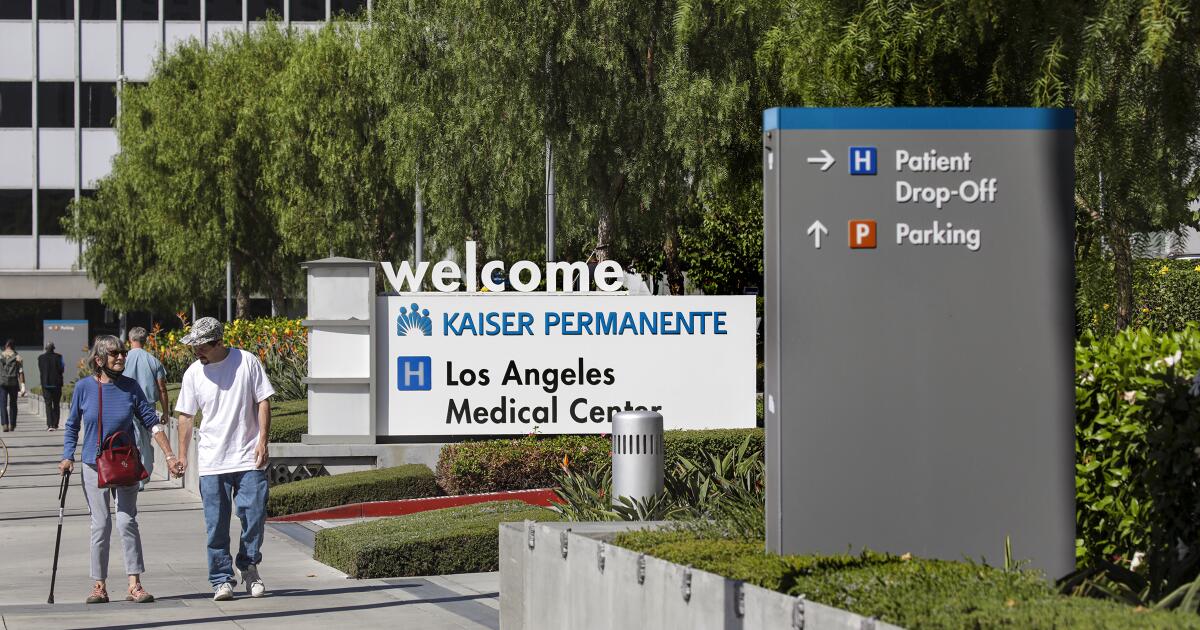
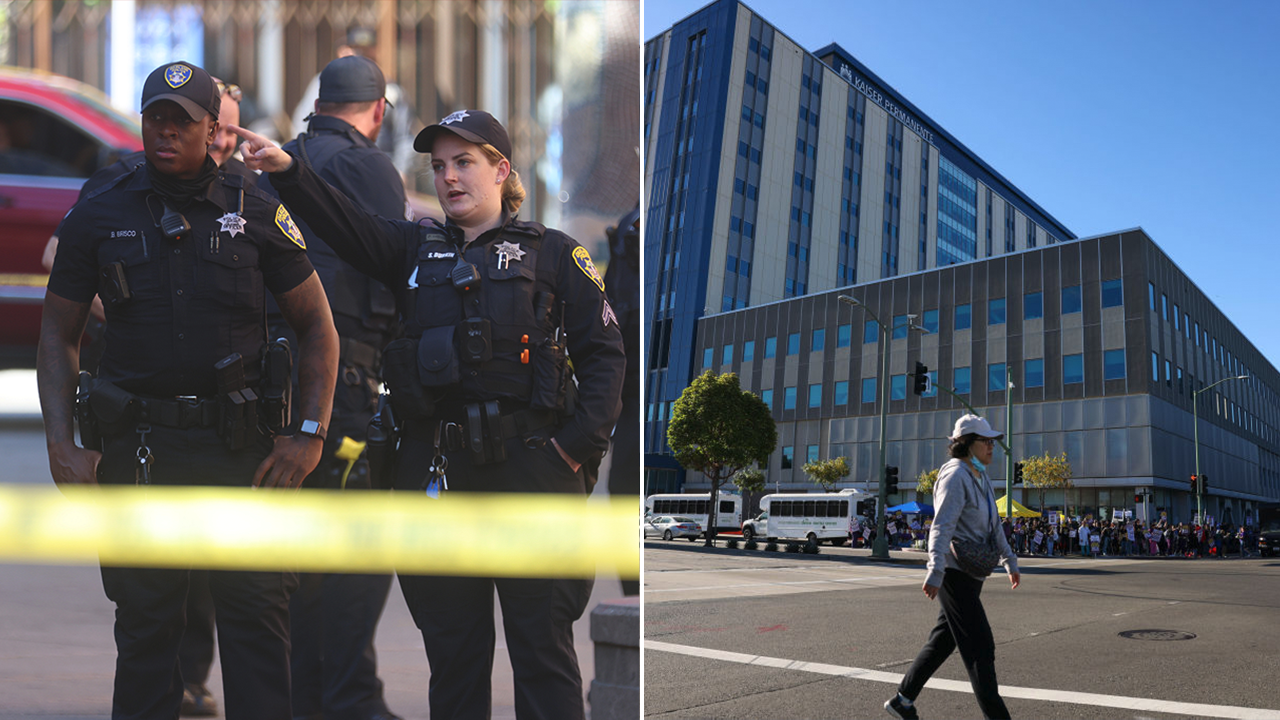
Kaiser Permanente in Oakland, California, has advised its employees to avoid eating outside due to ongoing crime affecting the city, following a string of robberies targeting workers at local businesses. This comes after fast-food chain In-N-Out announced the closure of its Oakland location in March due to frequent car break-ins, property damage, theft, and armed robberies. Some local business owners expressed concerns that such warnings may send the wrong message to criminals, while a Kaiser employee supported the decision for safety reasons.
Blue Cross/Blue Shield and Kaiser Permanente in Oakland have implemented safety measures for employees due to a surge in crime, including staying inside for lunch and arranging rides to work. The move comes after a 21% increase in violent crime in Oakland last year, prompting concerns among residents and business owners. The city has seen a rise in robberies, burglaries, and car thefts, leading to businesses like In-N-Out Burger closing due to safety concerns. Oakland's mayor denies that her policies are the sole cause of rising crime rates, while police officers express frustration with restrictive rules that limit their ability to curb crime.
Kaiser Permanente has advised its downtown Oakland employees to avoid going out for lunch due to safety concerns, following a series of robberies and security issues. Other large corporations in the area, such as Clorox and Blue Shield of California, have also increased security measures for their employees. While some workers support the recommendation, others express concern about the impact on local businesses and the ability to enjoy fresh air during lunch. The city of Oakland has acknowledged the public safety crisis and is working to address community safety in business districts.
A nurse at a medical center in California was injured in a freak accident when she became pinned between an MRI machine and a bed. The incident occurred due to the machine's magnetic force suddenly pulling the bed towards it. The nurse suffered "crushing injuries" and required surgery. An investigation revealed multiple safety failures, including the absence of MRI personnel, lack of screening, and failure to test safety alarms. The medical center is facing an $18,000 fine, and experts warn that MRI accidents can occur when best practices are not followed.