The SOLARIS initiative and Caltech's Space Solar Power Project (SSPP) are advancing the concept of space-based solar power, a technology first imagined in science fiction. Despite recent successful tests, including beaming energy to Earth, significant challenges remain, such as scaling up, autonomous deployment, and cost. Advocates argue that with continued innovation and investment, space solar power could become a viable, scalable solution for global energy needs.
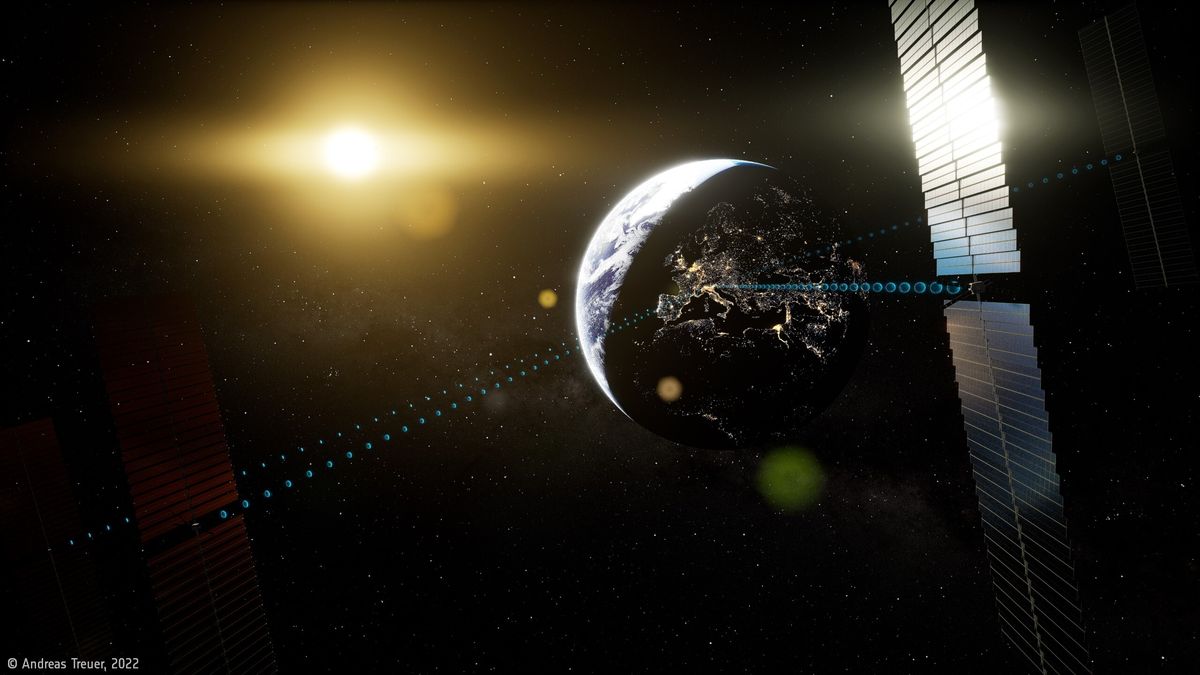
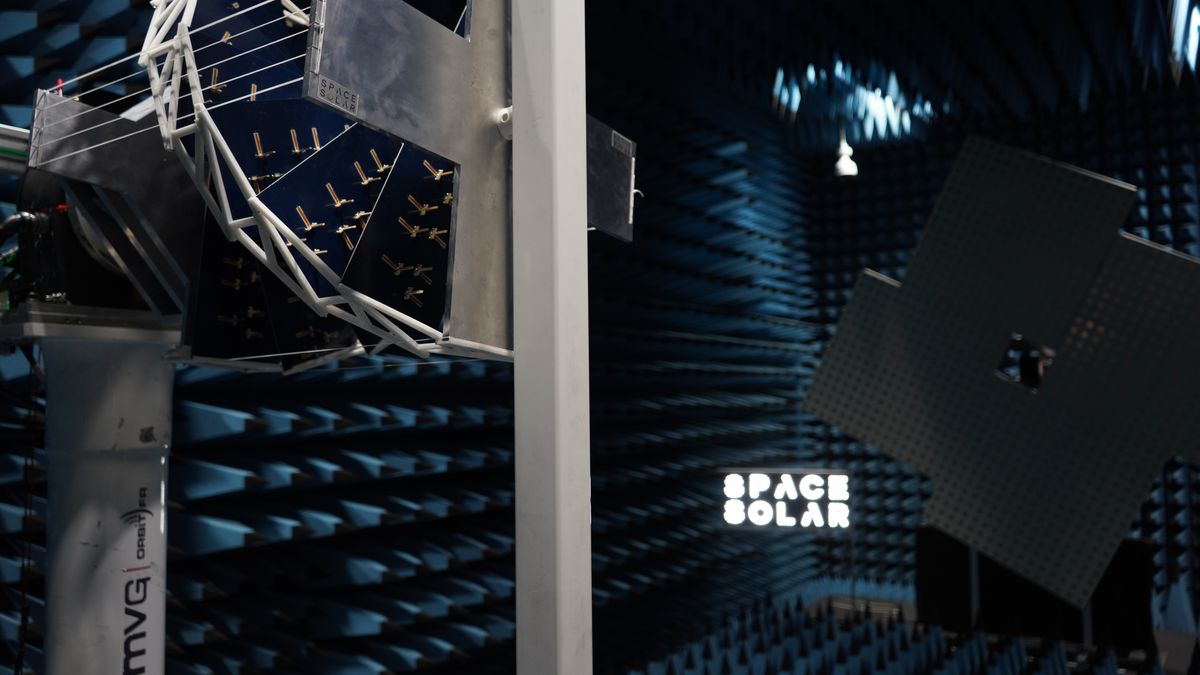
A U.K.-based startup, Space Solar, has successfully tested a wireless power transmission system for a space-based solar power plant, marking a significant step towards the development of the CASSIOPeiA concept. The system, designed to wirelessly transmit power 360 degrees around, aims to provide gigawatts of clean energy more efficiently than solar plants on Earth. Placed in geostationary orbit, CASSIOPeiA would be a vast modular structure assembled in space by robots and could power more than a million homes. The successful test is a crucial milestone in making space-based solar power a reality and demonstrates the U.K.'s leading position in this new energy revolution.
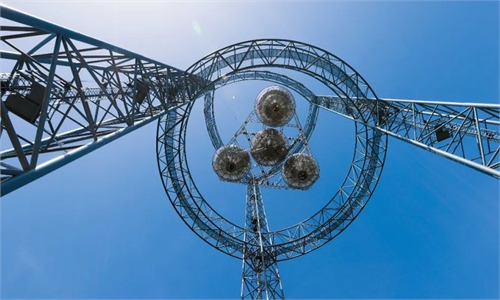
China is planning to build a gigawatt-level space-based power station, according to the Chinese Society of Astronautics space solar power commission. The project will possess power capability of 1 billion watts and will be operational for commercial use. The future space power station will likely have a scale of more than 10,000 tons, and to reach that goal, China needs to grasp the capability of wireless power transmission technology, which is a must and the greatest challenge in the process. The US, UK, the European Space Agency, Japan, and South Korea are also exploring the field.