Many people in higher latitudes experience seasonal affective disorder (SAD) during winter, potentially due to hormonal and circadian disruptions, and bright light therapy is being explored as a possible treatment.
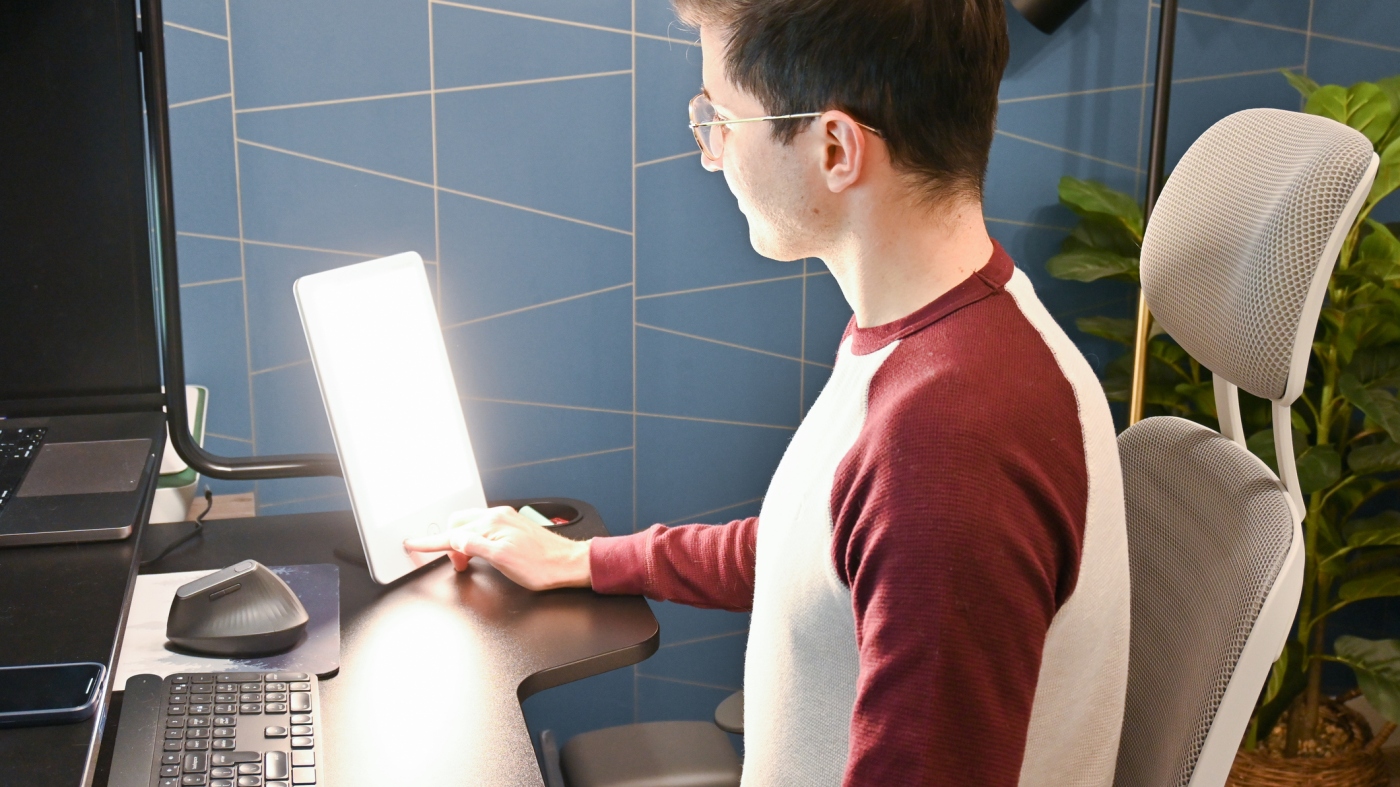
Starting light therapy in the fall with a 10,000 lux light box can help prevent winter depression and improve mood, especially when used consistently in the morning as part of a routine. It is an effective, non-medication treatment that resets circadian rhythms and can be combined with other therapies for better results.
As daylight hours decrease in fall and winter, many people experience seasonal affective disorder (SAD), a type of depression. Treatments include light therapy, which uses bright lights to improve mood, and cognitive behavioral therapy. Antidepressants and regular exercise are also recommended. Researchers suggest that sensitivity to blue light may play a role in SAD, and individuals like Miriam Cherry and Elizabeth Wescott have found personal strategies, such as growing early-blooming flowers and using water therapy, to cope with winter depression.
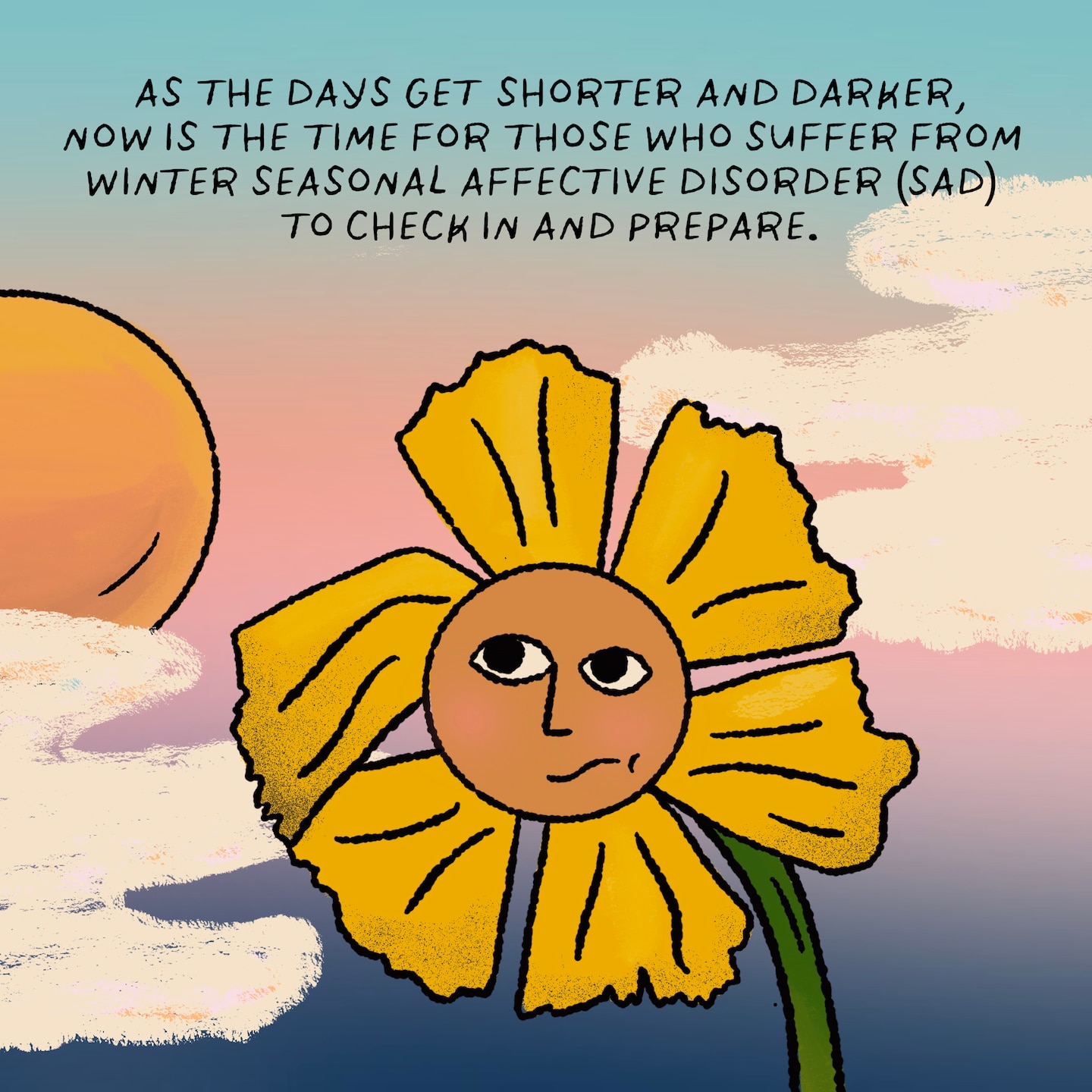
Neuroscientist-turned-journalist Richard Sima shares strategies to cope with seasonal affective disorder (SAD) or winter depression, which affects an estimated 5 percent of Americans and can cause lower moods, lethargy, and excessive sleep.
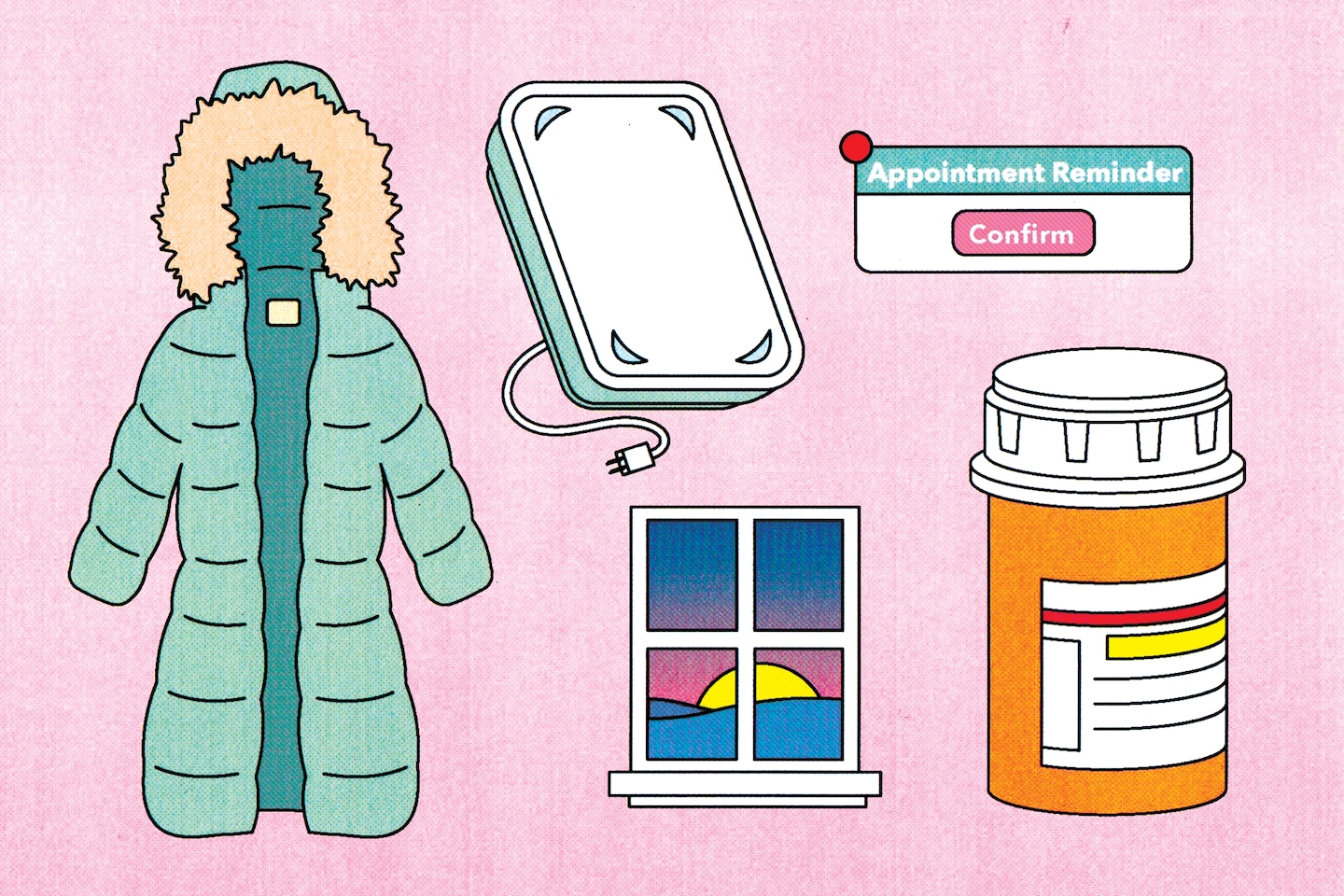
As winter seasonal affective disorder affects millions of Americans each year, it is important to prepare for it during the fall. By taking proactive steps such as seeking help, practicing self-care, maintaining a routine, staying active, and getting exposure to natural light, individuals can help ease the symptoms of winter depression.
Seasonal affective disorder (SAD) is a form of depression that affects about 5% of adults in the U.S. during the fall and winter months. Symptoms include sadness, fatigue, cravings for carbs, and weight gain. Factors such as reduced sunlight exposure and circadian rhythm disruption contribute to SAD. Treatment options include bright light therapy, antidepressants, and lifestyle changes like sleep hygiene, stress management, physical activity, and spending time outside. Seeking professional help is important for proper diagnosis and treatment.
Fall is the ideal time for individuals with winter seasonal affective disorder (SAD) to prepare and check in with their mental health. SAD, which affects an estimated 5 percent of Americans, is likely caused by reduced daylight and can lead to lower moods, lethargy, and excessive sleep. To prepare for winter SAD, experts recommend starting light therapy early, checking in with physicians and therapists, maintaining routines that support mental health, and reevaluating one's outlook on the changing seasons. Taking proactive steps in the fall can help prevent and manage symptoms of winter depression.