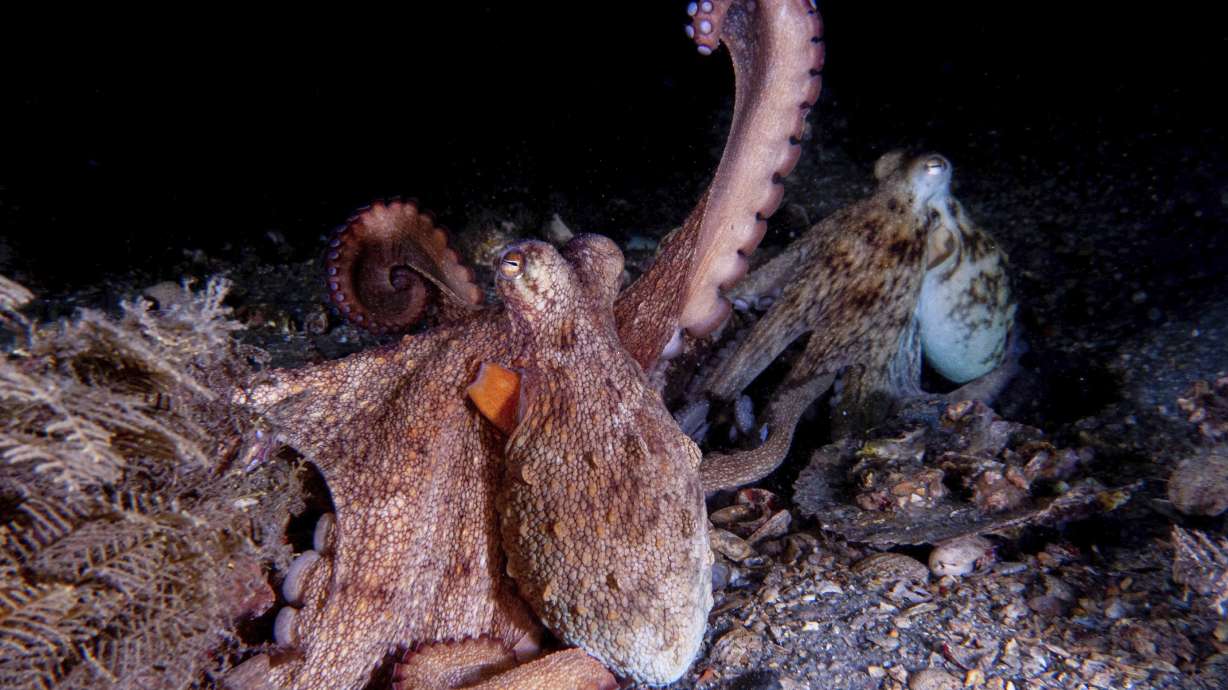
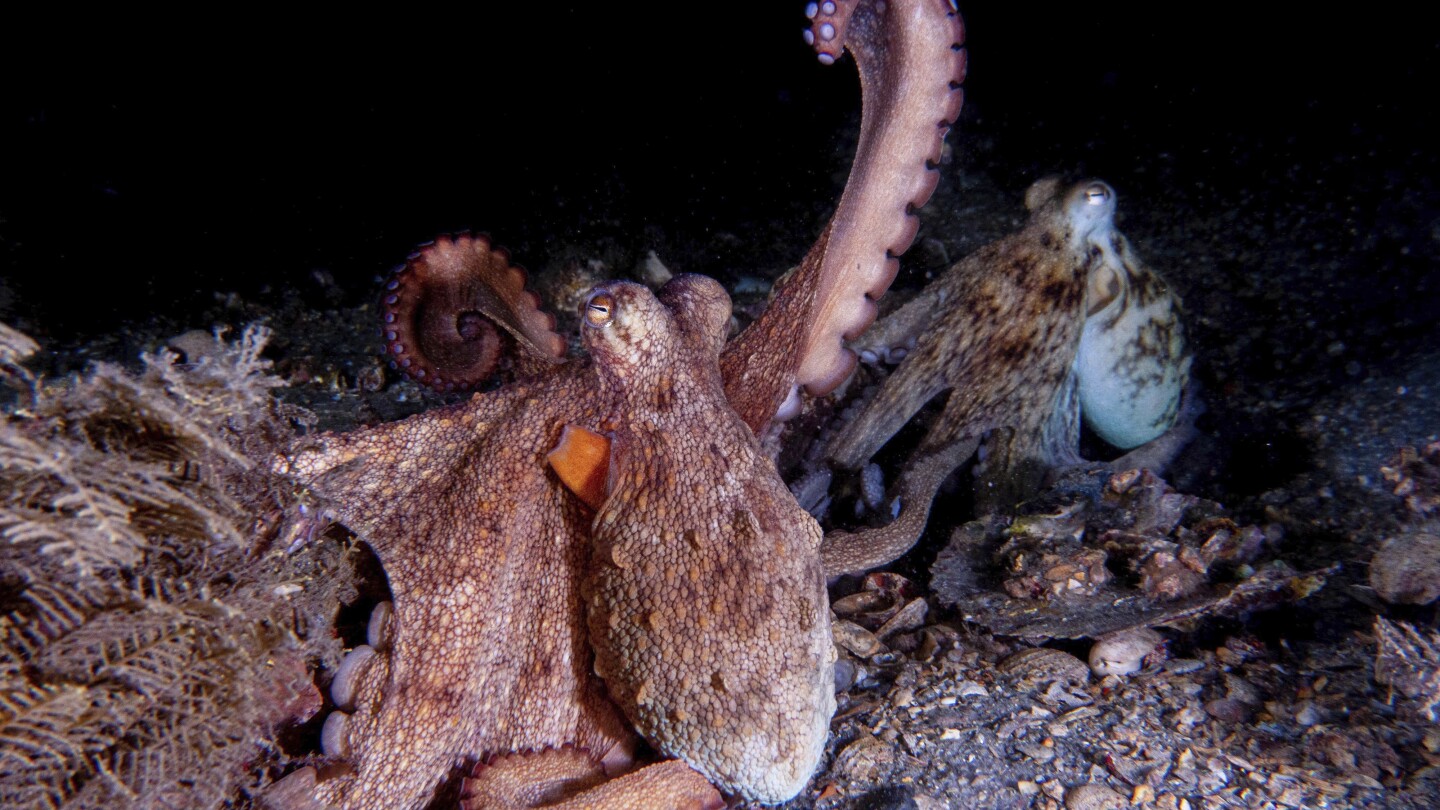
Research shows that octopuses do not have a dominant arm but tend to use their front limbs more for exploring and their back limbs for movement, with no preference for right or left in the wild, highlighting their limb versatility and redundancy.
A study analyzing videos of wild octopuses reveals they do not have a dominant arm but prefer using their front arms for exploration and their back arms for movement, with no preference for right or left in natural settings, highlighting their complex limb functionality and adaptability.
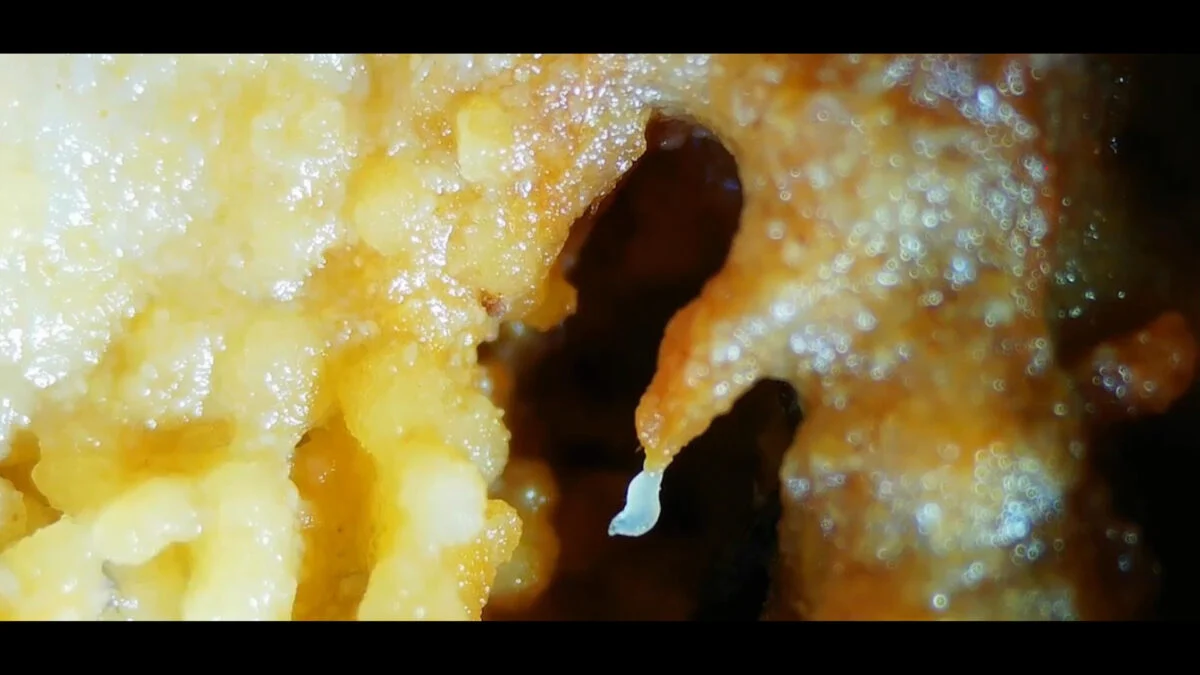
Scientists in Germany have documented wild nematodes building flesh towers, a behavior previously only observed in labs, which they use for dispersal and interaction with animals, revealing new insights into their collective behavior and ecological roles.