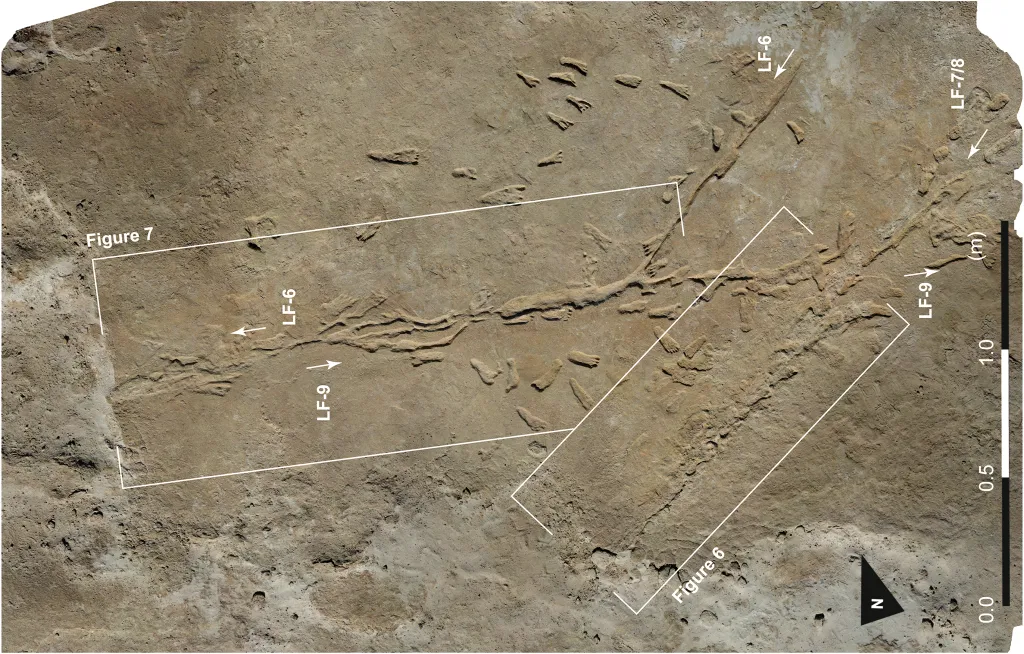
Archaeologists in White Sands, NM, have discovered 22,000-year-old human footprints and drag marks that may represent the earliest evidence of transport technology, possibly a primitive vehicle called a travois.
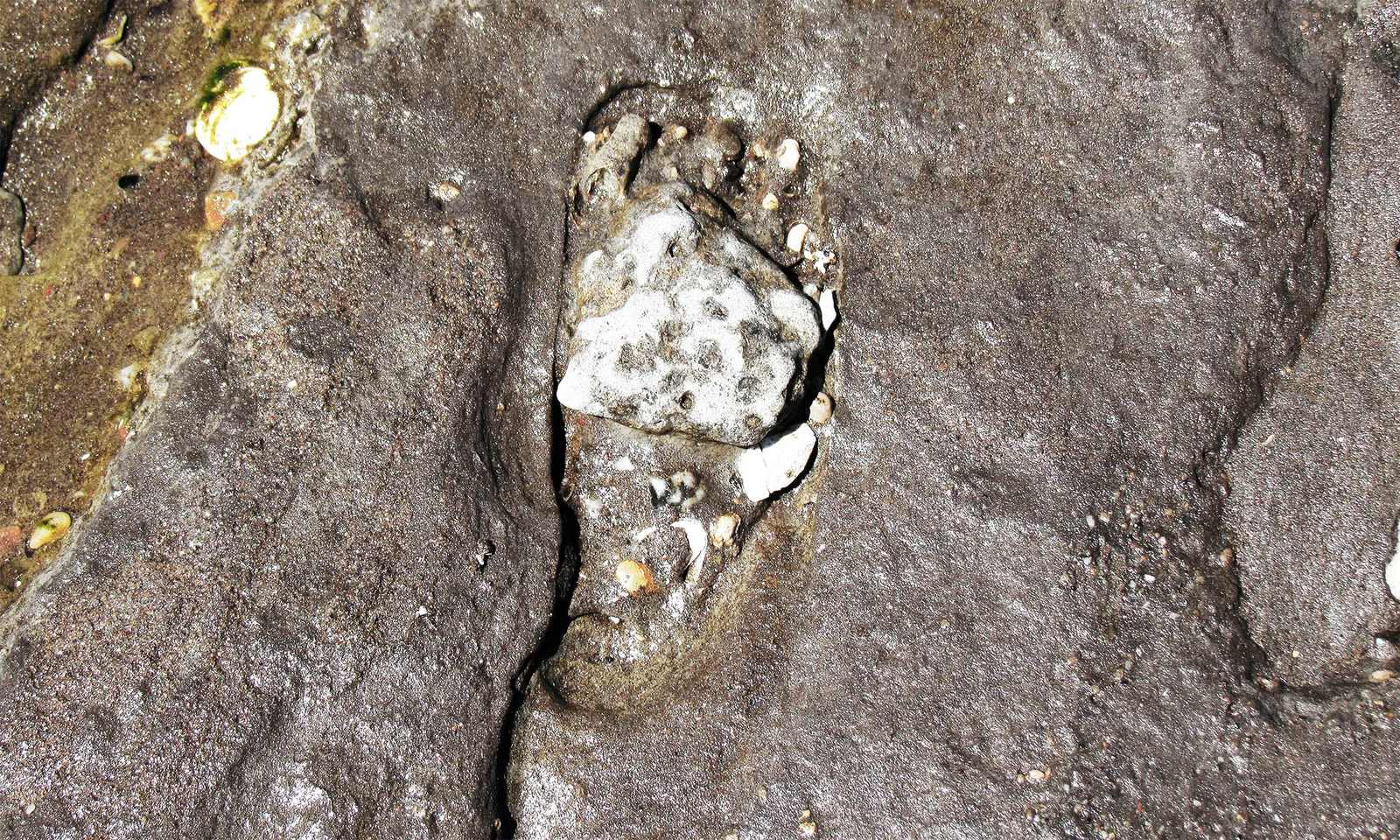
New research confirms that the oldest human footprints in North America, dating back over 20,000 years at White Sands, exist without any accompanying cultural artifacts, raising questions about early human presence and activity in the continent before the Clovis culture.
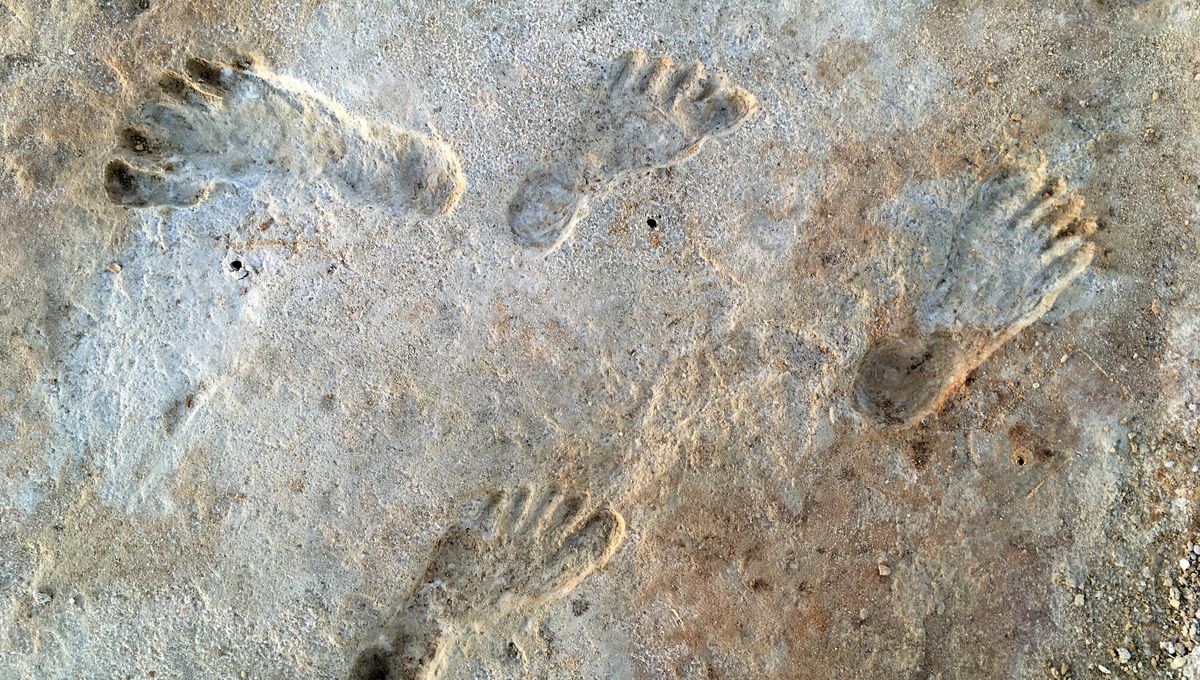
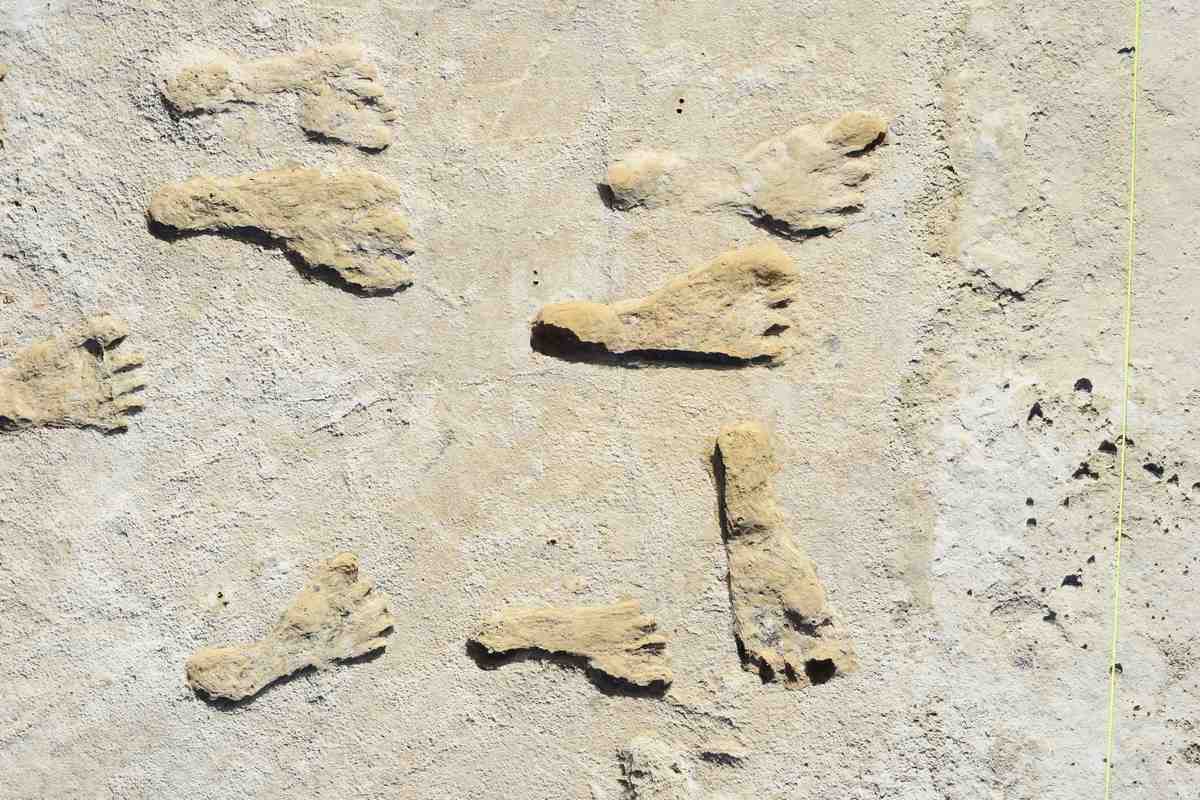
A new study using a different dating method has confirmed that fossilized human footprints found in White Sands, New Mexico are at least 21,000 years old, pushing back the timeline of human presence in North America during the Last Glacial Maximum. The study used radiocarbon dating of conifer pollen, which provided statistically identical ages to the original seed dating. Additionally, optically stimulated luminescence dating of quartz grains further supported the radiocarbon results. The footprints, which include those of a female and a toddler, suggest a division of labor among early humans, with teenagers and children responsible for "fetching and carrying" tasks.
Researchers have dated ancient human footprints found in White Sands National Park, New Mexico, to at least 20,000 years ago, challenging the previous belief that humans arrived in the Americas around 14,000 years ago. Some scientists were skeptical of the footprints' age and the dating methods used. However, new evidence, including radiocarbon dating of pollen grains and optically stimulated luminescence dating of sediment, supports the original date of the footprints. The data strongly indicate human presence in the Americas around 20,000 years ago, but some experts still require further evidence to accept the footprints' age.