Scientists are using AI, robotics, and new recording technologies to better understand whale communication, potentially enabling conversations with whales and strengthening legal protections for these animals, including rights-based approaches.
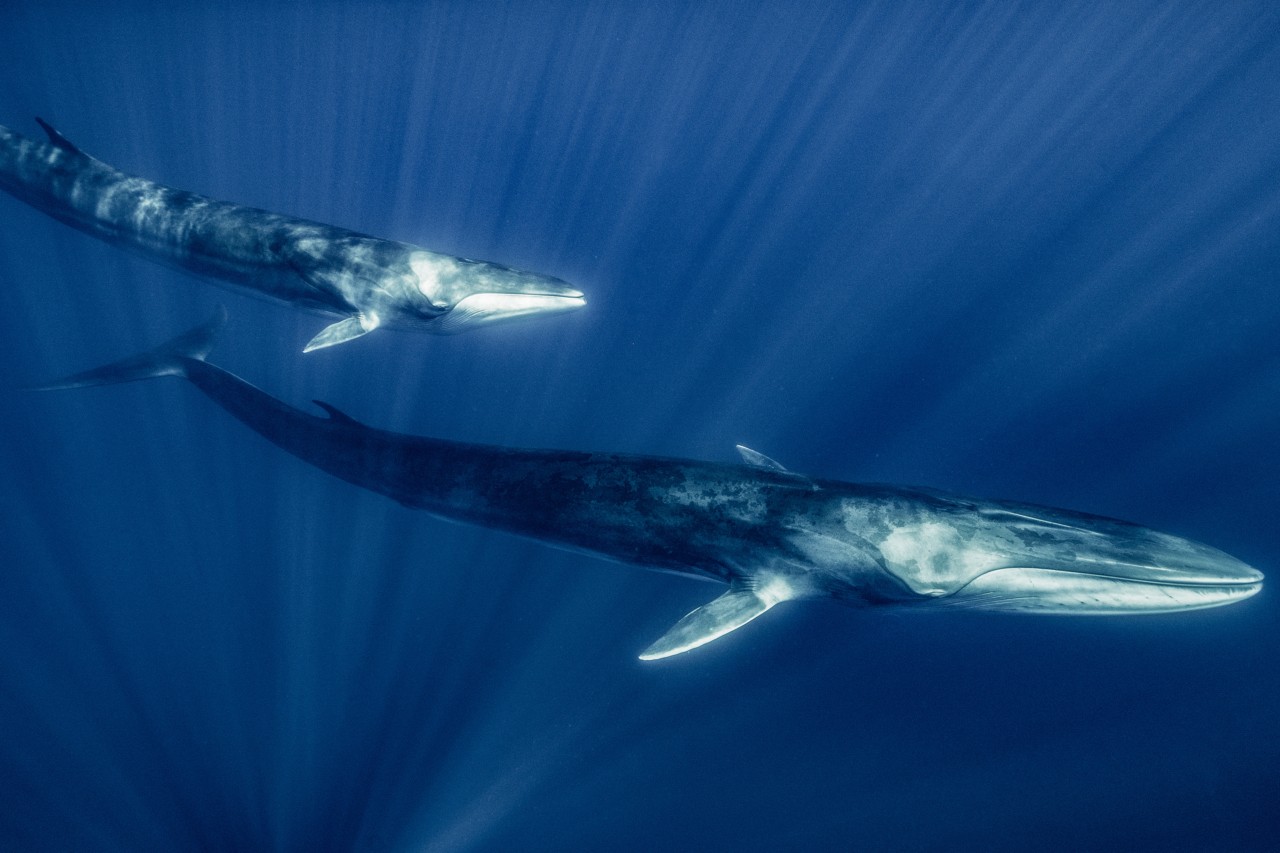
The 52-hertz whale, known for its unique high-pitched calls, has fascinated scientists for over 30 years. Recent research suggests it may not be as lonely as once thought, possibly recognizing other whales' calls, and a 2021 documentary hints it could be a hybrid species, offering new insights into this mysterious creature.
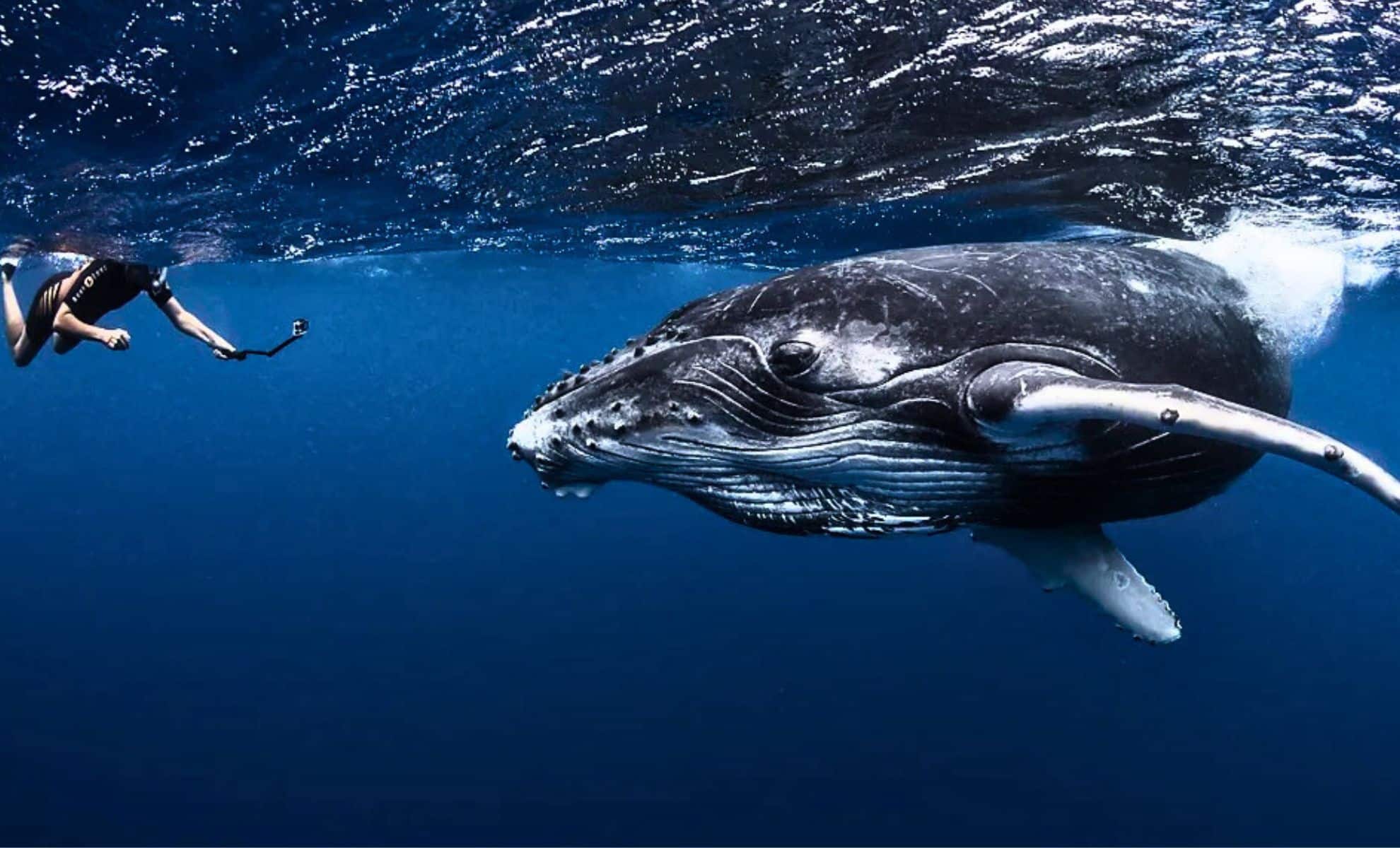
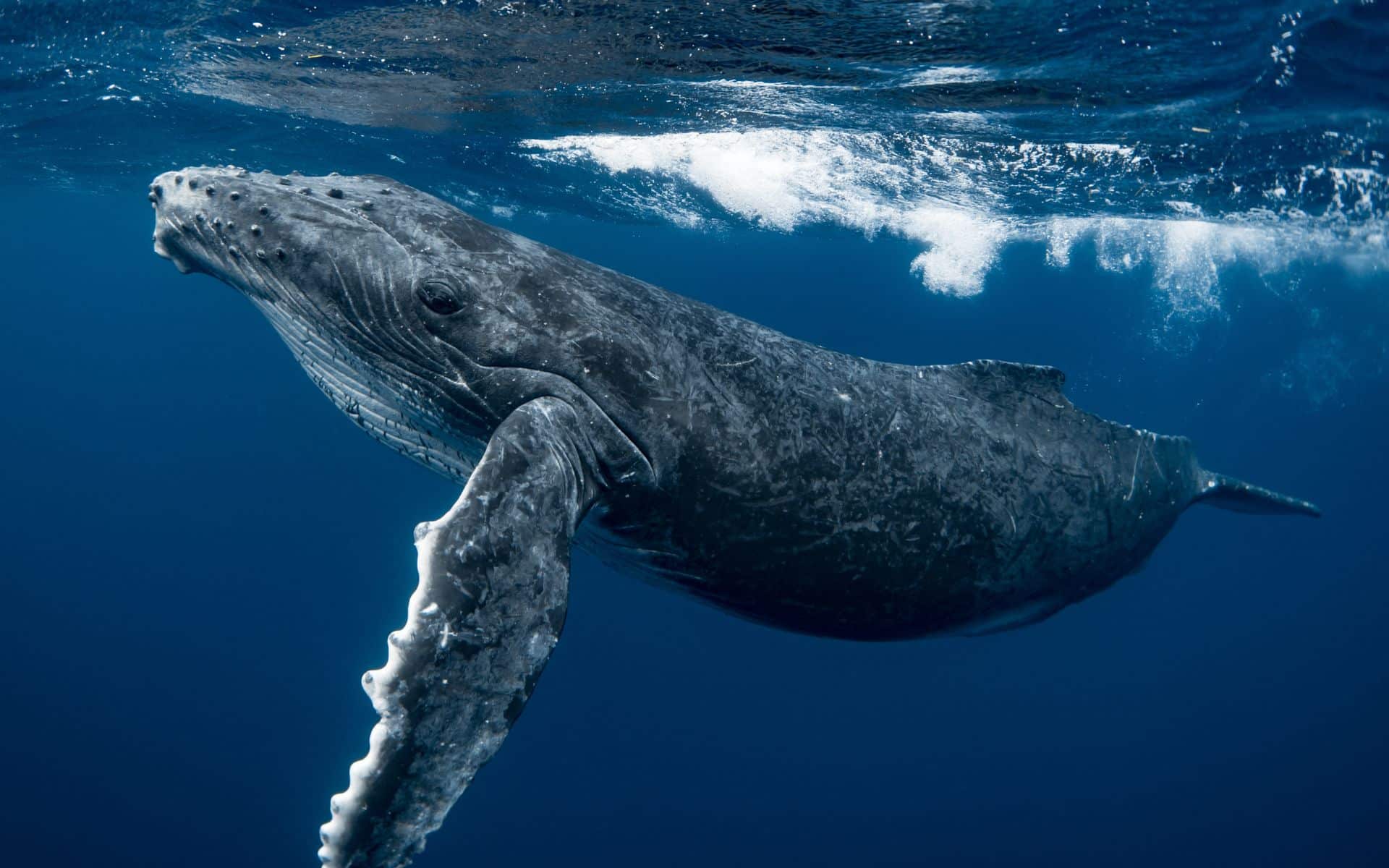
Researchers have achieved a groundbreaking 20-minute interaction with a humpback whale using AI to decode and replicate its complex vocalizations, revealing language-like structures and raising implications for understanding animal intelligence and extraterrestrial communication, while also prompting ethical considerations in human-animal interactions.
Researchers from the SETI Institute and UC Davis have observed humpback whales creating bubble rings in a manner that may indicate intentional communication, potentially offering insights into non-human intelligence and serving as a terrestrial analog for understanding extraterrestrial communication.
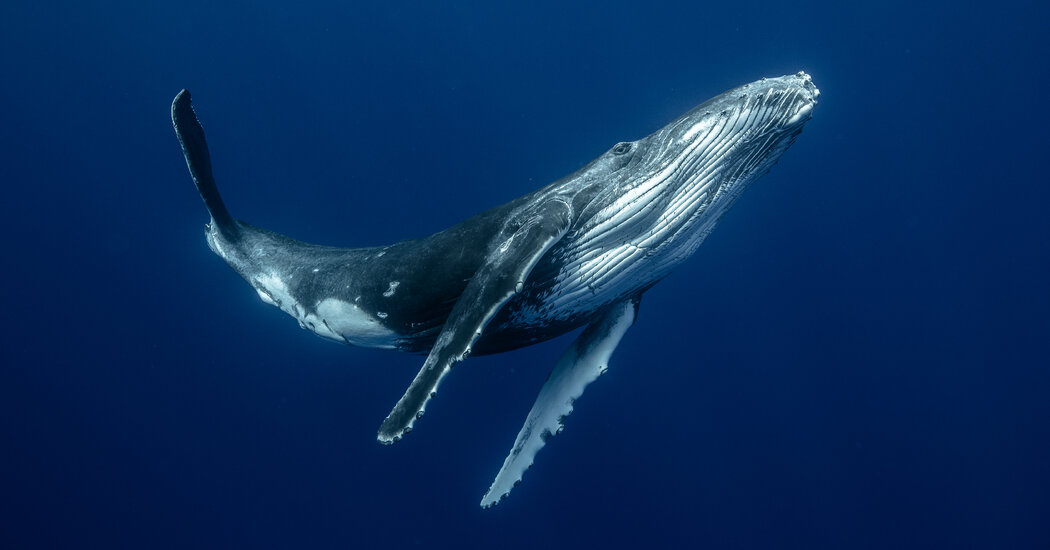
A recent study published in the journal Nature has shed light on how baleen whales produce sounds using their vocal cords. By conducting experiments on the larynx of three deceased whales, scientists discovered that the whales' larynx has evolved to accommodate their need to expel large amounts of air quickly while breathing at the sea surface. This adaptation allows them to produce the diverse range of sounds, including singing and whistling, that have intrigued humans for centuries.
Scientists have reported a 20-minute "conversation" with a humpback whale named Twain, where the whale responded to recorded whale calls. The study, conducted by researchers from the University of California, Davis, the SETI Institute, and the Alaska Whale Foundation, suggests that this preliminary research could provide insights into communicating with other intelligent species, both on Earth and potentially beyond. The researchers believe that this study could be a starting point for future attempts to communicate with extraterrestrial life.
Scientists are using machine-learning and language-translation algorithms to decode the calls of two whale species, orcas in the Pacific Northwest and sperm whales in the Caribbean, to better understand their communication. The research could aid in protecting the endangered species from human activities and enlarge our sense of what it means to share the planet with other intelligent beings. The projects depend on empathy as much as they do on artificial intelligence, and each could transform our relationship with whales in ways we can’t yet imagine.