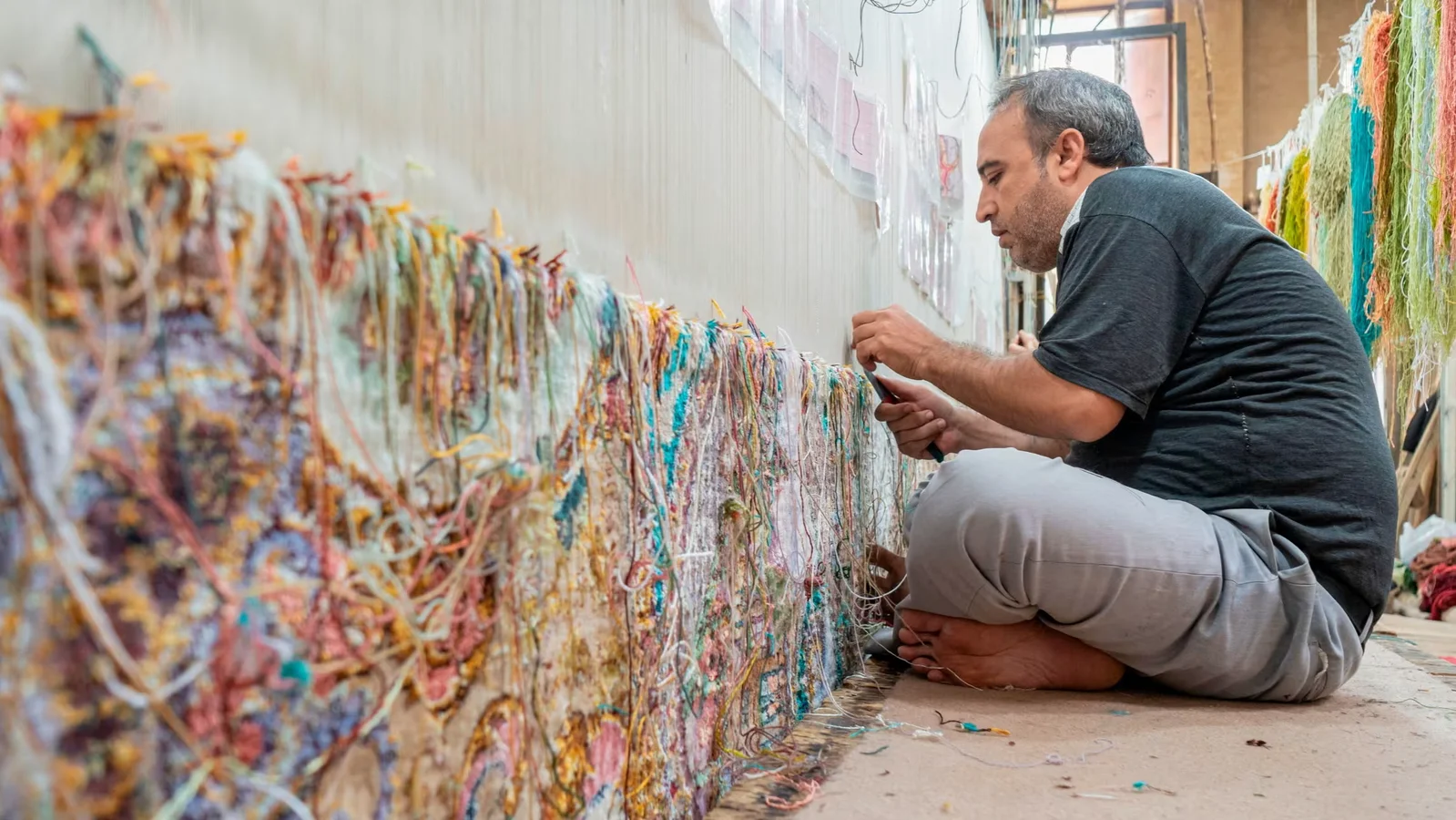
Western sanctions threaten ancient Persian carpet trade
Western sanctions are threatening the ancient trade of Persian carpets, risking the preservation of this cultural and economic tradition.

All articles tagged with #western sanctions
Western sanctions are threatening the ancient trade of Persian carpets, risking the preservation of this cultural and economic tradition.
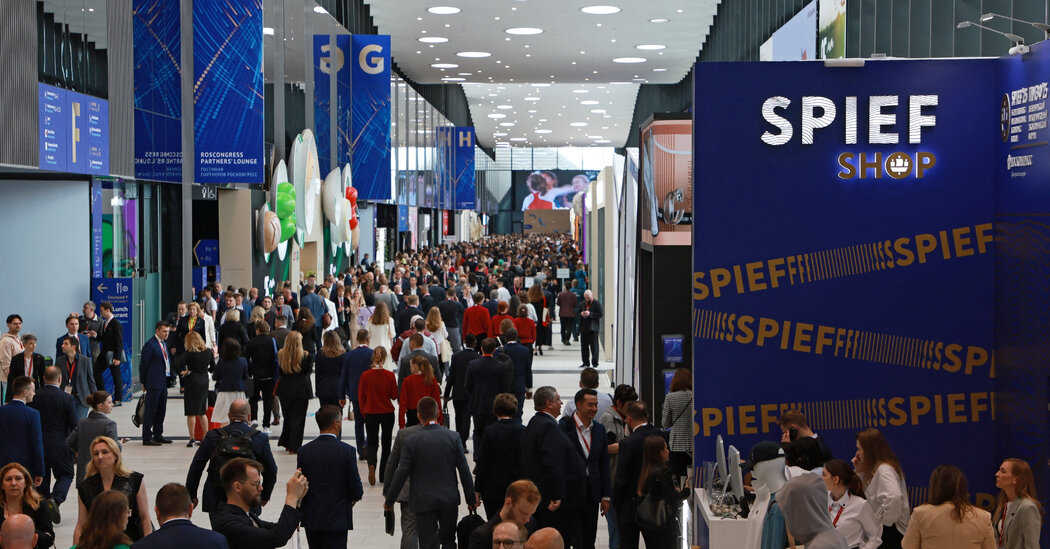
The St. Petersburg International Economic Forum now reflects Russia's transformed economic landscape post-2022 Ukraine invasion, with diminished Western participation, a pivot towards China and domestic businesses, and a message of reduced reliance on Western markets, highlighting ongoing sanctions and geopolitical tensions.
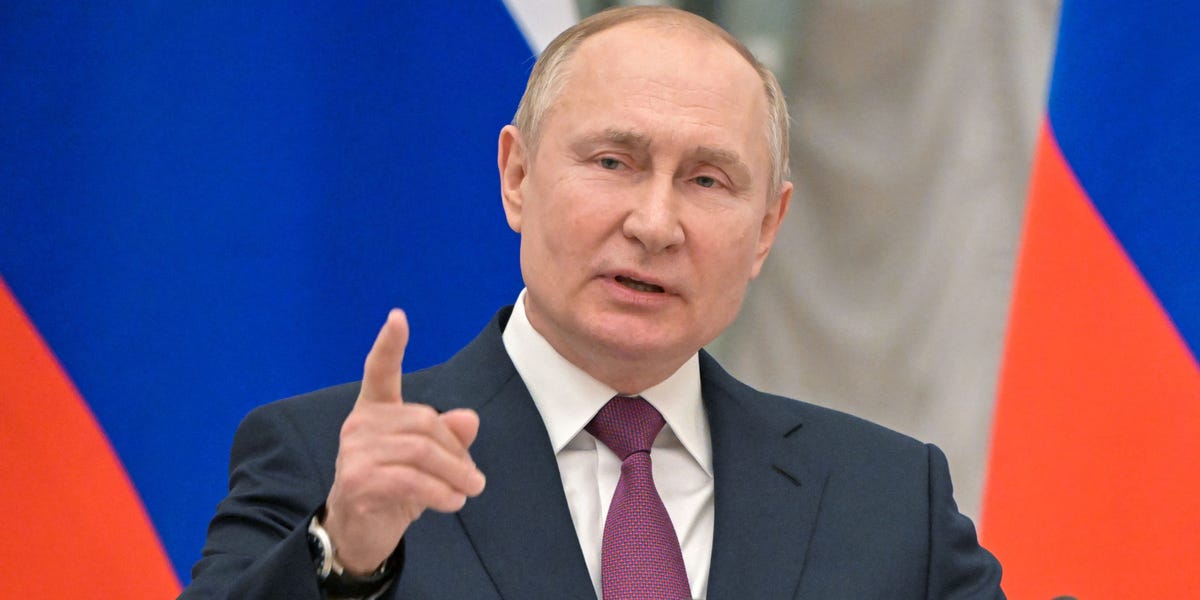
Russian President Vladimir Putin has instructed the FSB spy network to assist Russian businesses in countering Western sanctions and expanding into new markets, reflecting Moscow's efforts to counter tightening trade restrictions from the West. This move comes amid increased Russian spy activity since the war in Ukraine, as Russia seeks to maintain its resilient economy by pivoting trade to alternative markets while facing pressure from the West to close loopholes in its sanctions regime.
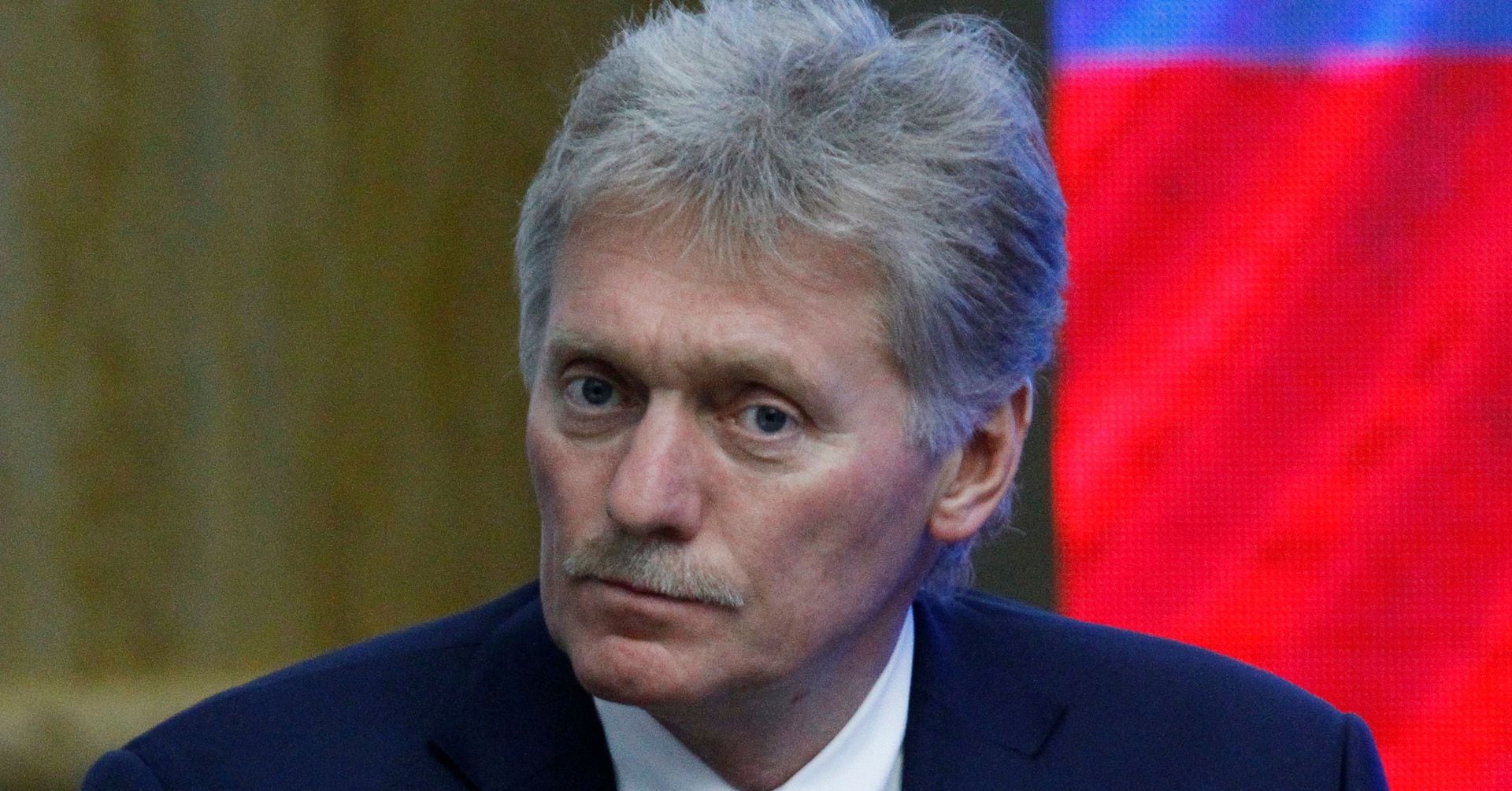
The Kremlin has warned the West against using frozen Russian assets as collateral for raising funds for Ukraine, stating that such actions would be illegal and lead to years of litigation. This comes after reports that the G7 had drawn up plans to use frozen Russian assets as collateral for debt sold to help Ukraine. Russia has around $300 billion of sovereign assets frozen in the West, and has threatened to seize U.S., European, and other assets in response if its property is seized. The Kremlin spokesperson emphasized that any attempt to take Russian assets would lead to legal challenges and undermine the economic system.
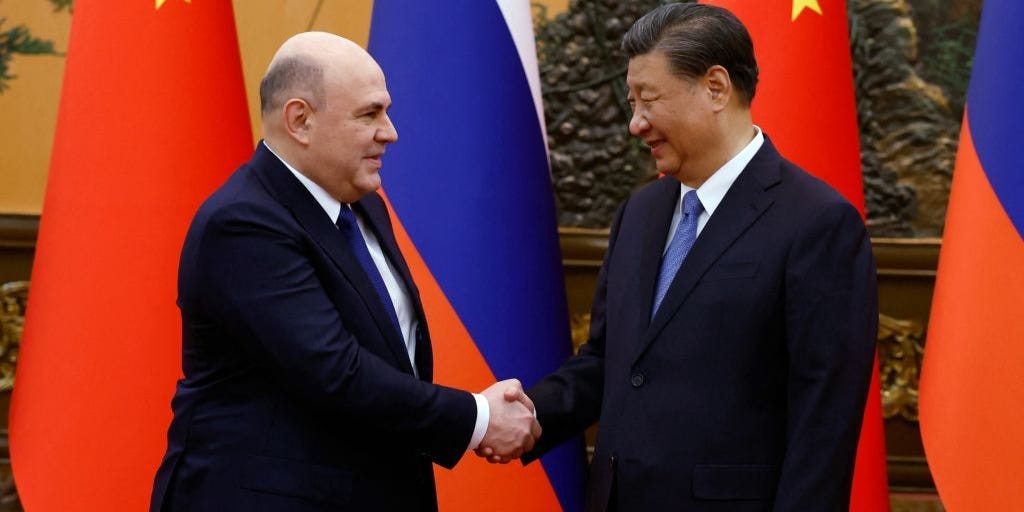
China's President Xi Jinping and Russia's Prime Minister Mikhail Mishustin met in Beijing, boasting about the surge in trade between the two countries, which has surpassed $200 billion in 11 months. As the West's attempts to economically isolate Russia over the Ukraine war falter, China has played a crucial role in keeping the Russian economy afloat by buying Russian oil and gas and selling consumer goods. China and Russia share a common goal of reducing US power and influence, and China's diplomatic backing of Russia in the conflict further supports this aim. However, Russia still faces economic challenges due to sanctions, including soaring inflation and a labor market crisis.
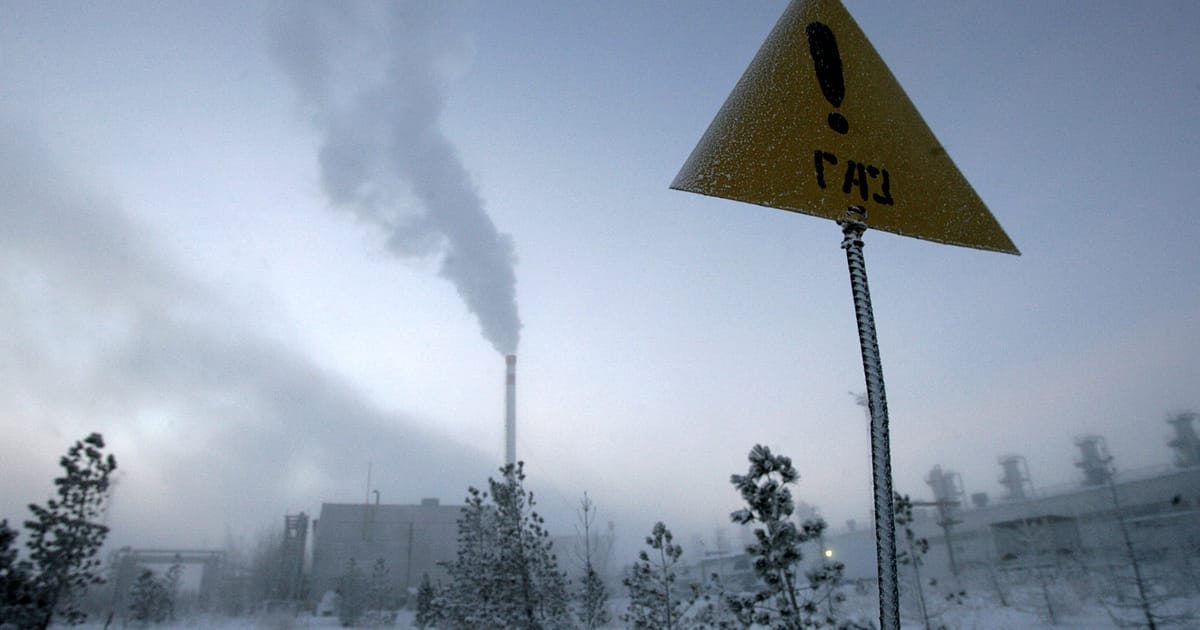
Russian President Vladimir Putin has signed decrees allowing the government to seize and sell off energy assets belonging to European firms in Russia. The move targets companies from countries deemed "unfriendly" by Moscow, such as Austria and Germany. While the firms may be compensated, the amount will be determined by the Russian state. This marks the largest asset seizure in recent Russian history and comes as part of the Kremlin's efforts to shore up its economy amid Western sanctions. Western energy firms have been withdrawing from Russia, leading to a decline in productivity in the country's fossil fuels sector. The Kremlin has already confiscated assets from Western companies that have left the market.
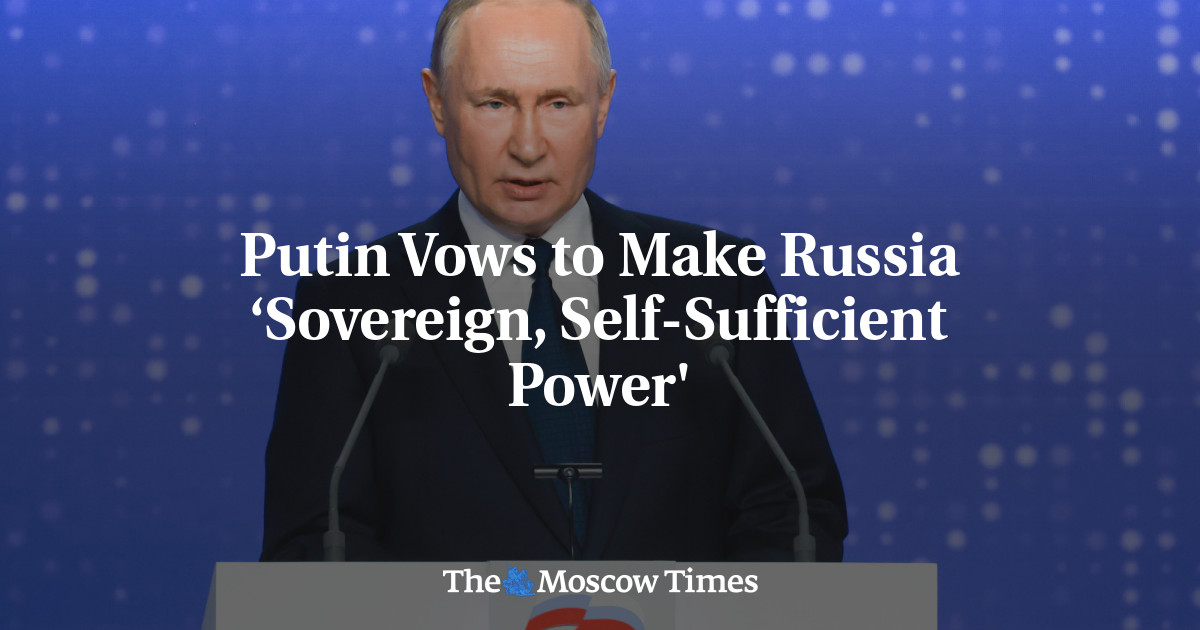
Russian President Vladimir Putin, in his first campaign speech before running for president again in March, vowed to make Russia a "sovereign, self-sufficient" power in the face of the West. Putin, who has been in power since 2000, is expected to win the election with no real opposition, extending his rule until at least 2030. He emphasized the importance of sovereignty and criticized the West for attempting to sow internal troubles in Russia. All of Putin's political opponents are either in jail or in exile, and Moscow has banned criticism of its Ukraine campaign.
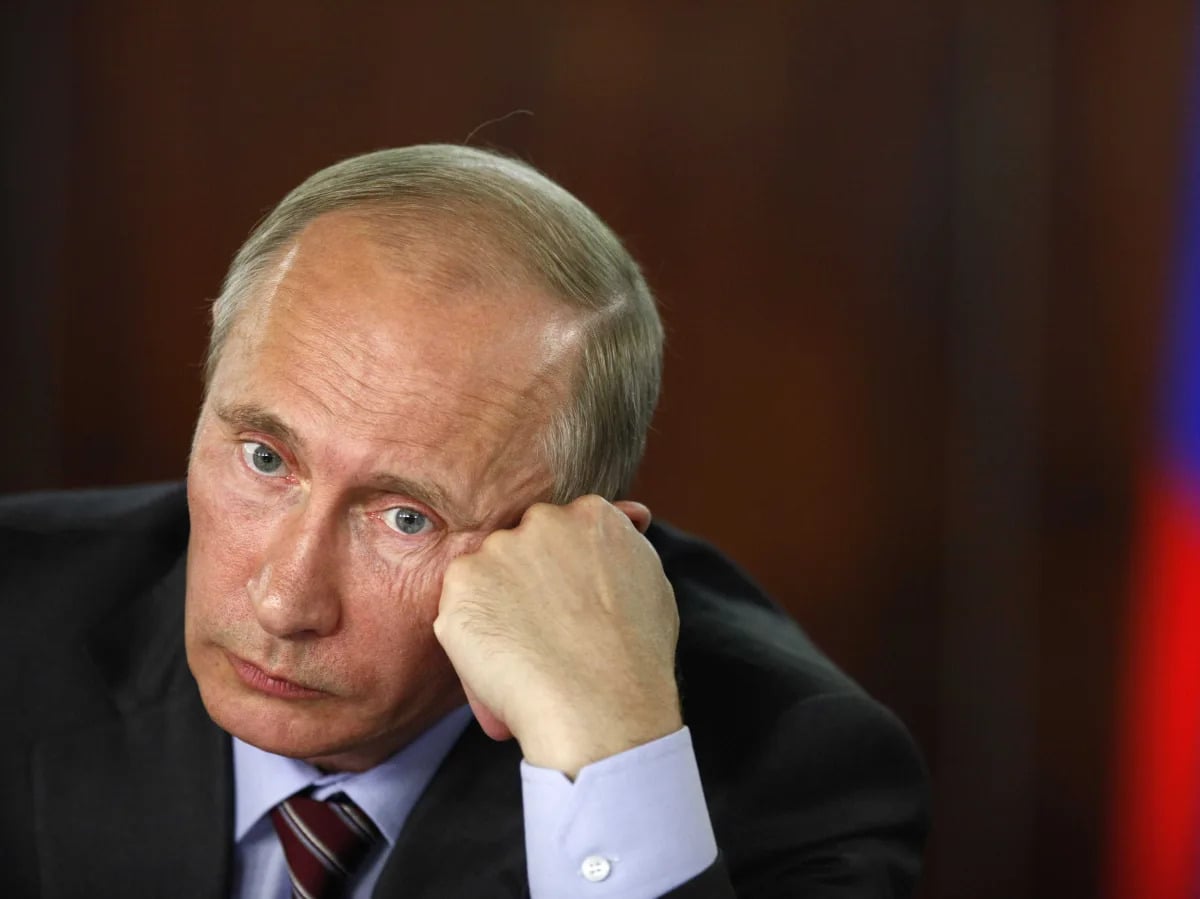
Russia has admitted that it was on the verge of economic collapse last year due to Western sanctions imposed after its invasion of Ukraine. However, the Kremlin now claims that it has successfully recovered and is entering a new growth phase, with predictions of up to 3% growth this year. Despite these claims, experts have expressed doubts about Russia's economic future, citing signs of financial trouble, collapsing sectors like the auto industry, high inflation, and a plunging ruble. Some researchers even suggest that Russia's economy could be teetering on the edge of collapse as the war with Ukraine consumes all available resources.
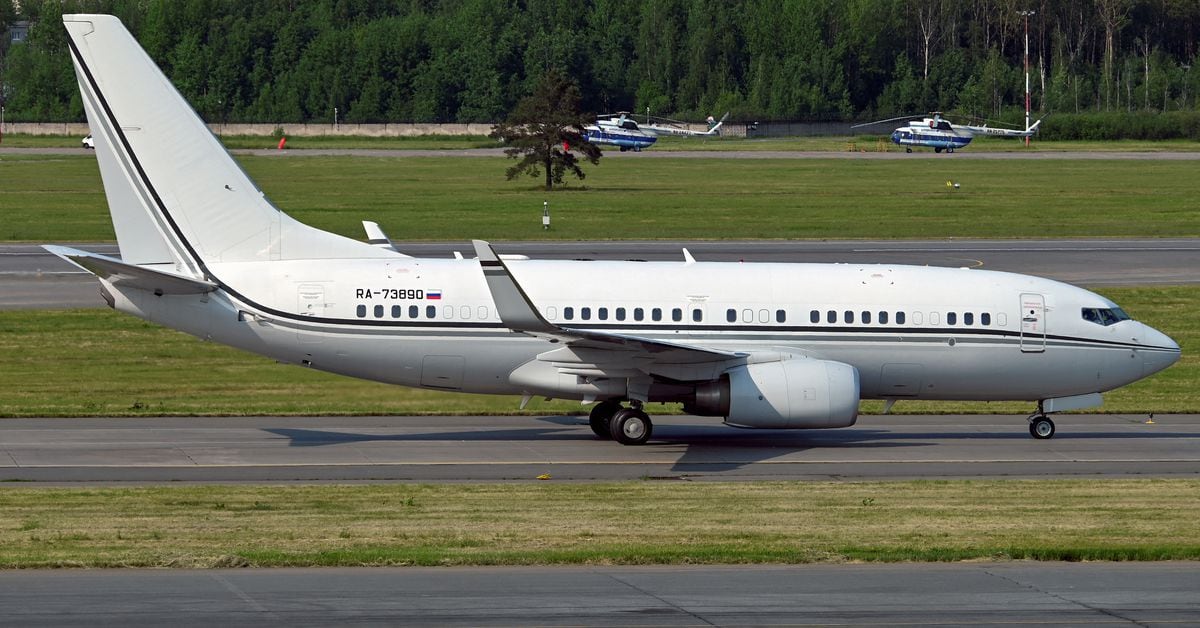
Russian oligarchs are finding ways to keep their private jets airborne despite Western sanctions, but the restrictions have significantly limited their travel destinations. Around 50 private jets have been re-registered under the Russian flag since the 2022 invasion of Ukraine, allowing them to fly to countries that have not imposed flight bans or individual sanctions. However, more than half of Russia's private and corporate jet fleet remains stranded abroad or has been sold. Russian planes are prohibited from entering the European Union due to sanctions, forcing some jet owners to fly to Turkey or ex-Soviet states and then charter different aircraft to EU airports. The repatriated aircraft have largely avoided crossing into EU airspace and have kept to countries considered friendly to Russia.
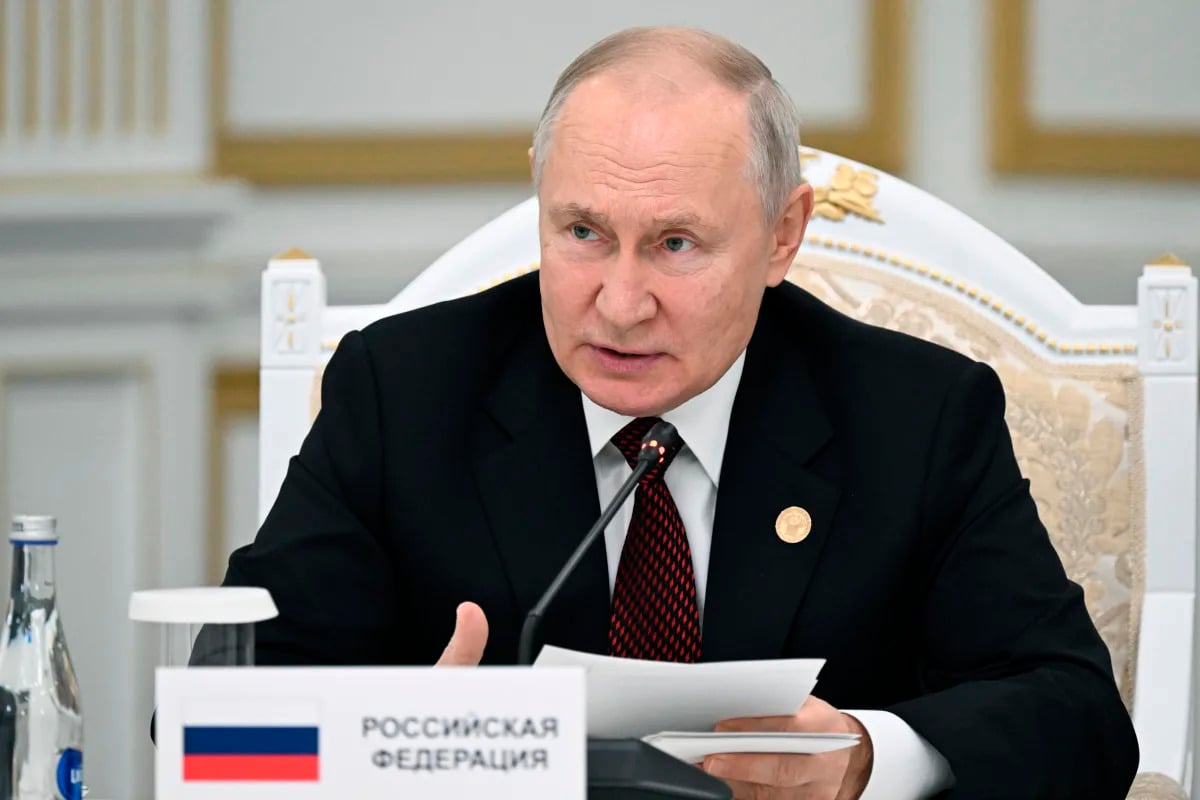
Russian President Vladimir Putin attended a summit of ex-Soviet nations and praised their growing cooperation despite Western sanctions. He highlighted the new joint air defense deal with Kyrgyzstan and downplayed Armenian Prime Minister Pashinyan's absence, citing the challenges he faces after Azerbaijan's takeover of Nagorno-Karabakh. Putin expressed willingness to visit Armenia and emphasized the importance of working with like-minded countries from the Global South. Regarding the Israel-Hamas war, Putin acknowledged Israel's right to self-defense but criticized the impact on Gaza's residents. He also commented on unconfirmed allegations of Western weapons ending up in the hands of Hamas, suggesting arms leaks from Ukraine but doubting the involvement of Ukrainian leadership.

The U.S. Justice Department is investigating whether Murtaza Lakhani, founder and CEO of oil trader Mercantile & Maritime Group, breached Western sanctions and the G7 price cap by trading Russian oil. Under the sanctions, Russian crude should be traded at $60 per barrel or less to use Western insurance and financing. Lakhani is being investigated for a potential business relationship with Igor Sechin, CEO of Russian state oil giant Rosneft, who is a sanctioned individual in the U.S. Russia's oil and gas revenues have recently increased due to rising oil prices and narrowed discounts on its crude grades compared to international benchmarks.
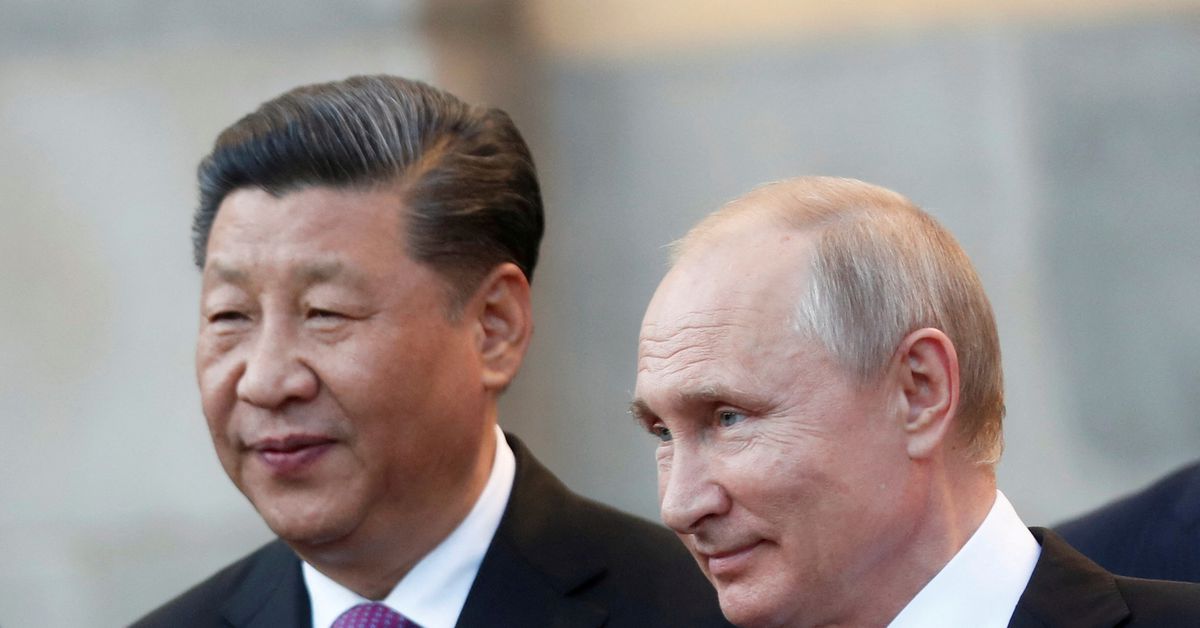
China and Russia are urging deeper trade and investment cooperation despite Western disapproval following Russia's invasion of Ukraine. Chinese imports of Russian goods have increased, and Beijing rejects criticism of its partnership with Moscow. The Russian Far East, bordering China and North Korea, has gained strategic significance for cross-border trade. Russia is diversifying its exports away from Europe and hopes to boost seafood and grain exports to China. Both countries are seeking to strengthen their economic ties and enhance food security.
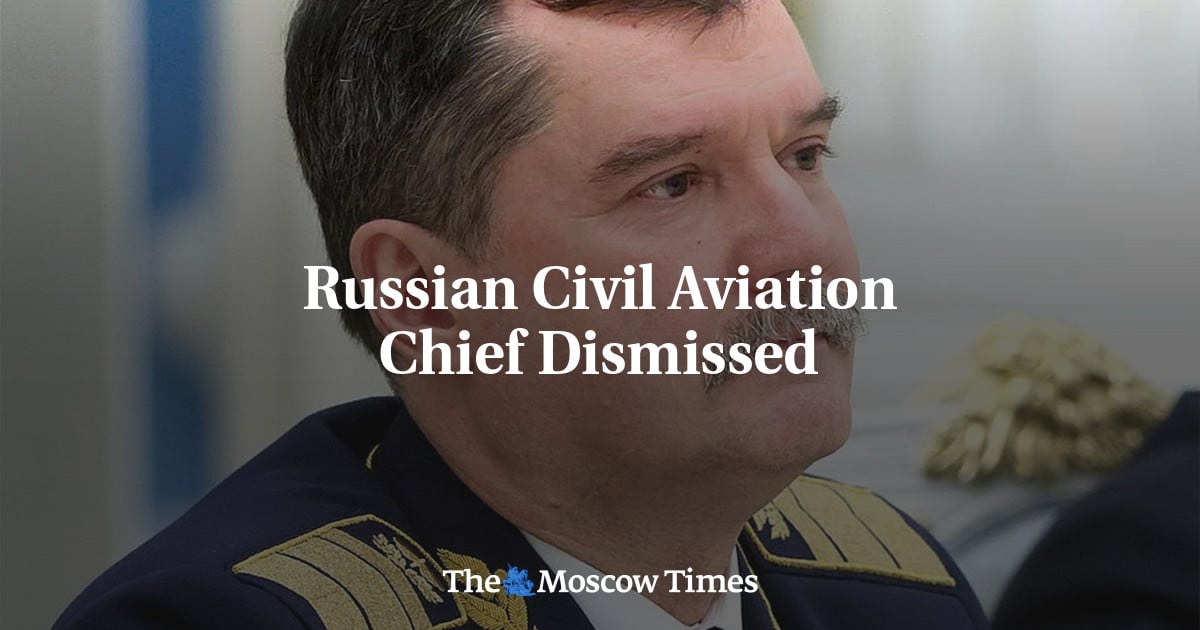
Russian Prime Minister Mikhail Mishustin has dismissed Alexander Neradko, the head of state civil aviation agency Rosaviatsia, without providing an official reason. Neradko's departure comes after he was reprimanded in May 2022 for failing to carry out government instructions. Russia's aviation sector has been severely impacted by Western sanctions, resulting in a shortage of new airplanes and parts for repairs. Russian airlines are now limited to flying to a restricted list of "friendly" countries to avoid the risk of aircraft impoundment. Neradko had been the head of Rosaviatsia since 2009.
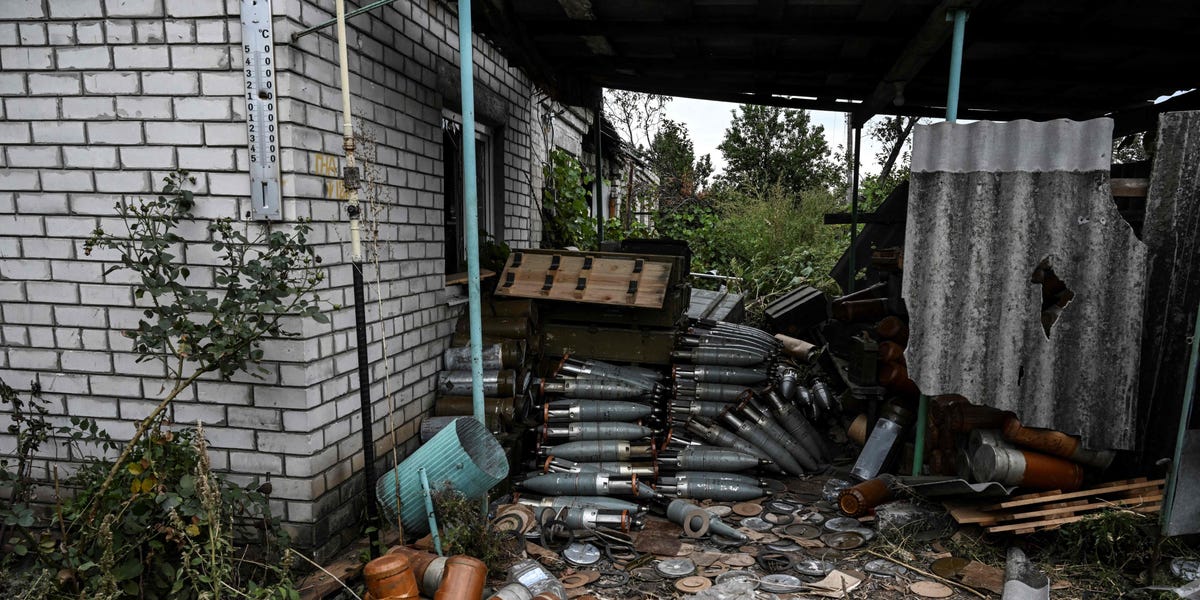
Russian military production of missiles and ammunition is surpassing pre-war levels, despite Western sanctions. Western officials are concerned that the increased stockpile of Russian artillery could lead to a harsh winter for Ukraine if Russia escalates its attacks on civilian and energy infrastructure. Russia has managed to circumvent sanctions through smuggling tactics, allowing its military production to recover and exceed pre-war levels. The country is now producing more ammunition than the US and Europe, with manufacturing costs significantly lower. Despite concerns, Russia's actual usage of military equipment is outpacing its production levels. Russia is seeking additional aid from its remaining allies, including North Korea.
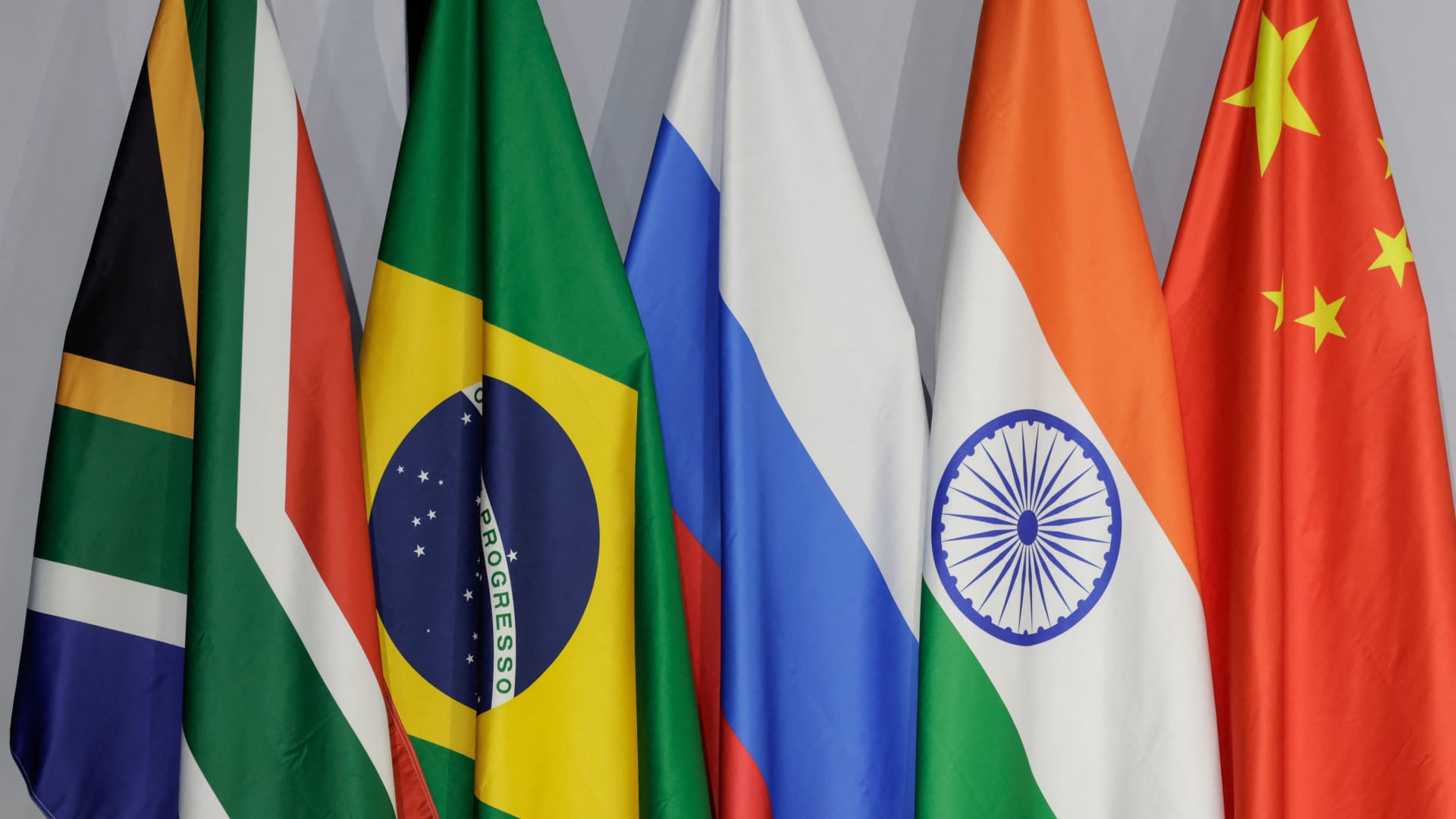
Western sanctions on Russia, particularly in the oil sector, are pushing the BRICS nations closer together. The sanctions have resulted in lower revenues and invoice prices for Russian goods, creating stronger bonds between the BRICS countries. This unintended consequence is seen as a counterforce to Western politics. The BRICS alliance, which includes Russia, Brazil, India, China, and South Africa, is considering the possibility of a common currency and reducing reliance on the U.S. dollar for global trade. However, de-dollarization is still a long way off as the U.S. dollar remains a powerful currency.