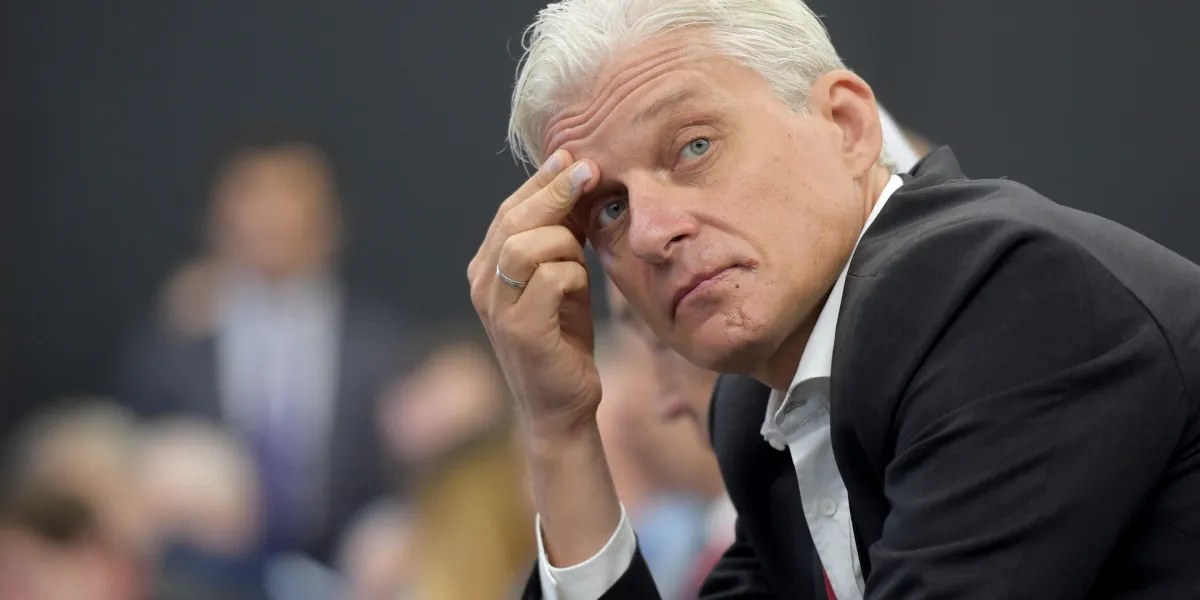
Oleg Tinkov, a Russian banking billionaire, claims that a single Instagram post criticizing the Ukraine war led to his forced sale of his bank stake at just 3% of its value, costing him nearly $9 billion, as part of a broader pattern of Kremlin coercion and suppression of dissent among Russian elites.
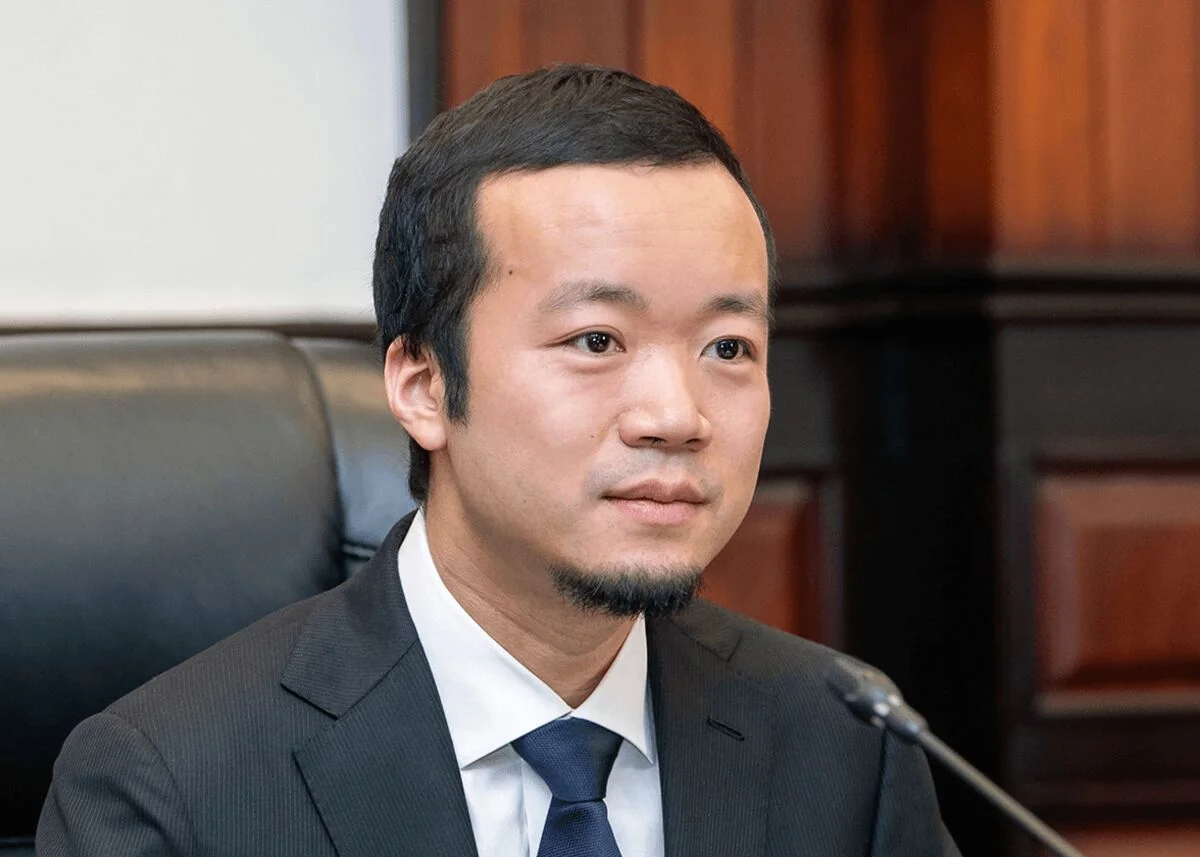
In 2021, Singapore-based staff at Chen Zhi's family office discovered millions had been stolen, leading to legal battles and revealing extensive banking operations. Chen, a Chinese-born businessman accused of criminal activities, built a global empire and gained Singaporean tax benefits, but his operations faced scrutiny after internal disputes and asset misappropriation by former executive David Wong. The case highlights the complexities of wealth management and legal challenges faced by high-net-worth individuals involved in criminal allegations.
Prosecutors across Taiwan, Singapore, and Hong Kong have seized hundreds of millions of dollars in assets from Chen Zhi, a Cambodian businessman accused by U.S. authorities of leading a global cyber-scam syndicate that defrauded victims worldwide, with investigations revealing extensive assets including luxury cars, real estate, and cash.
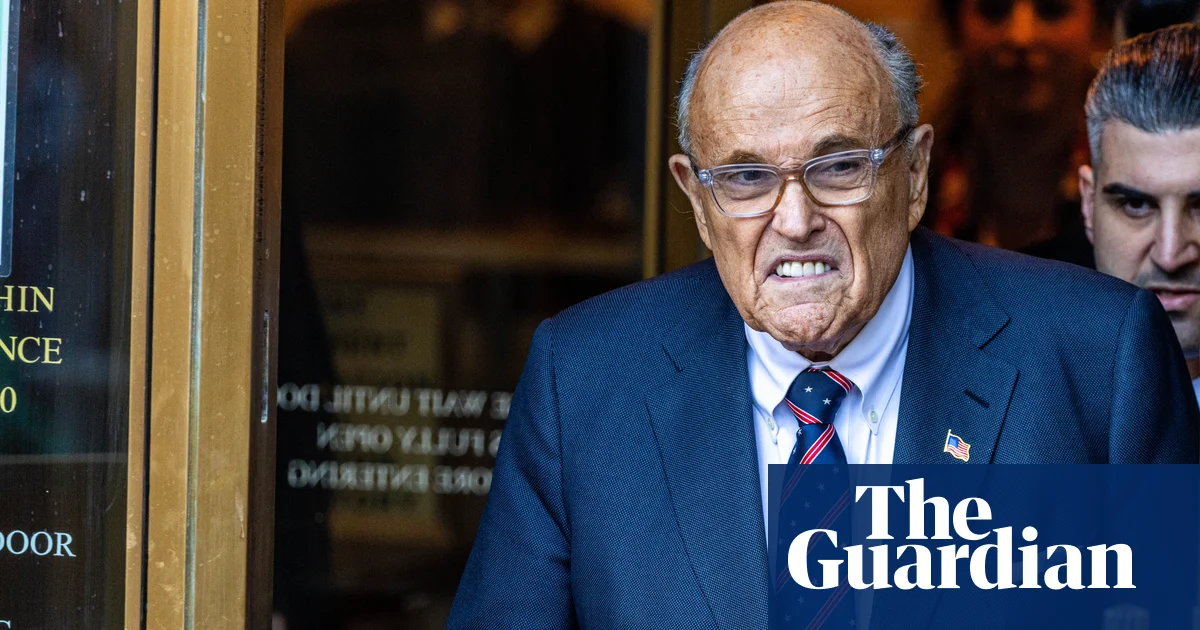
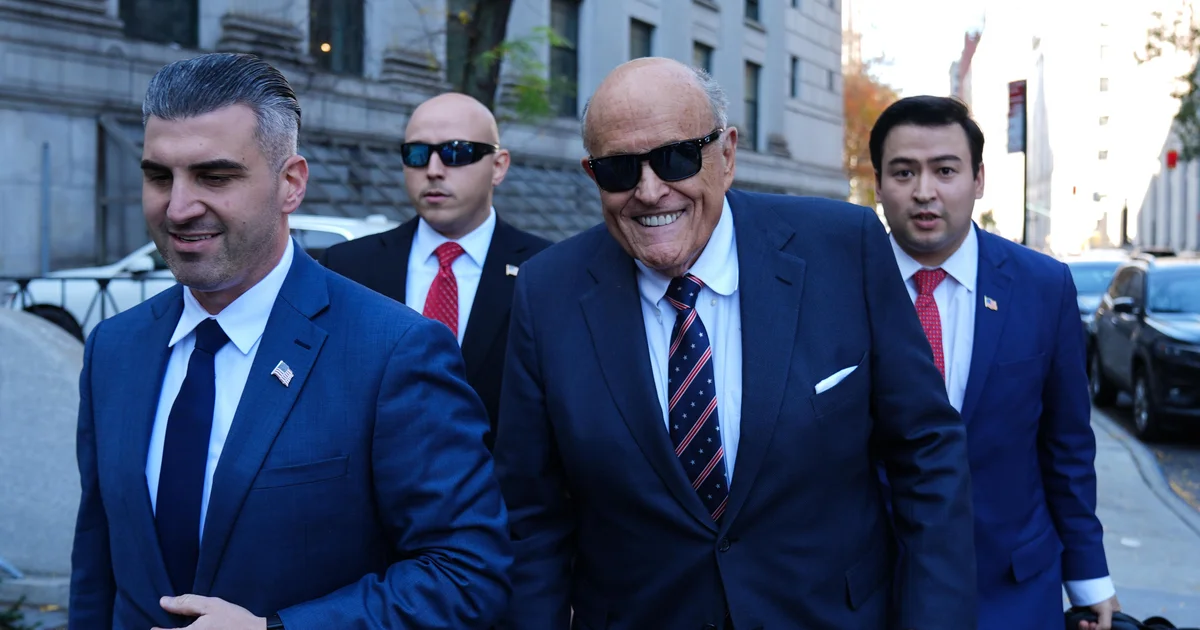
Rudy Giuliani has surrendered a collection of watches, a Mercedes-Benz, and funds from his Citibank accounts to two former Georgia election workers, Ruby Freeman and Shaye Moss, who won a $148 million defamation judgment against him. This follows a court order after Giuliani spread false claims about the women following the 2020 election. Despite missing an initial deadline, Giuliani complied after being threatened with contempt of court. He is appealing the ruling, claiming political persecution, and has declared bankruptcy to avoid payment. The case highlights the consequences of spreading disinformation.
Rudy Giuliani faced criticism in federal court for failing to turn over assets to two election workers he defamed, including a vintage Mercedes. U.S. District Judge Lewis Liman ordered Giuliani to comply with asset transfer obligations after a jury awarded Ruby Freeman and Wandrea Moss $148 million in damages. Giuliani, who has declared bankruptcy, was given a deadline to surrender various possessions, but has been accused of evading these responsibilities. The court has set a new deadline for compliance, with potential contempt hearings if Giuliani fails to act.
Italian authorities have seized assets worth €600 million in connection with an alleged EU fraud, as part of an ongoing investigation into financial crime.
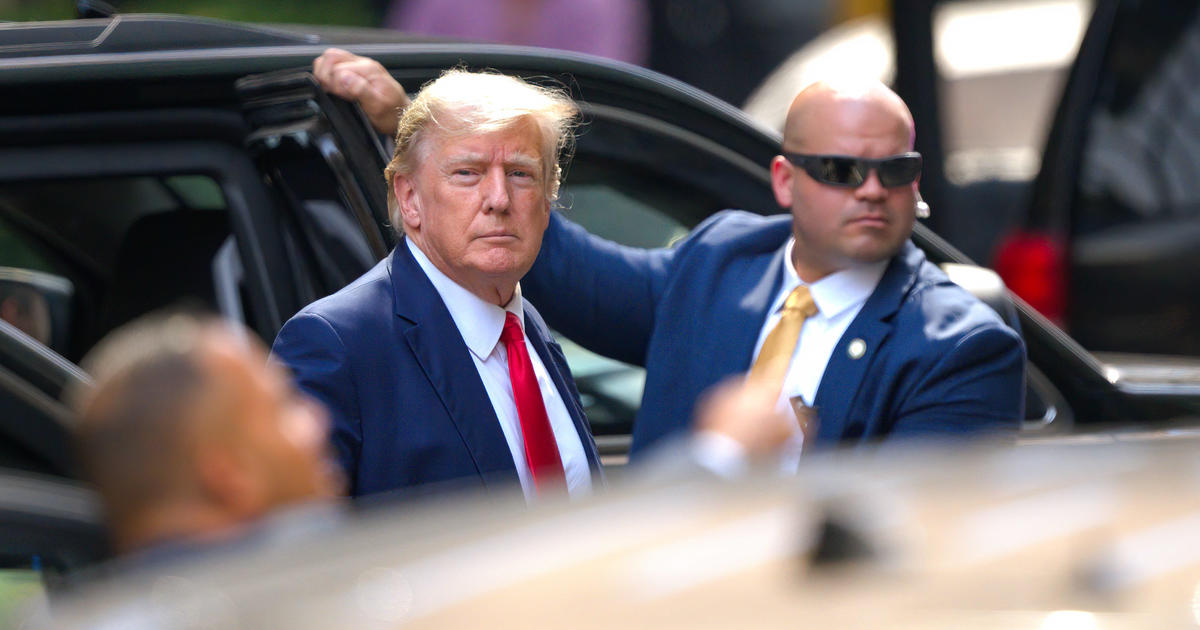
Former President Donald Trump and co-defendants have not posted a $464 million bond to pause enforcement of a judge's ruling in a New York civil fraud case, potentially leaving his assets vulnerable to seizure by the state. New York Attorney General Letitia James has indicated her office may soon act on the judgment, with options including seizing assets, restraining notices, bank executions, and garnishing income. Trump's attorneys claim it's practically impossible to secure such a large bond, while surety companies are hesitant due to the demand nature of the bond. The judgment stems from a decade-long scheme involving falsified real estate and net worth valuations.
Former President Donald Trump faces a deadline to post a $454 million bond while appealing a New York civil fraud trial loss, with New York Attorney General Letitia James potentially moving to freeze his assets or seize his property. Trump's legal team claims it's practically impossible to secure the bond, while Trump himself asserts he has nearly $500 million in cash. If James were to collect the judgment now and Trump won his appeal, he could be entitled to get the money back, but there's no guarantee he could buy back his property at the same price. James could move quickly to freeze bank accounts and seize real estate, with the judgment immediately becoming a lien on Trump's New York real estate.
Donald Trump faces a Monday deadline to secure a $464 million bond for a civil fraud judgment against him. If he fails, the New York Attorney General's office could begin seizing his assets, including bank accounts and properties, to cover the ruling. The process for seizing bank accounts is relatively straightforward, while seizing properties is more complex and time-consuming. Legal battles over out-of-state properties, such as Mar-a-Lago in Florida, could also unfold. Bankruptcy remains an option, but Trump is seeking to avoid it. If he doesn't come up with the money, his options are limited, and experts believe the situation is dire for the former president.
Donald Trump faces a deadline to put up a half-billion-dollar bond to stop New York Attorney General Letitia James from seizing his assets while he appeals a civil fraud case ruling. His options are limited, with the appeals court yet to reach a final decision on his request to waive the bond requirement. If he fails to post the bond, James could begin seizing his assets, including New York properties, as part of an unprecedented showdown. Trump's potential avenues include finding the money, court intervention, or filing for bankruptcy, but each comes with its own challenges and implications.
New York Attorney General Letitia James is prepared to seize Donald Trump's assets, including Trump Tower, if he fails to pay a $464m civil fraud judgment. Trump has struggled to secure a bond to satisfy the judgment, and his attorneys have approached multiple surety companies without success. New Yorkers have mixed opinions on the potential seizure, with some expressing support for it and others defending Trump. The attorney general's office has already taken steps to recover some of Trump's assets, and while Trump Tower is at risk, other Trump-owned properties may also be targeted.
New York Attorney General Letitia James has taken the first step toward possibly seizing former President Donald Trump's assets in Westchester County as part of a $464 million judgment in his civil fraud trial. State officials have entered the judgment with the county clerk's office, allowing James to move for possession of Trump's properties if he fails to secure a bond. Trump's lawyers claim it's impossible to obtain the bond and have asked for permission to post a smaller bond or none at all. If Trump doesn't secure a financial guarantee by Monday, James could begin the legal process of seizing his bank accounts and physical assets in Manhattan and Westchester through liens and foreclosures.
Donald Trump's attempts to secure a bond to cover a $454 million judgment in a New York civil fraud case have been rejected by 30 surety companies, leaving him at risk of having his properties seized. The former president must now pay the sum out of his own pocket or post a bond to stave off the state's seizure while he appeals the judgment. Trump's lawyers have urged a mid-level state appeals court to delay enforcement of the judgment, arguing the amount is excessive, and have asked to post a $100 million bond while he appeals. This is one of several legal challenges Trump faces as he seeks a presidential election rematch with Joe Biden.
UK law enforcement is set to gain increased powers to seize cryptocurrency assets related to criminal activities, including terrorism, as provisions in the 2023 Economic Crime and Corporate Transparency Act move closer to implementation, allowing for the civil recovery regime for crypto and crypto asset confiscation orders to come into force on April 26.
New York Attorney General Letitia James warns that Donald Trump's properties could be seized if he fails to pay the nearly $454 million civil fraud penalty, which is increasing by $87,502 per day in interest. Trump denies wrongdoing and plans to appeal, potentially delaying the enforcement of the penalty. The state could seize his assets if he can't pay, and Trump's ability to cover the debt is uncertain, with most of his net worth tied up in properties and investments. If he can't post a bond or meet bonding requirements, he may file for bankruptcy to take advantage of the automatic stay on collection.