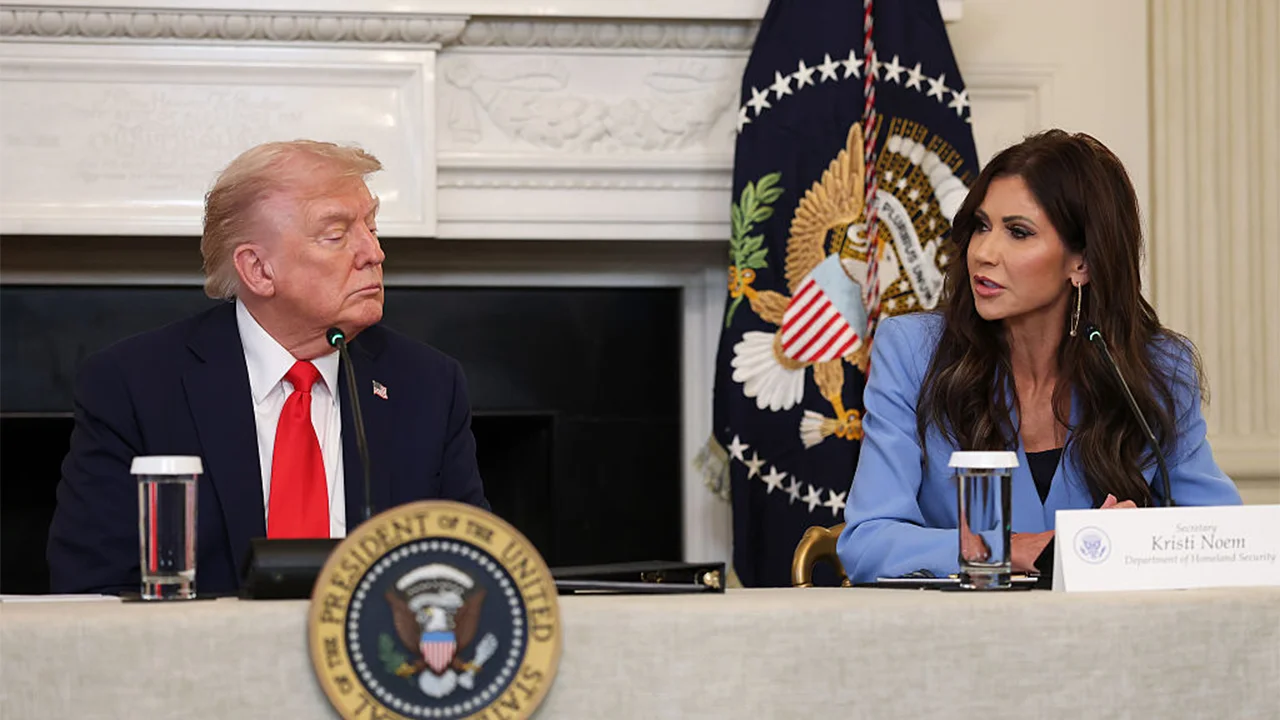
Kristi Noem says Trump will announce a sweeping agreement at the Shield of the Americas summit in Doral, Florida, detailing how the administration will go after cartels and drug trafficking across the Western Hemisphere, with 13 Latin American leaders and other officials in attendance.
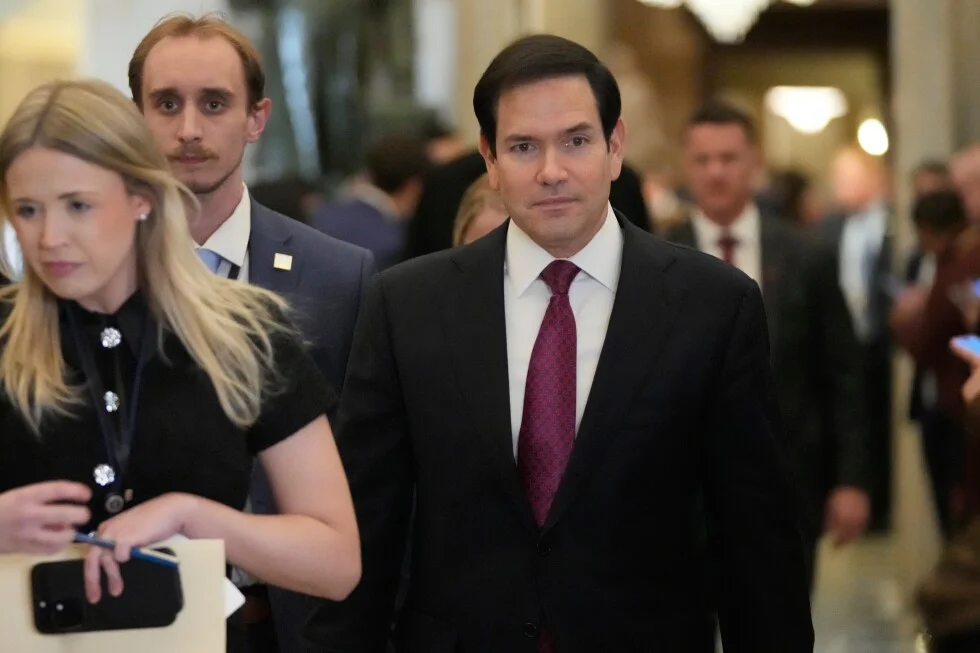
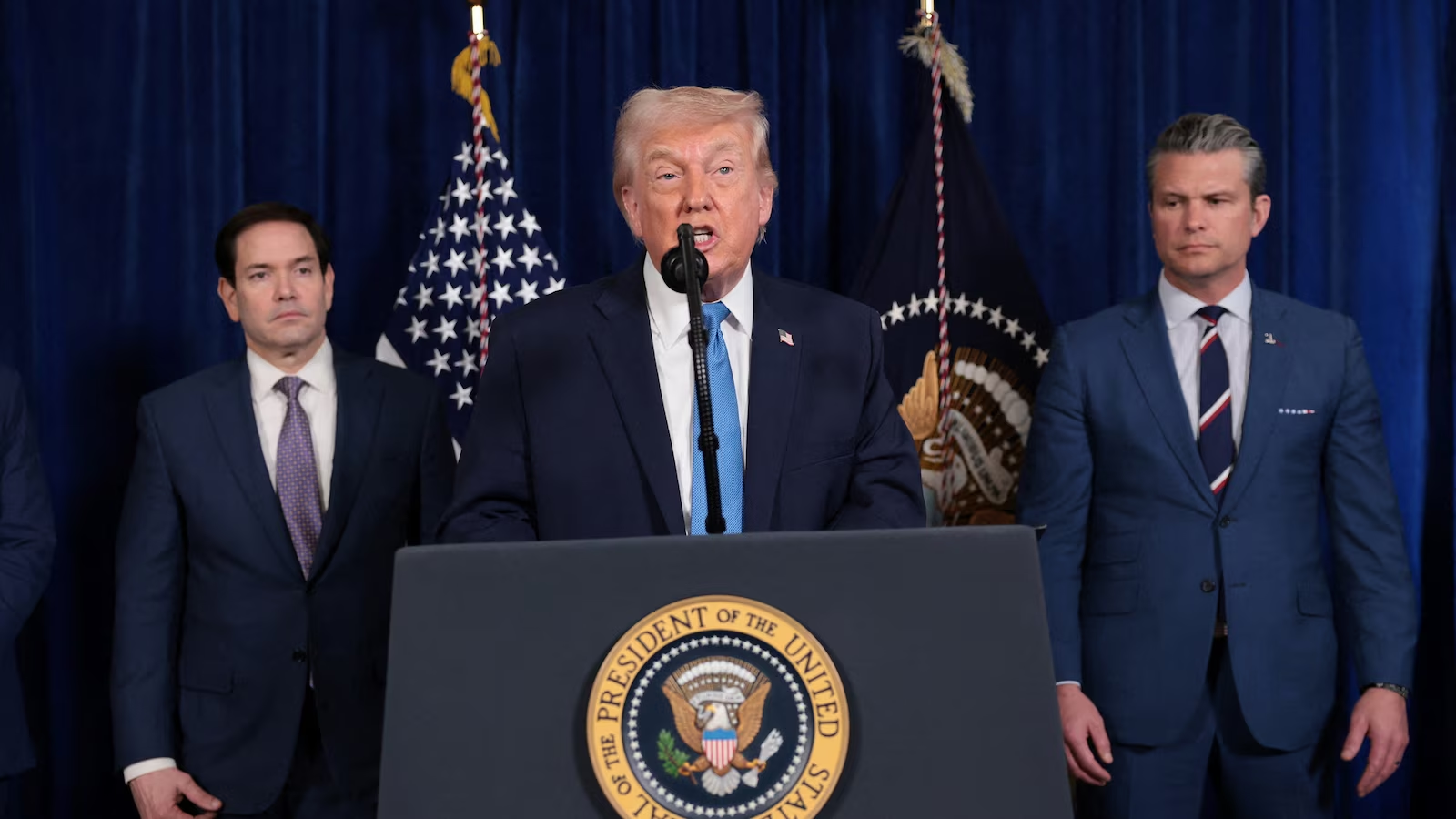
U.S. Secretary of State Marco Rubio travels to St. Kitts and Nevis for a CARICOM summit to push regional security, trade and stability as Washington pursues a Monroe Doctrine–style Western Hemisphere strategy, amid talks on Venezuela’s Maduro, Cuba’s humanitarian crisis, and broader shifts in geopolitics, with Rubio set to meet host Terrance Drew and other Caribbean leaders.
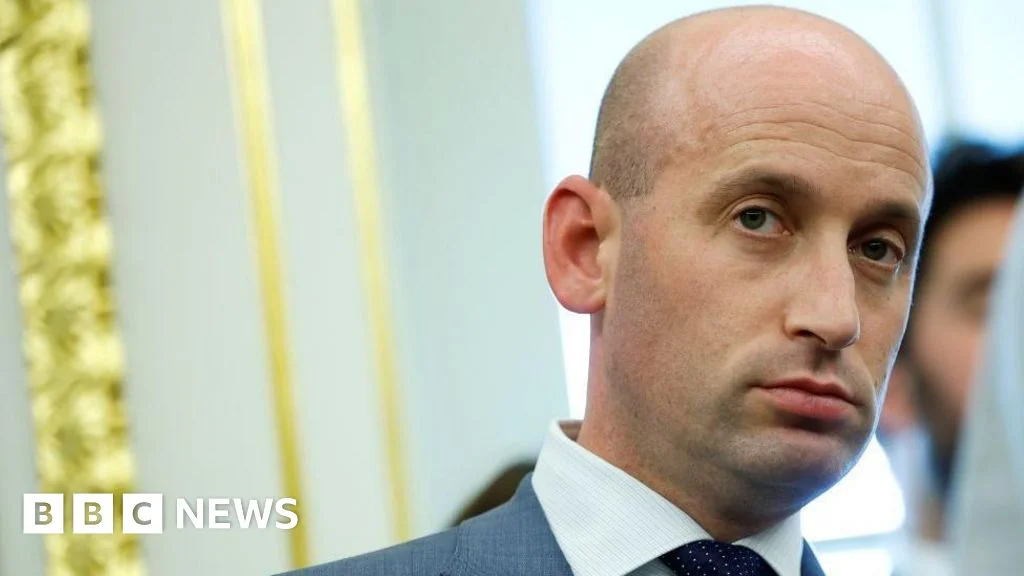
BBC profiles Stephen Miller as the White House policy deputy whose combative, unwavering approach has driven Trump’s immigration crackdown, expanded border enforcement, and shaped a muscular Western Hemisphere strategy, while drawing fierce criticism from Democrats and concern within his own party as Trump signals a 'softer touch' amid midterm pressures.
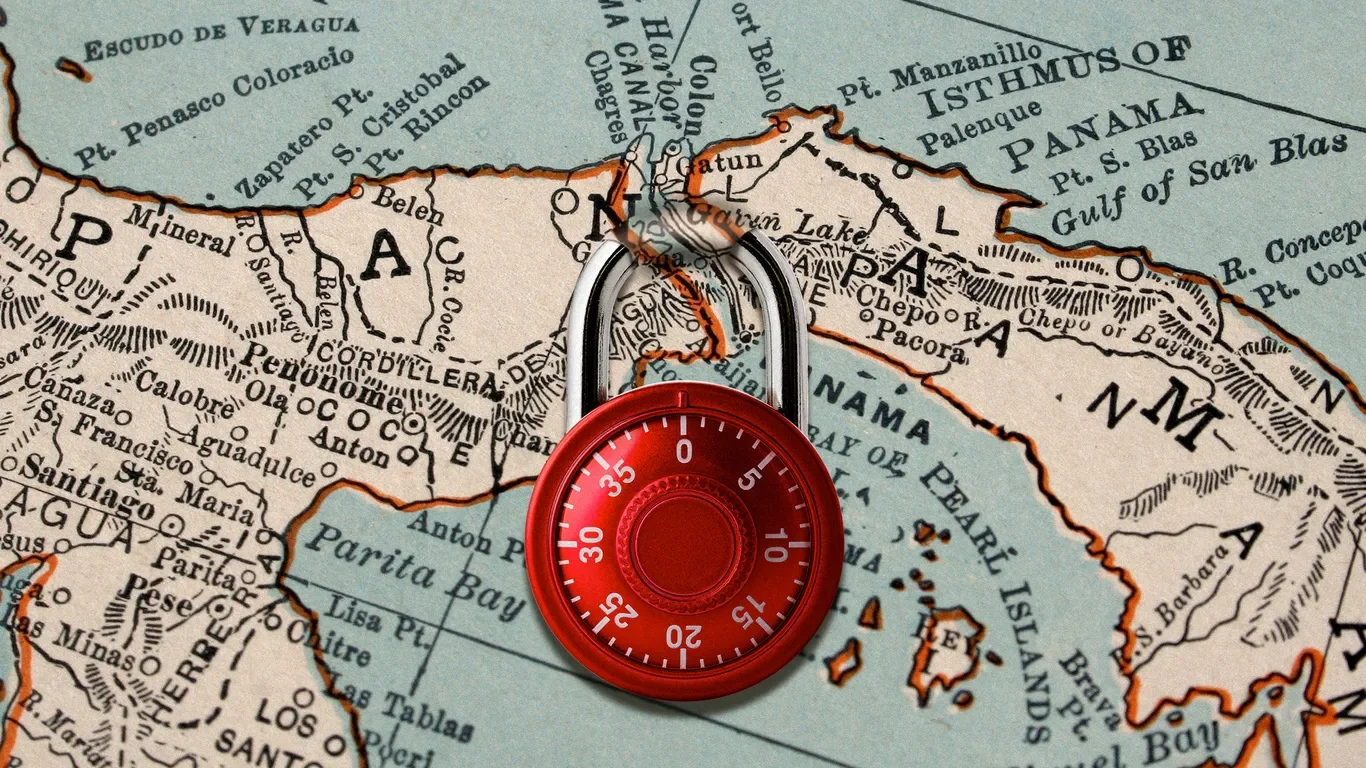
Panama's Supreme Court canceled CK Hutchison's Panama Canal port concessions amid U.S. pressure to curb Chinese influence; Maersk will temporarily manage the terminals while Panama seeks bids, following an audit that claimed the deal shortchanged the country by about $1.3 billion. U.S. officials hailed the ruling as a win for American interests and said it fits a broader Trump administration strategy in the Western Hemisphere tied to a Monroe Doctrine–style stance against China.
GMF analysts argue the National Defense Strategy signals a homeland-first realignment: the U.S. prioritizes Western Hemisphere threats, border security, and burden-sharing with allies while shrinking its global leadership footprint, potentially weakening deterrence against China and Russia. It reshapes NATO and European defense, elevates domestic operations and defense-industrial revitalization, and depends on continued bipartisan support in Congress. The analysis also highlights Arctic security, alliance cohesion, and the risks to morale and recruitment from intensified homefront deployments.
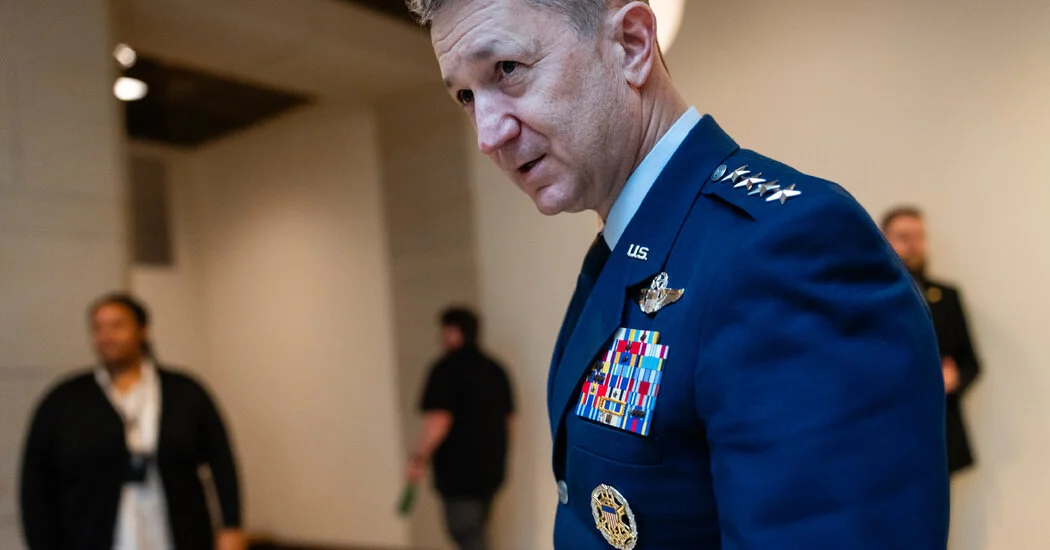
Gen. Dan Caine, chairman of the Joint Chiefs of Staff, will convene a rare Washington gathering of 34 Western Hemisphere military chiefs to coordinate counter-drug and anti-crime efforts; the Feb. 11 summit signals heightened U.S. focus on the region amid regional tensions and recent Maduro-related actions and Arctic discussions.
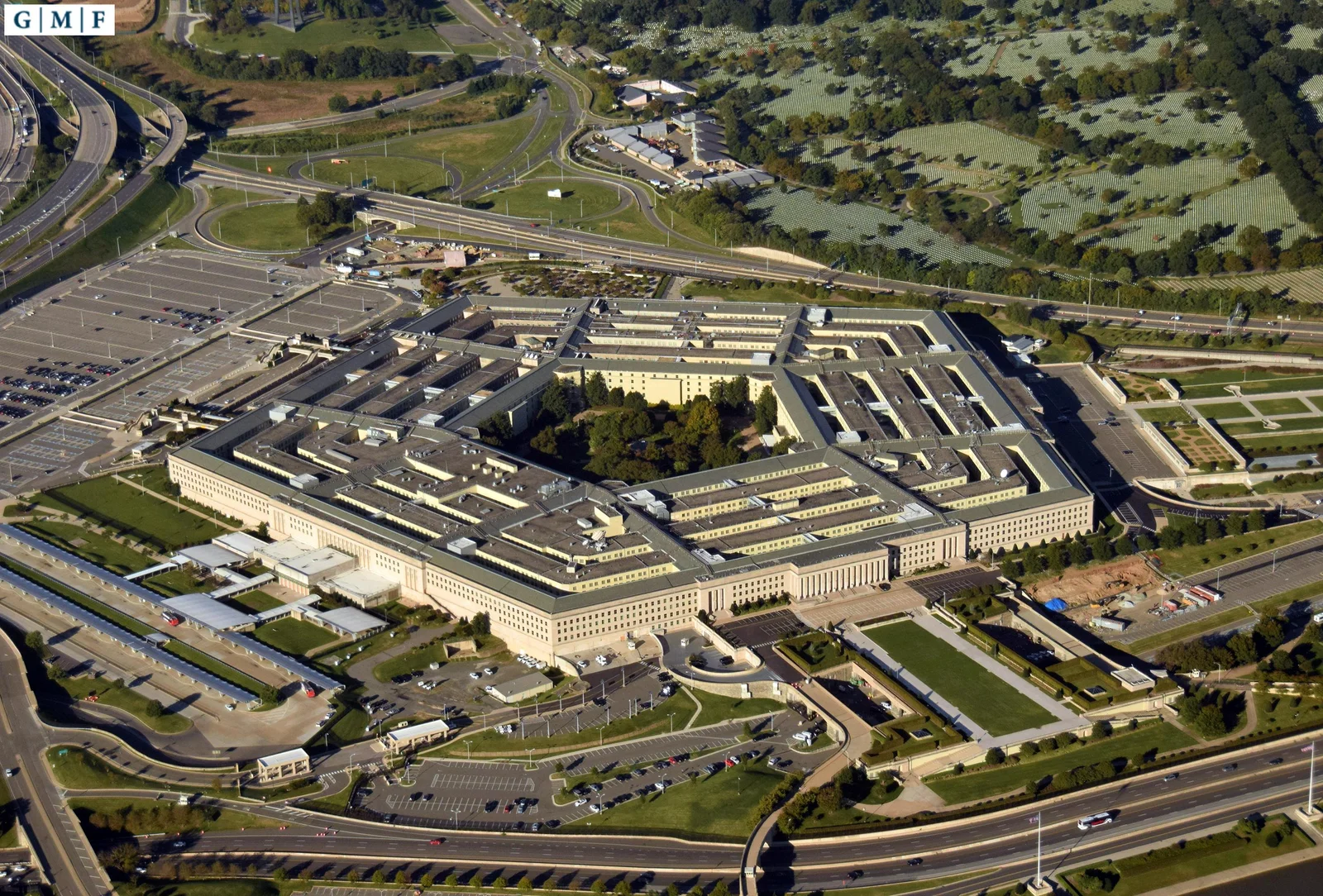
The Pentagon’s National Defense Strategy reorients U.S. defense priorities away from countering China and toward defending the homeland and interests in the Western Hemisphere, signaling a major shift from prior administrations. The plan emphasizes practical interests, maintains diplomacy with China, and calls for a strong denial posture in the Pacific, but offers few concrete details on assets or steps to safeguard key terrain like the Panama Canal or Greenland, while de-emphasizing Europe as a primary arena.
MAGA is advocating for a new phase of American expansionism, emphasizing hemispheric dominance and influence over strategic territories like Greenland, Venezuela, and Cuba, framing it as a modern Manifest Destiny aligned with Western power, despite traditional wariness of foreign conflicts.
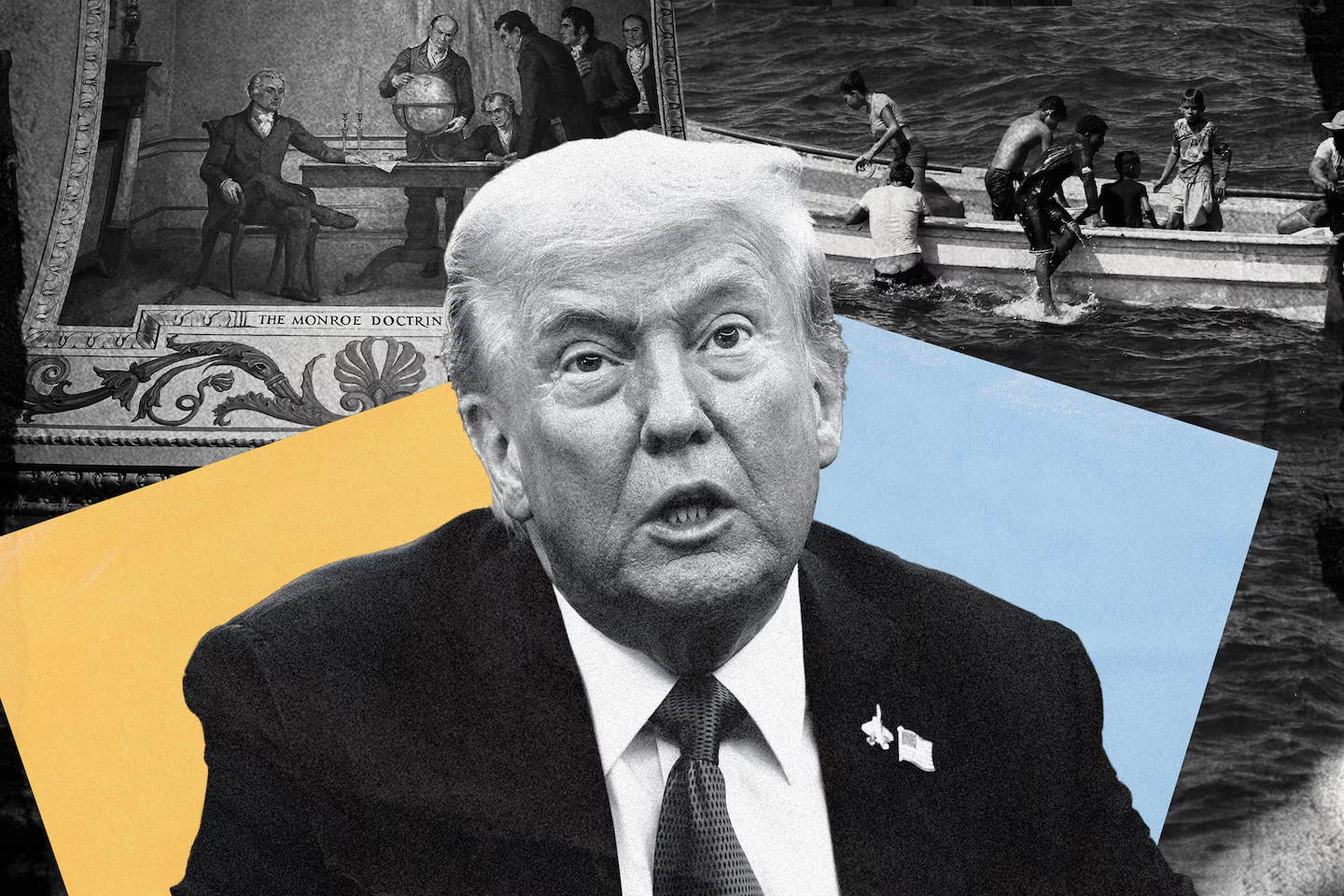
President Trump has signaled intentions of expanding U.S. influence in the Western Hemisphere through threats and proposals involving Greenland, Iran, Cuba, Colombia, and Canada, under a new approach dubbed the 'Don-roe Doctrine,' raising concerns about potential interventions and territorial ambitions.
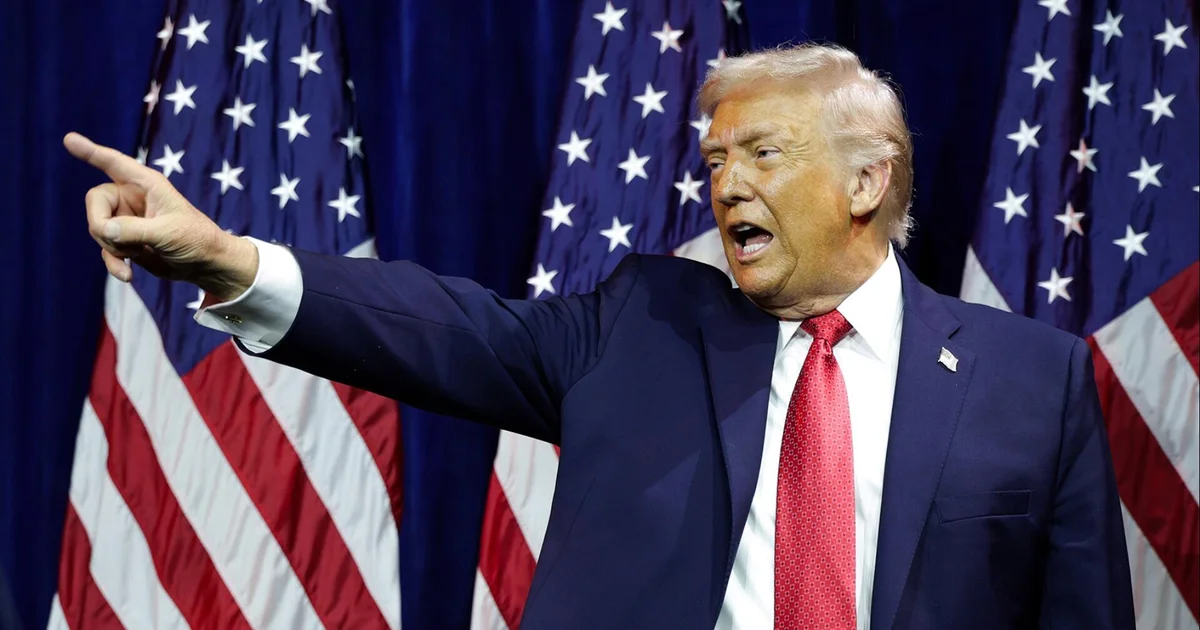
President Donald Trump announced the 'Donroe Doctrine,' a renewed U.S. policy asserting dominance over the Western Hemisphere inspired by the Monroe Doctrine, following the capture of Venezuelan President Maduro, and expressed interest in acquiring Greenland, raising concerns about increased U.S. assertiveness and potential international backlash.
In 2025, President Donald Trump is implementing a new doctrine for the Western Hemisphere, asserting increased U.S. control over regional territories, including claims on Canada, Greenland, and the Panama Canal, signaling a significant shift in American foreign policy.
The article discusses Donald Trump's shift in U.S. security policy, emphasizing that the main threats are now domestic issues like immigration and drugs, leading to aggressive military and economic actions across the Western Hemisphere to assert American dominance, including potential interventions in countries like Venezuela and Colombia.
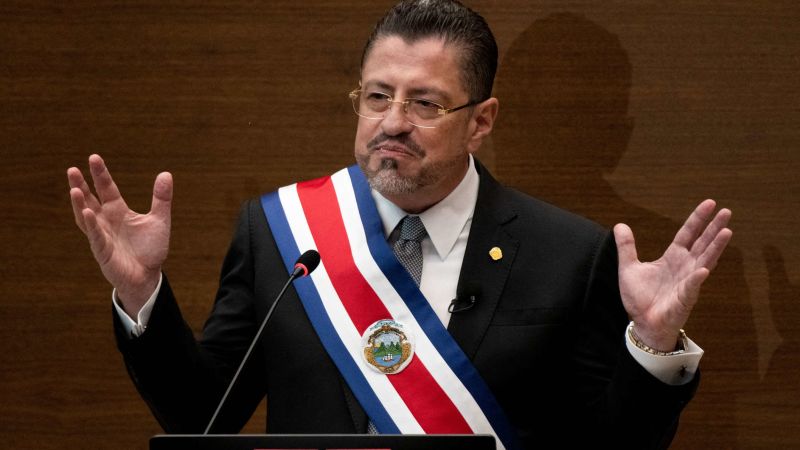
President Joe Biden welcomed Costa Rica's President Rodrigo Chaves Robles to the White House to discuss the record number of migrants heading to the United States. The two leaders discussed the 2022 Los Angeles Declaration on Migration and Protection, which aims to expand temporary worker programs, strengthen legal pathways for refugees and family reunification, support countries hosting large migrant populations, and crack down on human smuggling networks. The Biden administration is facing immense pressure as migration in the Western Hemisphere reaches new records, with thousands more people expected to arrive at the US southern border this fall. The visit highlighted the importance of US relationships in managing the flow of migrants, particularly with countries like Costa Rica that serve as transit points. The US has launched initiatives such as safe mobility offices to provide legal pathways for migrants to apply to migrate to the US and other countries, instead of making the dangerous journey north.
New York State has spent nearly $1 billion over the past decade on Elon Musk's plan to build the largest solar-panel factory in the Western Hemisphere, making it one of the largest-ever public cash outlays of its kind. However, critics argue that the deal was a bad one for the state.