Tag

Monroe Doctrine

All articles tagged with #monroe doctrine

world3 days ago

From a simple warning to a long history of intervention

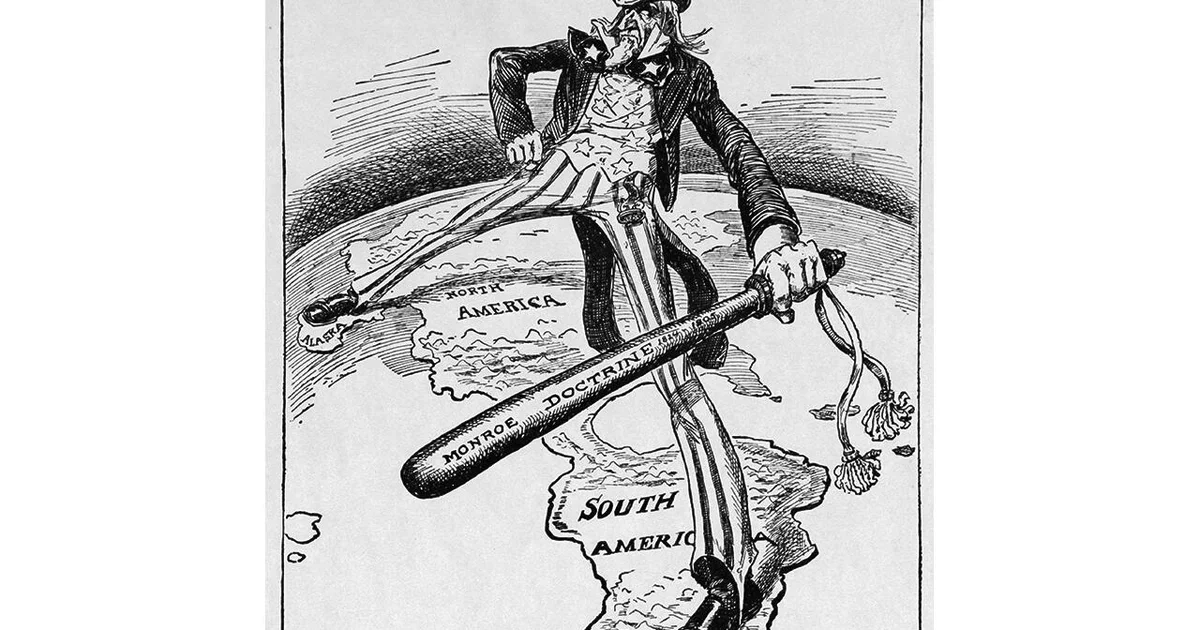
CBS News traces Jay Sexton’s take on the Monroe Doctrine: a short 1823 address by James Monroe became a lasting justification for U.S. actions in Latin America, from the Banana Wars and Roosevelt’s corollary to a modern revival under Trump, while historians emphasize it was never a formal statute but a presidential statement that evolved into a geopolitical tool.

world10 days ago

U.S. Foreign Policy and Venezuela: The Monroe Doctrine's Lasting Impact

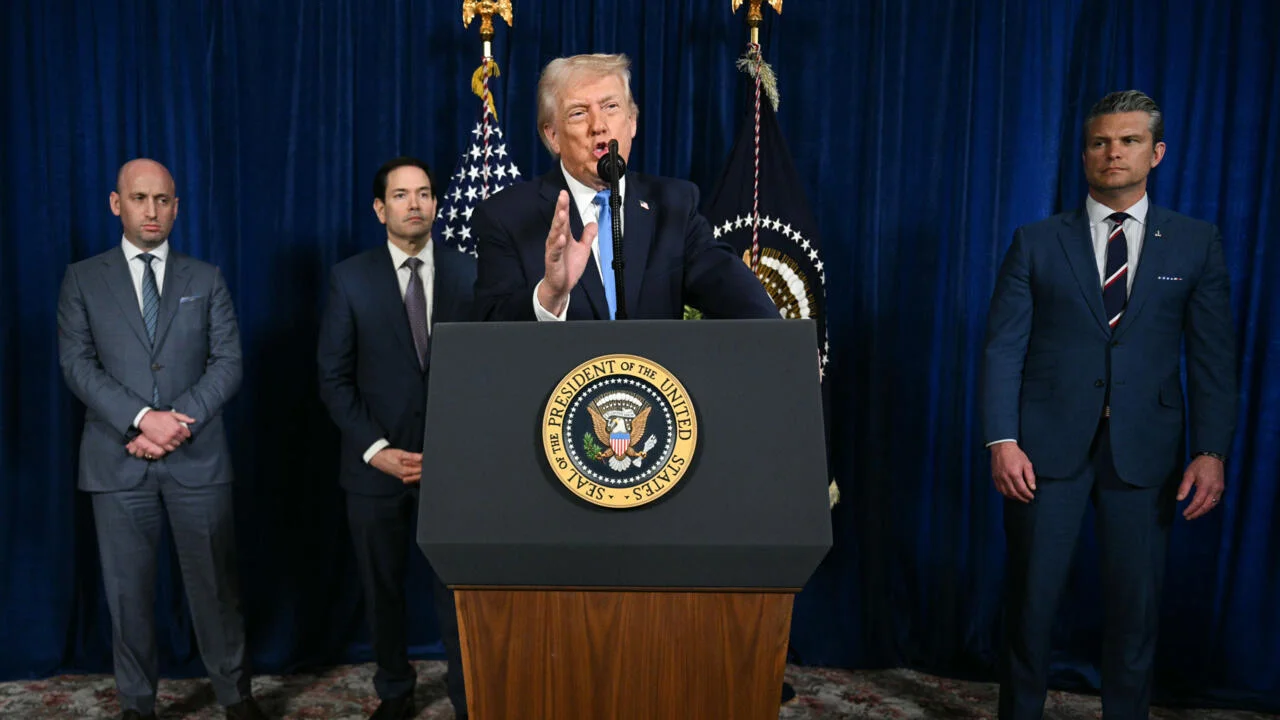
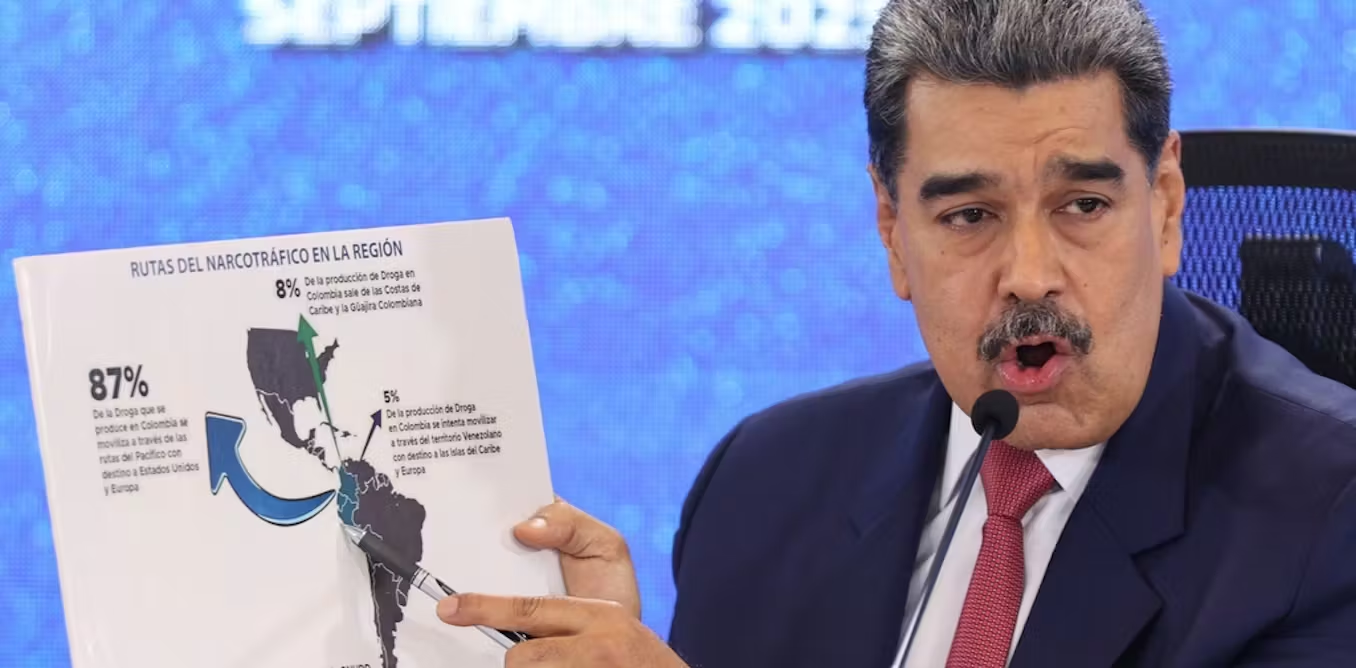
The Monroe Doctrine, established in 1823 to oppose European interference in the Western Hemisphere, has historically justified U.S. interventions in Latin America. Recent references by Trump, including the concept of a 'Trump Corollary,' aim to reassert American dominance in the region, exemplified by actions against Venezuela and discussions of military intervention, continuing a long tradition of U.S. influence in the area.

world15 days ago

Trump's 'Donroe' Doctrine: A Costly Shift in Latin American Policy

The article criticizes Donald Trump's aggressive reassertion of US dominance in the Western Hemisphere, reminiscent of the Monroe Doctrine, through threats, military posturing, and interference, which risks destabilizing the region and provoking backlash, while also highlighting the complex geopolitical tensions with China and Russia.

foreign-policy1 year ago

Marco Rubio's Appointment as Secretary of State Signals Shift in US-Latin America Policy

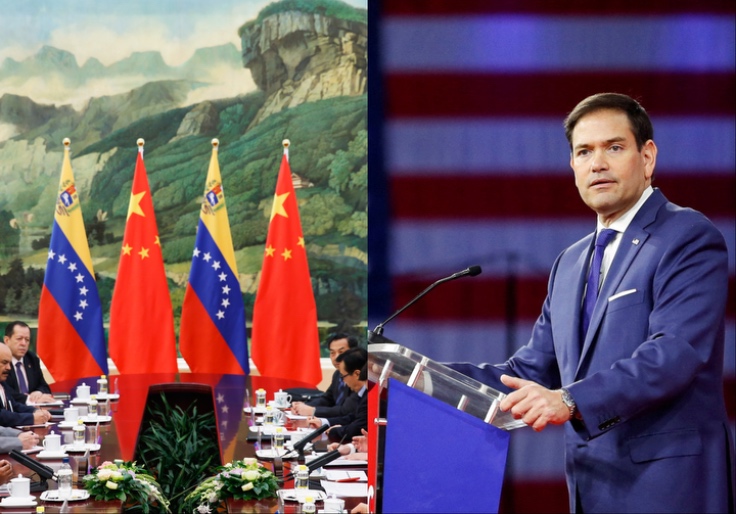
President-elect Donald Trump has nominated Florida Senator Marco Rubio to lead the State Department, signaling a potential revival of the Monroe Doctrine in U.S. foreign policy. Rubio, known for his strong stance against China and Iran, is expected to focus on Latin America, where China's growing influence poses a challenge. With extensive experience in the region, Rubio aims to curb Chinese influence and strengthen U.S. ties by promoting American business interests and supporting pro-American leaders. This approach could enhance U.S. strategic advantages in its "benign neighborhood."