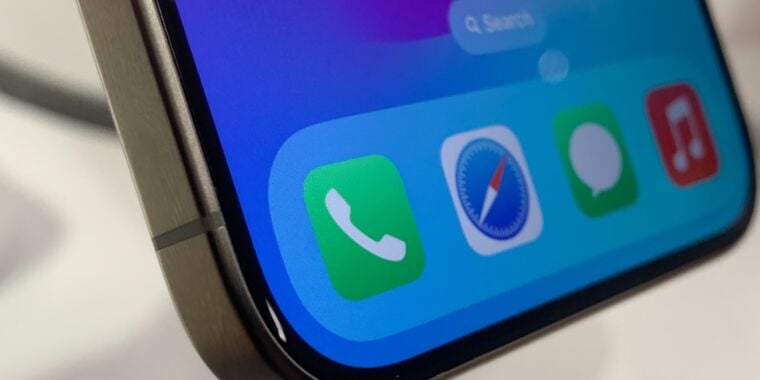
iOS 26 introduces a major redesign of the iPhone's Home Screen with a Liquid Glass aesthetic, customizable modes including Tinted and Clear icons, new wallpaper editing features, and enhanced web app functionality, creating a more immersive and personalized user experience.
Perplexity has launched Perplexity Labs, a new feature for Pro subscribers that enables the creation of reports, spreadsheets, web apps, and dashboards using AI-powered tools for deep research and analysis, capable of automating tasks that would take days in just minutes.
The article highlights 14 free online tools that can perform various tasks directly in a web browser, eliminating the need for paid desktop utilities. These tools include ILovePDF for PDF conversions, Giphy for creating GIFs, Image Compressor for reducing image sizes, Smallpdf for editing PDFs, ZIP Extractor for unzipping files, QRCodeMonkey for generating QR codes, UnitConverters for unit conversions, iLoveIMG for watermarking images, Canva for graphic design, Image to Text Converter for extracting text from images, Audio Cutter Online for trimming audio clips, RedKetchup Color Picker for identifying colors in images, Google Translate for translations, and Calculator.net for various calculations.
Google Chrome is set to introduce a new feature that allows users to install any webpage as a desktop app on Mac, similar to Safari's functionality in macOS Sonoma. This feature, based on Chrome's support for Progressive Web Apps, will be available in the upcoming stable build after Chrome 123. Users can currently test the feature in the latest Canary build by enabling specific flags. The implementation of web apps in Chrome is more advanced than Safari's, offering a simplified toolbar and a pared-down settings menu.
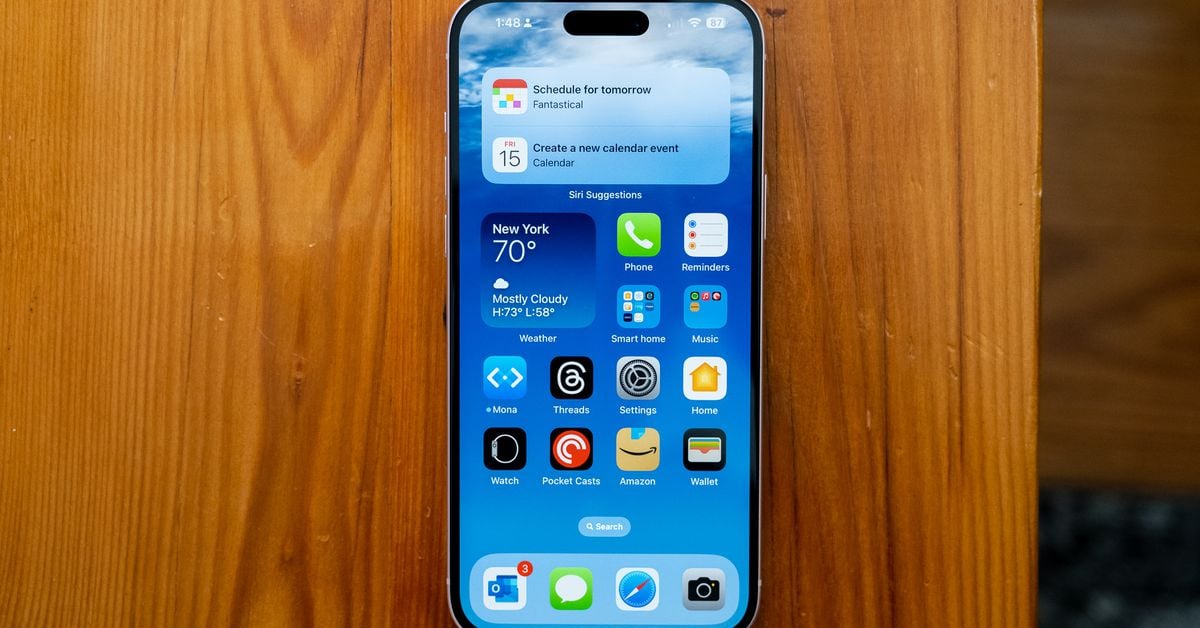
Apple initially removed home screen web apps in the EU, citing the Digital Markets Act's requirement to support non-WebKit browsers, but has now reversed its decision following user requests. The company will continue to offer support for home screen web apps in the EU with the upcoming iOS 17.4 update, aligning them with the security and privacy model for native apps on iOS. The move comes after criticism from the Open Web Advocacy organization and scrutiny from European Commission officials, with the latter probing Apple's decision. The reasons behind Apple's reversal remain unclear, but European iOS 17.4 beta users will have web apps back once the software's final version arrives.
Apple has reversed its decision to discontinue support for the installation of progressive web apps in the EU, stating that it will continue to offer the existing Home Screen web apps capability in iOS 17.4. This decision comes after facing criticism from developers and users, as well as scrutiny from the European Commission. The move to drop web apps was initially blamed on the Digital Markets Act, but Apple now says it's reversing the decision after receiving requests to continue supporting the feature.
The European Commission is investigating Apple's decision to disable home screen web apps on iPhones and iPads in Europe, seeking information from both Apple and affected app developers. This move is in response to Apple's claim that it is too difficult to maintain the feature under the EU's new Digital Markets Act. The Act requires gatekeepers like Apple to allow third-party interoperability and prohibits favoritism towards their own services. Critics argue that Apple's decision is an attack on the open web and an attempt to stifle competition to the App Store model. Apple cites complex security concerns as the reason for the change, but the EU probe continues as the compliance deadline approaches.
EU regulators are investigating Apple's decision to discontinue support for web apps in the EU, following the company's announcement that it will drop support for progressive web apps in iOS 17.4 starting in March. Apple attributes the change to comply with the EU's new Digital Markets Act, which aims to regulate large platforms like the App Store. The move is seen as a way for developers to bypass Apple's App Store and associated fees, and the European Commission has sent inquiries to Apple and app developers to better understand the impacts of the decision.
Apple has been found to be blocking web apps in Europe, citing compliance with antitrust legislation, but this move may lead to a fresh antitrust investigation. The European Union is taking steps towards a formal investigation into Apple's decision to disable "progressive web apps" in the EU, seen as a precursor to an in-depth probe. Apple's response to the Digital Markets Act is likely to end up in court, as the company faces scrutiny over its business practices in the region.
The European Commission is reportedly considering an investigation into Apple's decision to discontinue iPhone web apps in the EU, sending requests for more information to Apple and app developers. Apple blames the EU's Digital Markets Act for the change, citing the requirement to allow full support for third-party browser engines. App developers are pushing back on the decision, with a nonprofit organization conducting a survey to assess the impact and planning to send the responses to the European Commission.
The European Commission is considering investigating Apple's decision to disable Home Screen web apps in the EU, following the release of the second beta version of iOS 17.4. Critics argue that the move undermines the role of web apps as viable alternatives to native apps in iOS. Apple claims it had to make the change to comply with the EU's Digital Markets Act, citing security and privacy risks associated with third-party browsers used with web apps in Europe. EU competition regulators have sent questions to developers and confirmed scrutiny of the issue.
The European Union is reportedly considering launching an antitrust investigation into Apple over concerns that the tech giant's decision to restrict access to third-party payment systems for web apps on its devices may be anticompetitive. This move comes as part of the EU's broader efforts to scrutinize the practices of major tech companies and ensure fair competition in the digital market.
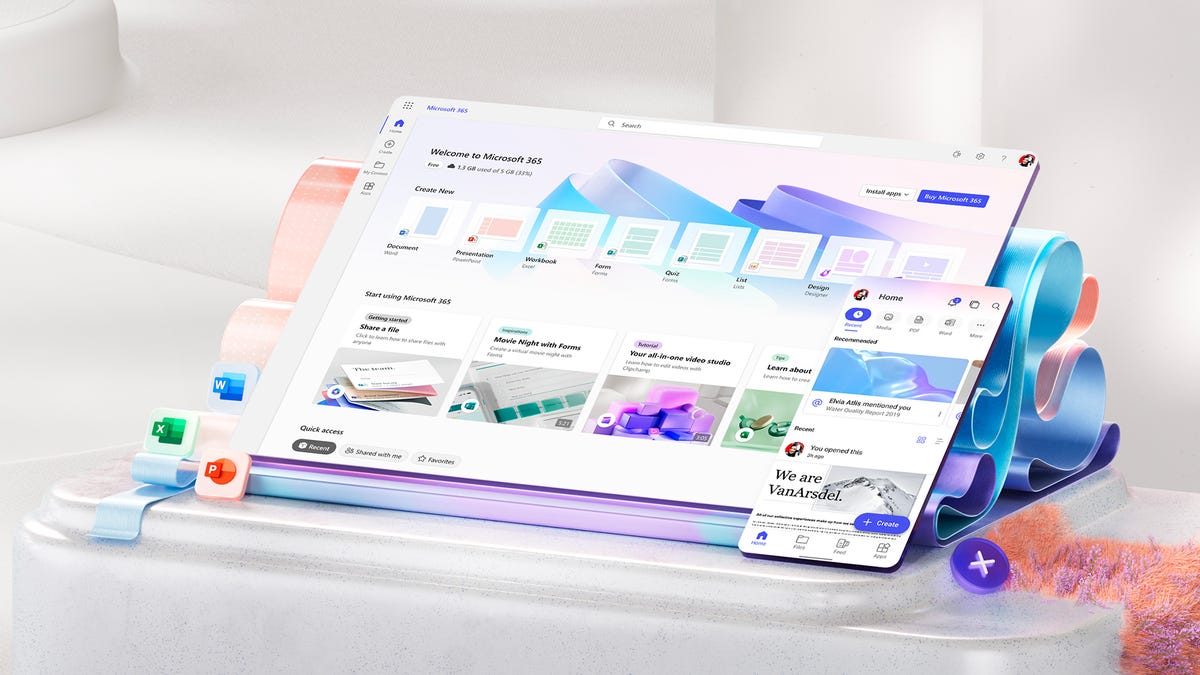
Microsoft offers a free online version of Office, now known as Microsoft 365, accessible through a Microsoft account and web browser. While some features are limited compared to the desktop version, users can create and edit Word, Excel, and PowerPoint files, with automatic cloud syncing. The web apps provide a familiar interface and basic functionality, making them suitable for most users, though advanced features are restricted.
Apple is disabling the ability to install home screen web apps from iPhones and iPads in Europe due to compliance issues with the European Union's Digital Markets Act. The company cites the difficulty of ensuring security and privacy for web apps using alternative browser engines as the reason for the change. While users can still add website bookmarks to their home screens, they will be directed to the web browser instead of a separate web app. This move is part of Apple's efforts to comply with the DMA, which also includes allowing sideloading of iOS apps and implementing browser choice and security requirements for developers using alternative browser engines.
Apple's iOS 17.4 beta, released to comply with the EU's Digital Markets Act, removes support for web apps in the EU, preventing users from installing and running them on their iPhones. This change is likely related to the DMA's requirement for Apple to allow alternative app stores and web browsers on the iPhone. The update also enables developers to release web browsers with alternative engines in the EU, but it remains unclear whether Apple will find a workaround for the removal of progressive web apps (PWAs) in the region.