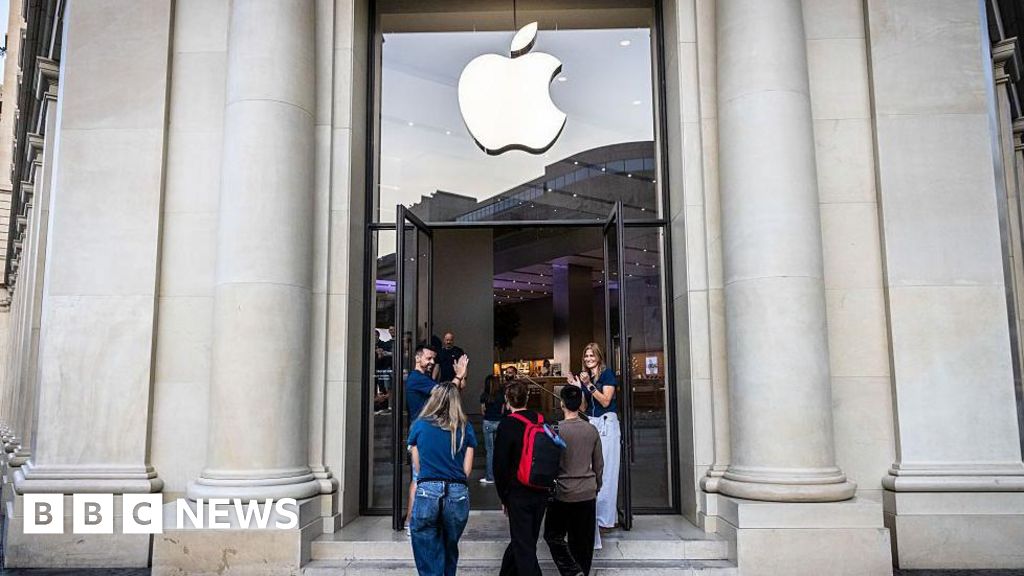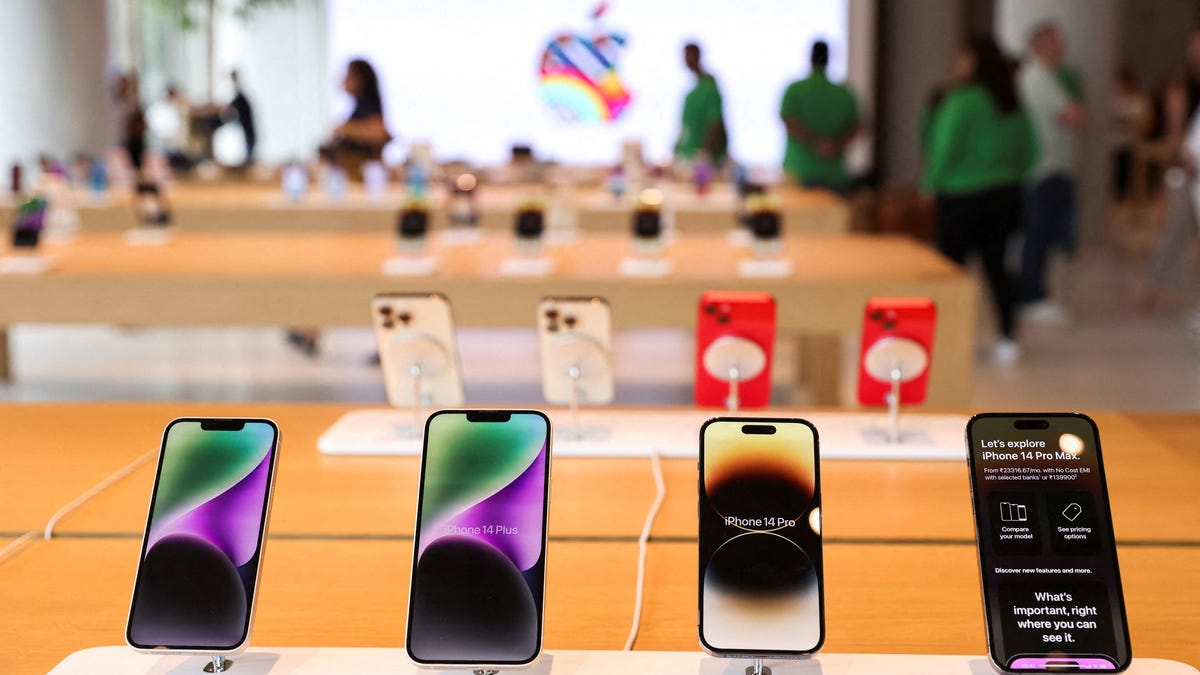
Apple is criticizing EU regulators for challenging its closed ecosystem and the Digital Markets Act, which aims to increase interoperability and consumer choice, while Apple argues these rules threaten its innovative, integrated user experience. The company has delayed certain features in Europe, citing privacy and security concerns, and is pushing back against regulatory efforts that it claims undermine innovation and user experience.
EU regulators are investigating Apple's decision to ban Epic Games' developer account, which has prevented the launch of the Epic Games Store in Europe. This latest clash stems from Apple's rules and Epic's alleged breach of contractual obligations. The ongoing dispute is part of a long history of conflicts between the two companies, with the EU's involvement coinciding with the implementation of the Digital Market Act, which aims to prevent gatekeepers like Apple from favoring their own systems.
EU regulators fine Apple nearly $2 billion for imposing restrictions on app developers, while bitcoin prices surge above $67,000. Yahoo Finance launches new live shows, Market Domination and Market Domination: Overtime, aimed at providing investors with tools for dominating the trading day, featuring top guests from Fidelity Investments, Skybridge, BlackRock, and more.
EU regulators are investigating Apple's decision to discontinue support for web apps in the EU, following the company's announcement that it will drop support for progressive web apps in iOS 17.4 starting in March. Apple attributes the change to comply with the EU's new Digital Markets Act, which aims to regulate large platforms like the App Store. The move is seen as a way for developers to bypass Apple's App Store and associated fees, and the European Commission has sent inquiries to Apple and app developers to better understand the impacts of the decision.
EU antitrust regulators are likely to block Amazon's proposed $1.4 billion acquisition of iRobot Corporation, citing concerns about unfair competition in the robot vacuum market. The deal, which would combine iRobot's Roomba vacuums with Amazon's e-commerce dominance, has also raised concerns with the FTC in the US. This move is part of a larger trend of regulators globally scrutinizing big tech mergers and acquisitions for potential antitrust violations.
EU regulators are expected to order Illumina, a leading genomics company, to sell its recently acquired cancer treatment group, GRAIL, for around $8 billion due to concerns over competition. The regulators are concerned that Illumina's ownership of GRAIL could hinder competition in the market for liquid biopsy tests, which are used to detect cancer.
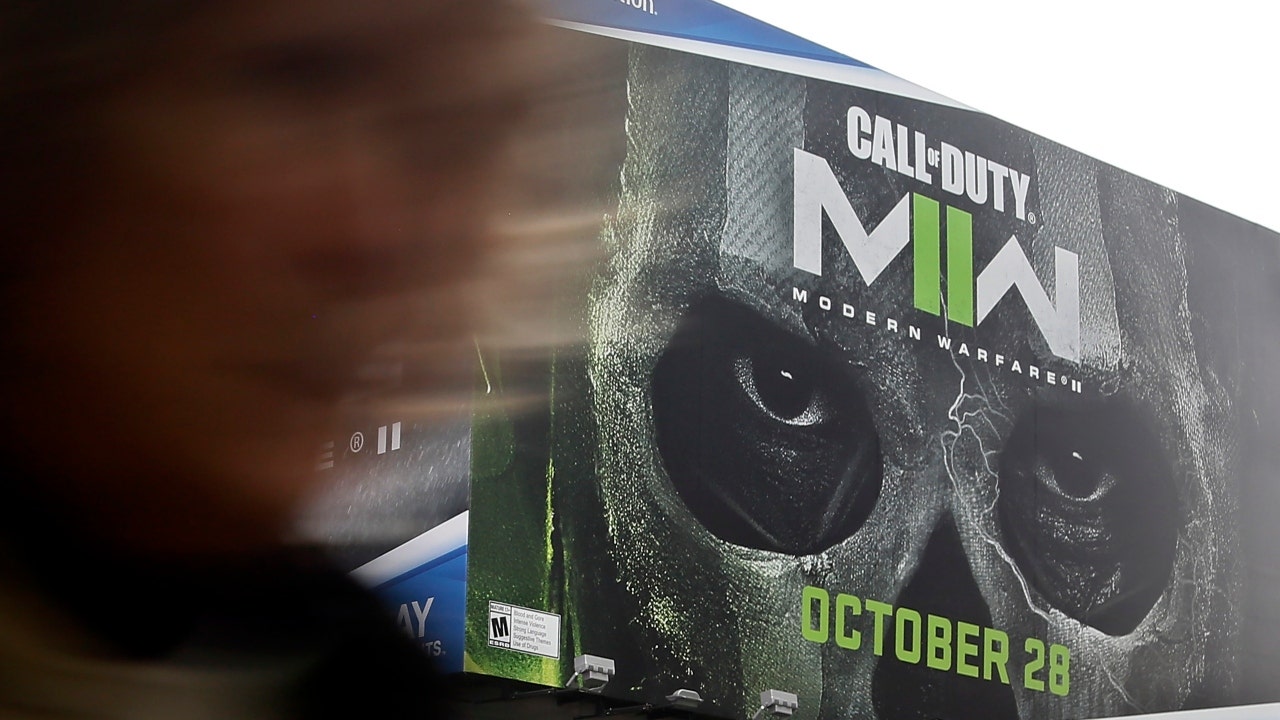
The European Union has approved Microsoft's $69 billion acquisition of video game maker Activision Blizzard, after Microsoft promised to automatically license Activision games to cloud gaming platforms. The deal has been scrutinized by regulators around the world over fears that it would give Microsoft and its Xbox console control of Activision's hit franchises like Call of Duty and World of Warcraft. The acquisition is still in jeopardy as British regulators blocked the deal in late April and the U.S. Federal Trade Commission claimed it is an illegal acquisition.
EU regulators have approved Microsoft's $68.7 billion acquisition of Activision Blizzard, with the condition that Microsoft offers 10-year licensing deals to competitors for cloud gaming services. The EU found that Microsoft would have no incentive to refuse to distribute Activision's games to Sony, but the acquisition could harm competition around the distribution of PC and console games through cloud gaming services. The UK's Competition and Markets Authority blocked the deal over cloud gaming market concerns, and Microsoft is appealing the decision. The company still faces battles in the US and UK, with an evidentiary hearing scheduled for August 2nd.
The European Commission is expected to approve Microsoft's $69 billion acquisition of Activision Blizzard next week, with May 15 being the likeliest date for the announcement. Microsoft's willingness to offer game licensing deals to rivals is likely to address antitrust concerns. The acquisition has been approved in several countries, but the UK's Competition and Markets Authority has prevented the deal due to concerns about its impact on the future of the cloud gaming market. Microsoft and Activision have confirmed their intention to appeal the CMA's ruling.
The UK's Competition and Markets Authority has blocked Microsoft's $68.7 billion deal to acquire Activision Blizzard, and EU regulators are due to make a decision soon. Microsoft is expected to appeal the decision, which could drag on for months and lead to a messy fight with the FTC. All eyes are now on European regulators as Microsoft attempts to salvage the acquisition.
European regulators have distanced themselves from the Swiss decision to write down $17bn of Credit Suisse's bonds, saying they would write down shareholders' investments first. The Swiss decision has led some Credit Suisse AT1 bondholders to consider legal action, and it sparked uncertainty for bondholders around the world. Switzerland is not part of the European Union and so does not fall under the region's banking regulation. The recent banking turmoil started in the US with the fall of Silvergate Capital, a bank focused on cryptocurrency.