Google has unveiled prototype smartglasses powered by its new AI model, Gemini 2.0, which provides real-time information about the user's environment. The glasses integrate with Google services like search, Maps, and Lens, and focus on voice-based interactions. This marks Google's re-entry into the smartglasses market, following the earlier Google Glass. The company plans to test the glasses with a small group of users, with no timeline for a wider release yet.
The Bluetooth Mouse Ring project by [rafgaj78] has been updated to version two, featuring a joystick input instead of tactile buttons and eliminating the power switch in favor of a deep-sleep mode. This version offers improved ergonomics, easier assembly, and various ring sizes. It operates on a Seeed Xiao nRF52840 and is programmed in CircuitPython, with two modes for mouse control. The design is sleek, and detailed instructions are available for those interested in building their own.
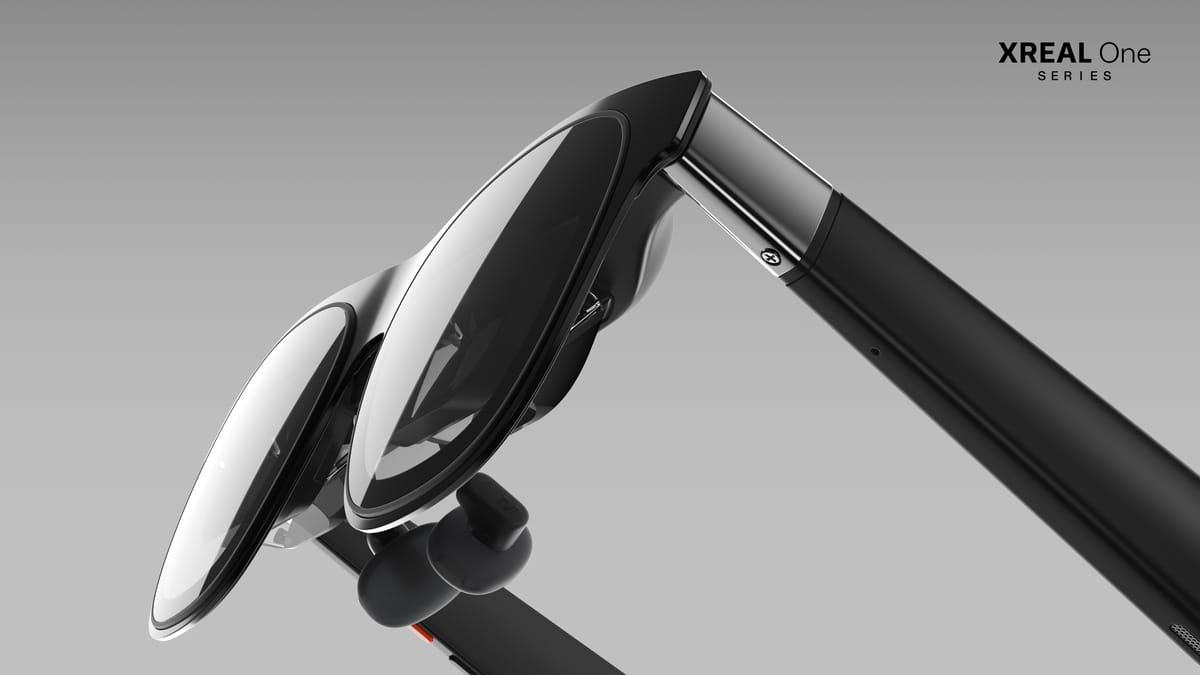
Xreal has launched the Xreal One and Xreal One Pro, virtual display glasses with built-in 3DoF tracking and a wider field of view, eliminating the need for an external adapter. Powered by the custom X1 chip, these glasses offer a 50° to 57° diagonal field of view, surpassing previous models and competitors like HoloLens 2. The glasses also feature upgraded Bose audio and electrochromic dimming. Available for preorder, the Xreal One is priced at $500 and the Pro at $600, with shipping expected in December 2023 and early 2025, respectively.
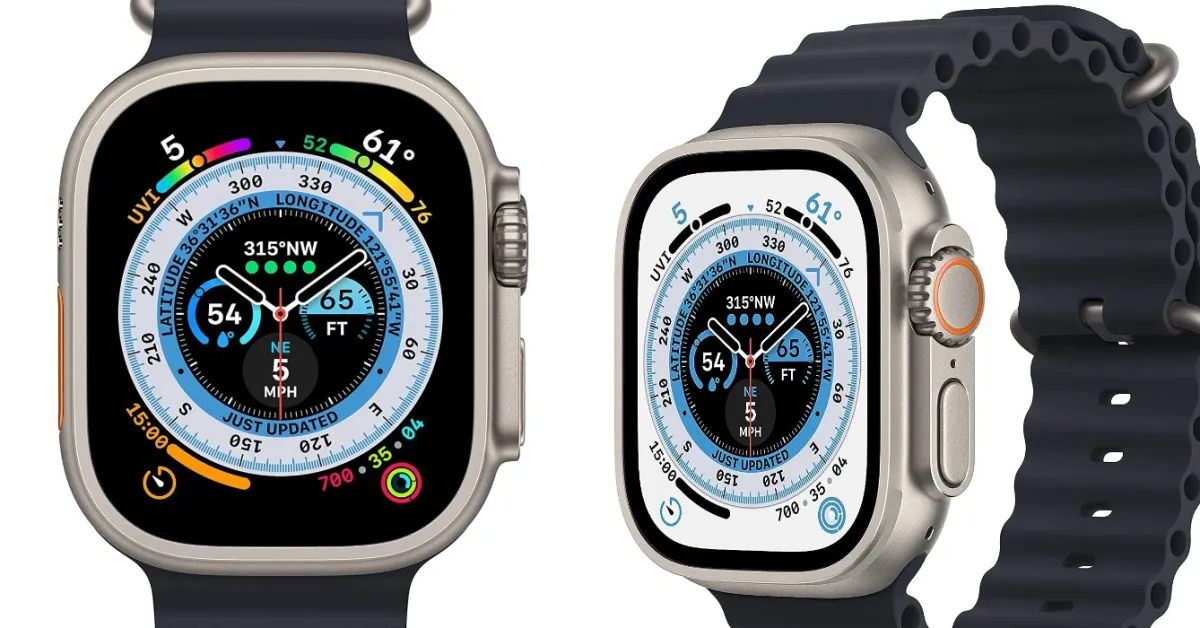
Woot is offering a refurbished Apple Watch Ultra 1 for $369.99, which is $429 off its original $799 price, making it one of the lowest prices tracked for this model. Despite being an older version, it offers similar features to the newer Ultra 2 at a significantly reduced cost. The deal includes a full 1-year warranty, making it an attractive option for those looking to experience the Apple Ultra at a lower price point this holiday season.
This article highlights a selection of tech gifts worth considering for purchase, including Meta Ray-Ban Smart Glasses with improved features, the Oura Ring 4 for sleep tracking, Apple AirPods with various options, the Infinity Game Board for family gaming, and versatile charging solutions like PlugBug and Anker MagGo. These gadgets cater to a wide range of interests and needs, making them ideal gifts for tech enthusiasts.
Doctors are skeptical about the use of wearable technology for health monitoring due to concerns over data accuracy, potential for hypochondria, and lack of standardized data formats. While wearables like smart rings and watches can track various health metrics, clinicians often prefer to verify data with their own equipment. The integration of patient-generated data into healthcare systems remains a challenge, despite potential benefits in community healthcare settings.
The Apple Watch offers a range of third-party apps to enhance productivity, including Todoist for task management, Drafts for note-taking, Focus for time management, AutoSleep for sleep tracking, Streaks for habit tracking, and Fantastical for calendar management. These apps provide various functionalities like voice commands, reminders, and progress tracking, helping users stay organized and minimize distractions without relying on their phones.
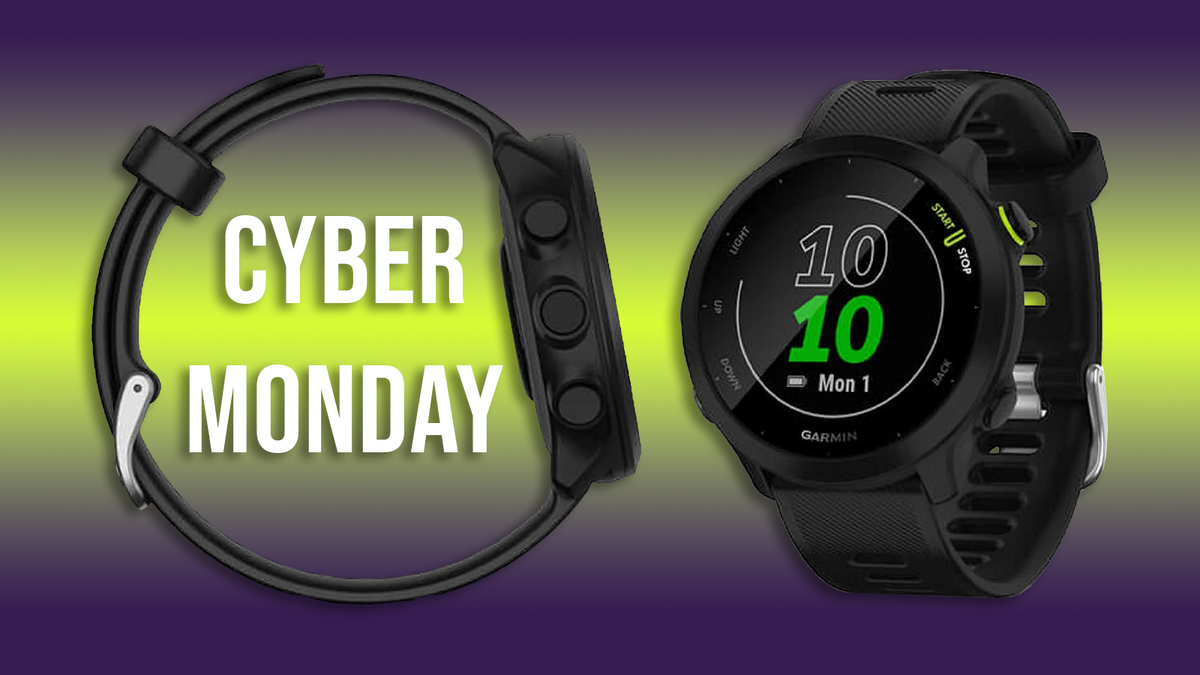
Despite not being a runner, the author has been tempted by a Cyber Monday deal on a Garmin Forerunner, a device that offers extensive data tracking similar to what they are accustomed to as a cyclist. The author has recently started running once a week to diversify their exercise routine, but their primary interest remains in cycling, where they are used to detailed performance metrics.
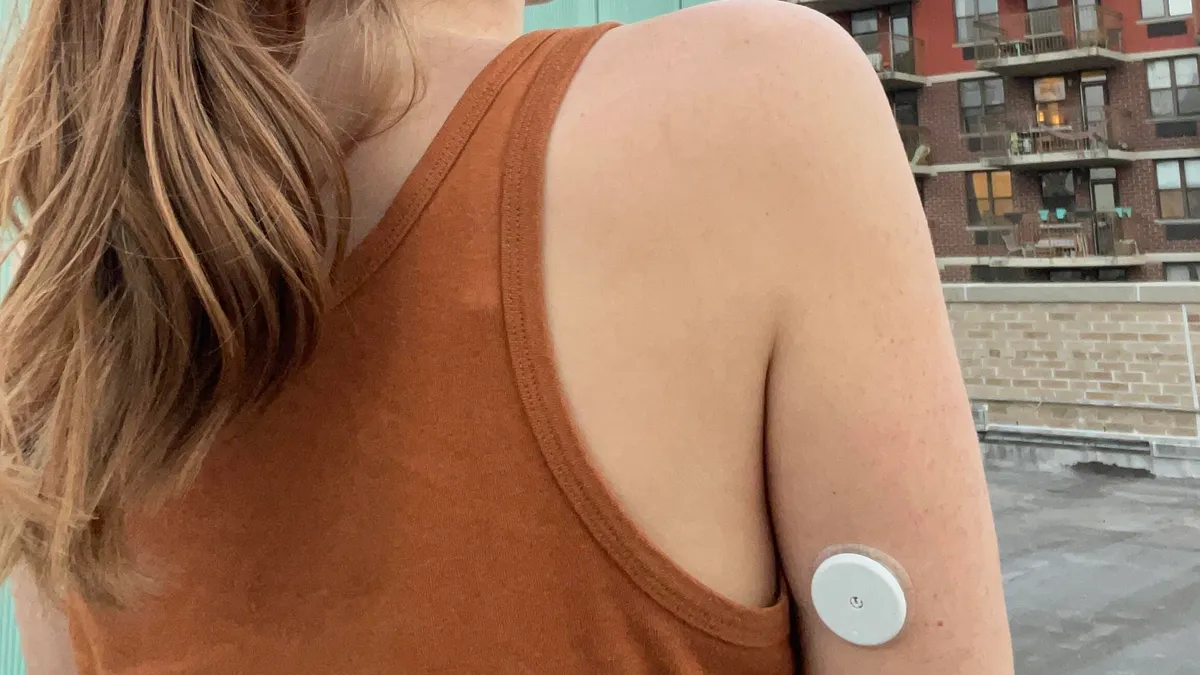
The Lingo continuous glucose monitor (CGM) by Abbott offers a consumer-friendly way to track blood sugar levels, providing insights into metabolic health and potential diabetes risk. Unlike traditional CGMs requiring prescriptions, Lingo is FDA-cleared for general wellness use, allowing users to monitor how diet and lifestyle affect glucose levels. While the app provides useful health insights, some users may find its motivational language and features like the 'Lingo Count' less appealing. The device is currently only compatible with iPhones, and its affordability makes it a viable option for periodic health check-ins.
Galaxy Watch users are experiencing unexplained random vibrations, a phenomenon not limited to the latest models. Despite various theories, including connectivity issues and app mirroring, no definitive cause or solution has been identified. Users have tried disabling Google Maps mirroring, uninstalling WhatsApp, and even factory resetting their devices, but the issue persists. Samsung has yet to provide an explanation, leaving the cause of these phantom vibrations a mystery.
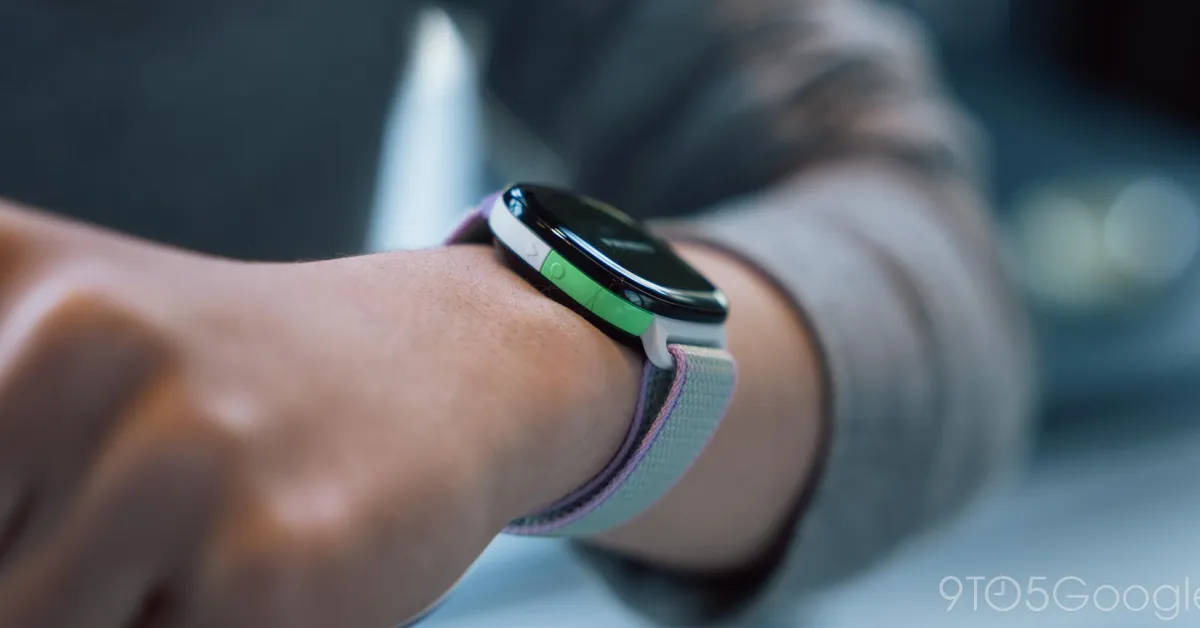
The Fitbit Ace LTE is now prominently featured on Amazon's US homepage and available for pre-order exclusively on Amazon and the Google Store, with immediate purchase options at four physical Google Store locations. The device will ship from these retailers on June 5th.
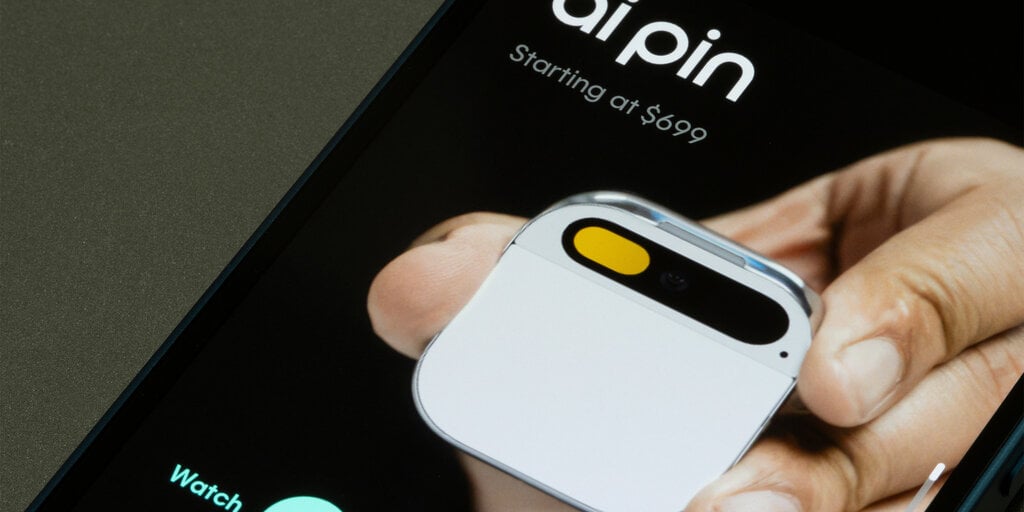
The Humane AI Pin, a $700 wearable device, has received scathing reviews from tech media and influencers, with criticisms including its high price, limited functionality, slow performance, and poor integration with other devices. Reviewers compared it to the false promise of Theranos and stated that it does not surpass the capabilities of a smartphone. The company behind the device has promised upgrades and a software development kit to address these issues, but the initial reception has been overwhelmingly negative.
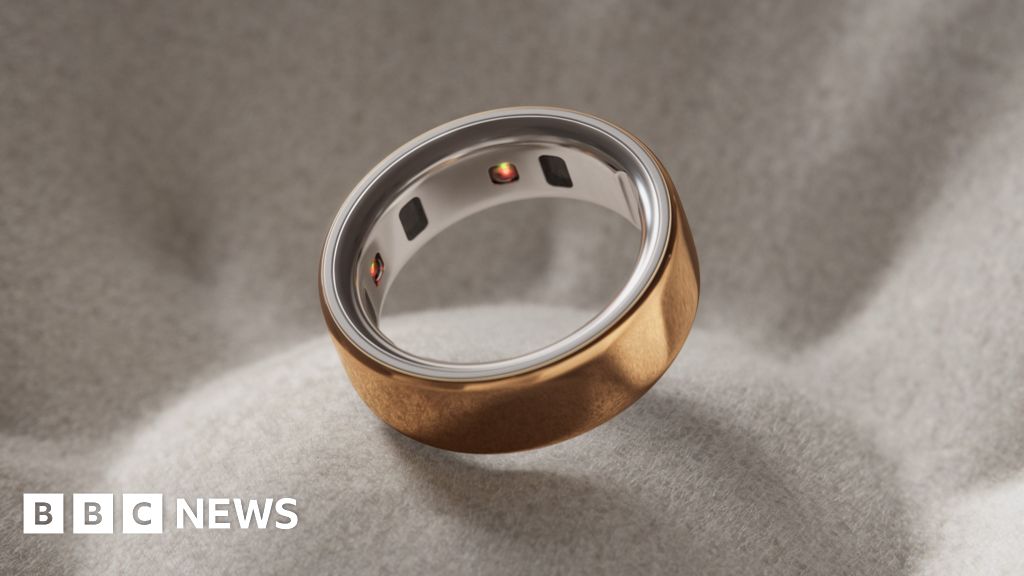
Apple's patent for a ring as an input device has been granted, but recent reports conflict on the status of the company's development of such a device, with some suggesting it as a health sensor and others as an alternative to gloves for AR/VR systems. However, Bloomberg's Mark Gurman poured cold water on the idea of an imminent launch, stating that it was simply an idea being kicked around, with no current plans. The patent describes using the ring as an input device for AR/VR headsets, but it seems redundant given Apple's success in delivering a device that can be controlled using a combination of eye- and hand-tracking.
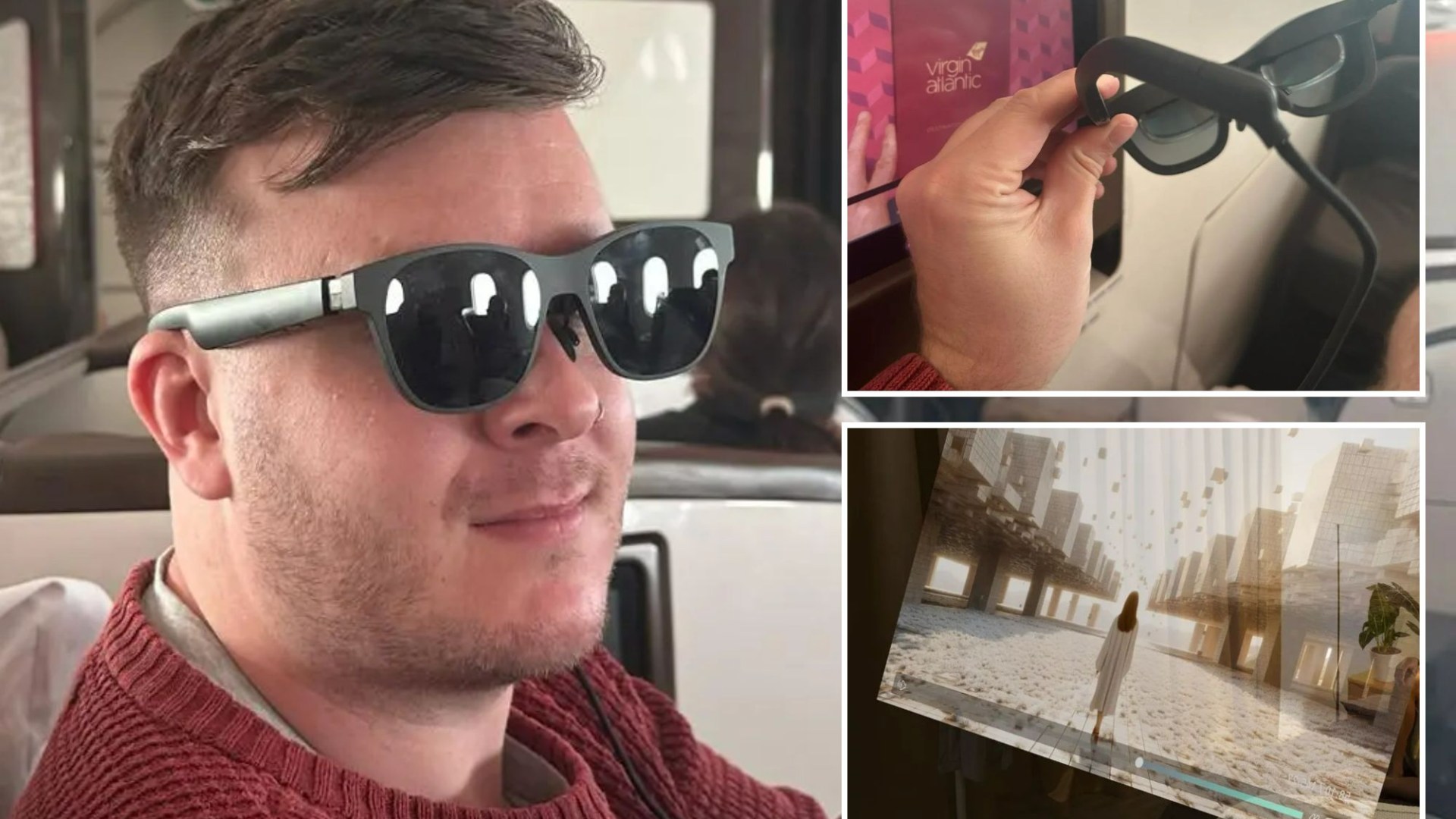
XREAL Air 2 Pro is a more affordable alternative to the pricey Apple Vision Pro, offering a virtual projection of device screens with a 130-inch wide display, USB-C connectivity, and electrochromic dimming. While setup can be cumbersome, the glasses provide a unique viewing experience, especially for watching TV and movies. However, the device requires additional accessories for older iPhones and comes with a hefty price tag of £449 / $449. XREAL is also planning to release a new Air 2 Ultra with hand tracking to compete with Apple's offering.
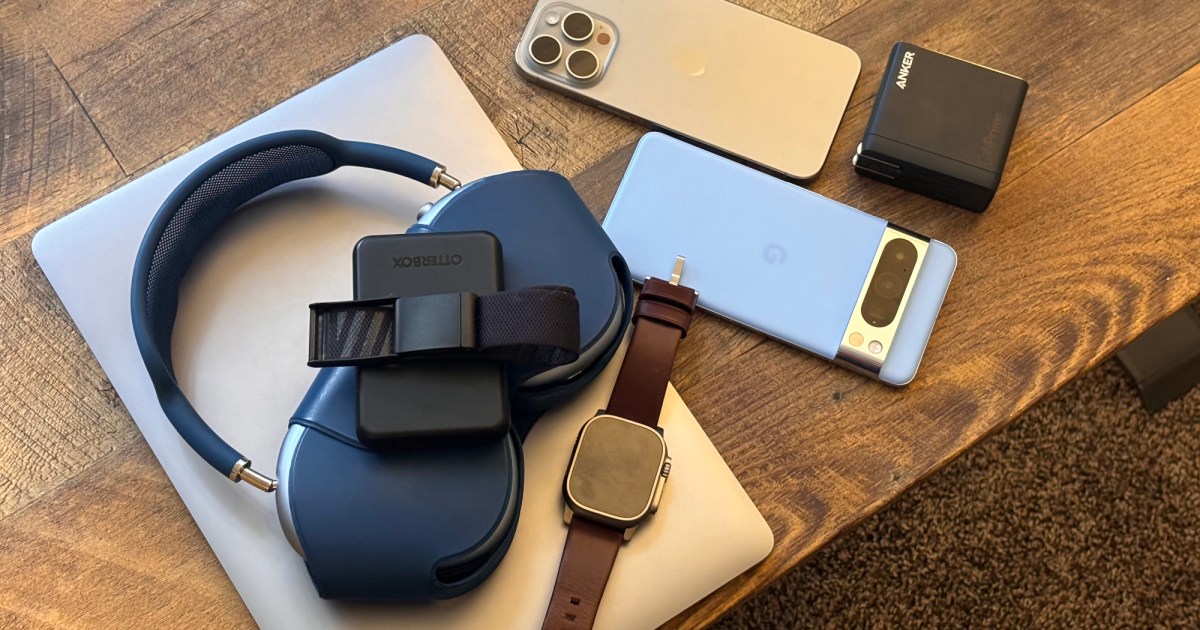
Joe Maring from Digital Trends shares the tech lineup he's packing for CES 2024, including the iPhone 15 Pro Max for its lightweight titanium body and reliable features, the Google Pixel 8 Pro for its superior recorder app, the OtterBox Wireless Power Bank for MagSafe to keep his iPhone charged, the Anker 747 Charger for its multi-device charging capabilities, the Apple Watch Ultra 2 for its robust design and notification management, the Whoop 4.0 for advanced fitness tracking, the AirPods Max for noise cancellation on flights, and the M1 MacBook Air for its efficiency in handling work tasks. This selection aims to ensure seamless coverage and productivity during the hectic CES week.