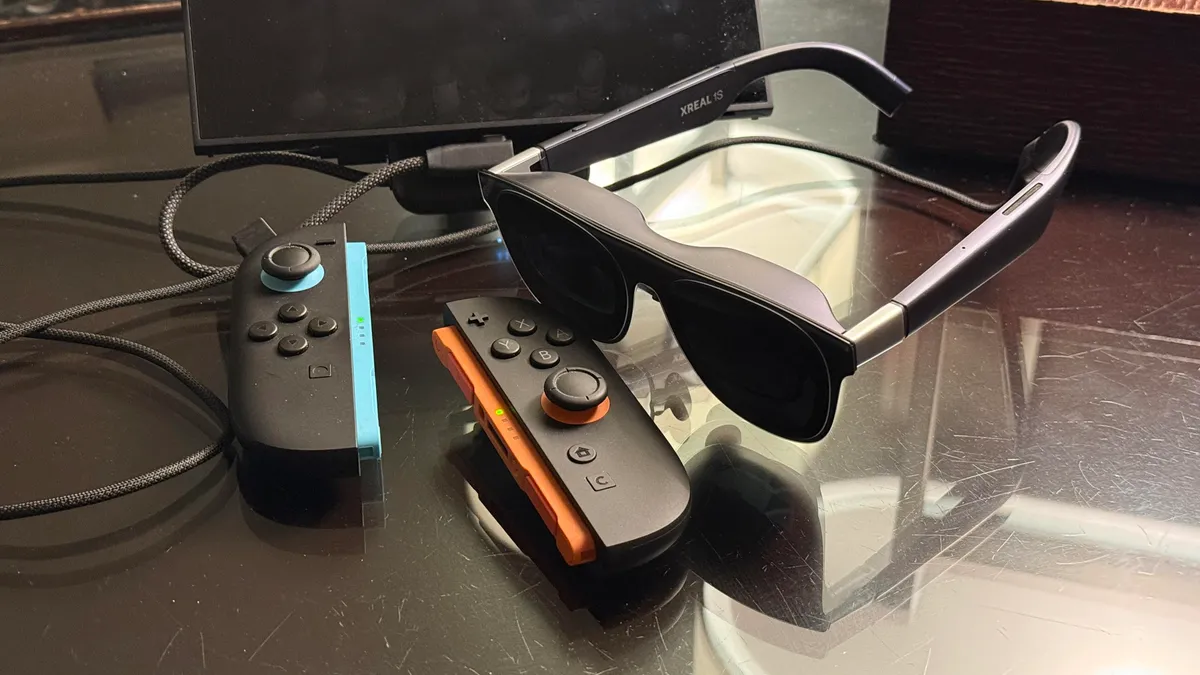
Xreal's new 1S glasses offer improved display features and are compatible with the Nintendo Switch 2 via a new $100 Neo mini-dock, enhancing portable gaming experiences despite some connection and performance quirks.
Apple is shifting its focus from developing a cheaper Vision Pro headset to accelerating the production of multiple smart glasses prototypes, including display-less and display-equipped versions, aiming for release as early as 2027. This move appears to be a response to Meta's advancements in smart glasses, particularly Meta's Ray-Ban Display, and suggests Apple aims to dominate the smart glasses market with tighter integration, better privacy, and user interface innovations.
Google has announced the launch of its new Android XR platform, designed to support AI features and app development for devices like headsets and glasses. The platform's first developer preview is available, supporting tools such as ARCore and Unity. Android XR will debut on Samsung's Project Moohan headset, expected next year, and aims to offer a rich app ecosystem by leveraging existing Android apps. This move is seen as a response to Apple's Vision Pro. Google is also enhancing its apps for immersive experiences and plans to support future devices like smart glasses.
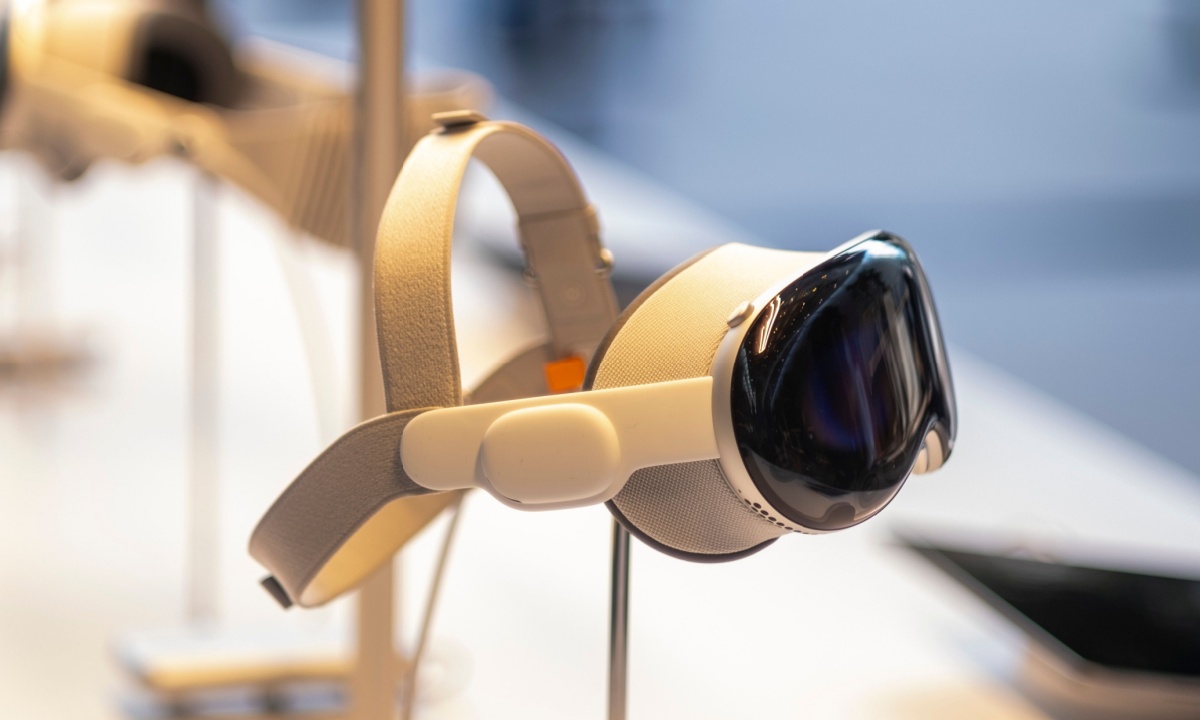
Apple is struggling to find a "killer app" for its Vision Pro headset, which has significantly fewer apps compared to the iPad at a similar stage post-launch. Analysts suggest that the slow adoption and high price point are hurdles, with major developers yet to support the device. Apple has paused work on a high-end version to focus on a more affordable model, aiming to boost sales and market penetration.
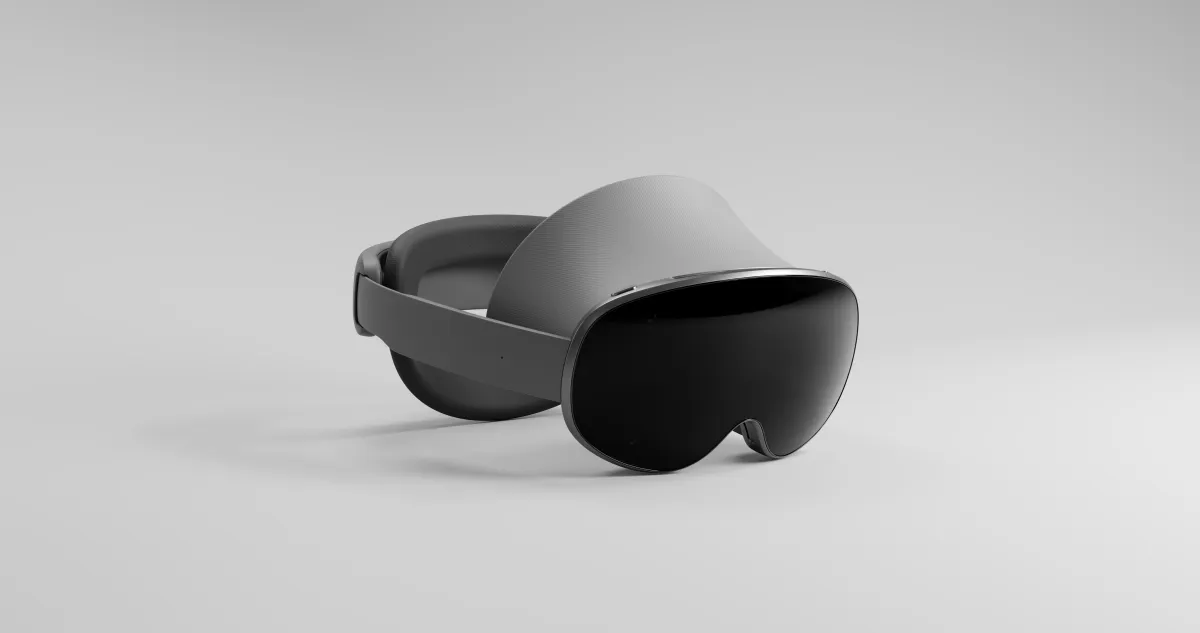
Samsung's Android XR headset, codenamed "Moohan," is set for a developer release in October 2024, with a consumer launch planned for March 2025. Initially scheduled for an earlier release, the launch was delayed to ensure the device meets user expectations. Samsung may also be the first to build glasses with Google's AR software, as Google has stepped back from developing its own consumer XR hardware.
Google and augmented reality startup Magic Leap have announced a strategic partnership to develop immersive experiences that blend physical and digital worlds. This collaboration combines Magic Leap's expertise in optics and device manufacturing with Google's technology platforms, signaling Google's potential re-entry into the AR/VR market. The partnership aims to explore various applications, including AI integrations, although specific consumer products have not been confirmed.
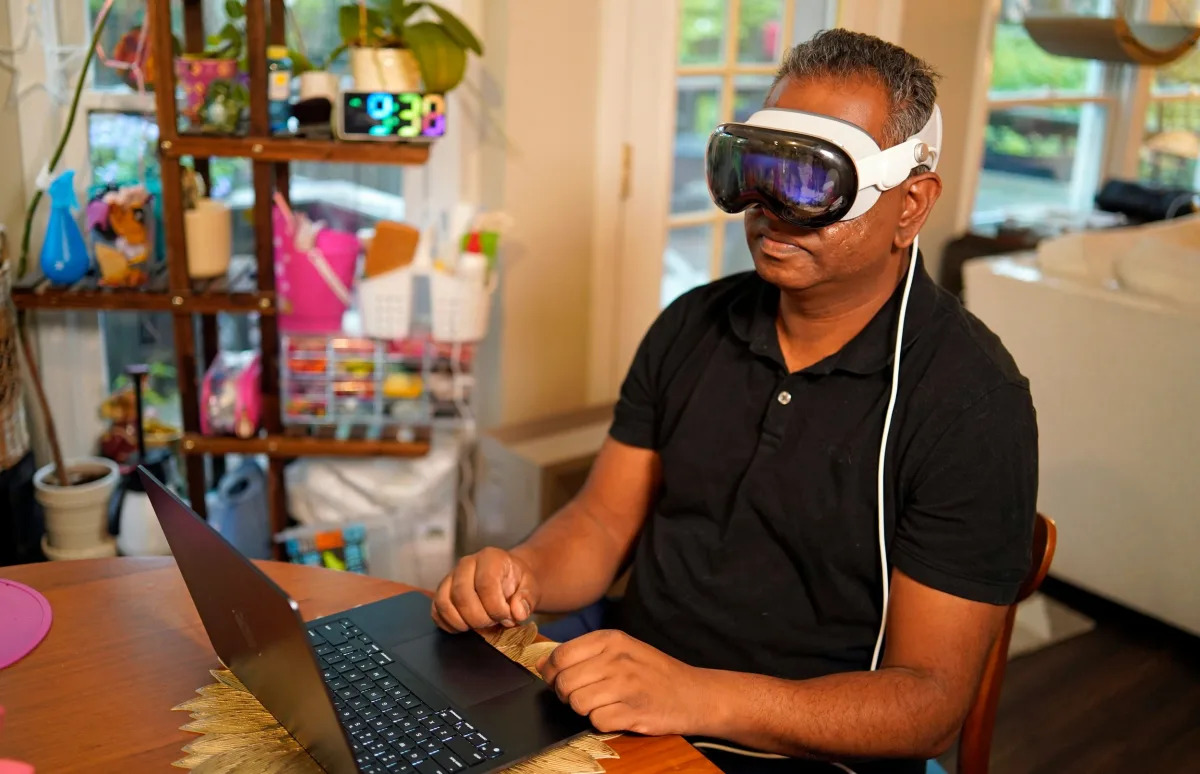
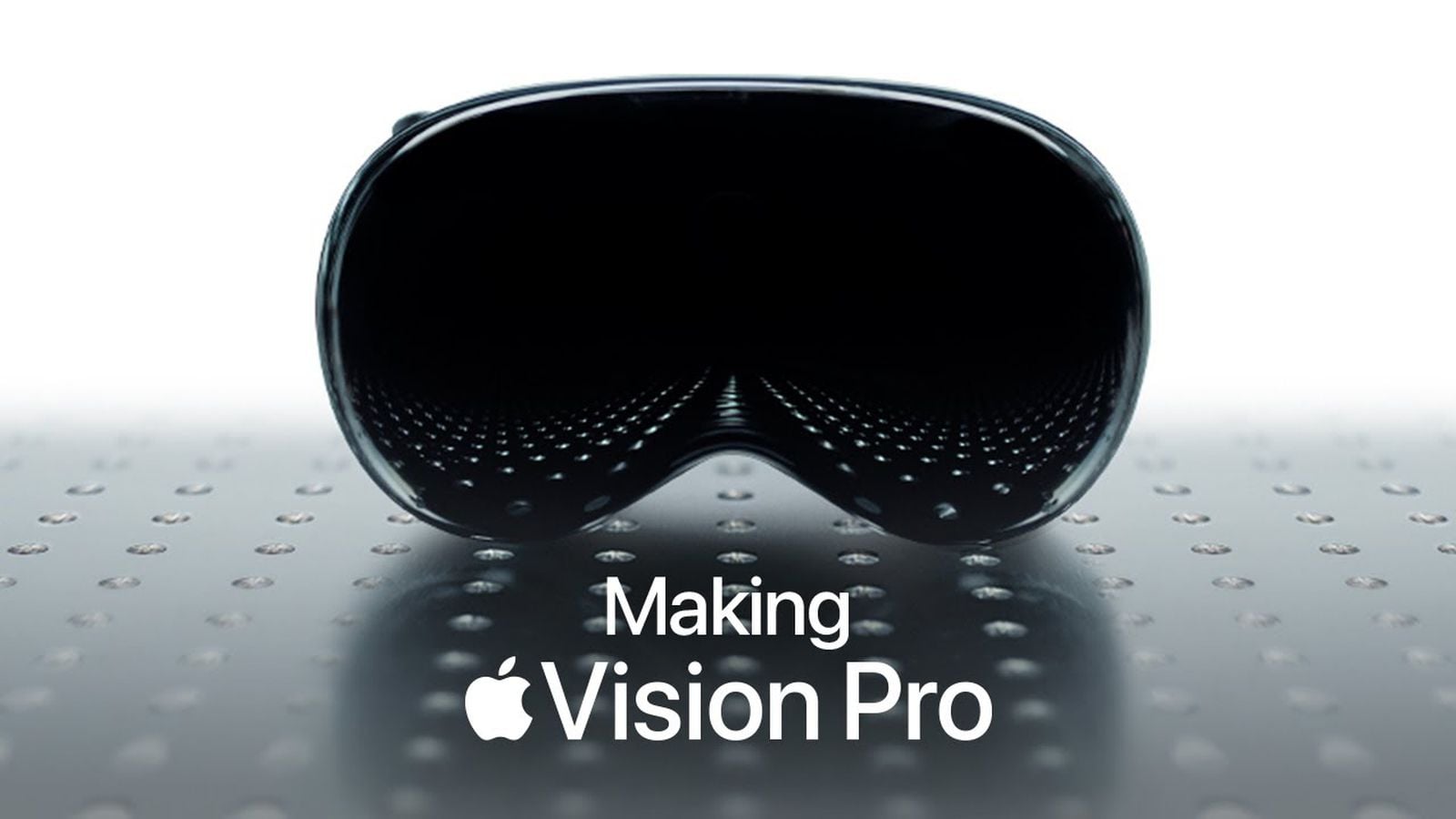
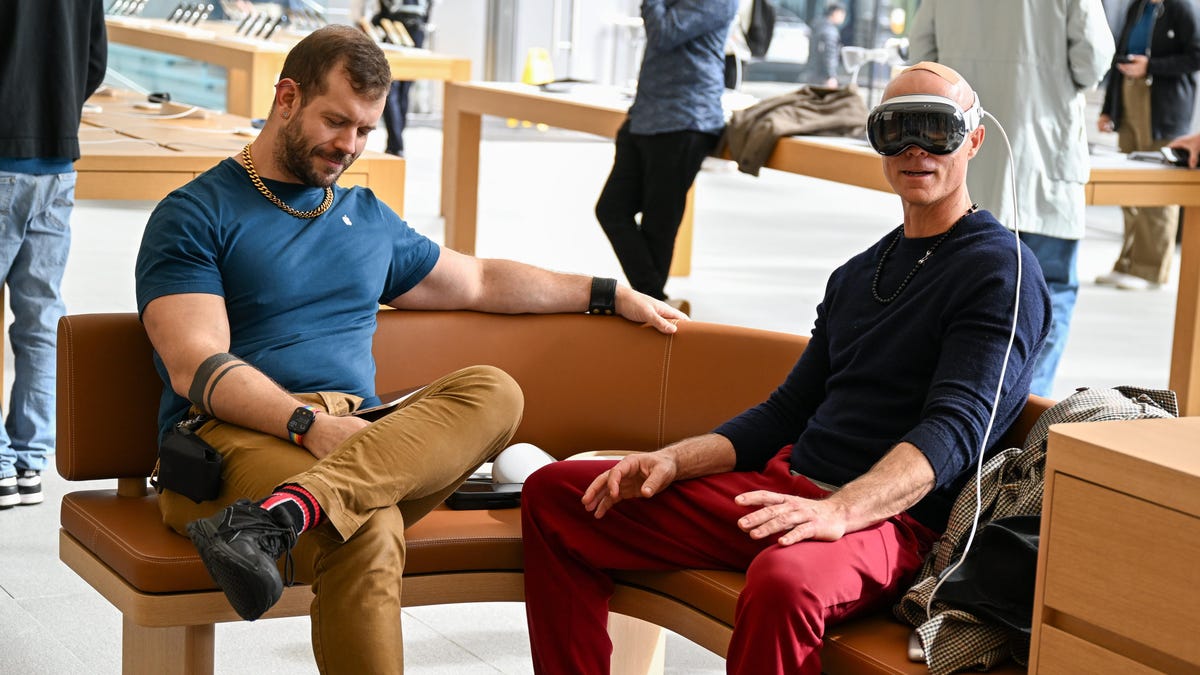
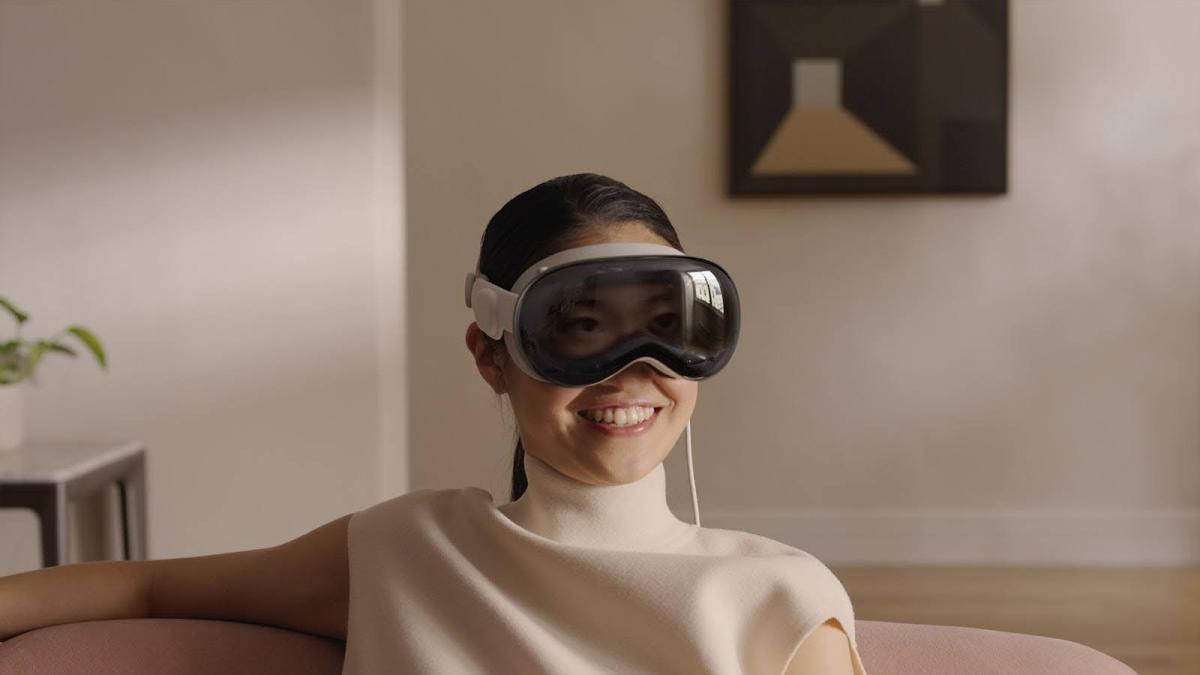
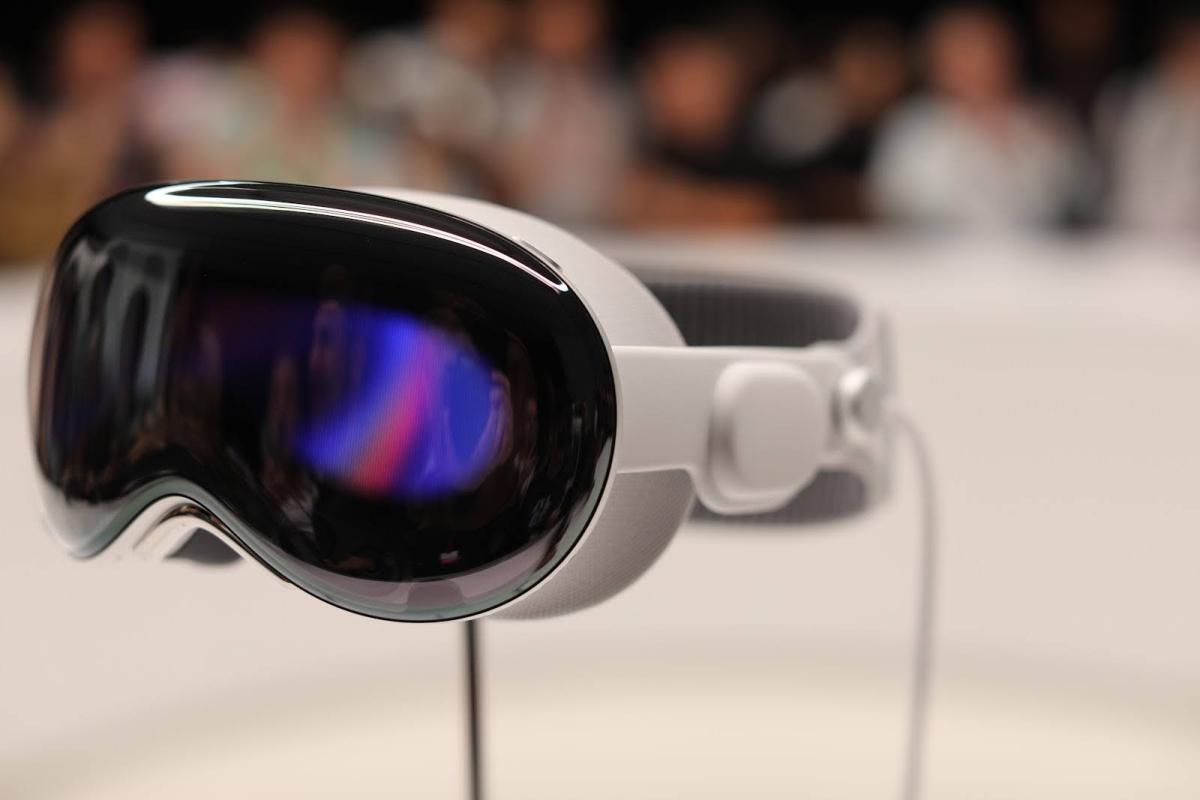
Two months after using the Apple Vision Pro, it hasn't drastically changed the user's lifestyle, but it has become a useful tool for specific tasks such as work, meditation, and entertainment. The device's stunning screens, eye tracking, and gesture controls make for an intuitive AR/VR interface, and Apple has introduced features like Spatial Personas for telepresence experiences. However, the lack of new Immersive Video content and limitations in creating Spatial Videos on iPhones are areas for improvement. The user anticipates potential upgrades for the Vision Pro at Apple's WWDC 24 event in June.
Apple is targeting the enterprise market with its Vision Pro AR/VR headset, priced at $3,500, aiming to entice large businesses to purchase in bulk and boost overall sales. The headset offers interactive augmented reality functionality for various enterprise use cases, such as training, equipment servicing, and business performance analysis. While facing competition from Meta's Meta Quest line, Apple's focus on enterprise applications and its seamless integration with other Apple devices could give the Vision Pro a sales boost, with its uptake likely to be revealed during Apple's upcoming second quarter earnings announcement.
Nvidia is bringing its Omniverse enterprise technology to Apple’s Vision Pro AR/VR headset, allowing developers to use Omniverse tools in an AR/VR setting. This move enables the creation of digital twins of objects and locations, such as factories, in a digital space to understand real-world behavior. The integration of Nvidia's Omniverse technology makes Apple's high-end Vision Pro headset more attractive for enterprise customers, potentially leading to a boost in sales and providing a significant business opportunity for Apple.
Apple's patent for a ring as an input device has been granted, but recent reports conflict on the status of the company's development of such a device, with some suggesting it as a health sensor and others as an alternative to gloves for AR/VR systems. However, Bloomberg's Mark Gurman poured cold water on the idea of an imminent launch, stating that it was simply an idea being kicked around, with no current plans. The patent describes using the ring as an input device for AR/VR headsets, but it seems redundant given Apple's success in delivering a device that can be controlled using a combination of eye- and hand-tracking.
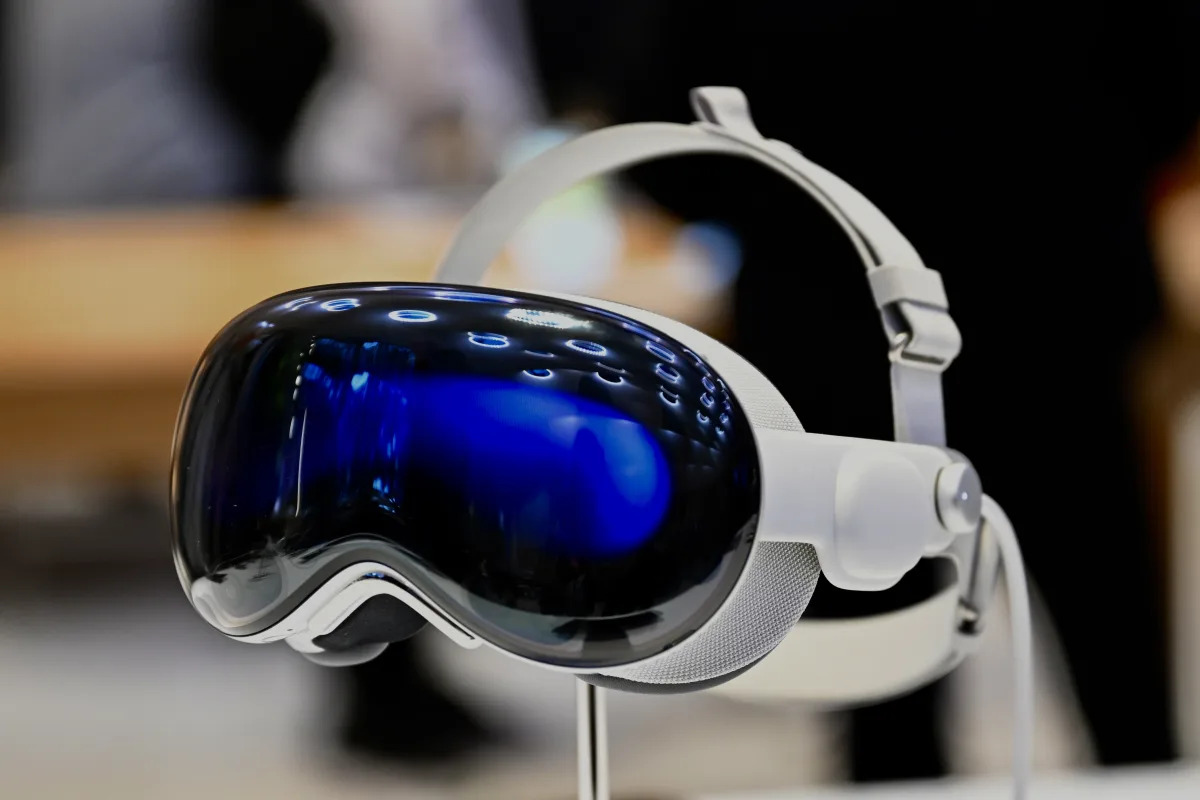
Apple's Vision Pro headset is estimated to cost around $1,500 in components, with the micro-OLED displays being the most expensive at $456 per headset. The M2 and R1 chips together cost $240. Apple is expected to produce fewer than 400,000 Vision Pro headsets in 2024 and is already working on a more affordable version with lower resolution displays and cheaper materials. A next-generation version of the Vision Pro is also in the works and could launch in late 2025.
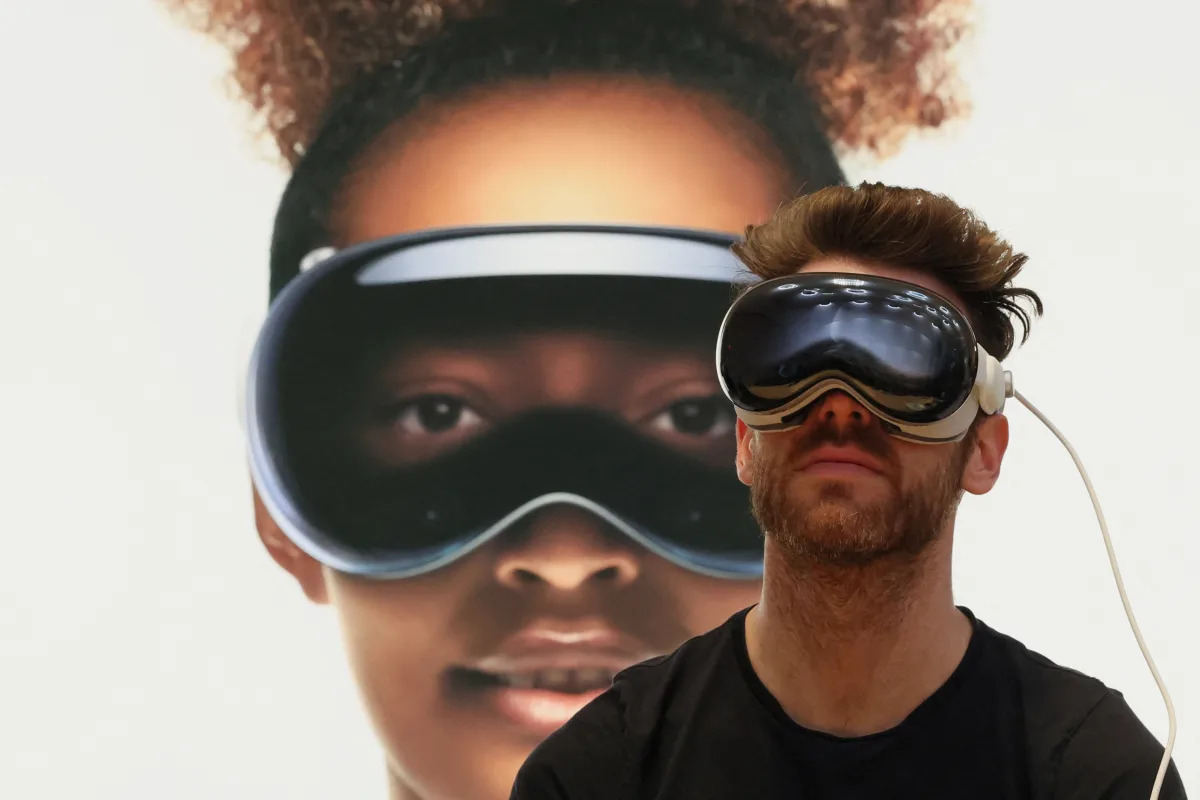
Dissatisfied customers are returning their Apple Vision Pro headsets as the 14-day return period expires, with many expressing disappointment and frustration on social media. Despite the initial hype surrounding the product, users are finding the headset to be expensive, headache-inducing, and lacking in practical use cases due to the limited availability of apps. The return trend has sparked a surge in searches for "Return Apple Vision," indicating a significant number of returns. Apple may have a long way to go in convincing consumers of the Vision Pro's value and potential.
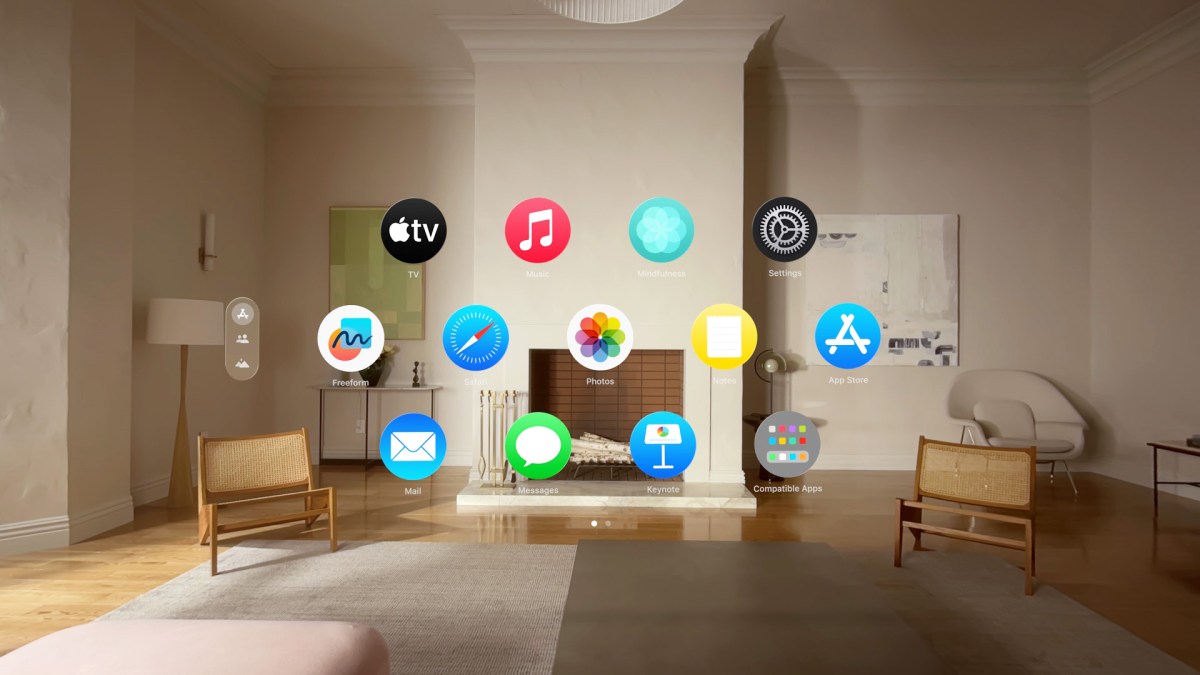
Apple's Vision Pro headset now has over 1,000 apps specifically designed for the device, up from 600-plus apps at its launch, indicating strong developer interest. Despite its $3,500 price point, developers are embracing the paid app business model, with over half opting for it. The headset can run over 1.5 million compatible iOS and iPad apps, but spatial apps are designed to leverage its specific capabilities. Major streaming and productivity apps, as well as independent developers, have contributed to the app ecosystem. Despite recent anti-developer measures, many in Apple's developer community still see the company as a viable platform for success, with Y Combinator expressing interest in funding "spatial computing" startups.
Over half of Vision Pro-only apps are paid downloads, a stark contrast to the wider iOS App Store where only 5% of apps monetize this way. The average price of Vision Pro apps is $5.67, with the highest at $98. However, Apple has removed Vision Pro apps from the top charts, making it difficult for developers to track success and consumers to discover new apps. This move comes as a surprise given the potential for developers to generate revenue through one-time purchases on the Vision Pro, and its impact on developer interest and the device itself remains to be seen.
Apple's Vision Pro headset is set to launch with over 600 apps and games optimized for the new platform, including streaming apps like Disney+ and ESPN, productivity apps such as Microsoft 365 and Zoom, and gaming titles like BA 2K24 Arcade Edition and LEGO Builder’s Journey. Despite concerns over Apple's compliance plan with the EU's Digital Markets Act and its high price, the device will offer a diverse app catalog, although major companies like Netflix and YouTube have stated they won't support the device at launch.