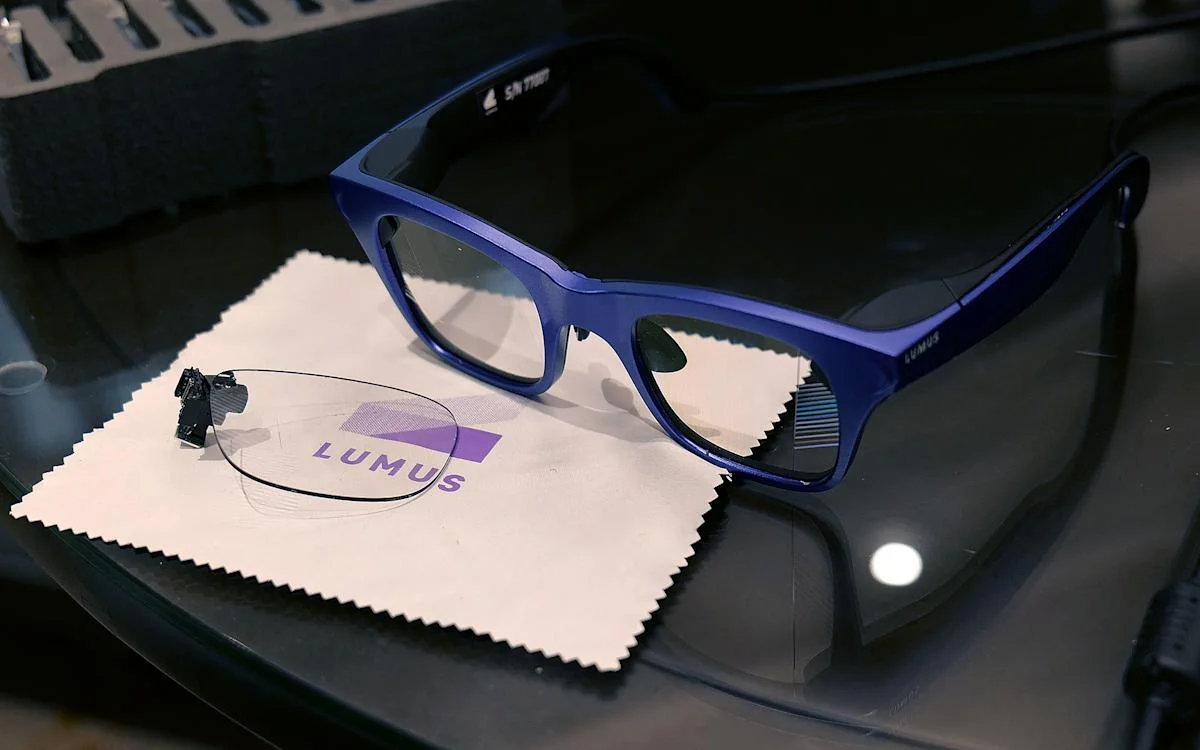
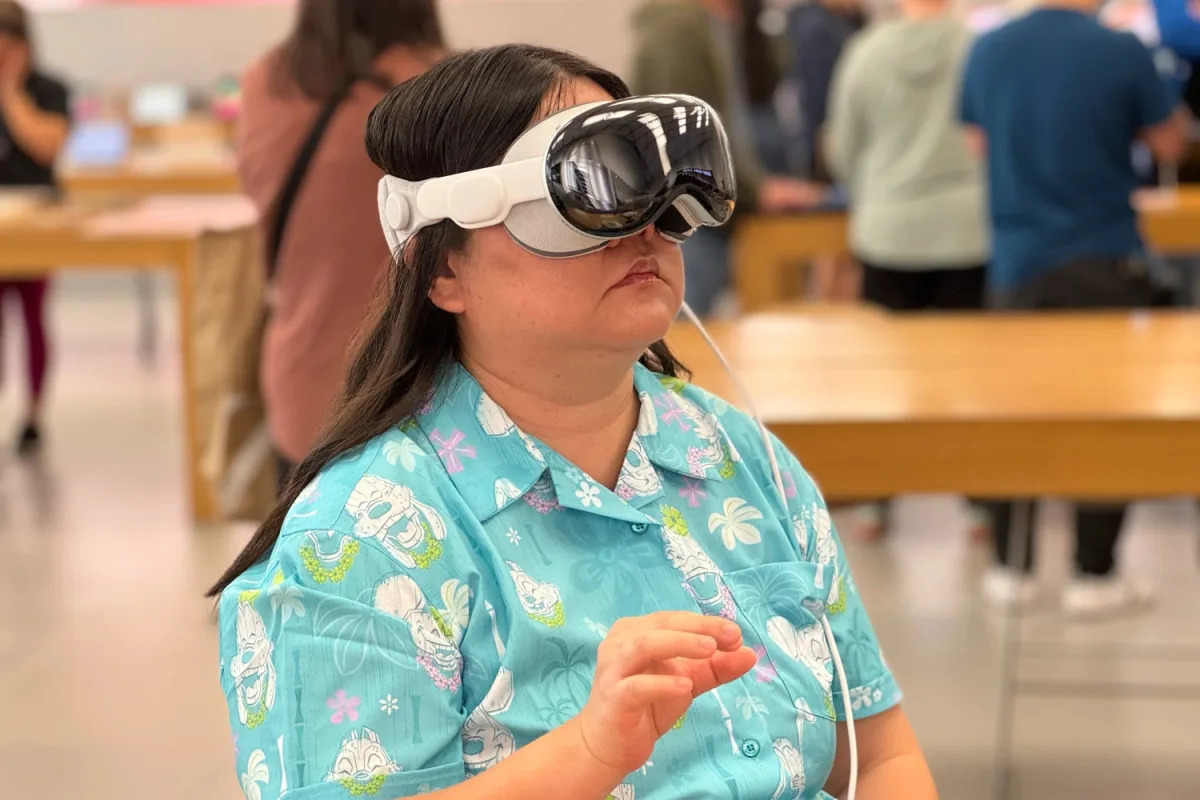
Lumus showcased advanced waveguides at CES 2026, featuring a wider 70-degree FOV, improved brightness, and thinner, lighter design, promising to significantly enhance the optical quality and usability of future high-end smartglasses.
IXI is developing lightweight, autofocusing glasses that use eye tracking and liquid crystal lenses to automatically switch focus, potentially replacing multifocal glasses and offering new health insights, with a planned launch next year.
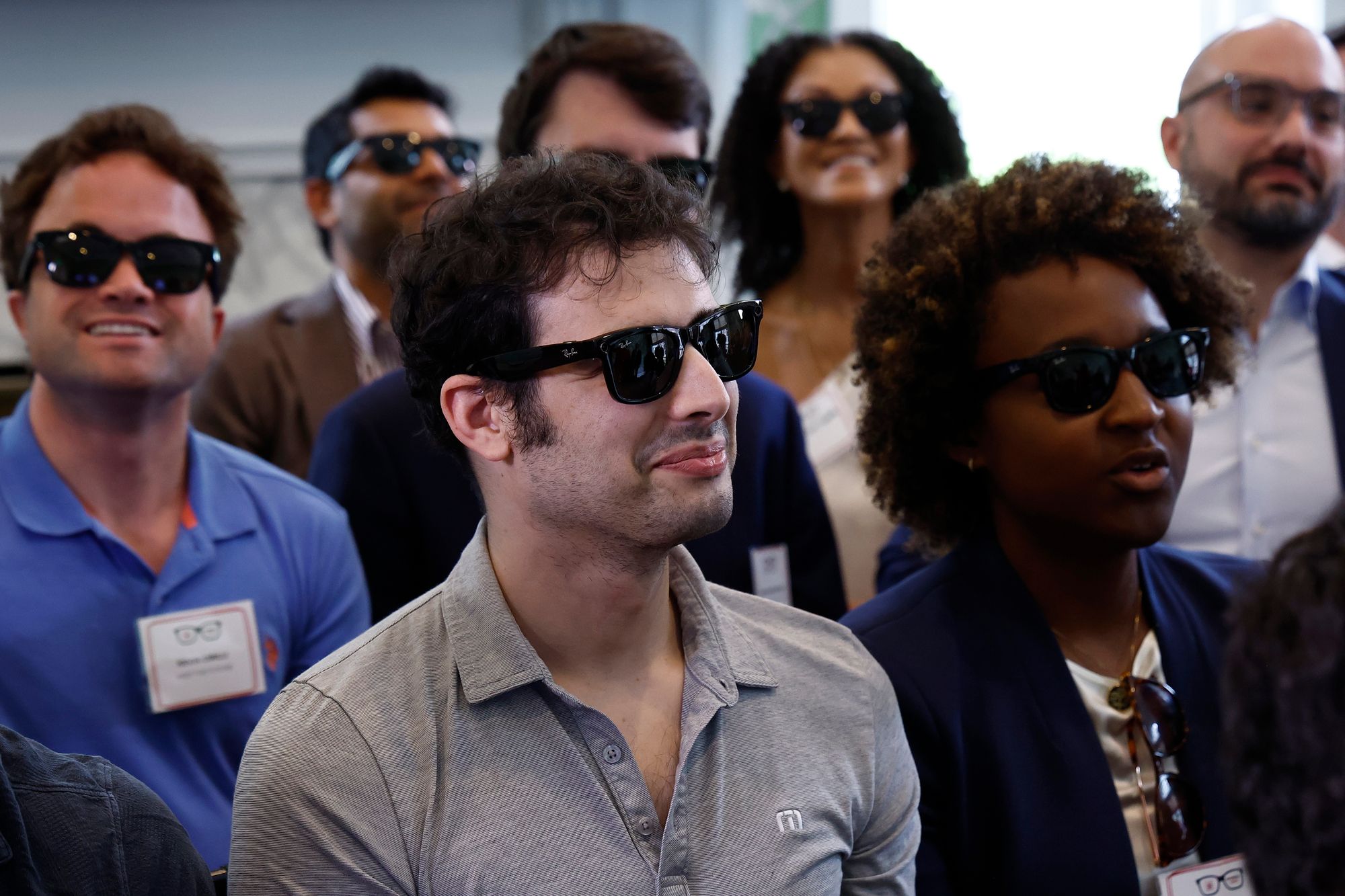
Meta's Ray-Ban smartglasses are being misused by individuals to record women without consent on the USF campus and post videos online, raising privacy concerns and similar controversies to Google Glass. Despite potential for misuse, social media platforms are unlikely to remove such videos, highlighting ongoing issues with privacy and harassment in the age of discreet recording devices.
Meta Connect 2025 unveiled new smartglasses including the second-gen Ray-Ban Meta glasses, Oakley Meta Vanguard sports glasses, and the $799 Meta Ray-Ban Display with video overlay, while also hinting at upcoming smart glasses with built-in displays codenamed 'Hypernova' and discussing AI and metaverse updates.
Meta is developing self-improving, superintelligent AI through its new Meta Superintelligence Labs, aiming to create tools for personal empowerment and broader societal benefits, while also advancing smartglasses technology; the company is investing heavily in AI research to compete with industry leaders.
Google has unveiled prototype smartglasses powered by its new AI model, Gemini 2.0, which provides real-time information about the user's environment. The glasses integrate with Google services like search, Maps, and Lens, and focus on voice-based interactions. This marks Google's re-entry into the smartglasses market, following the earlier Google Glass. The company plans to test the glasses with a small group of users, with no timeline for a wider release yet.
Two Harvard students have developed an AI system called I-XRAY, which can identify personal information such as name, address, and phone number by analyzing a person's face using connected Ray-Ban Meta 2 glasses. The system uses Instagram Live to capture images, which are then processed through a public face database to extract available data. The creators aim to raise awareness about the potential privacy risks of such technology, despite not releasing it for public use.
Samsung is reportedly set to unveil its first smart glasses at the upcoming January Unpacked event, potentially rivaling Meta's Ray-Ban smart glasses. These glasses are expected to feature a traditional design with capabilities like voice assistance, audio playback, gesture recognition, and payment options, but may lack augmented reality displays. Unlike Samsung's collaboration with Qualcomm and Google on a more advanced XR device, these glasses are likely an in-house project. A teaser is expected in January, with more details possibly revealed at Mobile World Congress 2024.
This article highlights a selection of tech gifts worth considering for purchase, including Meta Ray-Ban Smart Glasses with improved features, the Oura Ring 4 for sleep tracking, Apple AirPods with various options, the Infinity Game Board for family gaming, and versatile charging solutions like PlugBug and Anker MagGo. These gadgets cater to a wide range of interests and needs, making them ideal gifts for tech enthusiasts.
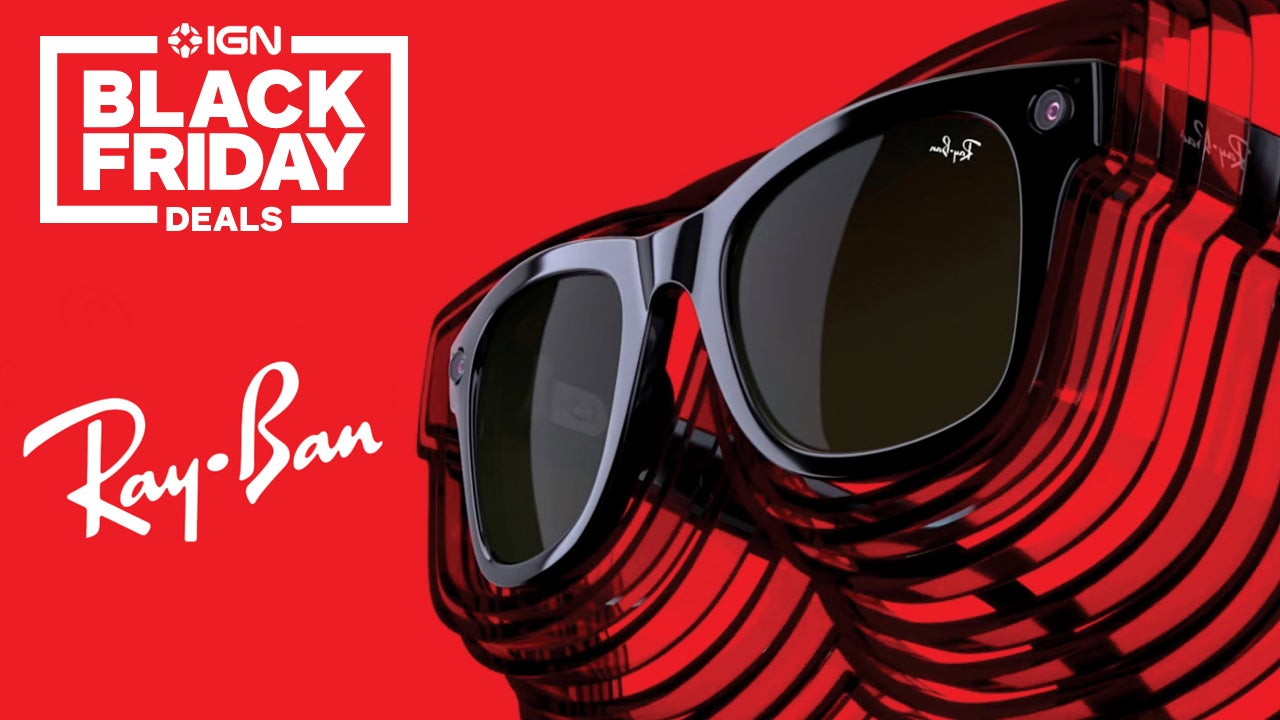
Target and Amazon are offering a significant Black Friday deal on Ray-Ban Meta Wayfarer Smart Glasses, with a 20% discount and an additional $90 gift card or digital credit, effectively providing up to 50% savings. These smart glasses, designed for social media influencers, feature a 12MP camera, open-ear speakers, and advanced connectivity options. The deal is highlighted as the best opportunity to purchase these glasses, with privacy considerations noted for potential buyers.
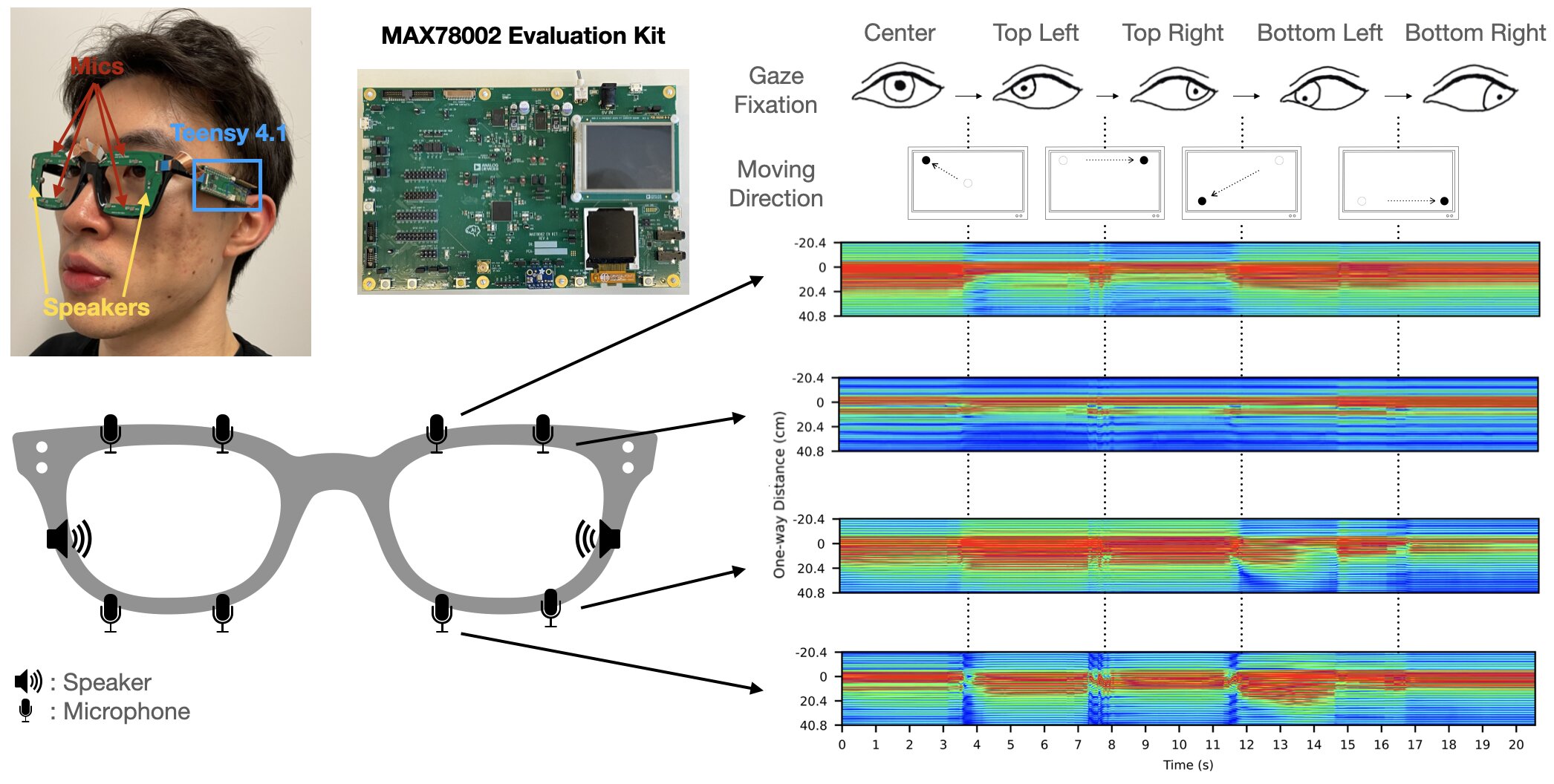
Researchers at Cornell University have developed two technologies, GazeTrak and EyeEcho, that use sonar-like sensing to track a person's gaze and facial expressions. These technologies, small enough to fit on smartglasses or VR/AR headsets, consume significantly less power than similar camera-based tools. GazeTrak is the first eye-tracking system that relies on acoustic signals, while EyeEcho continuously and accurately detects facial expressions and recreates them through an avatar in real-time. The devices have applications in VR interactions, aiding people with low vision, and potentially diagnosing or monitoring neurodegenerative diseases.
Apple is reportedly working on a set of new products including smartglasses, a health and fitness ring, and upgraded AirPods with cameras and advanced sensors, aiming to capture customer attention and boost sales. The smartglasses are seen as a lighter alternative to the Vision Pro, while the health ring could offer advantages over the Apple Watch. These products are still in the early stages of development, and their launch dates remain uncertain, but Apple is under pressure to innovate and address concerns about the Vision Pro's price and weight.
TechCrunch's Startups Weekly newsletter is getting rebranded in 2024 after reflecting on the numerous startup failures of 2023, emphasizing the natural cycle of startups either growing or ceasing to exist. The article also discusses the competition in driver assist technology, with Tesla and Mercedes not necessarily leading despite their high costs. In the EV market, Xiaomi enters with its "smartphone on wheels" concept, while EV charging networks face challenges with Tesla's dominance. Smart glasses are making a comeback with products like Amazon's Echo Frames and Ray-Ban Meta, and Apple is rumored to release its own high-priced smart glasses. In AI, investors are making varied predictions for 2024, and The New York Times is suing OpenAI and Microsoft over AI model training. Lastly, Fidelity has significantly reduced its valuation of Elon Musk's X holdings, reflecting the company's challenging year.
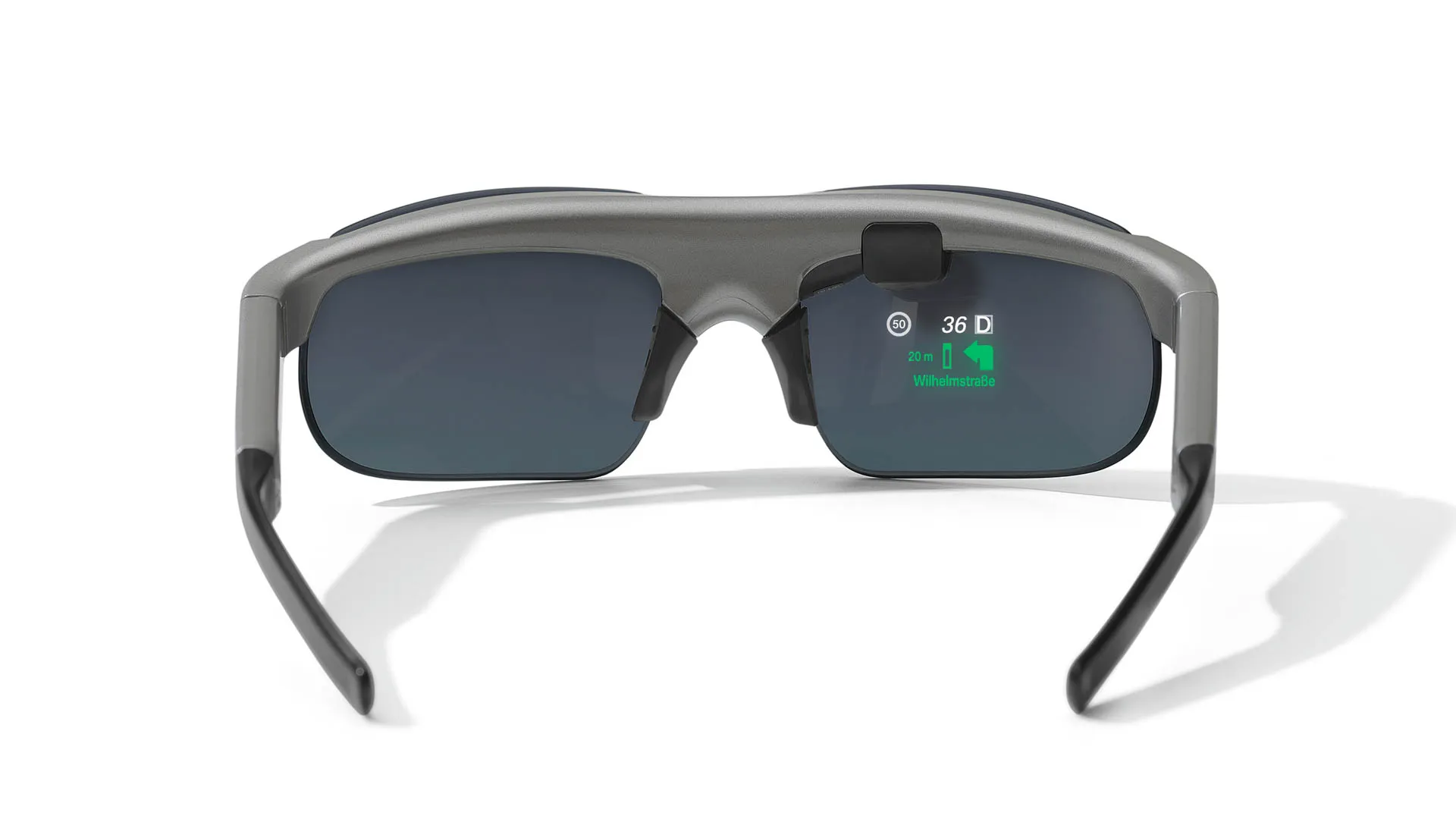
BMW has developed the ConnectedRide Smartglasses, a pair of smart sunglasses with a head-up display (HUD) built into the right lens. The glasses feature a small HUD projector that displays vehicle and navigation data such as speed, speed limit, gear, and turn-by-turn directions. They can be customized to fit different head and helmet shapes and come with two different lenses, one of which is tinted. The glasses connect to a smartphone via the BMW Motorrad app and are expected to go on sale in the United States later this year.
BMW has unveiled its ConnectedRide Smartglasses at the BMW Motorrad Days in Berlin, which display navigation data, speed, and current gear in the rider's field of vision. The smartglasses can be adjusted to different helmets and face shapes, and are connected to the smartphone via Bluetooth. They offer a reduced mode for navigation and can project detailed street names, intersections, and directions. The battery life is up to ten hours, and an RX adapter for prescription lenses is available. The price is approximately 690 Euros, with no confirmed release date yet.