MIT researchers have developed a noninvasive, Raman spectroscopy-based device that can measure blood glucose levels without finger pricks, showing promise as a comfortable alternative for diabetes management, with ongoing efforts to miniaturize and adapt it for wearable use.
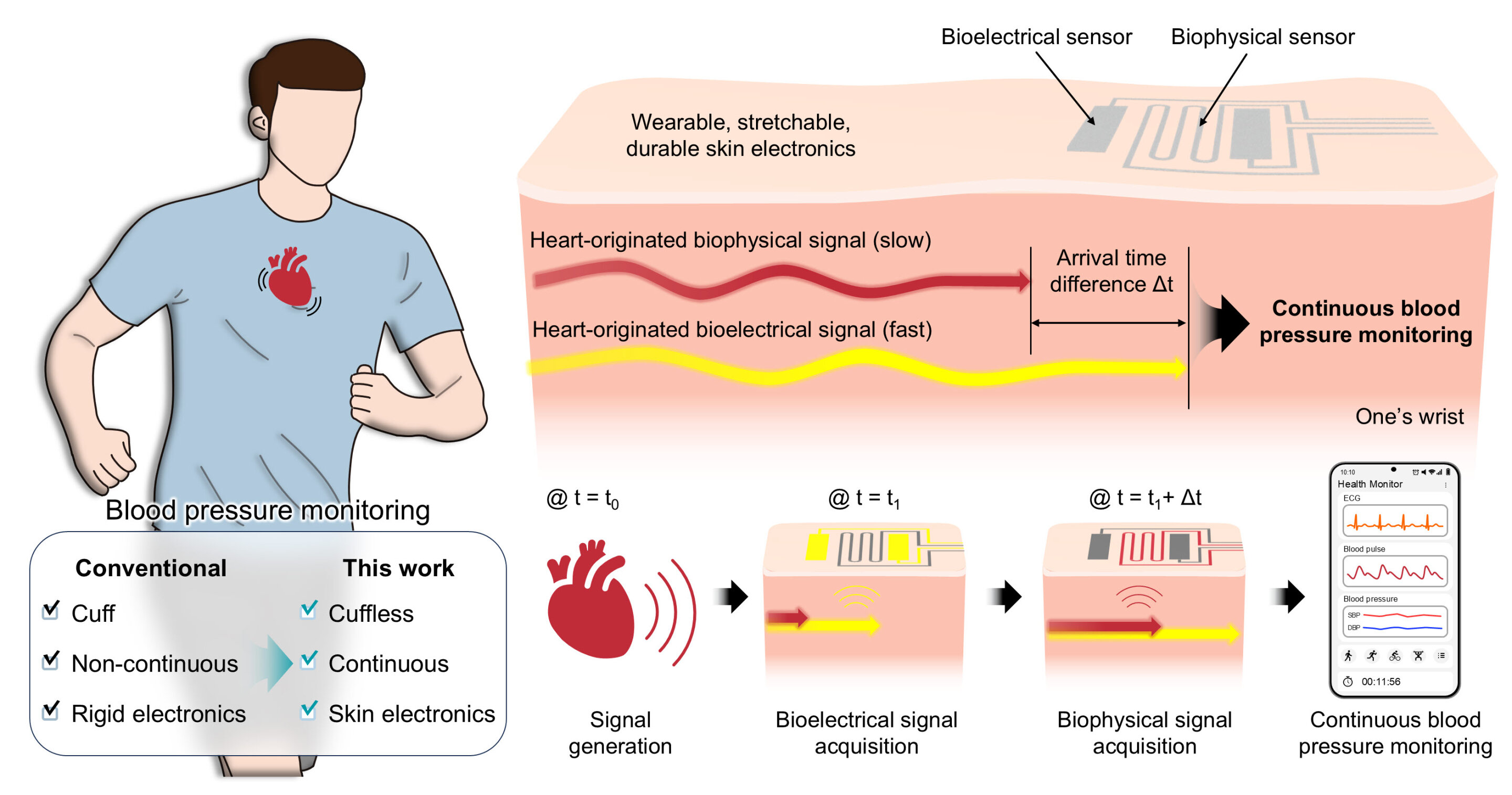
Researchers at Seoul National University have developed a flexible, bandage-like wearable device that uses liquid metal circuits and a novel laser sintering process to enable real-time, continuous blood pressure monitoring, offering a more comfortable and accurate alternative to traditional cuff-based methods, with potential applications in healthcare, fitness, and daily health management.
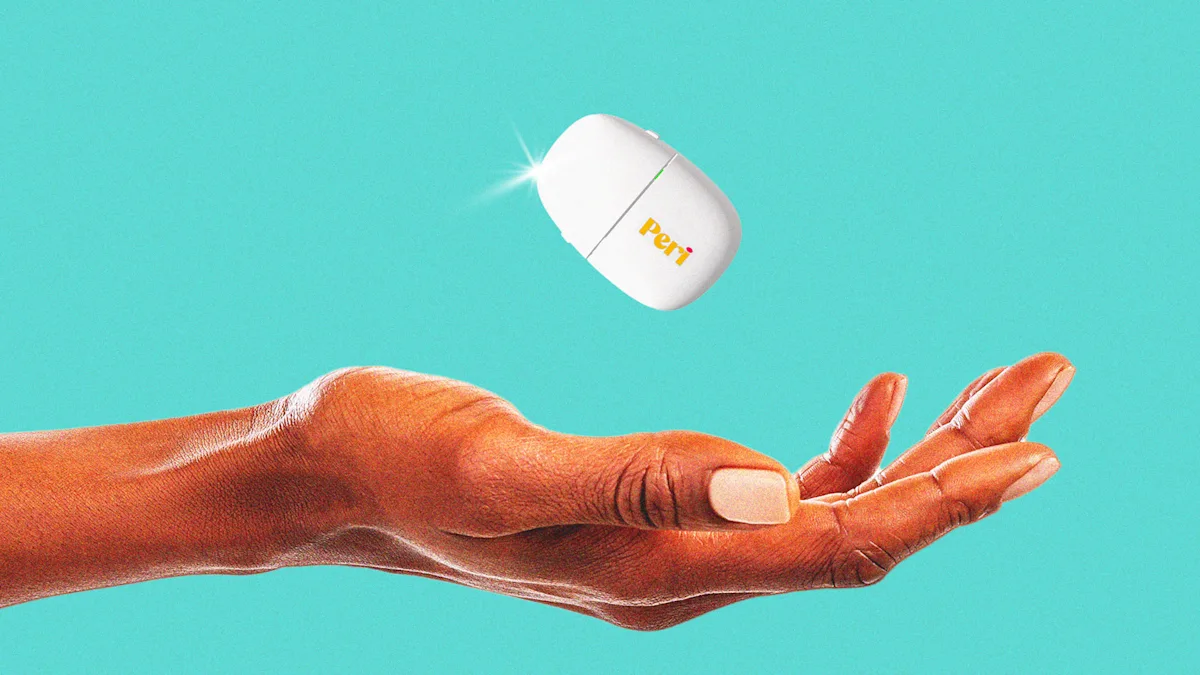
A new wearable device called Peri by identifyHer aims to help women in perimenopause better understand and manage their symptoms by tracking hot flashes, sleep, anxiety, and brain fog, providing personalized feedback and facilitating informed conversations with healthcare providers. This innovation addresses the lack of awareness and support for women during this transitional stage, potentially improving health outcomes and quality of life.
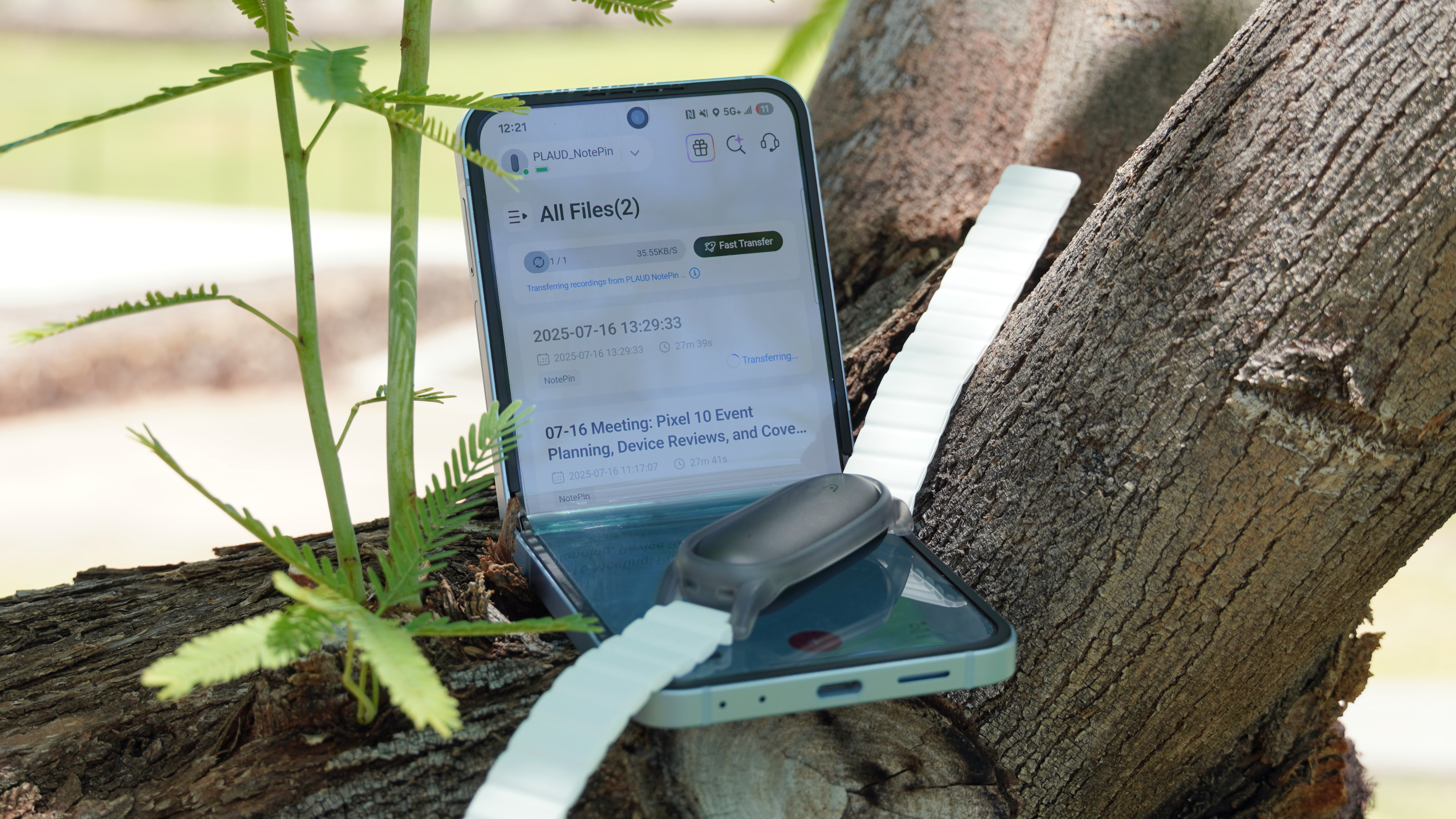
A tech journalist tested the Plaud NotePin, a wrist-worn AI voice recorder, for a week and found it to be a well-designed, convenient device but hampered by high costs, slow cloud-based processing, and better alternatives like on-device transcription apps such as Google Recorder. Despite its features, the device's price and reliance on subscriptions make it a less attractive option compared to using existing smartphones with free apps.
Researchers at the University of Texas have developed a noninvasive wearable sensor that continuously monitors hydration levels using bioimpedance, transmitting data wirelessly to smartphones, with potential applications in health, sports, and extreme work environments.
New research shows that individual breathing patterns, or 'breathing fingerprints,' can identify people with 96.8% accuracy and reflect their physical and mental health traits, opening possibilities for health monitoring and treatment through long-term nasal airflow analysis.
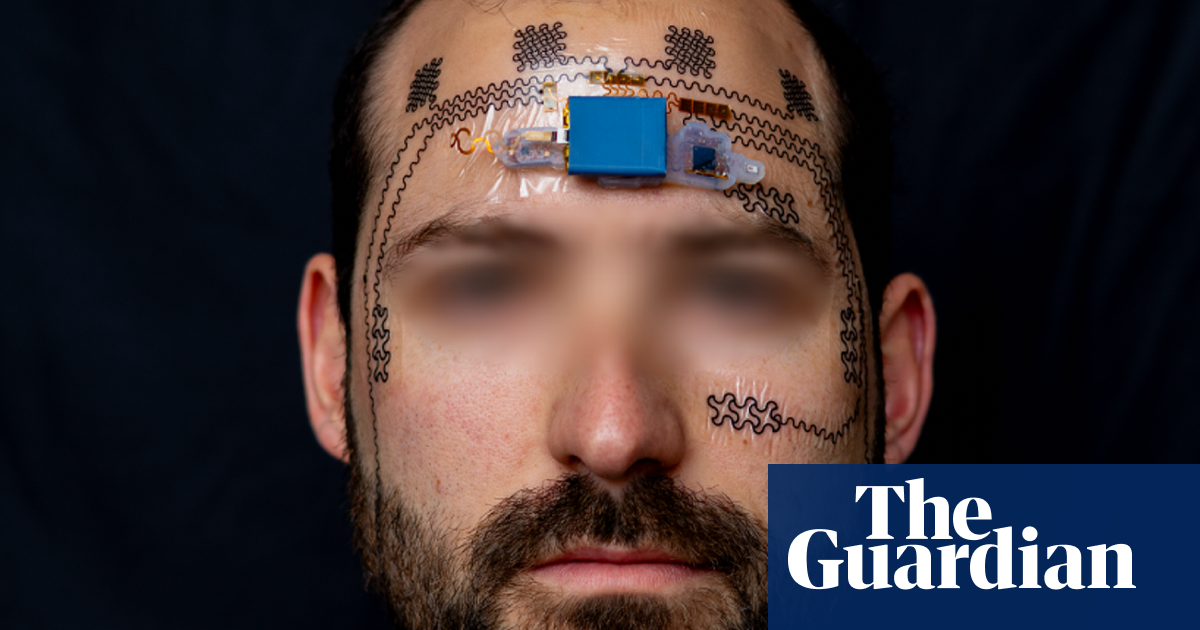
Scientists have developed a lightweight, wireless 'e-tattoo' that monitors mental workload by measuring brain activity and eye movements, potentially helping professionals in high-stakes jobs manage stress and prevent errors in real-time.
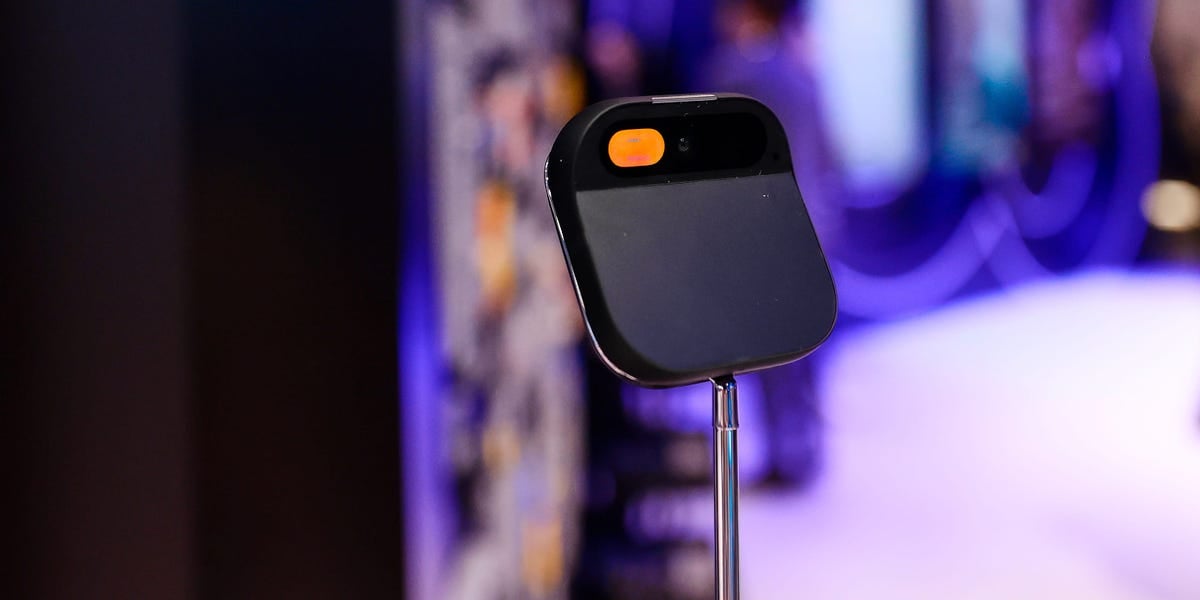
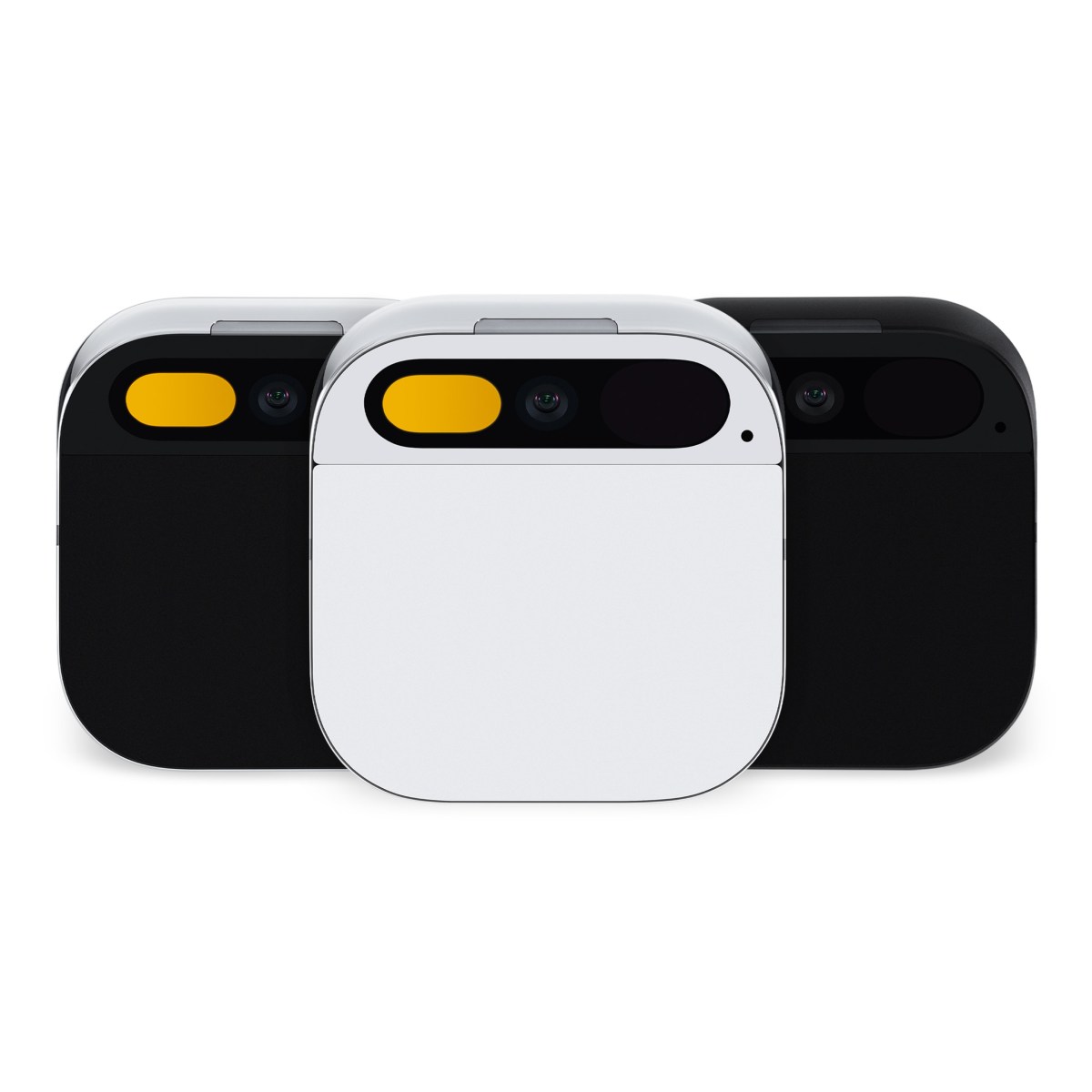
Humane's head engineer, Ken Kocienda, defended the Ai Pin wearable device against scathing reviews, acknowledging that it can be "frustrating sometimes" but criticizing the trend of jumping on the "skepticism bandwagon." The device, designed to reduce smartphone dependence, has received criticism for being "unfinished" and "not that useful," with reviewers questioning its $699 price tag and $24 monthly subscription. While some tech experts remain unconvinced, others argue that the narrative of new products needing to replace existing ones is outdated, and the device's concept and aesthetic have received some positive feedback.
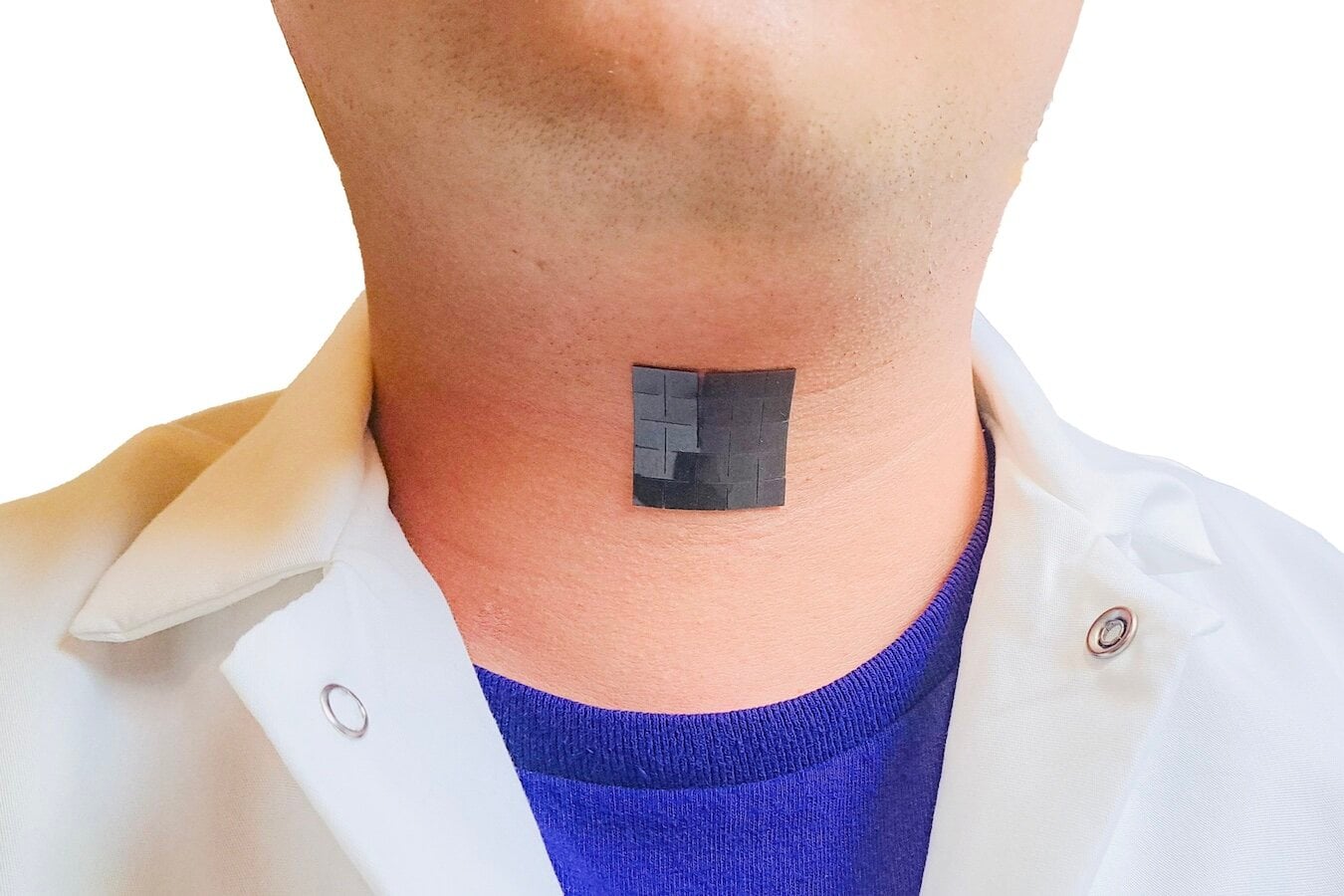
A team of UCLA engineers has developed a soft, thin, stretchy wearable device that can be attached to the skin outside the throat to help people with dysfunctional vocal cords regain their voice function. The device, assisted by machine-learning technology, can detect movement in larynx muscles and translate those signals into audible speech with nearly 95% accuracy. This breakthrough offers a non-invasive option for individuals with voice disorders, providing assistance in communicating during the pre- and post-treatment recovery periods. The device is designed to be flexible, reusable, and has the potential to be further developed to assist people with speech disorders.
Humane, a San Francisco-based AI startup, has announced its first international market in South Korea through a partnership with SK Telecom, the country's largest mobile provider. The company's wearable device, Ai Pin, features sensors, generative AI, and a mini projector, with a $699 price tag and a $24 monthly subscription for unlimited data and a phone number. The partnership includes licensing Humane's AI-enabled operating system, CosmOS, and collaboration on new subscription offerings for the Korean market. Despite delays in the U.S. launch, the move to expand internationally signals a positive development for Humane.
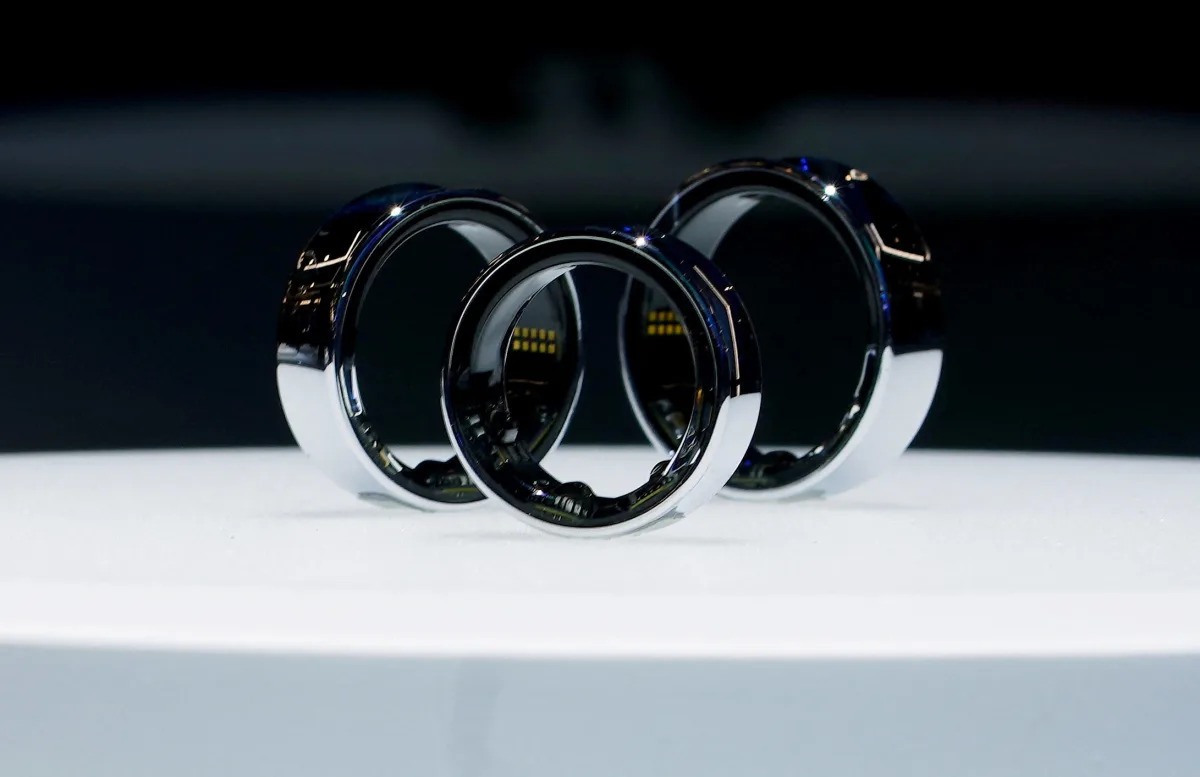
Samsung unveiled its new wearable device, the Galaxy Ring, at the Mobile World Congress 2024 in Barcelona. The ring is part of Samsung's intelligent health lineup and aims to simplify everyday wellness by collecting health data without a complicated interface. It will focus on tracking sleep, health, and fertility, and is not intended to replace the Samsung Galaxy Watch series. The device is expected to go on sale later this year and may include features such as contactless payment, glucose monitoring, and blood pressure sensing.
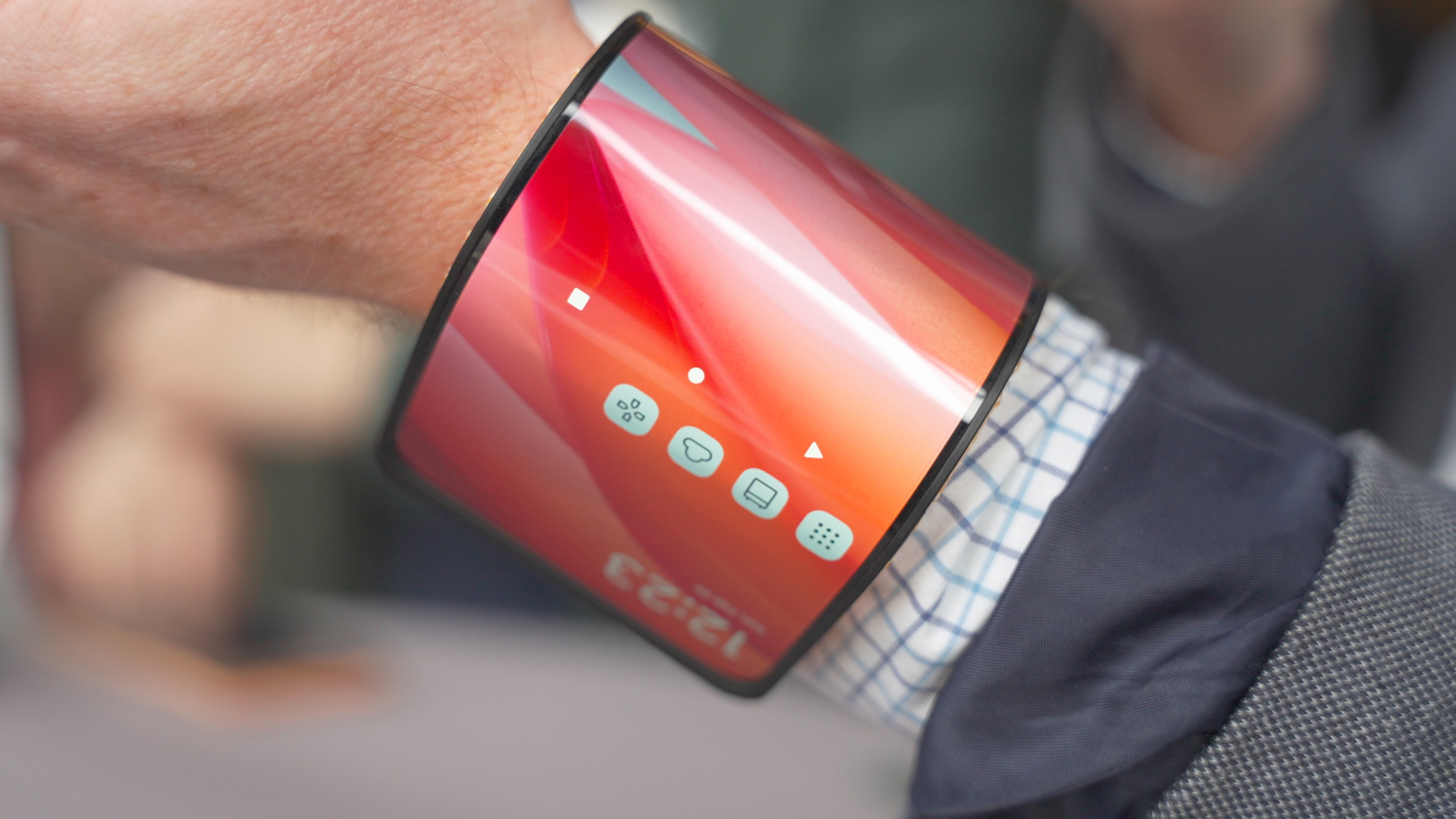
Motorola showcased its Adaptive Display concept at MWC, a smartphone that can bend around the wrist, but it's currently just an experimental concept with limited details. The 6.9-inch plastic-based pOLED screen device has a textile-covered body with multiple hinges, allowing it to bend into different shapes, including wrapping around the wrist. While it's currently clunky and lacks practicality, a more refined version could appeal to specific demographics, such as runners who use armbands for their smartphones. Despite the uncertainties, Motorola and its parent company Lenovo have a history of turning ambitious hardware concepts into real products.
Samsung will publicly showcase the highly anticipated Galaxy Ring, a new wearable device designed for fitness and health tracking, at the Mobile World Congress 2024 in Barcelona tomorrow. The device, teased at the Galaxy S24 Unpacked event, is expected to feature specialized sensors and a comfortable design. Details about its release date and availability to the public remain scarce, but the reveal at MWC 2024 will provide the first look at the device's design and functionality.
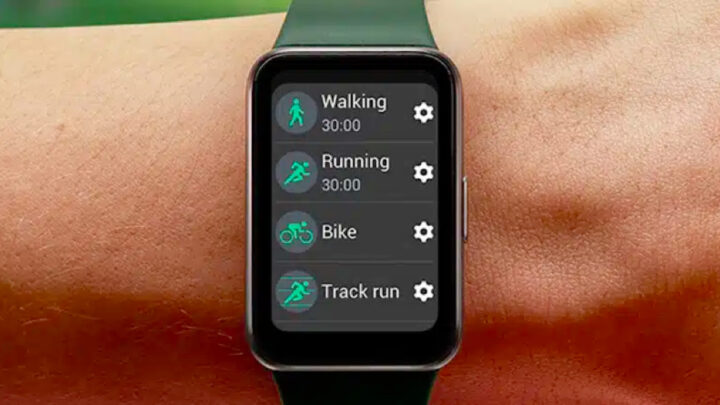
Samsung has quietly launched the Galaxy Fit 3 in India, offering fitness tracking at an affordable price of INR 4,999 ($60). The device features a 45% bigger OLED touchscreen, aluminum body with 5ATM and IP68 ratings, heart-rate monitor, and can track 100 types of workouts. It syncs body vitals with the Samsung Health app, lasts up to 13 days on a full charge, and offers features like displaying notifications, controlling smartphone functions, and emergency SOS and Fall Detection.
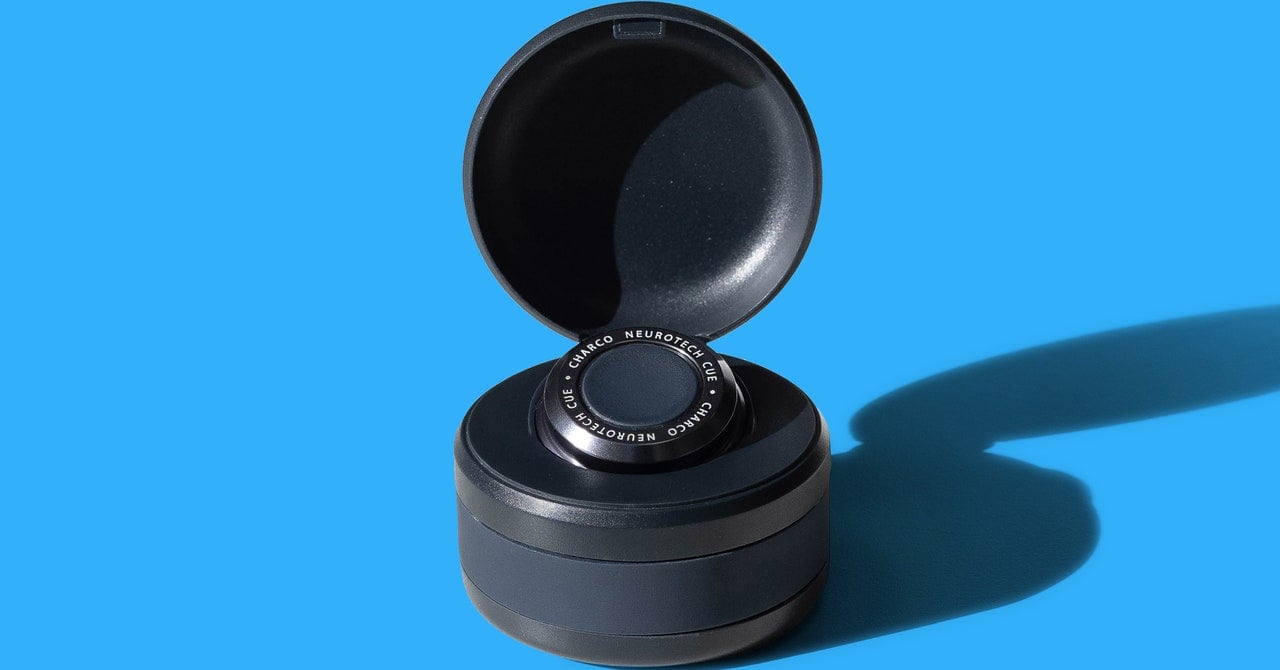
Lucy Yung, an industrial designer, developed a wearable device called CUE1 through her startup Charco Neurotech, which uses rhythmic vibrations to reduce the symptoms of Parkinson's disease. The noninvasive and inexpensive device has been used by over 2,000 people in the UK and has a waiting list of almost 20,000 across 120 countries. Charco Neurotech aims to get the device approved by regulators for prescription through healthcare systems and is working on developing a feedback system for automatic adjustment based on user movement.