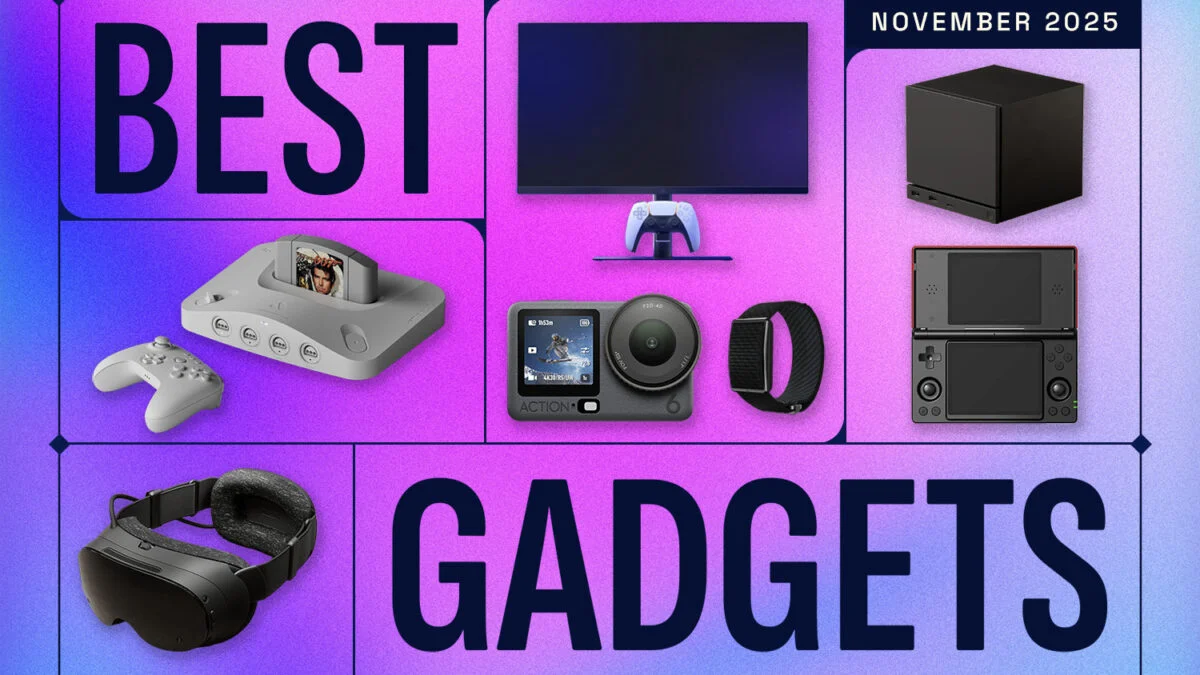
November 2025 was packed with notable gadgets including gaming laptops, retro consoles, wireless earbuds, health wearables, and new VR and gaming hardware, setting the stage for CES 2026 with a mix of innovative and nostalgic tech products.
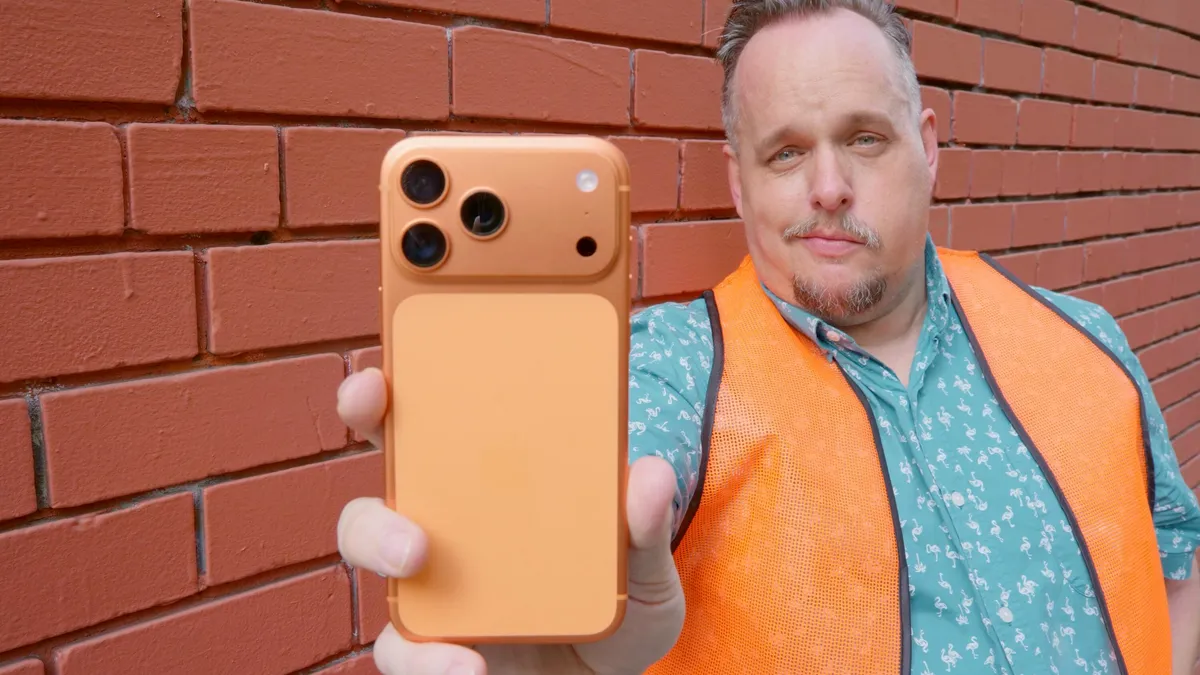
The iPhone 17 Pro and Pro Max are now available, featuring a bold new cosmic orange color that has sparked mixed reactions, with some comparing it to various orange items like pumpkins, Starburst candies, and traffic signs. The phones also include a redesign, new camera, and larger battery, with the color choice seen as a response to previous criticisms of Apple's more subdued finishes.
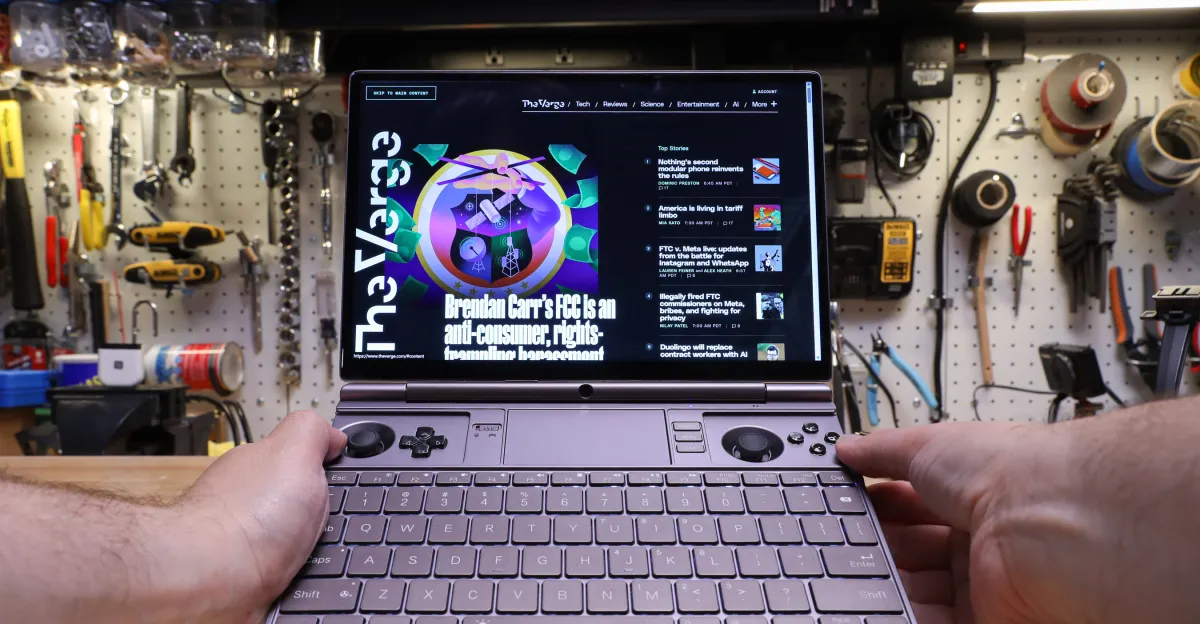
The article explores various innovative tech gadgets and concepts, including tiny gaming devices like the Thumby Color, transforming handhelds, modular phones, a Star Wars cargo bot, and a powerful gaming laptop, highlighting their features, potential, and the author's personal experiences and opinions.
The article argues that magnetic keyboards, specifically those using Hall Effect switches, are superior to traditional mechanical keyboards for gaming. Hall Effect keyboards offer features like adjustable actuation points and multiple actuation points per key, providing a competitive edge in gaming. These keyboards use magnets instead of physical contact for key activation, allowing for more customization and responsiveness. While some mechanical keyboards offer similar features, the article suggests that the future of gaming keyboards lies in magnetic technology.
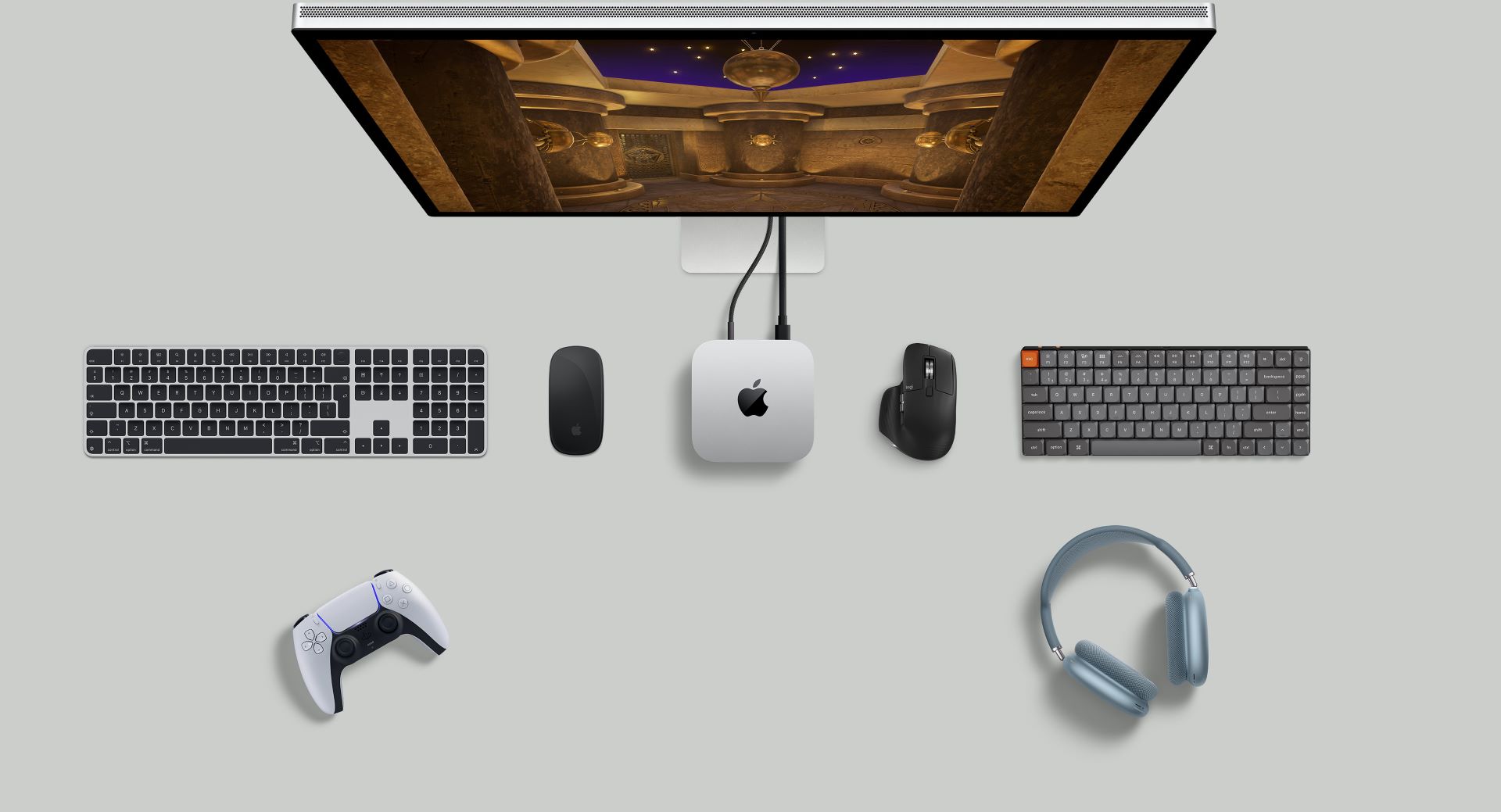
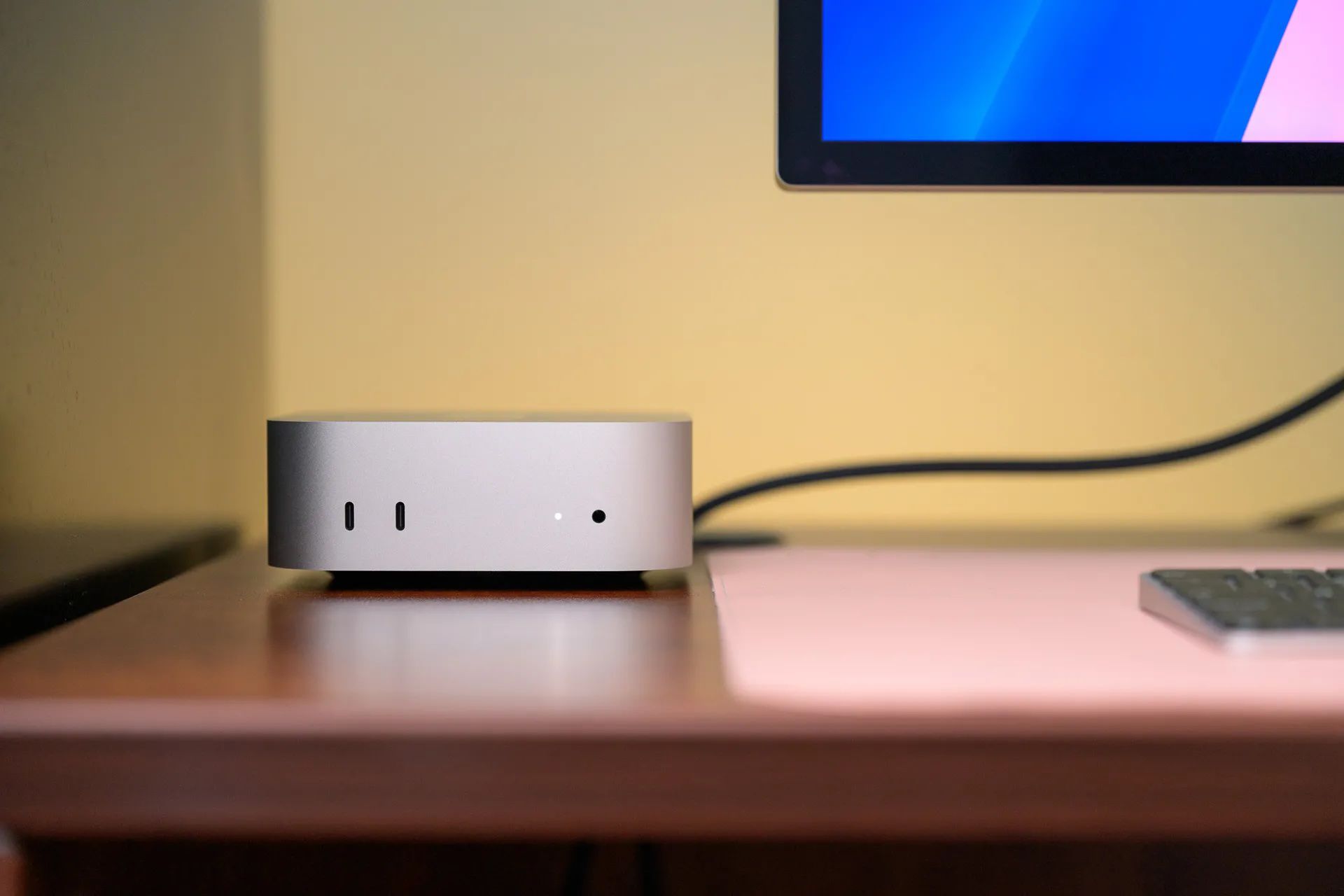
Apple's new Mac mini, available with M4 or M4 Pro chipsets, is praised for its compact design and value, especially the $599 base model with 16GB RAM. While the $799 model offers double the storage, critics note Apple's high upgrade costs for RAM and storage. The Mac mini is ideal for users with existing monitors seeking an entry-level Mac, though the M4 Pro's higher price may deter some buyers.
The new Mac mini, featuring Apple's M4 and M4 Pro chips, has received its first redesign in over a decade, boasting a smaller casing and improved performance. Reviews highlight its enhanced port selection, including front USB-C ports, and the relocation of the power button to the bottom, which some find awkward. The M4 Pro supports Thunderbolt 5, and the device's performance impresses with faster processing and gaming capabilities. While praised for its design and power, the Mac mini's market position remains somewhat unclear, appealing mainly to those seeking a compact desktop solution.
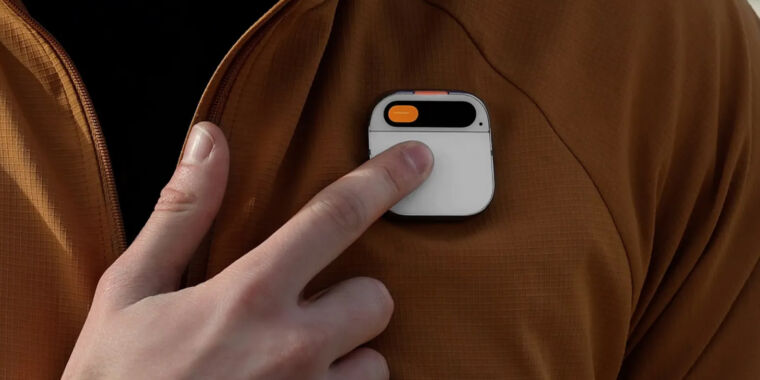
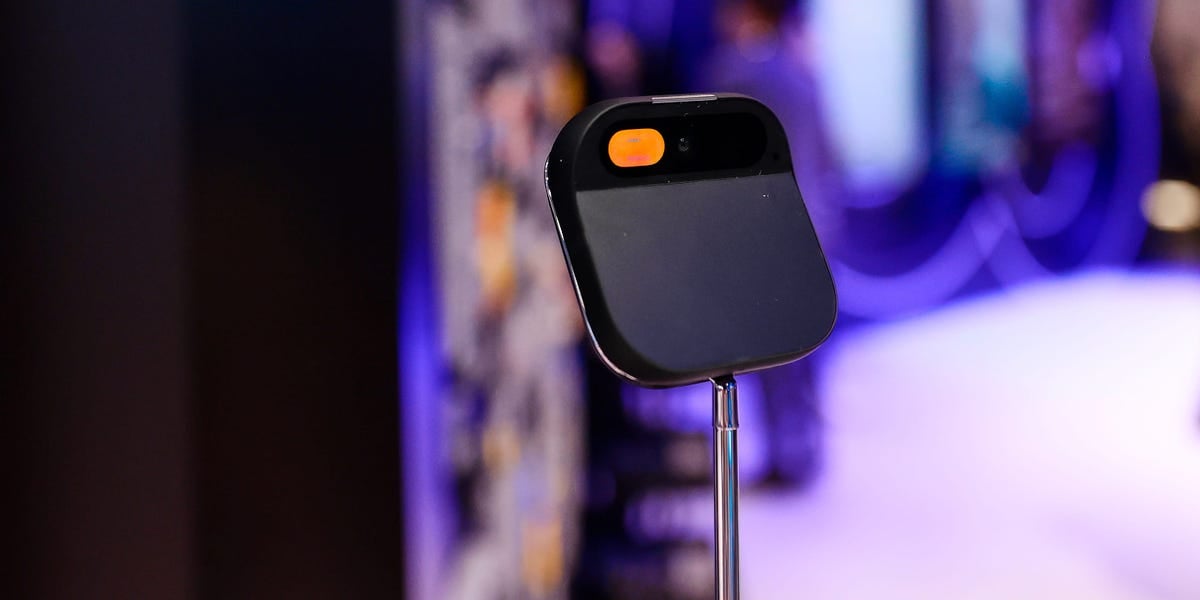
Humane, a company founded by ex-Apple employees, launched the AI Pin, a voice assistant device, which failed spectacularly due to poor performance, high price, and safety issues. Internal criticism was banned, leading to ignored warnings about the product's flaws. Despite only $7 million in sales and devastating reviews, the founders are seeking to sell the company for over $1 billion.
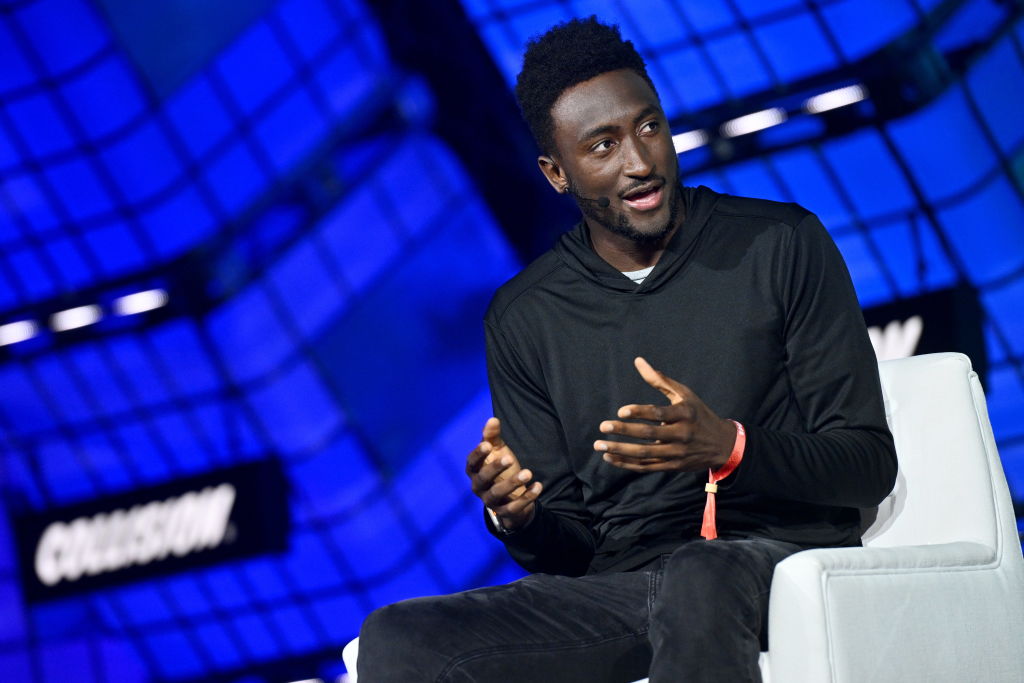
Tech reviewers, including popular YouTuber MKBHD, have criticized Humane AI's Ai Pin for its subpar performance, sparking a debate about the influence of tech influencers on company success. While some argue that MKBHD's critique could harm nascent projects, others point out that Humane AI had significant funding and should be held to a higher standard. Similar controversy arose when MKBHD negatively reviewed the Fisker Ocean car, leading to layoffs and production halts, though the company was already facing financial and safety issues. Some Black techies see the critique of MKBHD as a form of tone policing and bias against Black voices in tech criticism.
YouTuber MKBHD's scathing review of Humane's AI Pin highlights the power of influential tech reviewers in critiquing innovation, sparking debate about the responsibility of companies to release polished products. In other tech news, leaked documents reveal Prime Video's catalog issues, while Goldman Sachs reports strong earnings driven by AI opportunities. Additionally, young men's spending habits, investors' interest in women's sports, and potential antitrust action against Live Nation are making waves in the business world.
Humane's head engineer, Ken Kocienda, defended the Ai Pin wearable device against scathing reviews, acknowledging that it can be "frustrating sometimes" but criticizing the trend of jumping on the "skepticism bandwagon." The device, designed to reduce smartphone dependence, has received criticism for being "unfinished" and "not that useful," with reviewers questioning its $699 price tag and $24 monthly subscription. While some tech experts remain unconvinced, others argue that the narrative of new products needing to replace existing ones is outdated, and the device's concept and aesthetic have received some positive feedback.