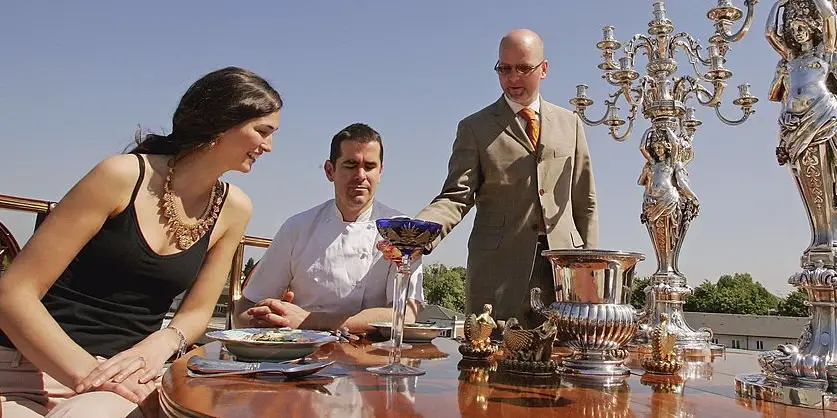
The article shares various stories about working for wealthy and privileged individuals, highlighting their entitlement, eccentricities, and sometimes shocking behavior, from bizarre incidents to outright neglect and misconduct.
India's new generation of wealthy individuals is shifting away from traditional colonial-era private clubs towards modern, inclusive, and creative-focused members-only spaces like Soho House, reflecting broader economic growth, demographic changes, and a move towards more democratic social environments, although access remains expensive and exclusive.
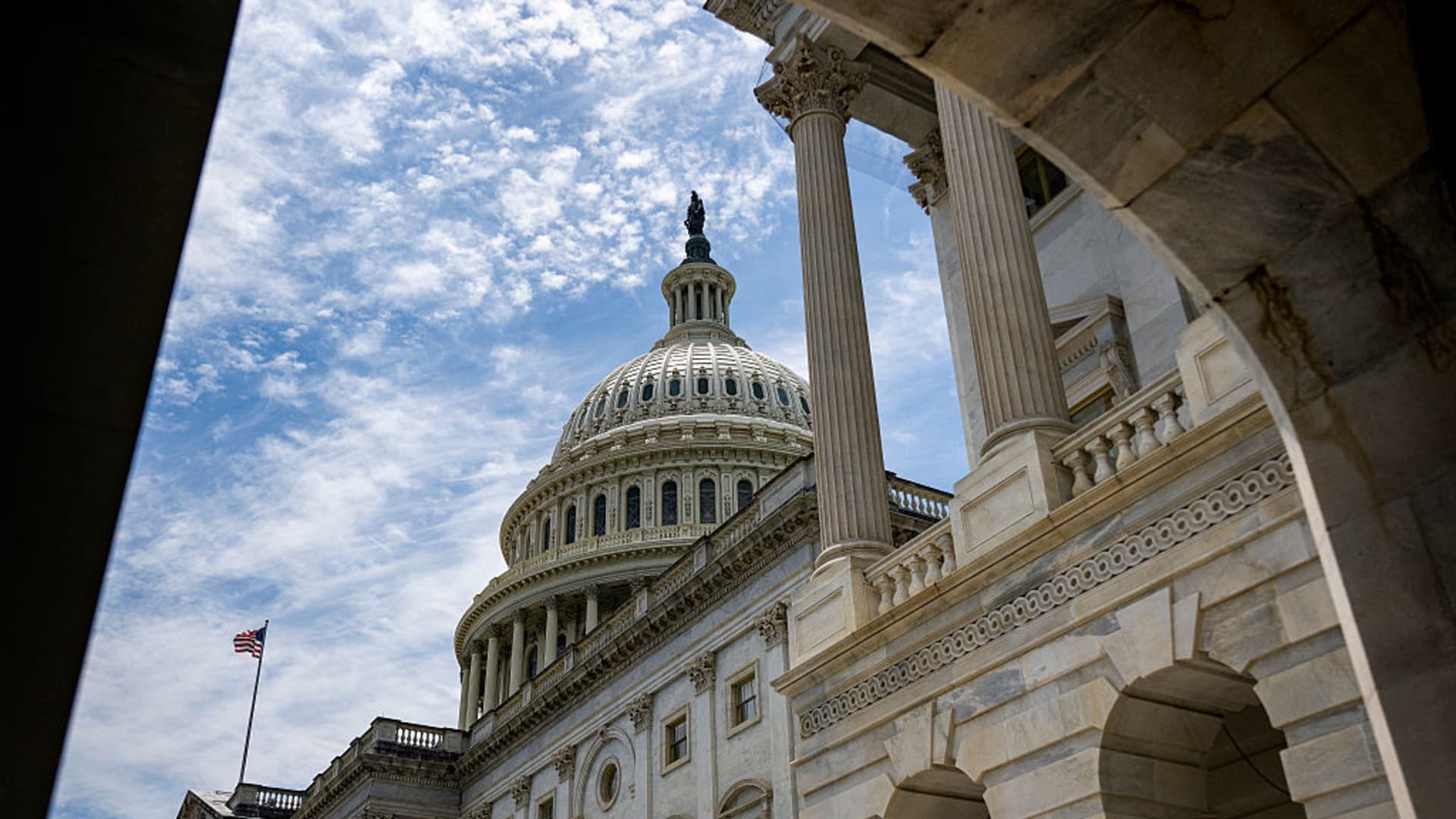
The article discusses the top five tax changes in Trump's 'big beautiful bill' that benefit the wealthy, including extended tax cuts from 2017, increased SALT deduction limits, expanded small business stock benefits, a permanent estate tax with higher exemptions, and modifications to itemized deductions and charitable giving incentives.
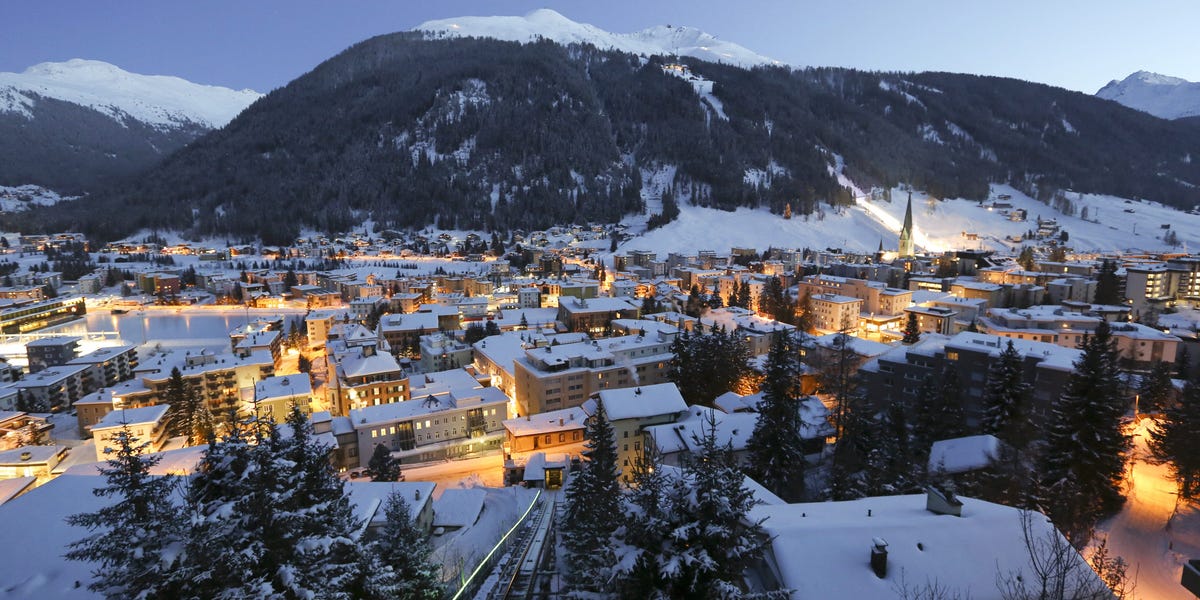
Wealthy attendees at the World Economic Forum in Davos complained about long lines at the conference's go-to hotel and popular parties, with some waiting up to an hour to get in. Even those with the most elite white badges experienced delays, highlighting that sometimes even money can't buy its way out of a line.
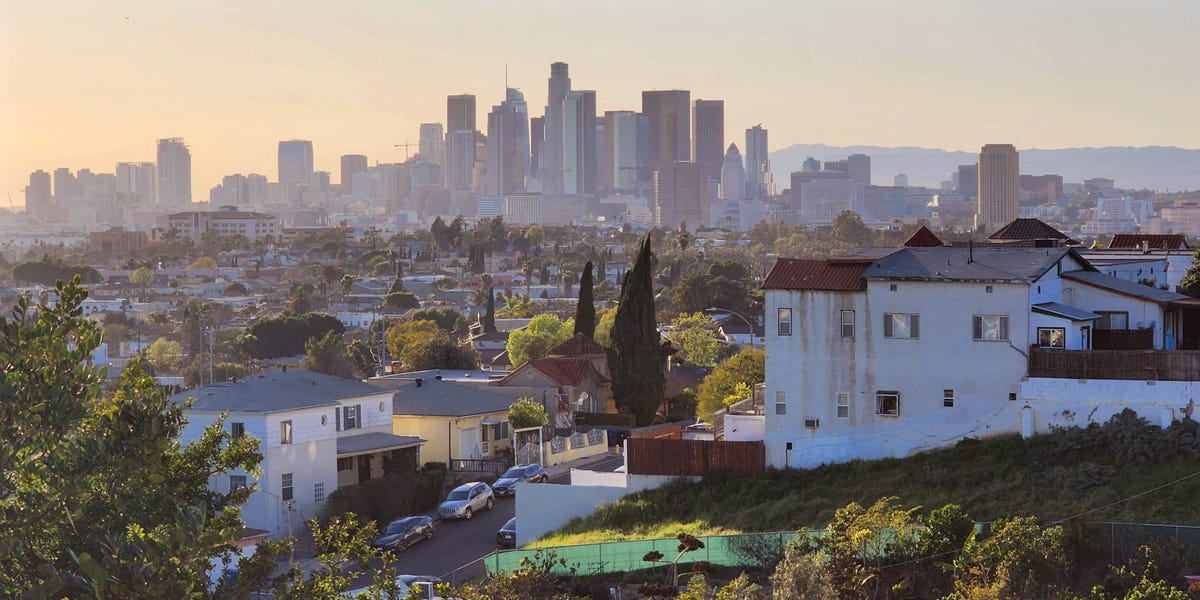
Wealthy Californians are leaving their LA mansions for homes in more affordable areas due to tax-related issues, including the so-called mansion tax. High-interest rates, Hollywood strikes, and rising insurance costs are also slowing down the luxury real estate market in Los Angeles. Many are moving to places like Las Vegas, Seattle, Florida, Texas, and Tennessee for lower taxes and more space. The mansion tax has led to low inventory of luxury homes in LA, with potential sellers worried about the hefty taxes they would have to pay. Some wealthy homeowners are choosing to rent out their properties instead of selling due to the sluggish market.
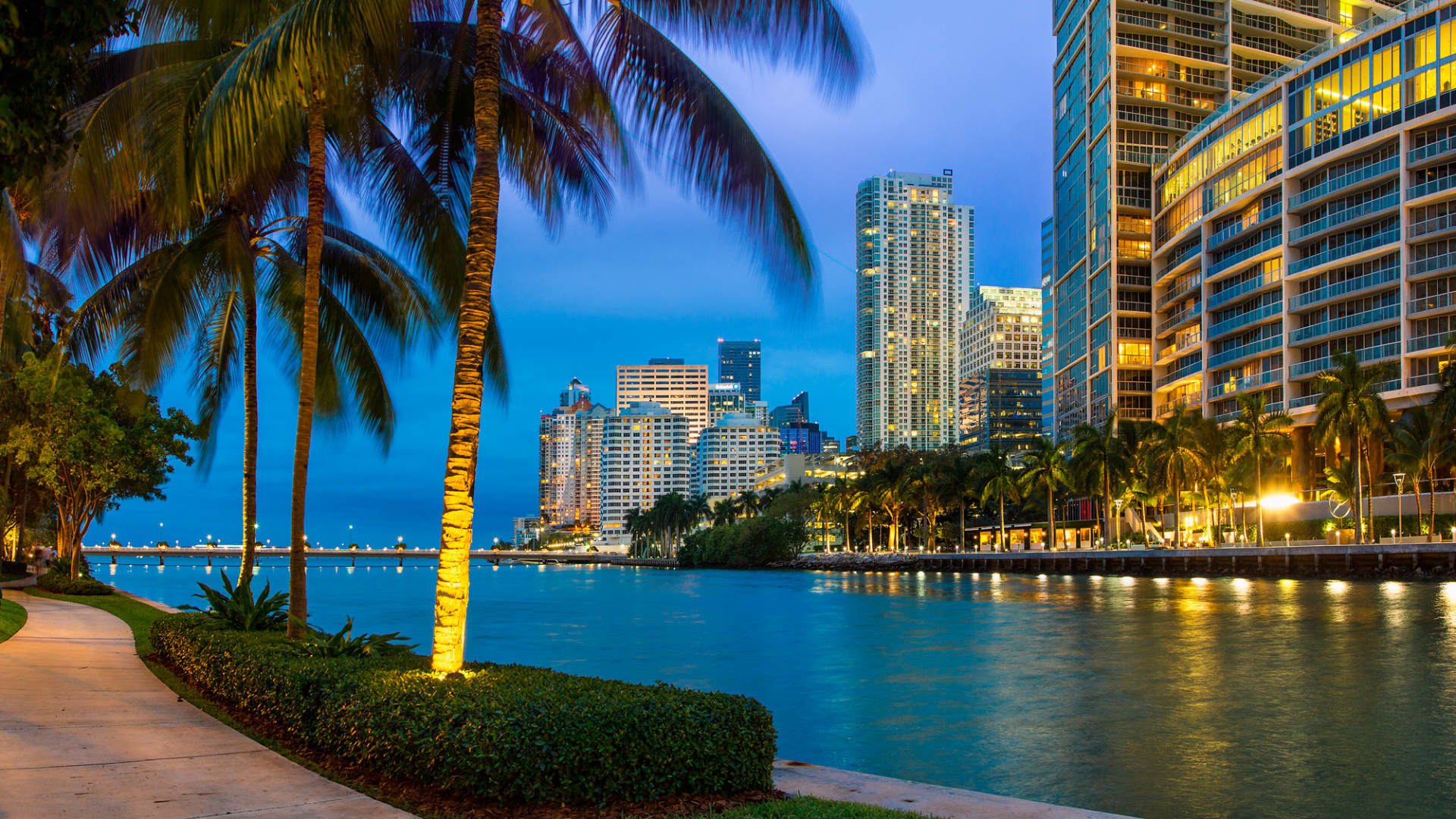
The Art Basel party circuit is about to kick off in Miami, attracting the Wall Street elite and wannabes alike. With hundreds of art fairs, galleries, and installations, Miami Art Week offers a perfect opportunity for wealthy individuals to mingle, make connections, and do business. Some of the must-attend parties for the financial set include the Typhon Penthouse Party, Art of the Party by Ocean Drive, Supersnake & Friends, Gospel Tribe Miami, Flex Basel Party, and Nylon House. These exclusive events require invites, RSVPs, and often personal connections to gain entry, adding to the air of exclusivity surrounding Art Basel.
A new class of private, members-only, and concierge services is emerging in New York City, catering to the city's wealthiest residents. These services, including ultraexclusive clubs, laundry specialists, on-demand helicopter rides, and bidding for restaurant reservations, allow the rich to live a more convenient and exclusive lifestyle, separate from the general public. The demand for round-the-clock domestic help has surged, with families hiring house managers, rotating nannies, and private chefs. In addition, there is a growing interest in services such as at-home I.V. drips, on-demand emergency rooms, cryotherapy, and crystal healing. Private clubs with high initiation fees and exclusive amenities are also on the rise.
While economic recessions typically hit lower- and moderate-income households the hardest, the current recession, dubbed the "richsession," is disproportionately affecting higher-income earners in the US. Despite the stock market's struggles in 2022 and a decline in millionaire status for many Americans, the economy still faces challenges such as sticky inflation, white-collar layoffs, and surging interest rates. High-income households are becoming more pessimistic about the economy, leading to cautious spending due to soft wage growth and slowing job creation for high earners.
Climate activists are targeting the emissions-spewing lifestyles of the ultra-wealthy, spraypainting superyachts, blocking private jets, and disrupting golf courses in a string of global protests. The activists argue that luxury practices disproportionately contribute to the climate crisis, with the richest 1% projected to be responsible for around 16% of emissions by 2030. While some experts caution that focusing on individual carbon footprints may divert attention from fossil fuel companies, others believe that public shaming and protests can help raise awareness and potentially lead to behavior change.
Florida is the top state attracting and retaining young and wealthy individuals, followed by Texas and New Jersey, according to a recent analysis. Factors such as tech opportunities, warm weather, and zero income tax make Florida and Texas appealing to this demographic. New Jersey offers proximity to New York City and a suburban lifestyle. New York and California have the highest number of young high earners, but both states experienced a net loss of this demographic.
One year after the passage of the Inflation Reduction Act (IRA), critics argue that the law has done little to address inflation and has added hundreds of billions to the deficit. The law's "green" special interest tax breaks are estimated to cost over $650 billion, primarily benefiting big businesses and Wall Street. Democrats have been accused of rewriting the rules to make these tax credits more easily transferable to the wealthy. Additionally, the implementation of these tax credits fails to secure critical supply chains and sends taxpayer dollars to adversarial nations like China. Critics argue that the law keeps America dependent on China and prioritizes the left's environmental agenda over national security and the economy. They suggest focusing on policies that build upon the American economic renewal resulting from the Tax Cuts and Jobs Act instead.
Contrary to the notion of a "richcession" where the wealthy are hit hardest by economic downturns, experts say that the ultra-rich are actually becoming wealthier and spending more than ever before. Rising stock prices and a YOLO spending culture have contributed to the boom in luxury markets. High-income households have significant savings, and the top 1% holds a large portion of national wealth. While preferences have shifted towards experiences rather than goods, luxury spending remains strong, with sales in the global luxury goods and services market growing 20% last year. Luxury real estate and high-priced items like luxury cars, yachts, and jets have also seen increased sales.
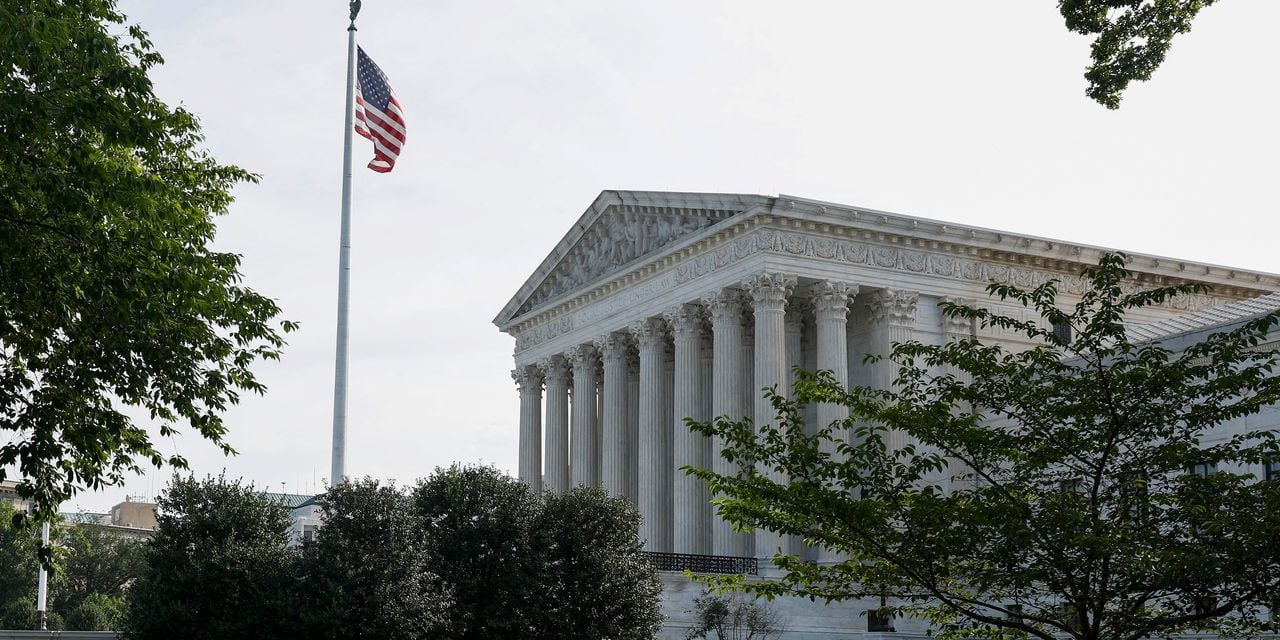
The US Supreme Court has agreed to hear a case that could potentially block Democrats' plans to tax the wealthy. The case challenges a provision in the Affordable Care Act that imposes a tax on individuals who do not purchase health insurance. The plaintiffs argue that the provision is unconstitutional and that its removal would invalidate the entire law, including the Democrats' proposed tax increases on the wealthy.
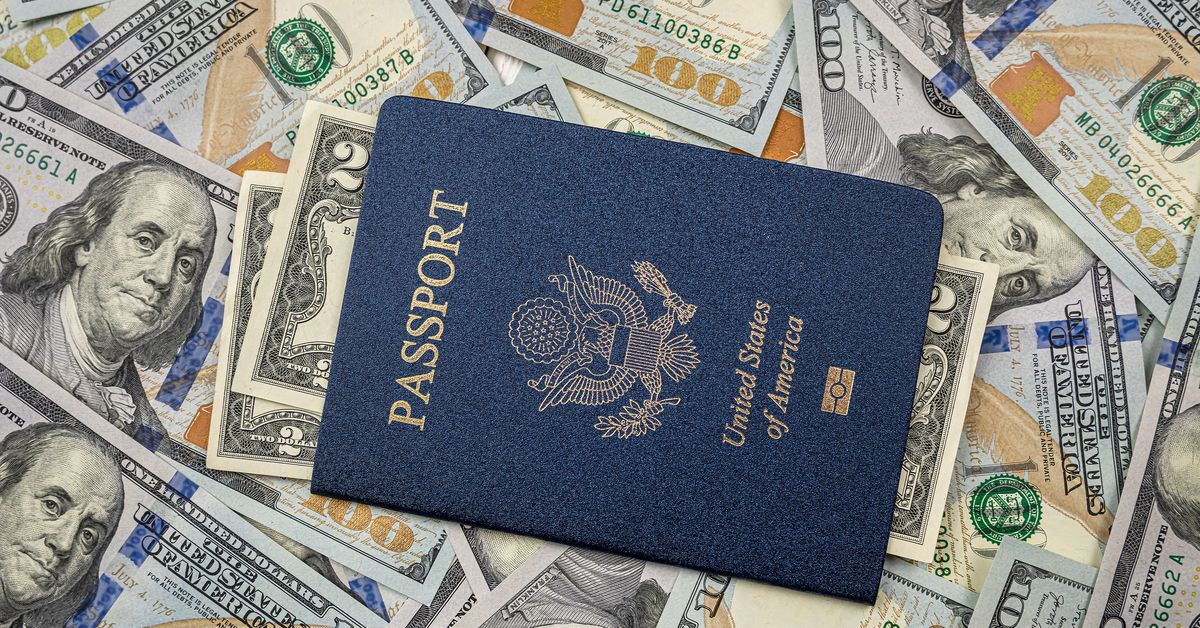
Wealthy individuals are collecting multiple citizenships, often referred to as "golden passports," which can be a status symbol and provide an escape route if needed. These passports are obtained through citizenship-by-investment programs, which require a significant investment in a nation, and are offered by about 22 countries. Malta, Austria, and Turkey are among the popular countries offering these programs. Critics argue that these programs pose a security risk and can be used by criminals to evade prosecution.
A survey conducted by Charles Schwab found that the Bay Area has the highest net worth threshold for financial comfort, with an average net worth of $1.7 million. To be considered "wealthy," the figure stands at $4.7 million. The survey also revealed a wealth paradox among Americans, with respondents defining wealth differently for themselves compared to others. In the Bay Area, non-financial assets like health and family were more important in defining wealth than having large sums of money.