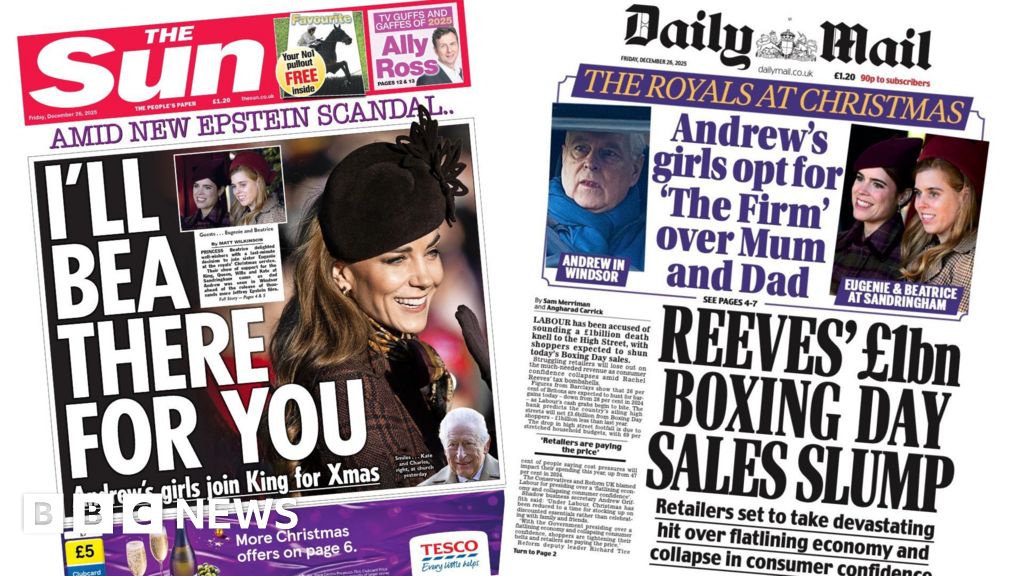
The article covers various news topics including the Royal Family's public appearance at Sandringham, concerns over potential over-valuation of homes for the mansion tax, a predicted slump in Boxing Day sales due to economic factors, a controversy involving a teacher showing inappropriate videos, and the use of drones for smuggling and potential prison escapes.
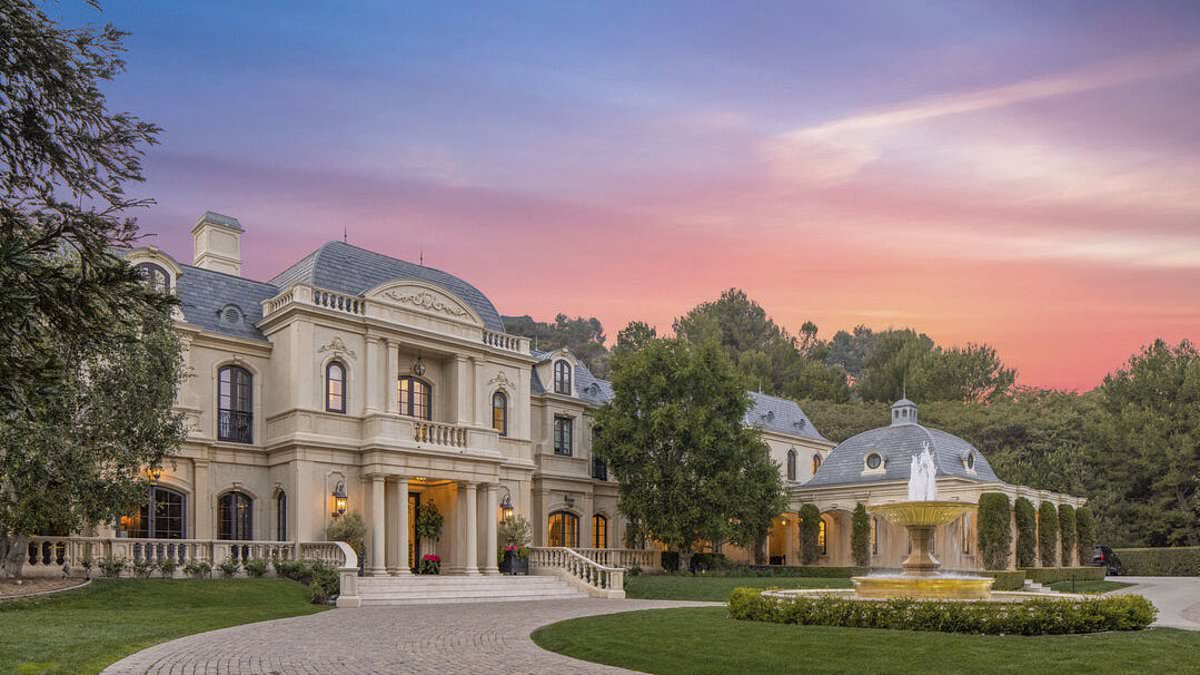
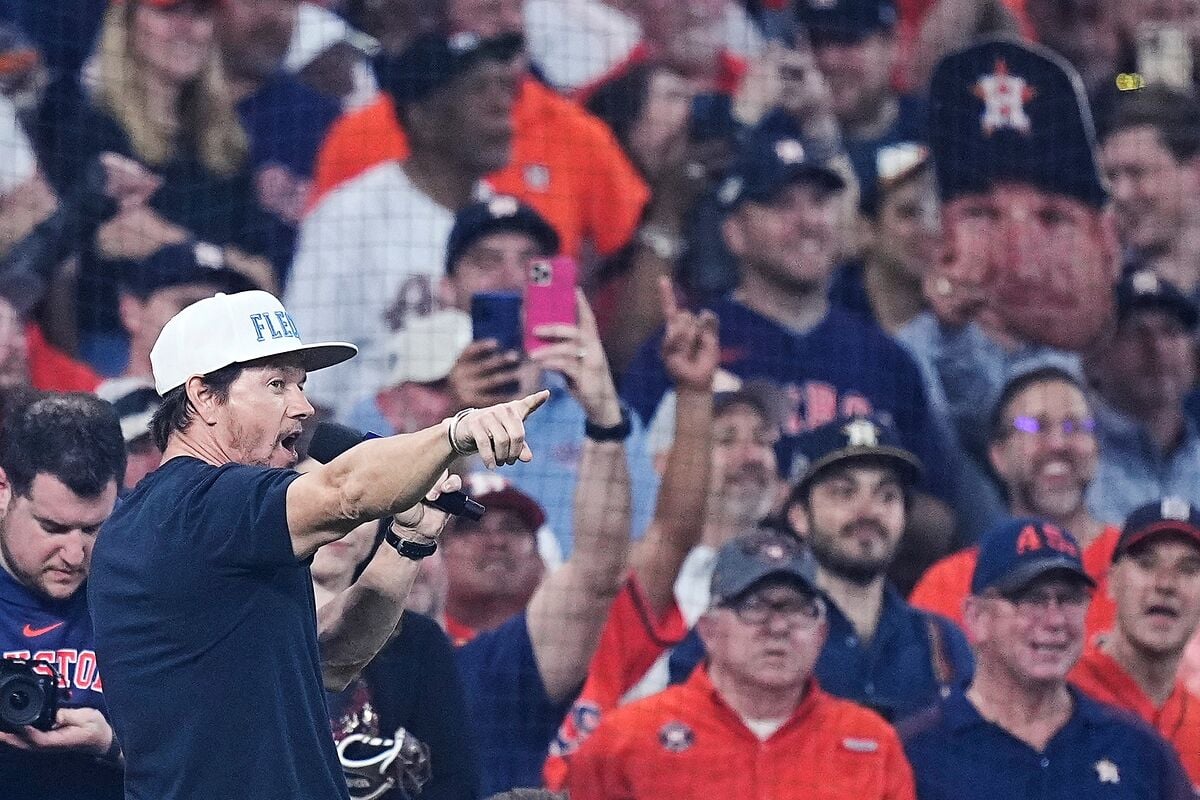
Wealthy Californians are leaving their LA mansions in droves, fleeing to states with lower taxes and more affordable housing due to the recently enforced 'mansion tax' and issues such as rampant crime and the homelessness crisis. Celebrities like Hilary Swank, Mark Wahlberg, Matt Damon, and Joe Rogan have all left California for states like Colorado, Nevada, and Texas. The exodus is driven by the desire for more financial freedom and a better quality of life, with some citing the high cost of living and the worsening homelessness epidemic in Los Angeles as key factors in their decision to relocate.
Wealthy Californians are leaving their LA mansions for homes in more affordable areas due to tax-related issues, including the so-called mansion tax. High-interest rates, Hollywood strikes, and rising insurance costs are also slowing down the luxury real estate market in Los Angeles. Many are moving to places like Las Vegas, Seattle, Florida, Texas, and Tennessee for lower taxes and more space. The mansion tax has led to low inventory of luxury homes in LA, with potential sellers worried about the hefty taxes they would have to pay. Some wealthy homeowners are choosing to rent out their properties instead of selling due to the sluggish market.
The new season of "Selling Sunset" showcases the drama surrounding Los Angeles' mansion tax, which imposes an additional 4% tax on homes sold for over $5 million and 5.5% on those over $10 million. While luxury real estate agents fear the tax will harm their business, housing advocates argue that it is a reasonable way to generate funds for affordable housing. However, critics point out that the tax may discourage the development of multi-family buildings, which could exacerbate the affordable housing crisis. The tax is expected to raise about $150 million this year, with the majority allocated to affordable housing projects in LA.
A tax on mansion sales in Los Angeles aimed at raising funds to combat homelessness has faced resistance from wealthy homeowners, resulting in fewer sales of homes priced at $5 million and above. The tax, which took effect on April 1, has raised less money than expected, leading to cautious spending by city officials. Opponents argue that $5 million homes are not mansions in Los Angeles, while supporters believe the tax is necessary to address the city's housing crisis. Sellers have employed various strategies to avoid the tax, such as listing properties just below $5 million or dividing properties between spouses. Litigation and a potential ballot initiative may further impact the fate of the tax.
Luxury homebuyers in Los Angeles have the upper hand as there is a good amount of inventory available, with 400 listings for single families over $5 million. However, the recent "mansion tax" imposed by Los Angeles City has dented demand for houses over that threshold, with only two properties sold in April over $5 million. The tax added an extra 4% in taxes for properties sold over $5 million and 5.5% on properties sold over $10 million. Despite this, there are signs that buyers are coming back, with May being the strongest month for closings and June looking to double that.
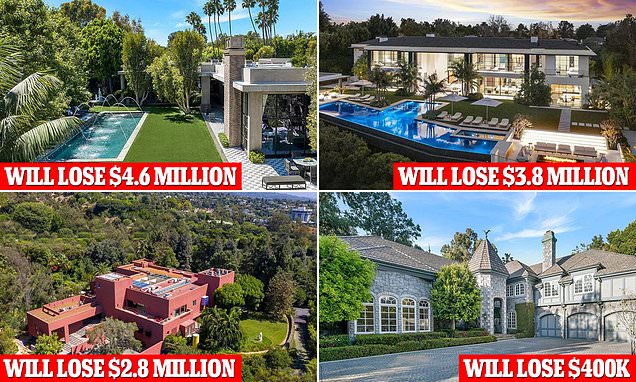
Los Angeles has introduced a "mansion tax" on its property market, which will see the city take a 4% cut of all home sales between $5m and $10m, and 5.5% of sales over $10m. The tax is expected to raise between $600m and $1.1bn annually for affordable housing and tenant assistance programs. 457 mansions are set to fall under the new tax rules, with the priciest homeowner potentially losing over $8.5m. Some of the most expensive homes on the market, including an $85m listing and a $69m mansion, will be affected by the tax.
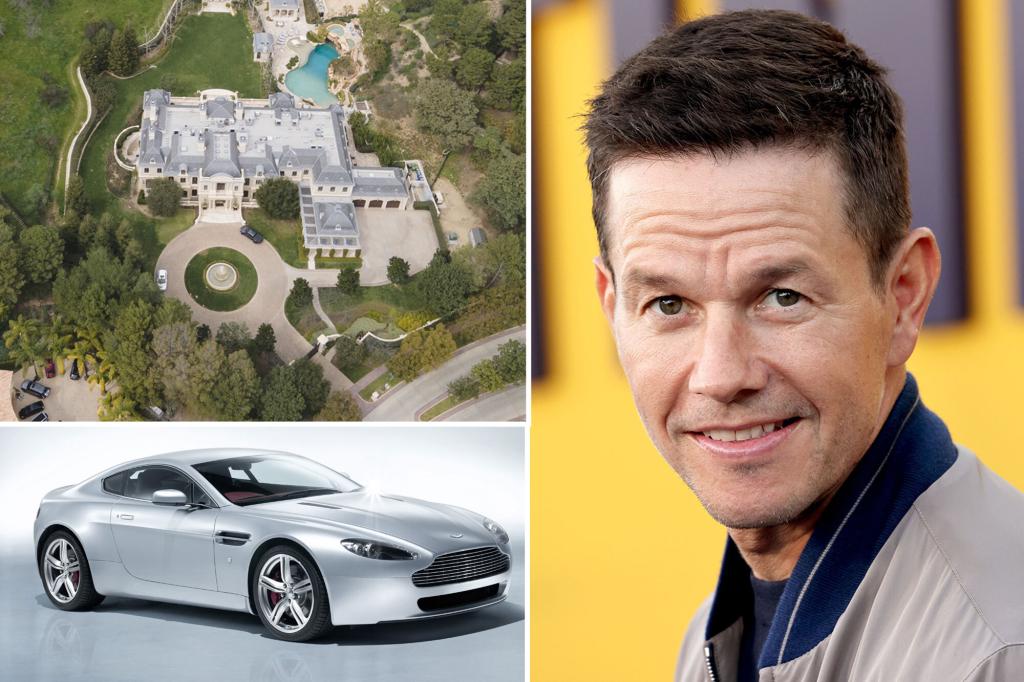
A new 'mansion tax' has gone into effect in Los Angeles, forcing millionaires to pay an additional 4-5.5% in transfer taxes for homes that sell for over $5 million. The tax will support a homeless housing measure passed in November. As a result, many high-profile celebrities, including Mark Wahlberg, Jim Carrey, and Jennifer Lopez, are selling their multi-million dollar homes and leaving California for states with less strict tax laws, such as Texas.
Los Angeles' new "mansion tax" will impose an additional 4% tax on properties that sell for $5 million or more, and 5.5% on properties that sell for $10 million or more. The tax will raise about $900 million each year for affordable housing and homelessness programs. However, real estate brokers and developers warn that the tax may slow down the construction of new apartment complexes in the city, as it applies to every real estate sale within Los Angeles that is not exempt.
A new mansion tax in Los Angeles will require sellers to pay 4% on sales of homes priced between $5 million and $10 million, and 5.5% on sales of properties at $10 million or above, starting April 1. This has put pressure on sellers to close deals before the deadline, causing a scramble in the real estate market.
Sellers of luxury homes in Los Angeles are rushing to close deals before a new "mansion tax" goes into effect on April 1, adding a 4% tax for homes selling between $5 million and $10 million and 5.5% on amounts $10 million and above. Celebrities and multimillionaires are slashing prices and offering incentives such as luxury cars to entice buyers to close deals before the deadline. Brokers report a frenzy of activity, with some closing as many as 20 deals in the past 72 hours. The tax is expected to impact the local economy and lead to less development.
As Los Angeles' new "mansion tax" looms, the city's real estate market is offering deadline deals, with some properties being marketed just under the $5m tax cutoff. The tax imposes a 4% tax on property sales between $5m and $10m, and a 5.5% tax on sales over $10m. Proponents of the new wealth tax argue that multimillionaires are giving away luxury cars to avoid a tax that helps people sleeping in their cars. The tax was designed to raise public funds to prevent homelessness in one of the most expensive housing markets in the country.
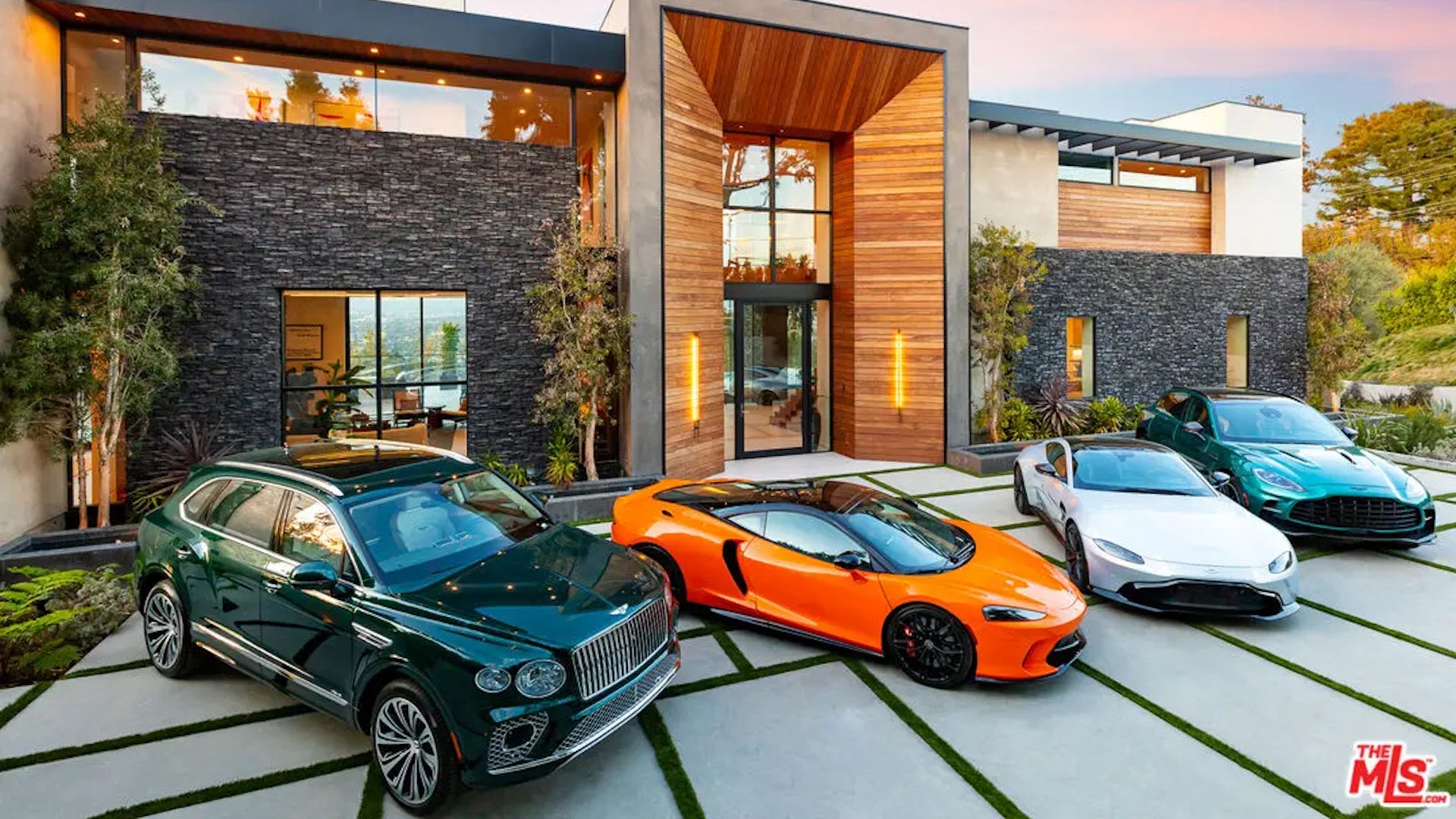
In anticipation of a new tax on high-end real estate sales in Los Angeles, sellers are offering supercars as incentives to sweeten the deal. The "mansion tax" adds a 4% ownership transfer tax to real estate sales over $5 million, increasing to 5.5% beyond $10 million to fund affordable housing and homelessness prevention. Sales of homes over $5 million in LA are reportedly down more than 10%, and new listings have increased by 78%. Some developers are listing incomplete properties to minimize losses.
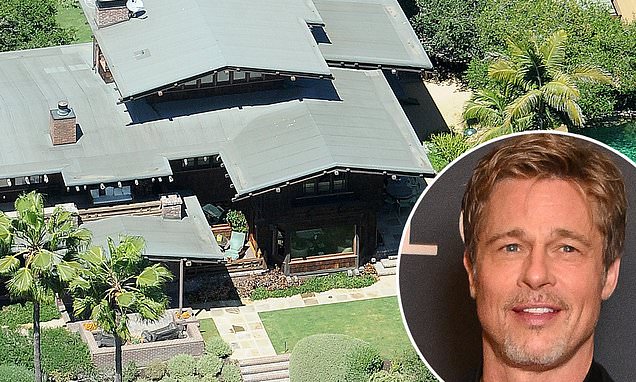
Brad Pitt has sold his Los Feliz compound in California for $39 million, nearly three decades after buying it for $1.7 million. The property was originally listed for $45 million in January. Pitt is reportedly moving to a $40 million abode in Carmel, Northern California, ahead of the April 1 start date for Los Angeles' new 'mansion tax'. The tax requires those selling properties worth more than $5 million to pay a 4% transfer tax, with sales exceeding $10 million subject to a 5.5% tax. Pitt reportedly boasts a $100 million real estate portfolio.
Sellers of luxury homes in Los Angeles are offering extravagant freebies, including sports cars, to entice buyers before a new "mansion tax" takes effect on April 1. The tax will impose a 4% transfer tax on property sales over $5 million and a 5.5% tax on properties over $10 million. Funds collected from the tax will be put towards affordable housing projects and providing resources to tenants at risk of homelessness, according to city officials. Some agents believe there may be better solutions to fund low-income housing projects.