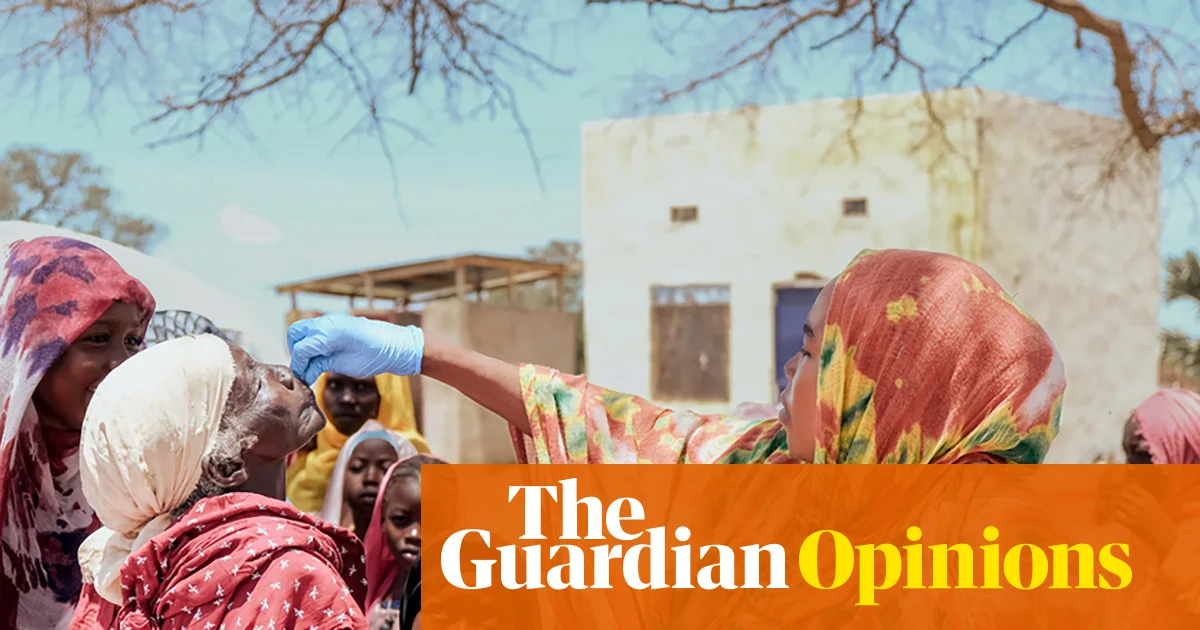
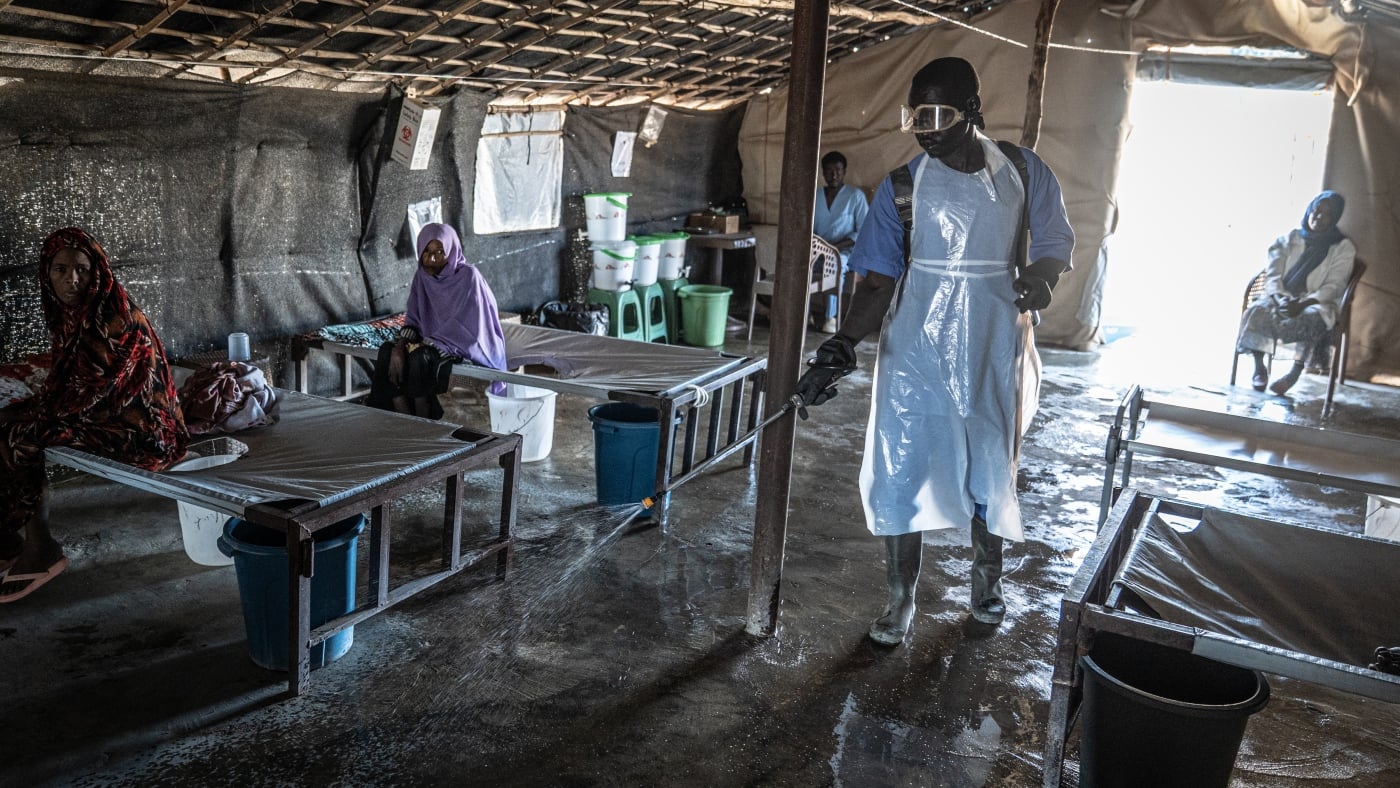
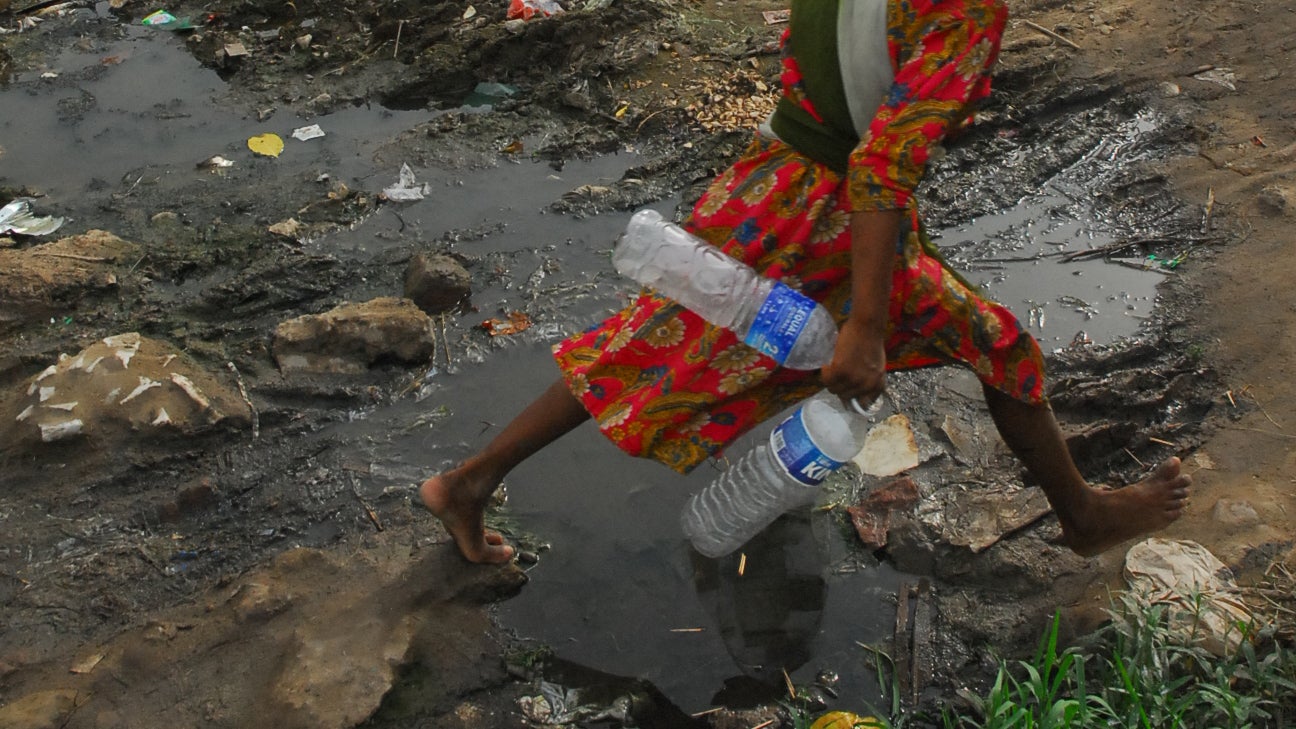
Cholera, a preventable disease linked to poverty and poor sanitation, continues to cause outbreaks in 32 countries, mainly in Africa, despite available vaccines and global efforts. The main challenges are inadequate investment in water and sanitation infrastructure and limited vaccine production capacity, which can be addressed through political will and increased manufacturing. Long-term control requires political action to improve water access and sanitation, as well as expanding vaccine production.
Cholera, an ancient and deadly disease, is resurging across Africa due to conflict, poverty, and climate change, prompting a coordinated emergency response including vaccination and improved water infrastructure, with a goal to eliminate it as a major health issue by 2030.
The International Coordinating Group on Vaccine Provision is urging immediate action to address the unprecedented surge in cholera cases worldwide, driven by a lack of clean water and sanitation. The shortage of cholera vaccine doses has put immense pressure on the global stockpile, with requests for doses surpassing production capacity. Urgent efforts are needed to invest in access to safe water, sanitation, and hygiene, as well as to fast-track additional production of affordable oral cholera vaccine doses to prevent and control cholera outbreaks.
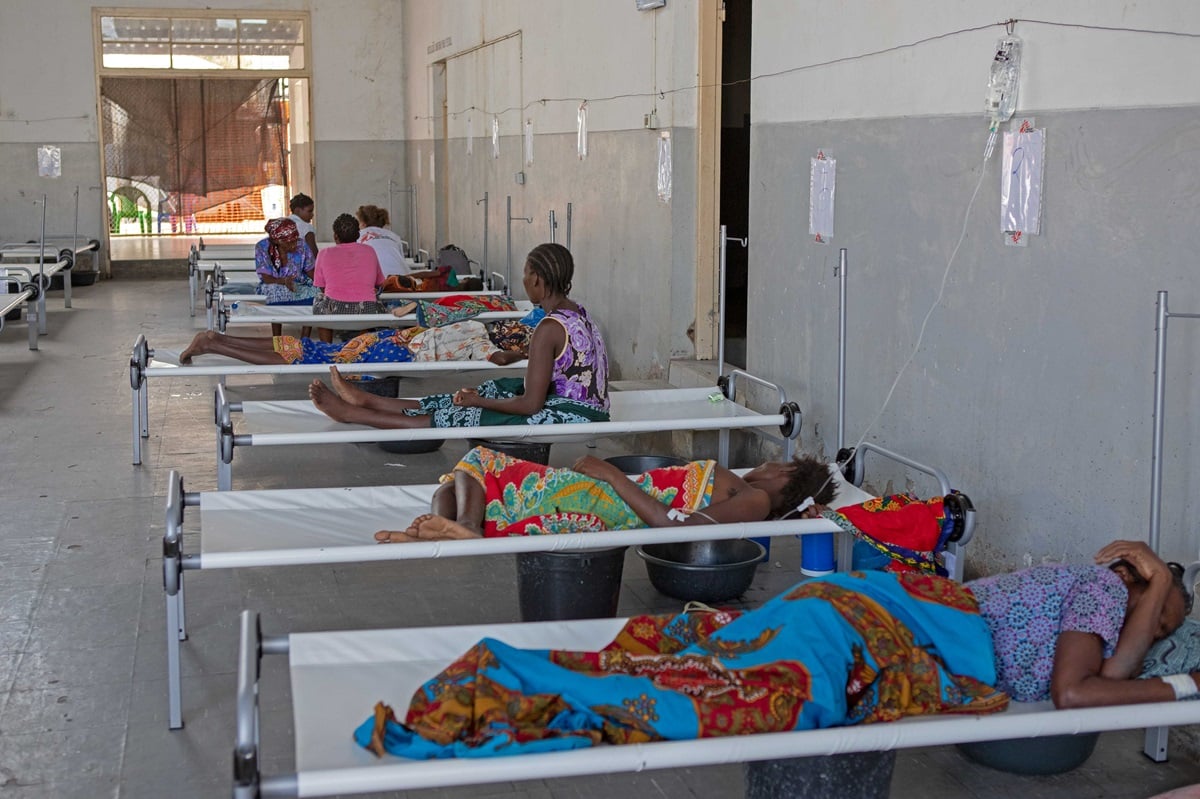
Zambia is facing its worst-ever cholera outbreak, with over 18,000 cases and 600 deaths. The outbreak, which began in October, has overwhelmed medical centers and affected all 10 provinces. Children are particularly vulnerable, accounting for one in three deaths. The crisis has been exacerbated by limited access to clean water and sanitation, and has been linked to extreme weather events and climate change. Aid organizations are providing relief, but there is a need for increased funding for water, hygiene, and sanitation, as well as sustainable solutions to address the root causes of the outbreak.
A new report by the UN warns that about 100 crore people, particularly children, in 43 countries are at risk of cholera. After years of steady decline, cholera is devastatingly coming back and targeting the world's most vulnerable communities. The report blames a deadly combination of climate change, underinvestment in water, sanitation and hygiene services for the spread of the disease. Although vaccines exist to protect against cholera, supply is insufficient to face the increasing demand. The WHO is launching a 12-month Strategic Preparedness, Response and Readiness Plan, requiring $160 million, alongside Unicef's Call to Action for $480 million to respond to the growing cholera threat.