Trump's Vetoes Spark GOP Clashes and Allegations of Retaliation
Rep. Lauren Boebert criticized President Trump for vetoing a bipartisan water infrastructure bill benefiting her district, expressing hope that the veto was not politically motivated.
All articles tagged with #water infrastructure

Rep. Lauren Boebert criticized President Trump for vetoing a bipartisan water infrastructure bill benefiting her district, expressing hope that the veto was not politically motivated.

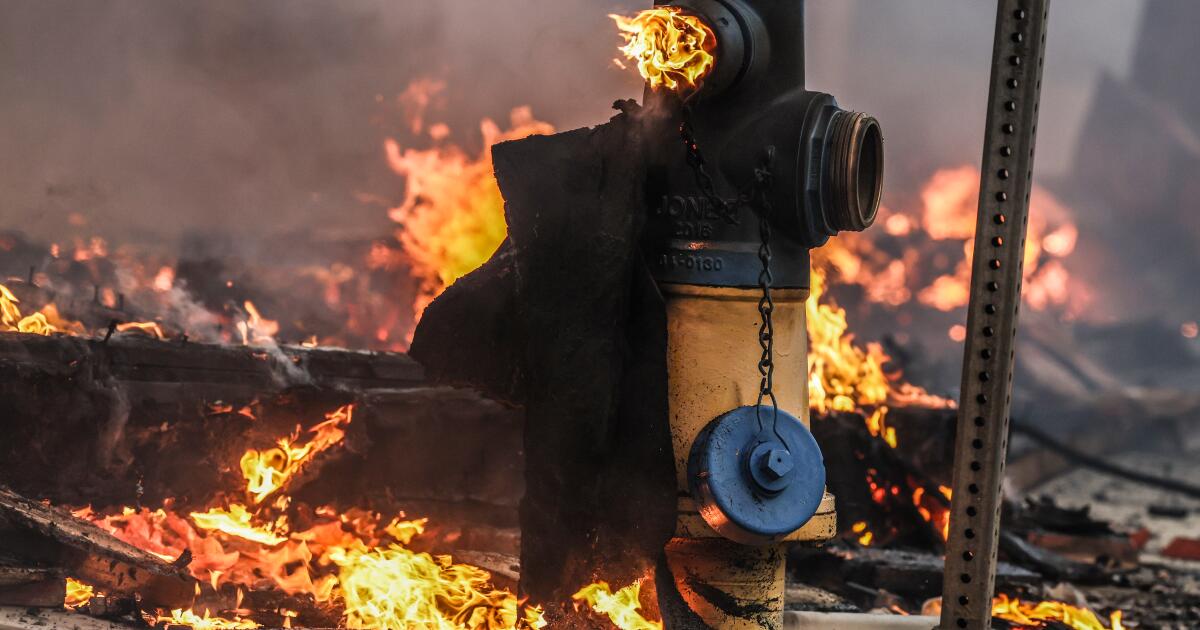
Los Angeles' water system failed during recent devastating wildfires due to outdated infrastructure, empty reservoirs, and design limitations, prompting calls for major upgrades, new firefighting water sources, and household preparedness measures to better protect communities in future fires.
Palmer Lake has announced a deal with Buc-ee's for land annexation, including Buc-ee's funding water infrastructure improvements saving the town millions, a payment to the town, and considerations for local crime impact, with a vote scheduled for August 28.

Texas lawmakers concluded their 2025 session by passing conservative policies including private school vouchers, stricter bail laws, water infrastructure funding, and measures to promote Christianity in schools, while also addressing issues like online gambling and property taxes, with some bills facing legal challenges and opposition.

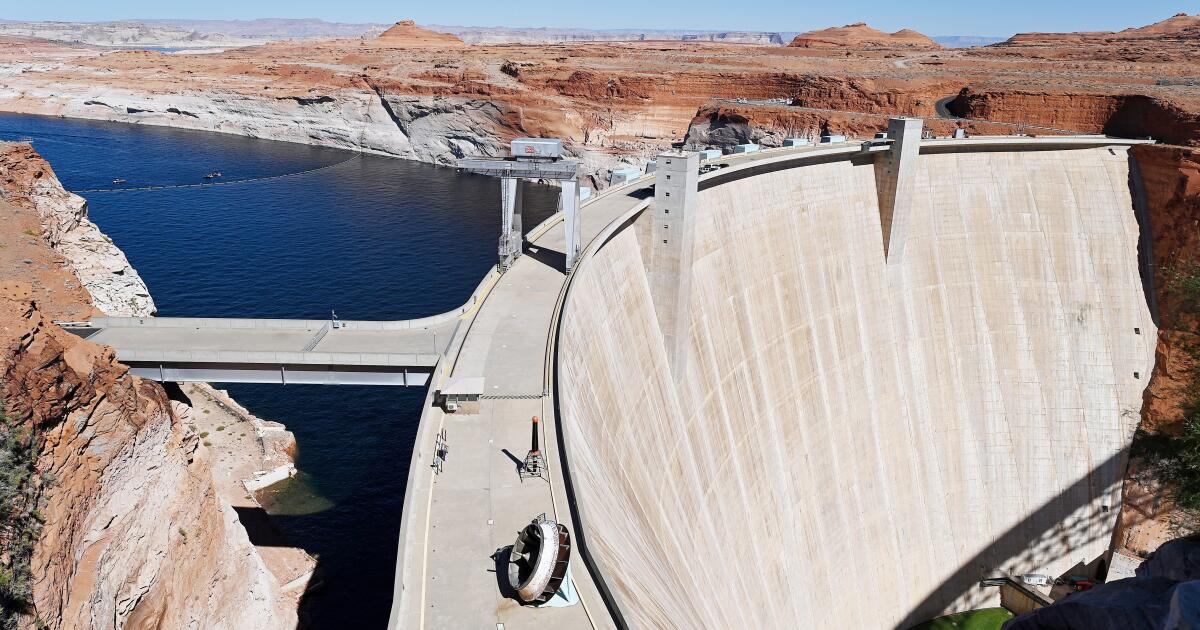
Damage to the infrastructure of Glen Canyon Dam, including deterioration in steel tubes that allow water to pass through the dam, has raised concerns about potential water shortages in the Southwest, particularly for California, Nevada, Arizona, and Mexico. The dam's design poses structural risks under low reservoir levels, potentially leaving as much water stranded as California's largest reservoir. Federal officials are analyzing potential fixes, but the situation adds complications to long-term water management plans for the Colorado River, which has long been overallocated and has seen reduced flows due to climate change.

The Biden administration has announced $5.8 billion in funding to address the nation's ailing water infrastructure, aiming to ensure safer drinking water and more reliable wastewater systems. The investment will be used to remove lead pipes, improve sanitation, and address contaminants like PFAS chemicals. While the funding is a step in the right direction, experts emphasize that it's just a fraction of what's needed to fully address the country's water infrastructure challenges.

The Biden administration is allocating $5.8 billion for water infrastructure projects across all 50 states, bringing the total to $22 billion from the bipartisan infrastructure law. This funding, part of the $1 trillion law, will support upgrades to water treatment plants, distribution systems, and lead pipe replacement, with a focus on clean water initiatives.

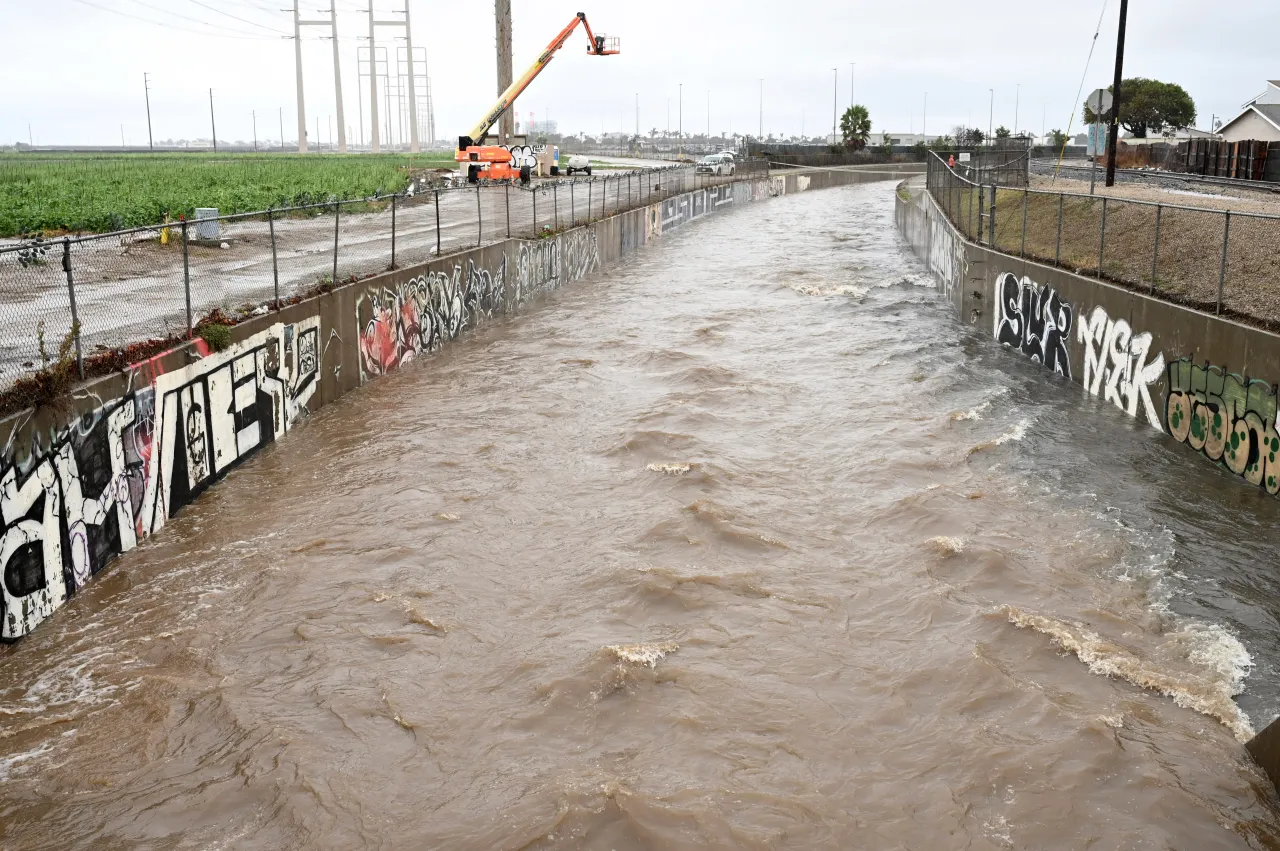
Despite record-breaking rainfall in California, 80% of the water is lost to the oceans due to inadequate infrastructure, highlighting the state's unpreparedness for the ongoing drought crisis. The report raises questions about the allocation of resources, with significant investments in renewable energy projects but minimal spending on water infrastructure, emphasizing the need for a balanced approach to addressing the consequences of a changing climate.

Michigan Governor Gretchen Whitmer has signed legislation providing $114 million in debt relief to five school districts in the state, including Pontiac City School District, Benton Harbor Area Schools, Ypsilanti Community Schools, Muskegon Heights School District, and Inkster Schools. The legislation also includes $30 million for a settlement agreement with Highland Park and the Great Lakes Water Authority to address water debt. Additionally, the funding will support special initiatives at public universities, such as renovating and expanding a tech center at Grand Valley State University and establishing a new enterprise center at Northern Michigan University.

A new federal climate report suggests that dependably snowy winters may be in jeopardy due to climate change. The report projects that rising temperatures will lead to more precipitation falling as rain instead of snow, and the snowpack will stick around for a shorter period of time. This could result in decreased snowfall and snow water volume in areas that rely on it for runoff. The report also indicates that while extreme events with greater precipitation may become more common, overall precipitation totals could still decrease. These changes could disrupt water infrastructure and have implications for water availability and hydropower.

Austin Water's pipes leaked over 6.9 billion gallons of treated water in 2022, an increase of more than 400 million gallons compared to the previous year. While this amount is less than the city's all-time high in 2020, it is still enough to fill Lady Bird Lake nearly three times. The leaks were within an acceptable range according to the infrastructure leakage index, but the city acknowledges the need to reduce losses. Austin Water has implemented a water loss control program, including pipe renewal and smart meter installations, and is in the process of replacing analog meters with smart meters to reduce apparent losses. The city received an infrastructure leakage index grade of 4.09, aiming to achieve a score below 3 in the next few years.

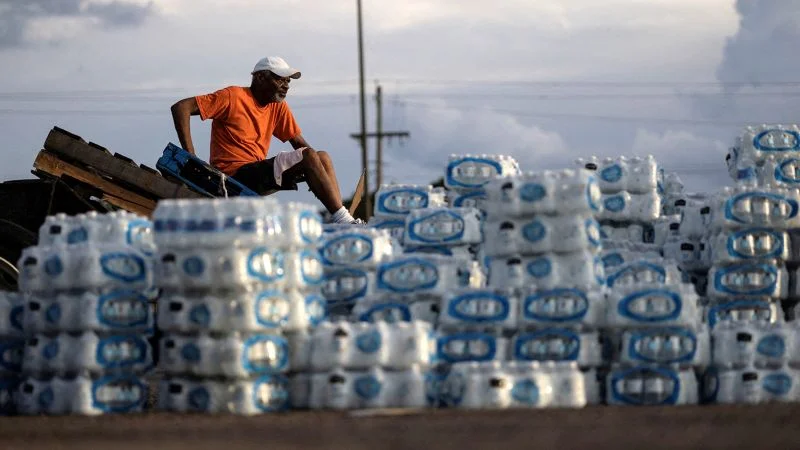
President Joe Biden announced an initial investment of $115 million in Jackson, Mississippi's water infrastructure, which suffered a catastrophic breakdown last year. The funding will come from the 2022 omnibus spending bill, which includes a total of $600 million for the city's water system. Environmental Protection Agency Administrator Michael Regan called the funding a "significant shot in the arm" and said it would go towards stabilizing the system, plugging leaks, and ensuring safe, affordable drinking water for all residents. The Biden administration has made improving water infrastructure a priority through its Investing in America agenda.

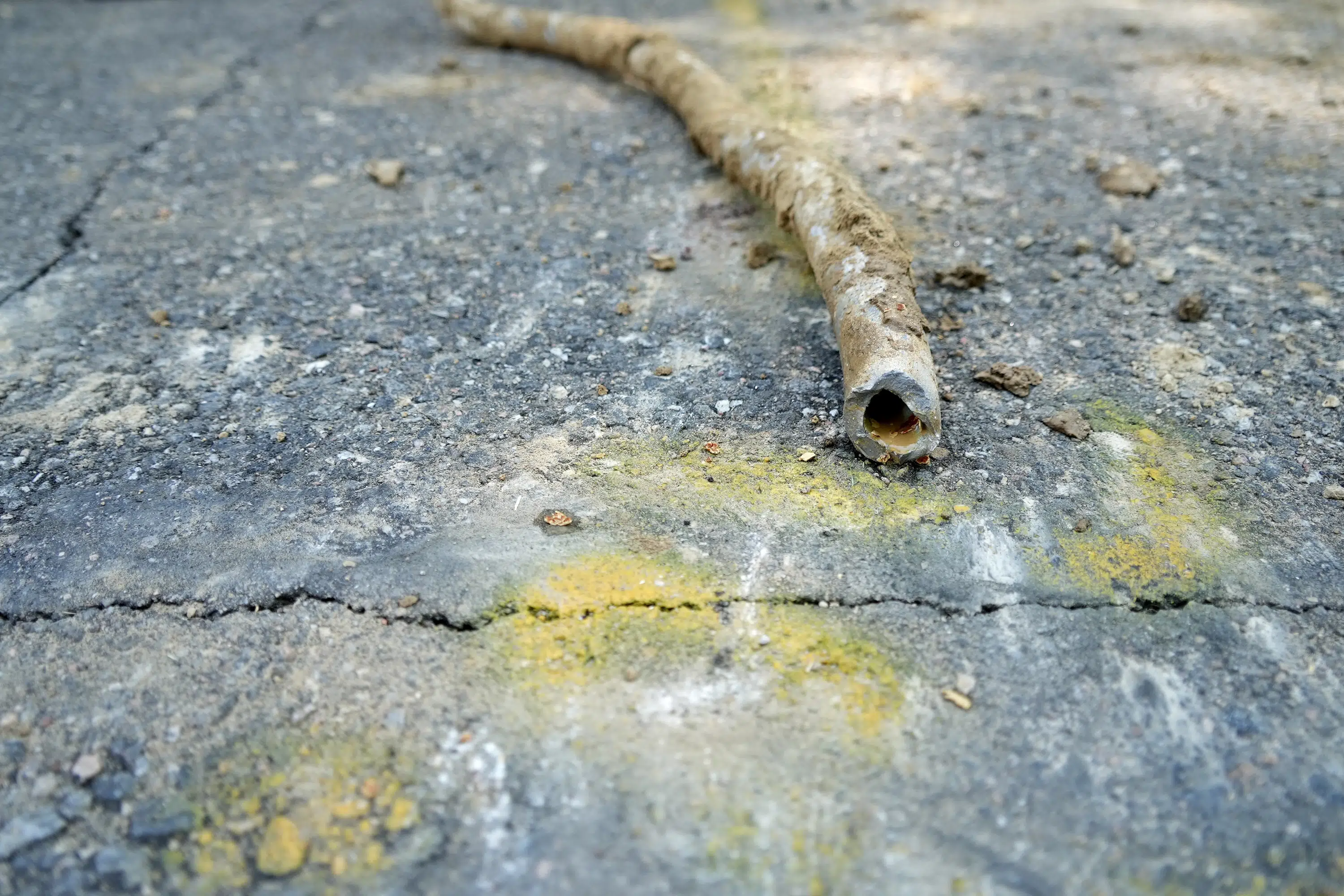
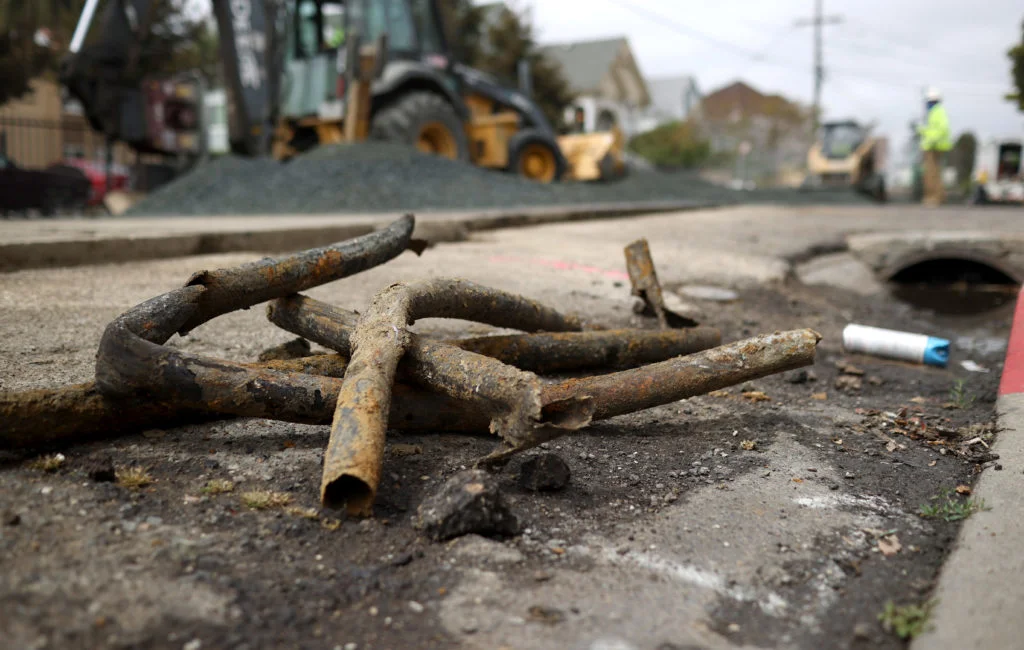
A new survey by the Environmental Protection Agency (EPA) has found that 9.2 million lead pipes carry water into homes across the US, with Florida having the most at an estimated 1.16 million. The survey will be used to direct billions of dollars from the Bipartisan Infrastructure Law to water infrastructure upgrades, including finding and removing lead pipes. The Biden administration has set a goal to remove all of the country’s lead water pipes, but the $15 billion from the infrastructure law for lead pipe work will not be enough to solve the problem. The EPA also announced that states, U.S. territories and tribes will have $6.5 billion to upgrade drinking water infrastructure, with $6 billion of that total coming from the Bipartisan Infrastructure Law.

Florida has the most lead pipes in the US, with an estimated 1.16 million pipes, according to a new survey by the Environmental Protection Agency (EPA). The survey, which is the first time the agency has asked about lead pipes, will be used to direct billions of dollars from the Bipartisan Infrastructure Law to water infrastructure upgrades, including finding and removing lead pipes. The Biden administration has set a goal to remove all of the country's lead water pipes, but the $15 billion from the infrastructure law for lead pipe work will not be enough to solve the problem.