Tag

Wastewater Treatment

All articles tagged with #wastewater treatment

Wastewater Treatment Boosts River Methane Emissions Fivefold

Originally Published 1 year ago — by Phys.org

Featured image for Wastewater Treatment Boosts River Methane Emissions Fivefold
Source: Phys.org

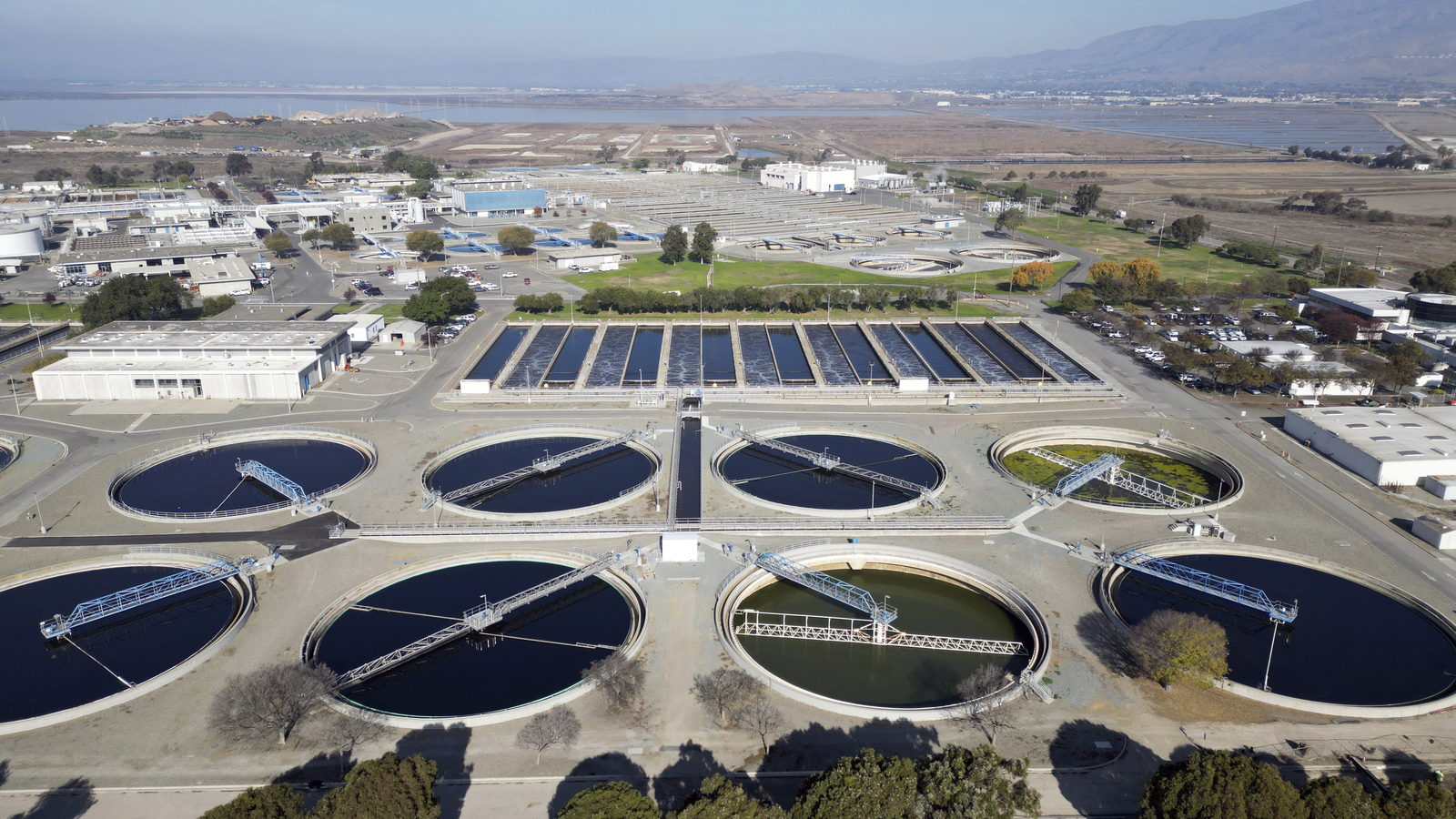
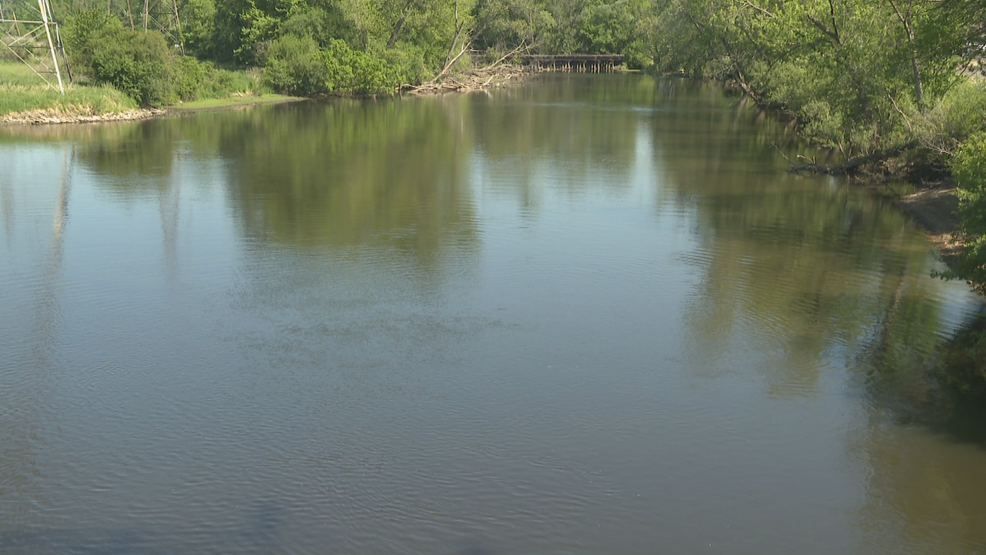
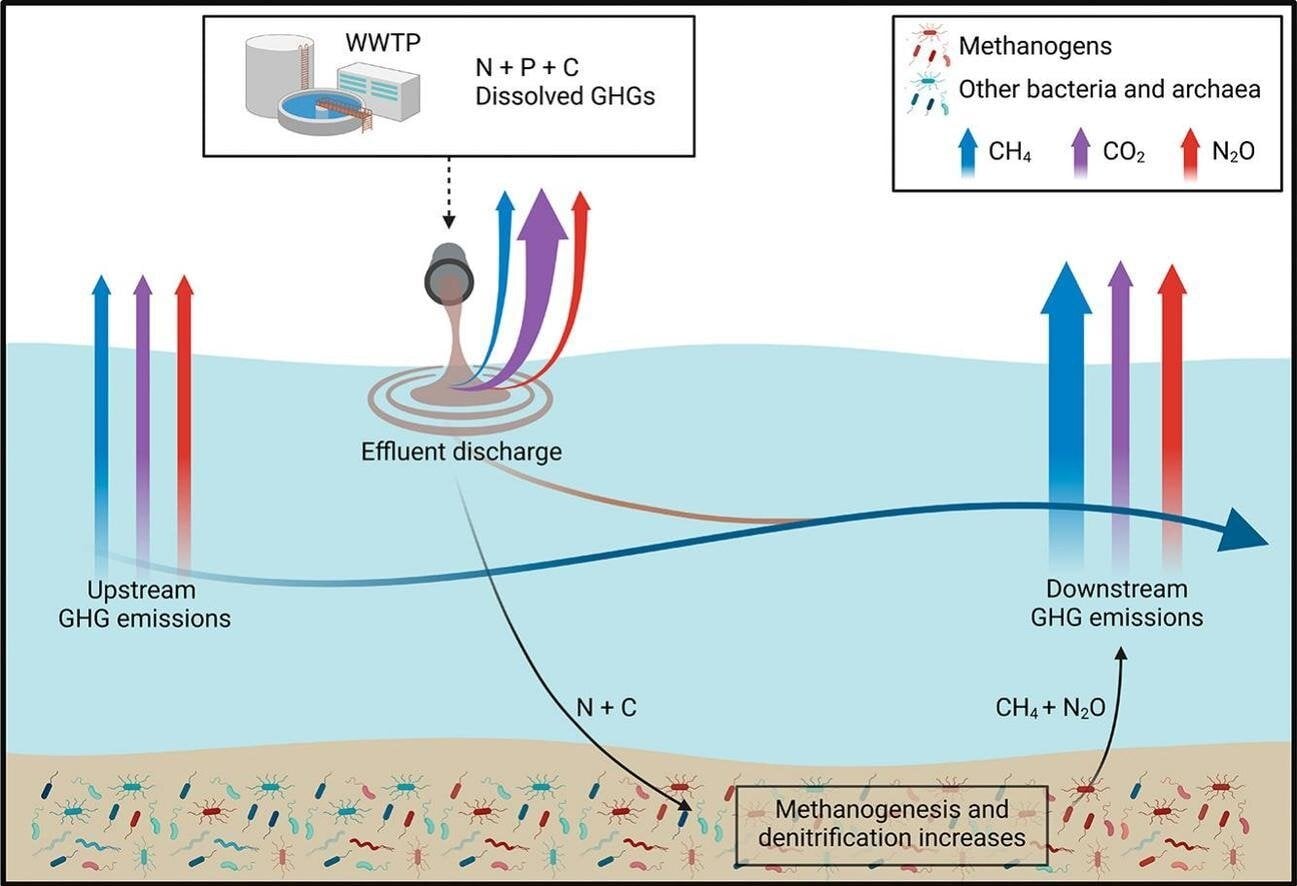
Research by Ida Peterse and Lisanne Hendriks from Radboud University reveals that rivers receiving treated wastewater emit five times more methane than those without such discharge. The study, published in Science of The Total Environment, measured methane emissions along the Linge and Kromme Rijn rivers, finding a significant increase in emissions two kilometers downstream from wastewater treatment plants. The treated water, while meeting Dutch standards, still contains nutrients like nitrogen and phosphate, promoting algae growth and subsequent methane production by microorganisms. This highlights the environmental impact of treated wastewater on riverine methane emissions.
"Study Finds Radium in Mussels Near Wastewater Treatment Plant"

Originally Published 1 year ago — by Phys.org

Featured image for "Study Finds Radium in Mussels Near Wastewater Treatment Plant"
Source: Phys.org

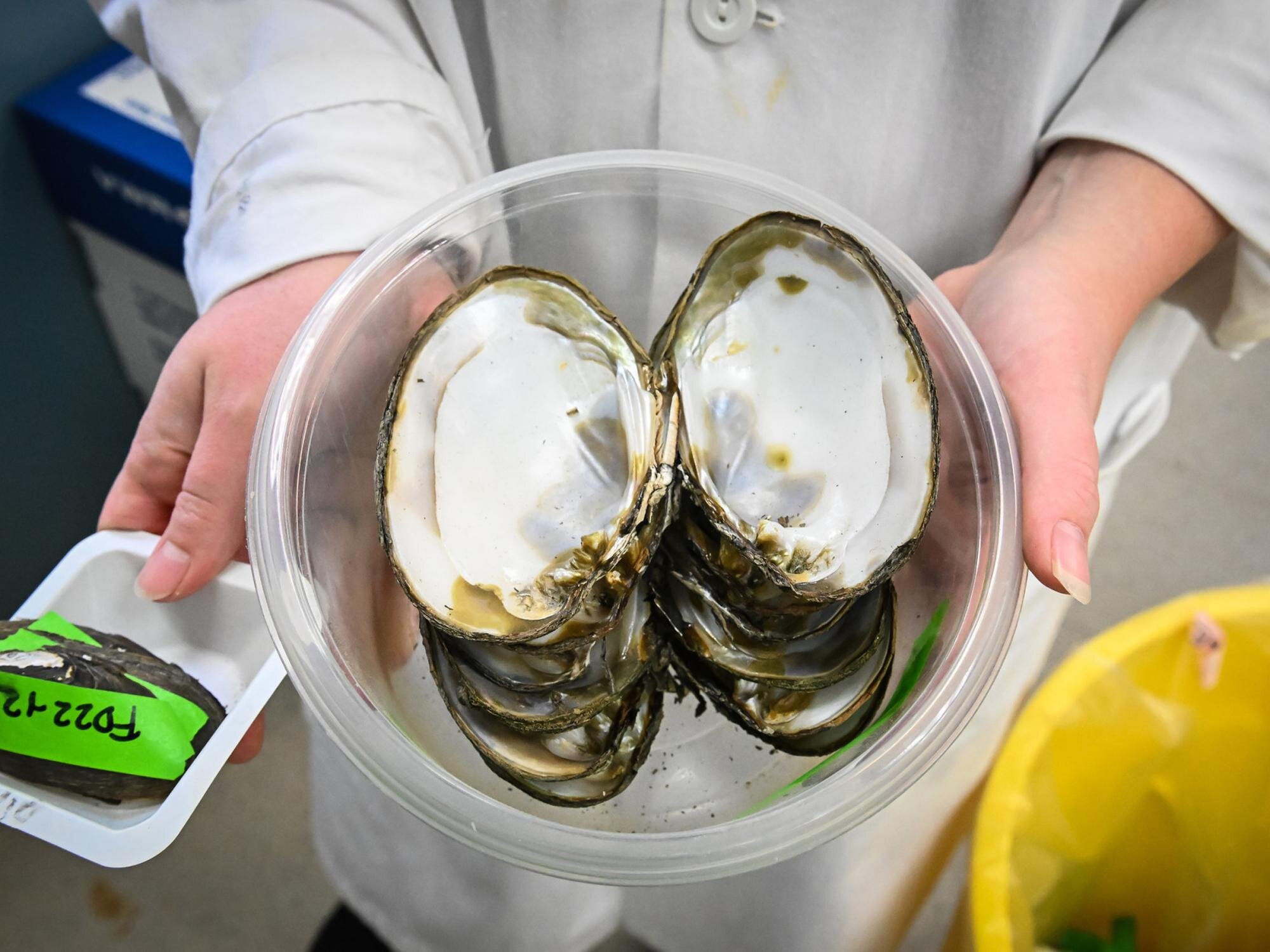
A study by Penn State researchers found that freshwater mussels downstream of a decommissioned wastewater treatment plant in Western Pennsylvania, which had treated fracking wastewater, contained radium in their tissues and shells. The contamination, traced to the Marcellus Shale fracking operations, raises concerns about the ecological impact and potential health risks to other aquatic life and species that consume mussels.

California Embraces Toilet-to-Tap: Recycled Wastewater Now Safe for Drinking

Originally Published 2 years ago — by New York Post

Featured image for California Embraces Toilet-to-Tap: Recycled Wastewater Now Safe for Drinking
Source: New York Post

California has approved new regulations allowing water agencies to recycle treated wastewater and pump it back into households, aiming to address the state's dwindling water supply. The wastewater will undergo three stages of rigorous treatment to ensure its safety, with minerals added back to improve taste. While some consumers have expressed concerns, water experts assure that the treated water will be completely safe for consumption. California, a drought-prone state, is heavily dependent on water from other states, but the new recycling initiative offers a more renewable and reliable supply. Larger cities like San Diego and Silicon Valley/Bay Area will be among the first to transition to this system, with nearly half of San Diego's supply expected to be recycled water by 2035.

California Regulators Approve Recycling Sewage into Drinking Water

Originally Published 2 years ago — by UNILAD

Featured image for California Regulators Approve Recycling Sewage into Drinking Water
Source: UNILAD

California regulators have approved rules for treating sewage and turning it into drinking water, a practice that has been used for decades but never before for direct consumption. The decision comes after years of scientific reviews and in response to the state's recurring droughts. The treated wastewater must meet stringent quality standards, including the removal of pathogens and viruses, before being added back into the drinking water system. While building the necessary treatment facilities is expensive and time-consuming, larger, well-funded cities are expected to lead the way in implementing this water recycling technology.

California on the Verge of Approving Wastewater-to-Drinking Water Regulations

Originally Published 2 years ago — by KABC-TV

Featured image for California on the Verge of Approving Wastewater-to-Drinking Water Regulations
Source: KABC-TV

California regulators are set to vote on new rules that would allow water agencies to recycle wastewater and reintroduce it into the drinking water system. This move comes as the state has struggled with water scarcity and multiple extreme droughts. While California has been using recycled wastewater for various purposes, such as irrigation and making ice, this would be the first time it is directly used for drinking water. The proposed rules require stringent treatment to remove pathogens and viruses, making the recycled water of the same quality, if not better, than regular drinking water. However, building the necessary treatment facilities is expensive and time-consuming, limiting the initial implementation to larger, well-funded cities. Public support and awareness will be crucial for the success of these projects.

Water Fleas: Nature's Solution to Wastewater Pollution

Originally Published 2 years ago — by The Guardian

Featured image for Water Fleas: Nature's Solution to Wastewater Pollution
Source: The Guardian

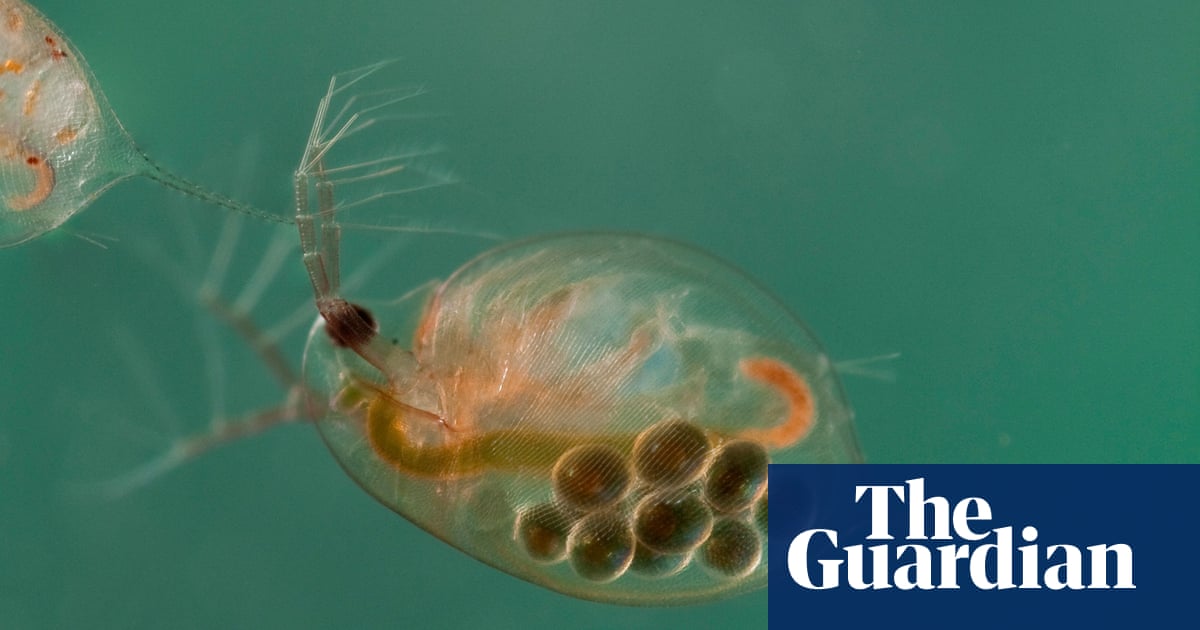
Scientists at the University of Birmingham have discovered that water fleas, specifically members of the genus Daphnia, can effectively filter out drugs, pesticides, and industrial chemicals from wastewater. These tiny crustaceans, which are eco-friendly, low-cost, and scalable, have shown promising results in removing pollutants such as diclofenac, atrazine, arsenic, and PFOS. The researchers selected water fleas from different time periods to find the most effective strains. The fleas were able to remove up to 90% of diclofenac and showed excellent potential for removing PFOS, a chemical that is difficult to eliminate using current methods. This discovery could revolutionize wastewater treatment and provide a sustainable solution for water pollution.

"Revolutionary Hybrid Catalyst: A Game-Changer for Fertilizer Production and Wastewater Treatment"

Originally Published 2 years ago — by Phys.org

Featured image for "Revolutionary Hybrid Catalyst: A Game-Changer for Fertilizer Production and Wastewater Treatment"
Source: Phys.org

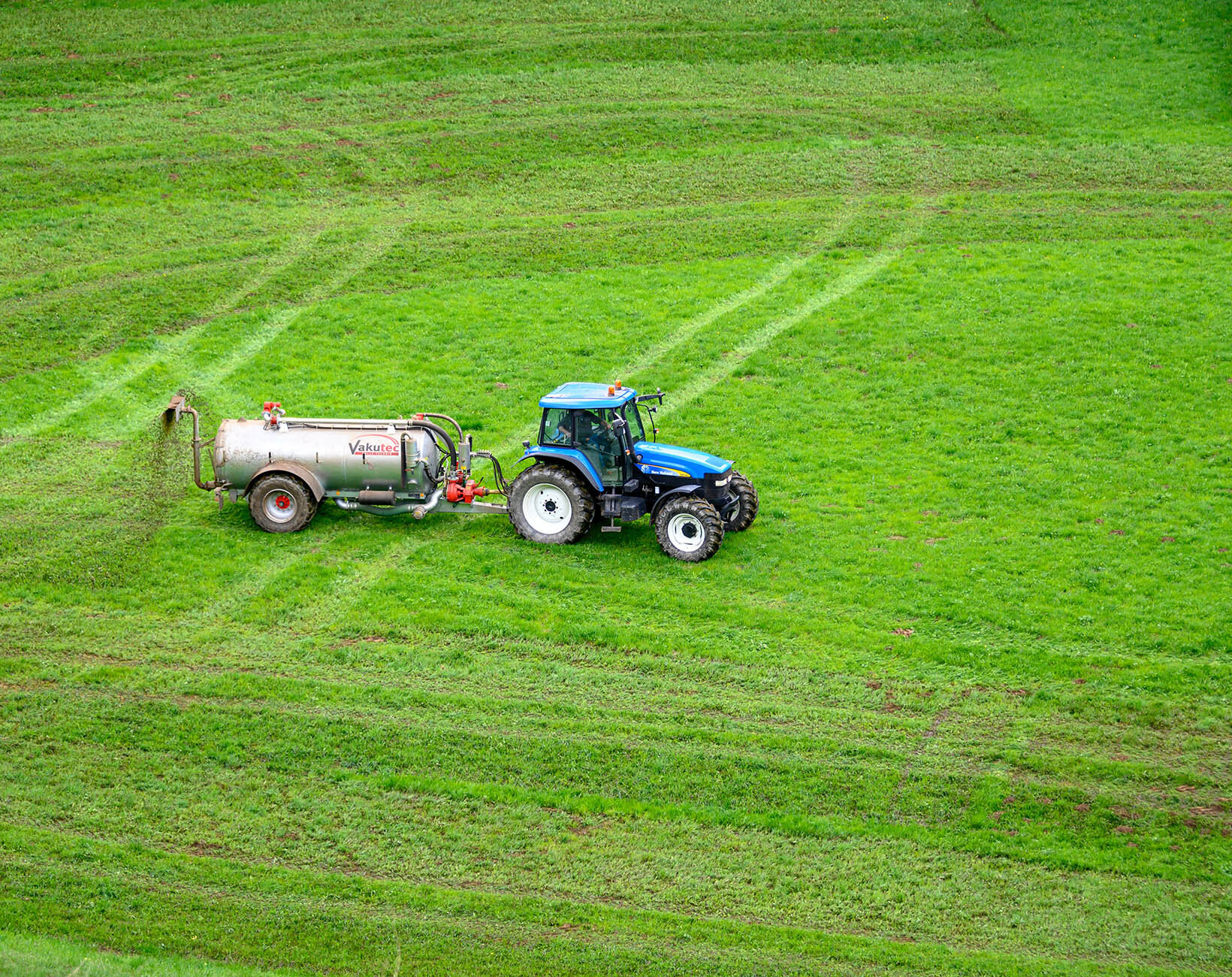
Researchers from Northwestern University and the University of Toronto have developed a hybrid catalyst made of zinc and copper that can produce the fertilizer urea through electrified synthesis. This process not only enables low-carbon-intensity urea production but also denitrifies wastewater, reducing the carbon footprint of water treatment facilities. The researchers conducted a thorough life-cycle analysis and found that renewable energy sources can further decrease energy emissions. Although there are still challenges to overcome before commercialization, this innovative approach has the potential to contribute to decarbonization efforts in the agriculture industry.

"From Waste to Cheers: The Rise of Wastewater Beer"

Originally Published 2 years ago — by The New York Times

Featured image for "From Waste to Cheers: The Rise of Wastewater Beer"
Source: The New York Times

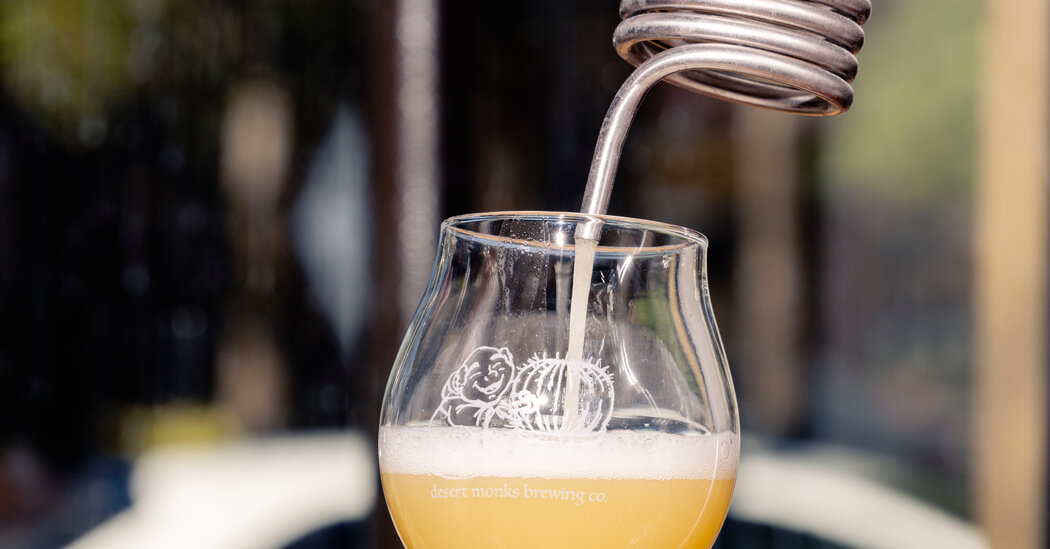
As water sources continue to dry up due to overuse, drought, and climate change, breweries are partnering with wastewater technology companies to create beers made with treated wastewater. The goal is to promote the wider acceptance of direct potable reuse, the use of treated wastewater in the drinking water supply. By serving recycled wastewater in the form of beer, breweries hope to overcome the "ick factor" associated with drinking treated wastewater. Some cities in the western United States, such as Scottsdale, Arizona, have held competitions for craft breweries to produce signature beers using recycled wastewater to raise awareness of the need for water reuse. Efforts to promote recycled drinking water have faced perception challenges, but research has shown that recycled wastewater is safe to drink and often cleaner than other tap water sources.

Ohio train derailment wastewater to be treated at Maryland plant despite concerns.

Originally Published 2 years ago — by WBAL TV Baltimore

Featured image for Ohio train derailment wastewater to be treated at Maryland plant despite concerns.
Source: WBAL TV Baltimore

Wastewater collected from the Ohio train derailment site could be treated in Maryland's Back River Waste Water Treatment Plant. Baltimore City and Baltimore County officials have concerns about the waste from the derailment site coming to Maryland facilities and being discharged into the city's system. A company will pre-treat the wastewater before it arrives in Maryland, and additional testing will be performed before any discharging of treated wastewater into the public wastewater collection system is authorized. Baltimore is one of multiple locations nationwide that could receive the wastewater.