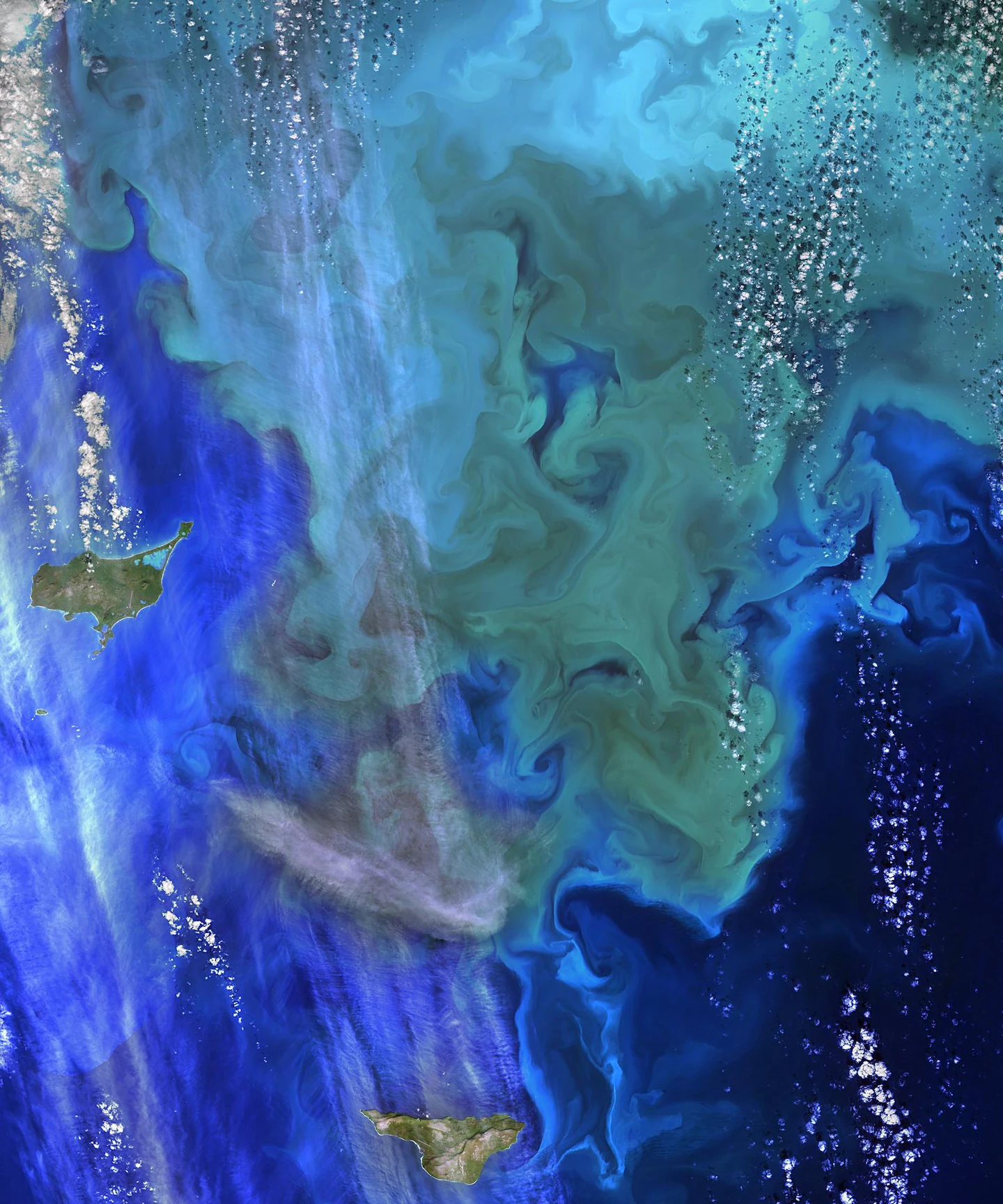
Plankton, the tiny invertebrates crucial to ocean ecosystems, are at risk due to rapidly warming oceans, as highlighted by recent studies. Their decline could endanger a wide range of marine life, from small fish to large whales, if human-induced climate change is not addressed.
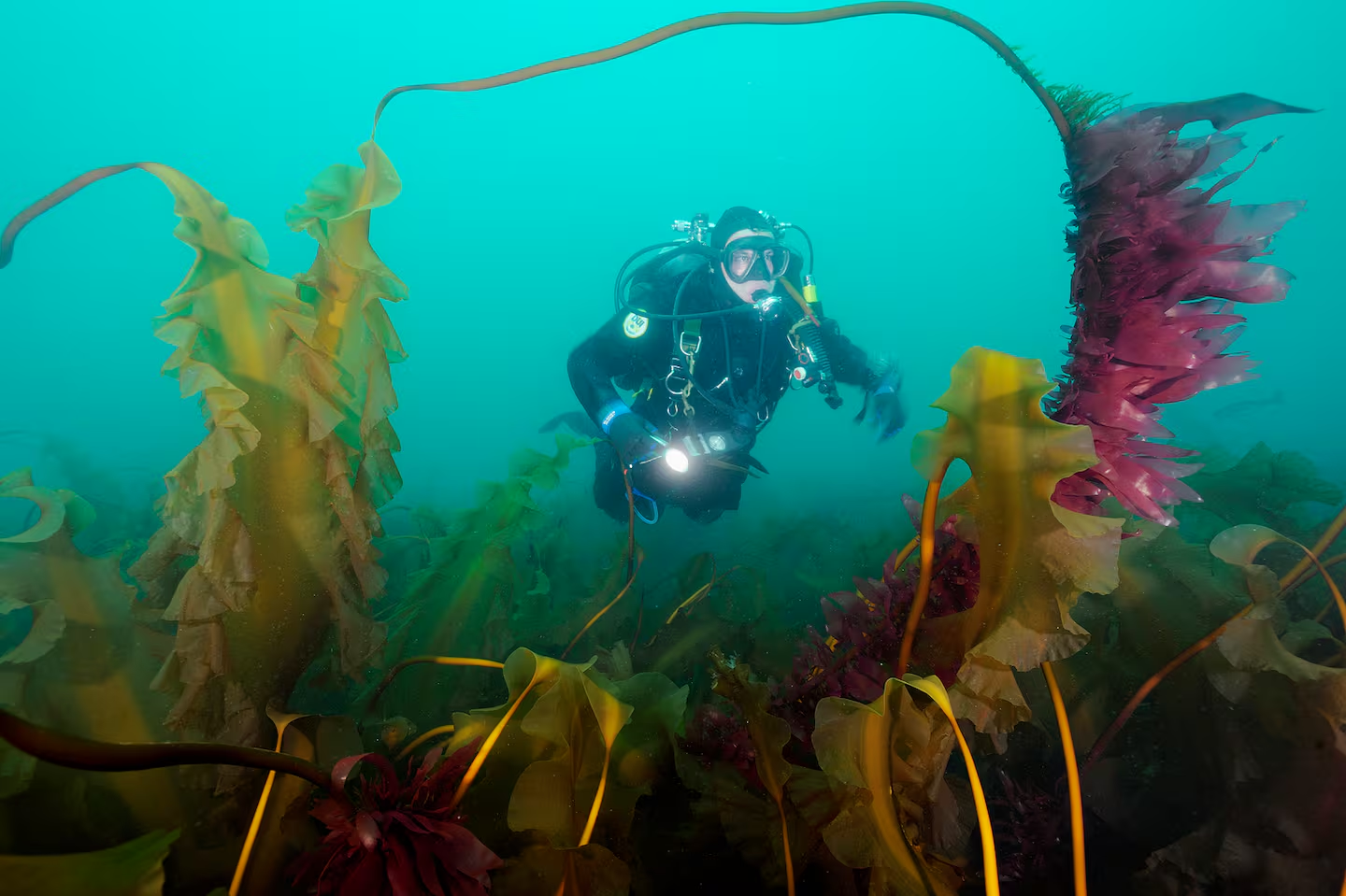
Kelp forests in the Gulf of Maine, crucial for marine life and the lobster industry, are declining due to warming ocean temperatures. While northern areas remain somewhat resilient, southern regions have reached a tipping point, with kelp being replaced by red algae. The warming is driven by climate change, altering ocean currents and impacting the entire ecosystem. Scientists warn that this decline signals broader ecological shifts, with potential long-term consequences for marine biodiversity and fisheries.
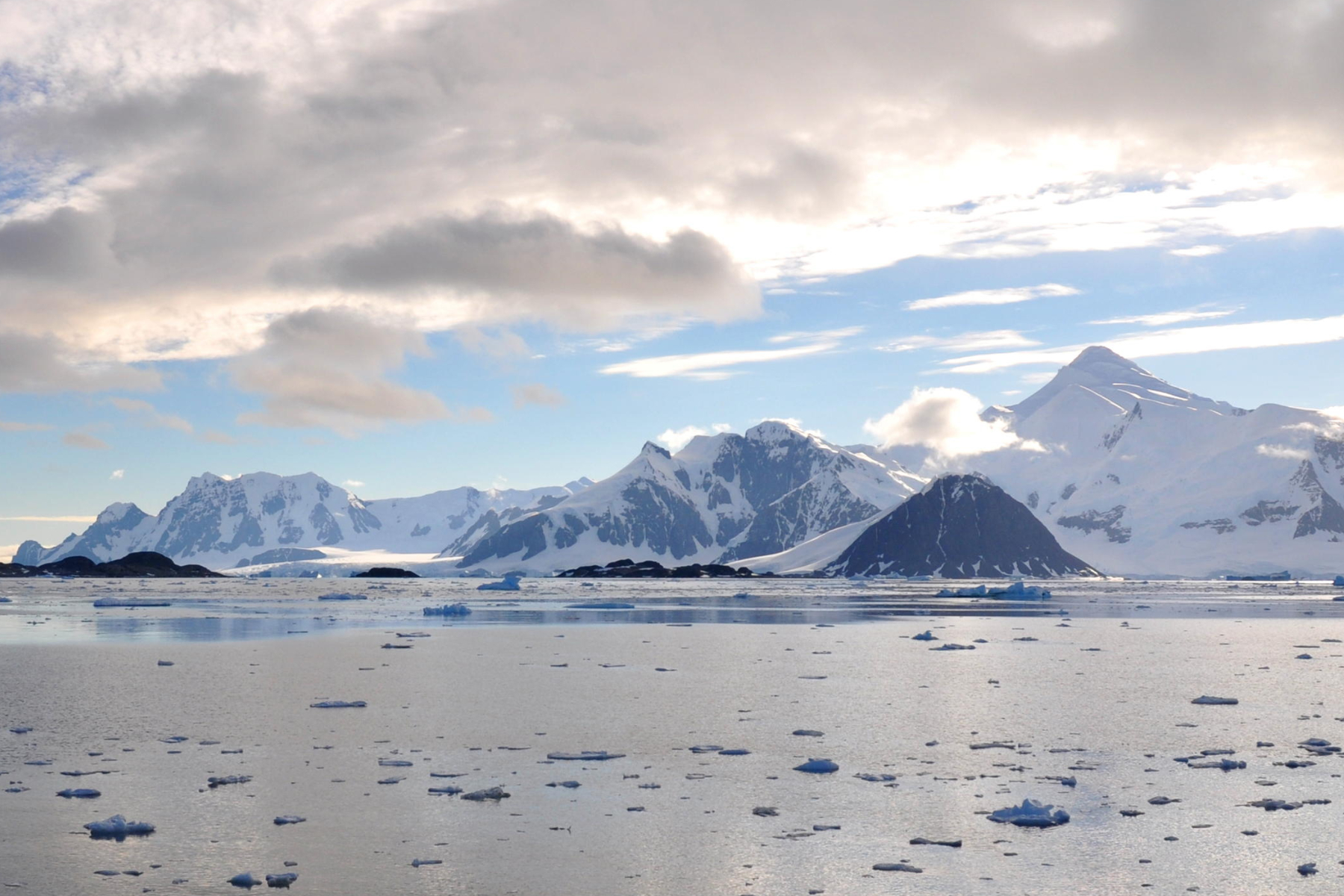
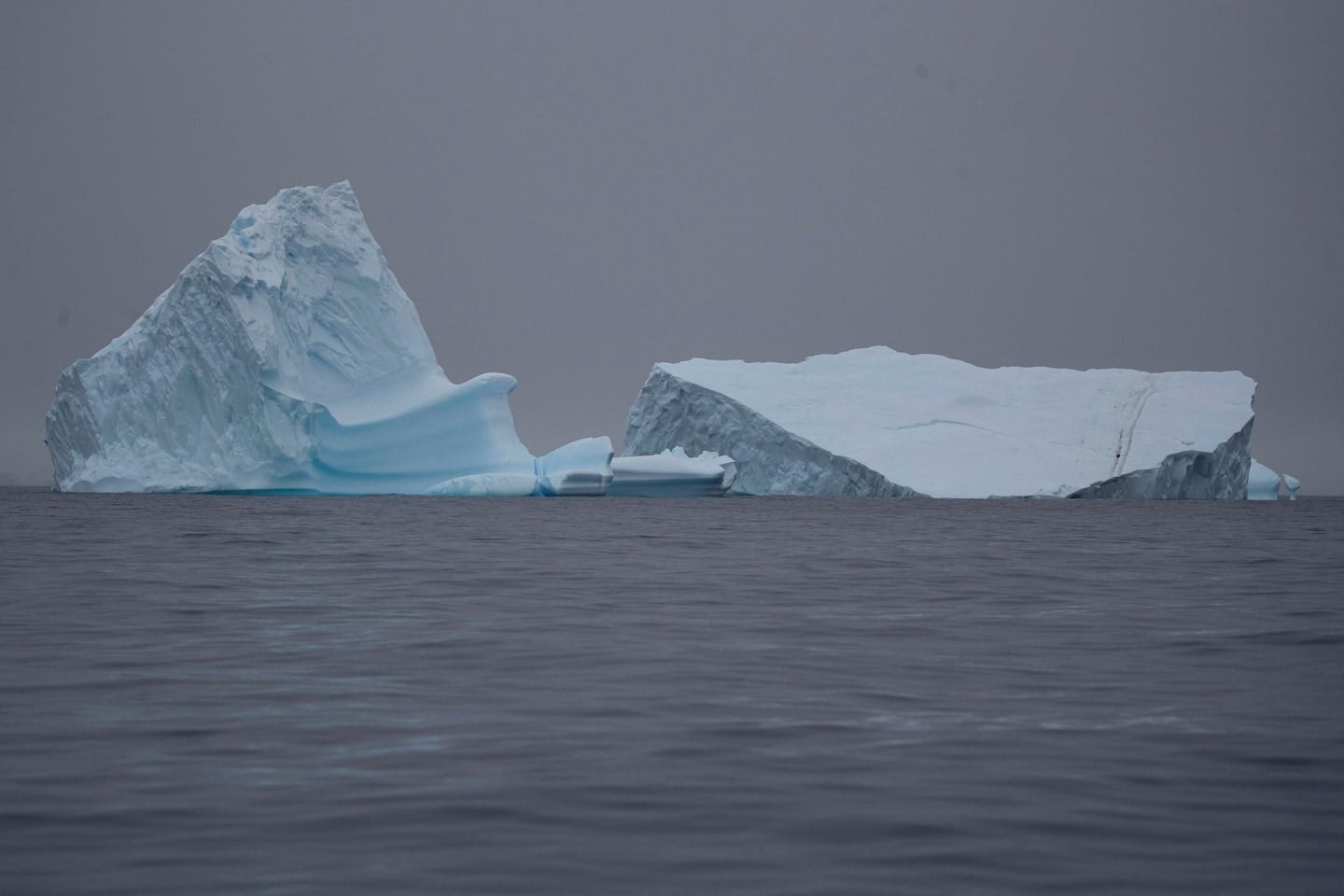
The Cadman Glacier in Antarctica has experienced a significant increase in melting speed, nearly doubling its retreat between 2018 and 2019 after decades of little change. Researchers found that warming oceans were the main driver behind the accelerated melting, with a positive temperature anomaly allowing warm water to reach the glacier. The retreat of glaciers in the western Antarctic Peninsula, including the Cadman Glacier, is destabilizing the Antarctic Ice Sheet, contributing to potential future sea level rise. While the Cadman Glacier alone won't have a significant impact on sea level rise, it serves as an indicator of the larger decay of the Antarctic ice sheet due to rising water temperatures.
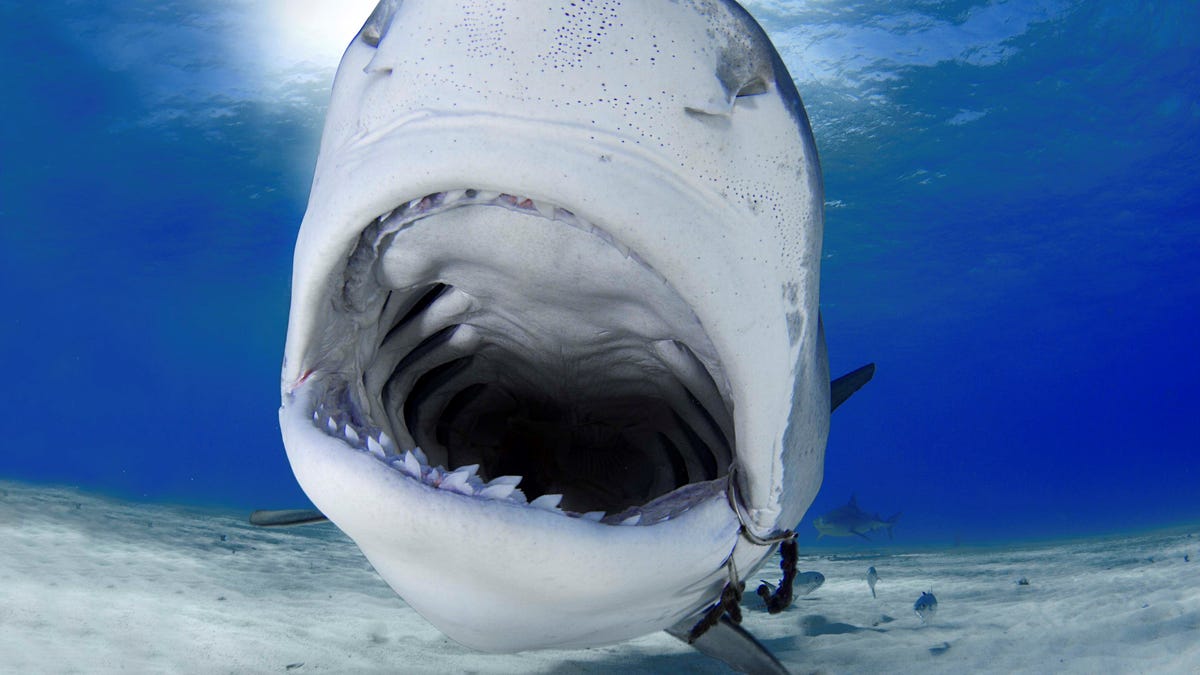
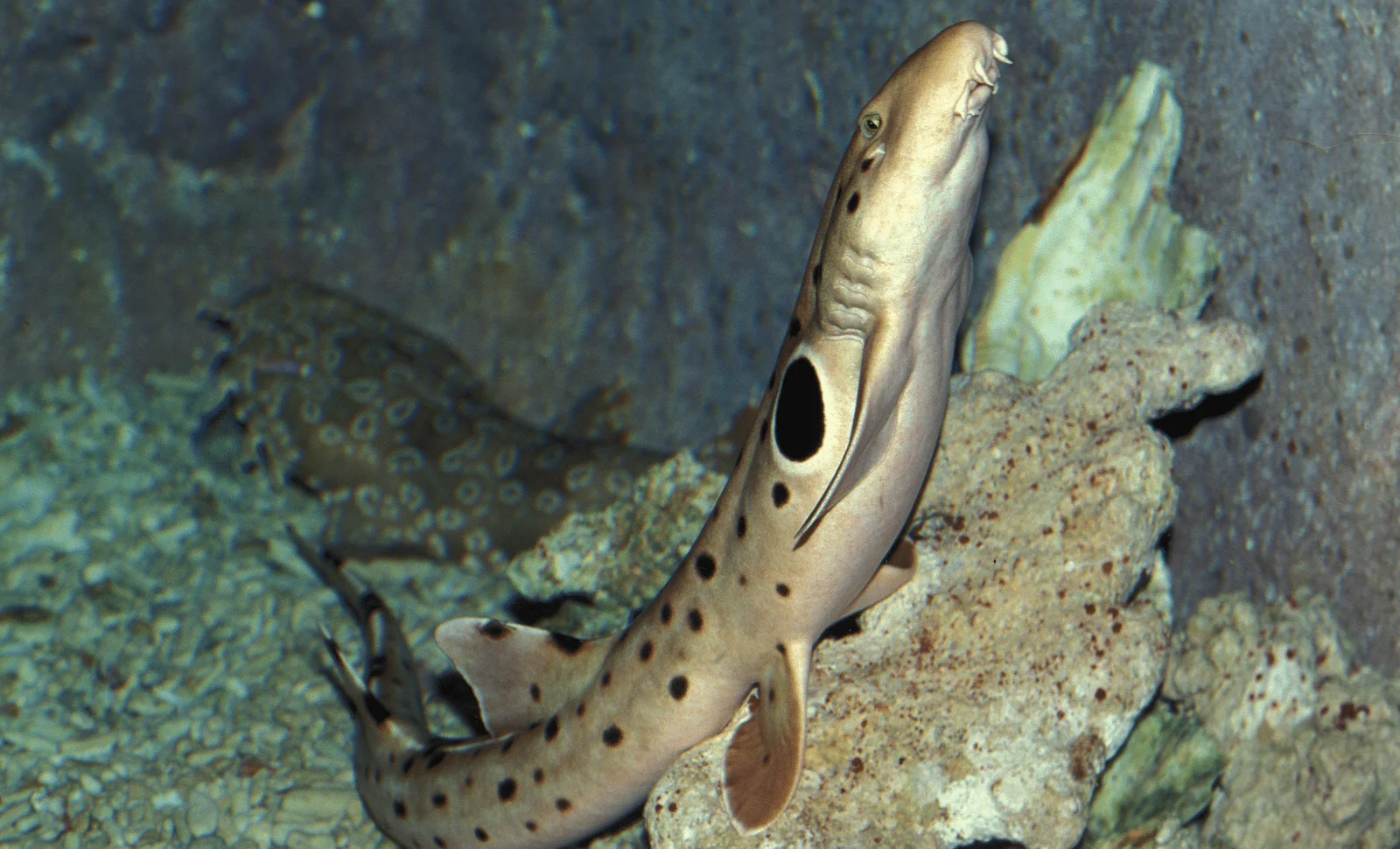
Two international studies have highlighted the increasing dangers that sharks face from warming oceans. The first study revealed that large sharks and other predators make more deep dives into the ocean than previously understood, raising concerns about the impact of climate change and mining on ocean ecosystems. The second study focused on smalltooth sand tiger sharks and found that they may be at greater risk from warming seas due to their ability to keep certain areas of their bodies warmer than the surrounding ocean. Both studies emphasize the need for better global and regional management to protect ocean ecosystems and the fishing industry.
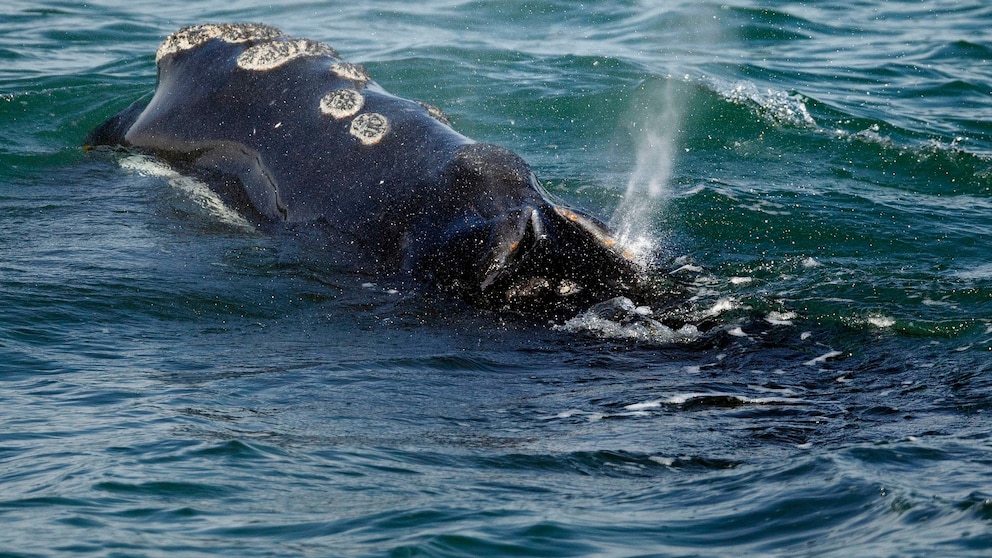
The decline of North Atlantic right whales, one of the rarest whale species, appears to be slowing, with the population leveling off at around 356 whales. However, the whales still face existential threats from warming oceans, ship collisions, and entanglement in fishing gear. While a strong birthing year in 2021 provided some hope, the high mortality rate from collisions and entanglement remains unsustainable. Warming oceans have forced the whales to search for food outside protected areas, making them vulnerable to these threats. Conservationists are calling for new rules to protect the whales, while federal authorities are working on proposed vessel speed and fishing regulations.
Sea ice levels around Antarctica have reached a record low, raising concerns about a long-term decline due to climate change. The National Snow and Ice Data Center (NSIDC) reported that Antarctic sea ice hit an all-time low at the end of summer, and growth remained slow through winter. The annual maximum coverage reached on September 10 was 398,000 square miles lower than the previous record low set in 1986. Declining sea ice in Antarctica could have significant consequences, including increased warming of waters, destabilization of ice and glaciers, and coastal vulnerability. This trend mirrors the ongoing decline in Arctic sea ice, indicating that both polar regions are experiencing the effects of climate change.
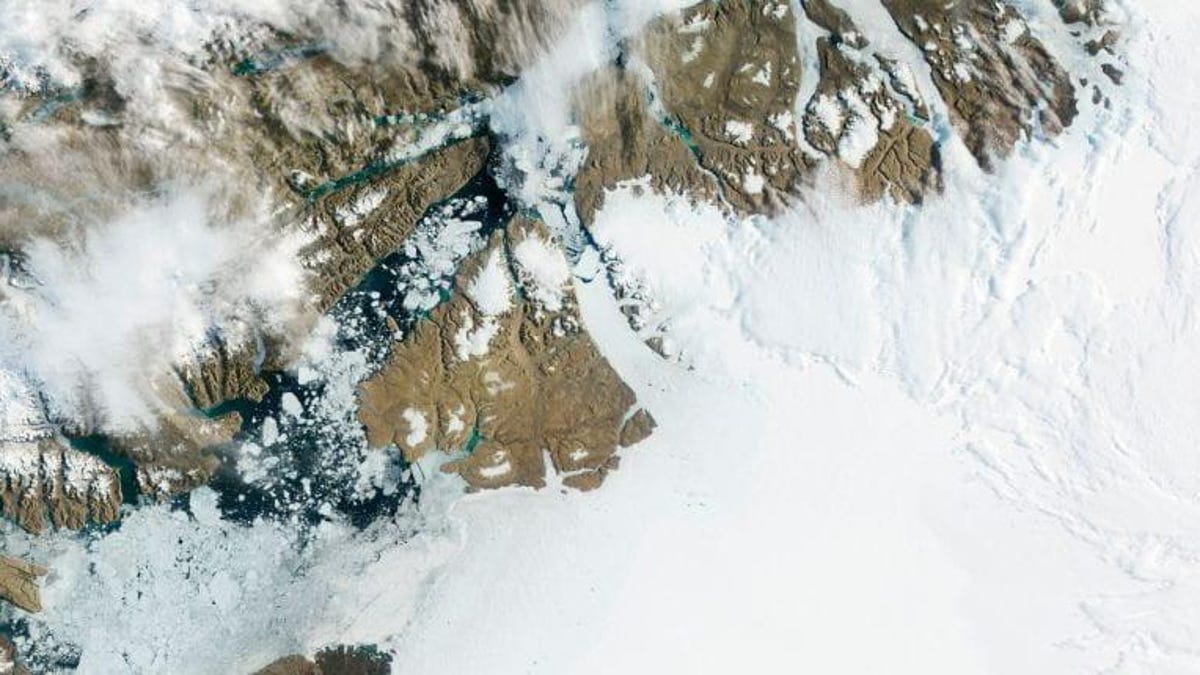
The Petermann Glacier in Northwest Greenland is melting faster than previously thought due to interactions with warming ocean tides, causing it to retreat faster than observed. The glacier's grounding line has retreated up to 3.7 kilometers in some areas, and the warmer tides have melted a large cavity in the underside of the glacier. If these ocean interactions continue, it could mean faster sea level rise from melting glaciers than previously thought, and current global warming models may need to be adjusted. The process could create a cycle where warming oceans melt glaciers, causing sea levels to rise, leading to more contact between glaciers and the ocean, and more glacial melting.