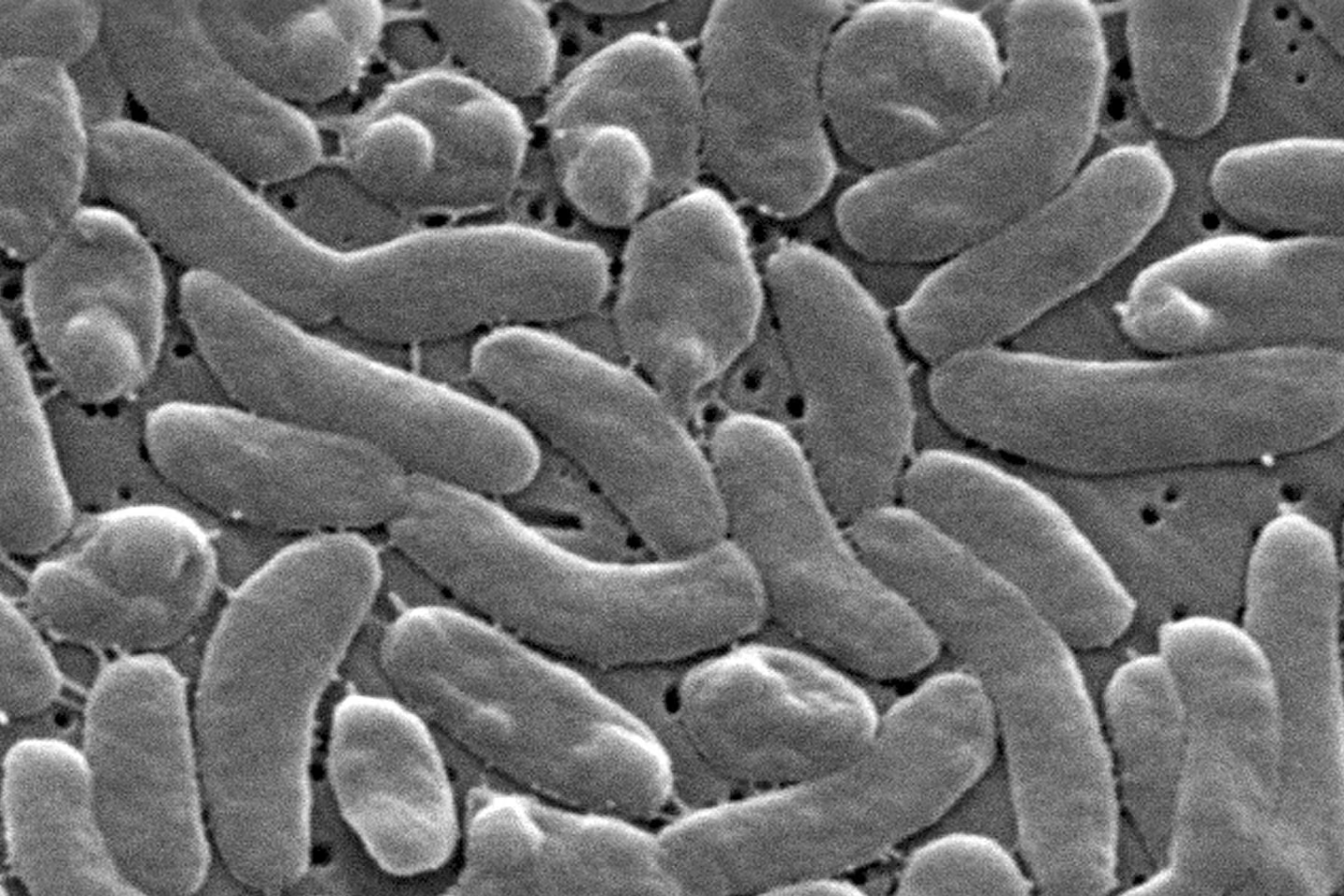
A swimmer in Cape Cod contracted a flesh-eating bacterial infection caused by Vibrio vulnificus, a bacteria that thrives in warm water, highlighting concerns about climate change's impact on the spread of such pathogens.
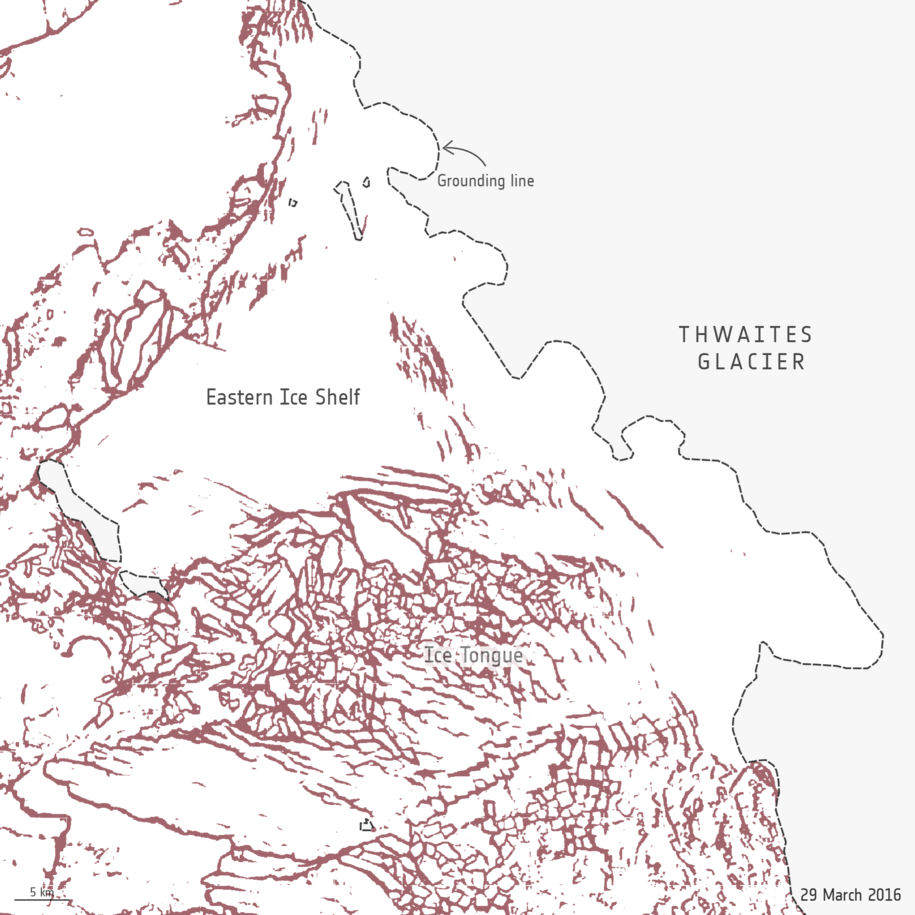
The Thwaites Glacier is experiencing accelerated melting as warm water reaches miles inland past its grounding line, contributing to significant ice loss.
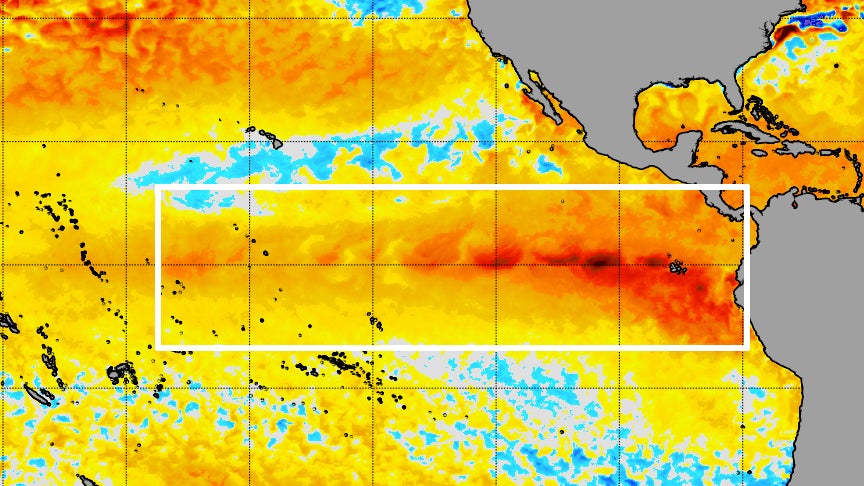
El Niño, a climate phenomenon characterized by periodic warming of the equatorial central and eastern Pacific Ocean, got its name from South American fishermen who noticed the irregular warming of the Pacific waters in the 1600s. They called it El Niño de Navidad, meaning "The Christmas Child," as its strength usually peaks in winter. El Niño's warm signature is tracked using various data sources such as buoys, satellites, and computer models. The warm water associated with El Niño comes from beneath the ocean's surface. The current El Niño was fueled by warmer than average water pooling below the Pacific Ocean's surface and eventually rose up to warm the ocean's surface waters.
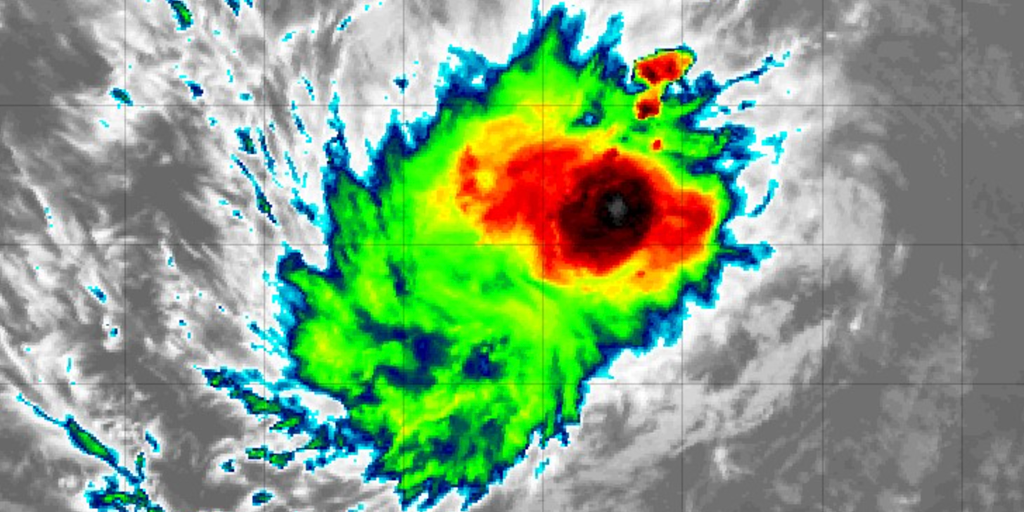
Tropical Storm Cindy has formed in the central Atlantic, becoming the second tropical cyclone to form east of the Lesser Antilles in the tropical Atlantic during June. The storm is moving west-northwest and is expected to remain east of the northern Leeward Islands through the weekend before passing north of the Virgin Islands and Puerto Rico early next week. The warm waters in the eastern Atlantic have caused unprecedented early tropical cyclone formation this year, with the Atlantic off to a very fast start for the 2023 hurricane season.
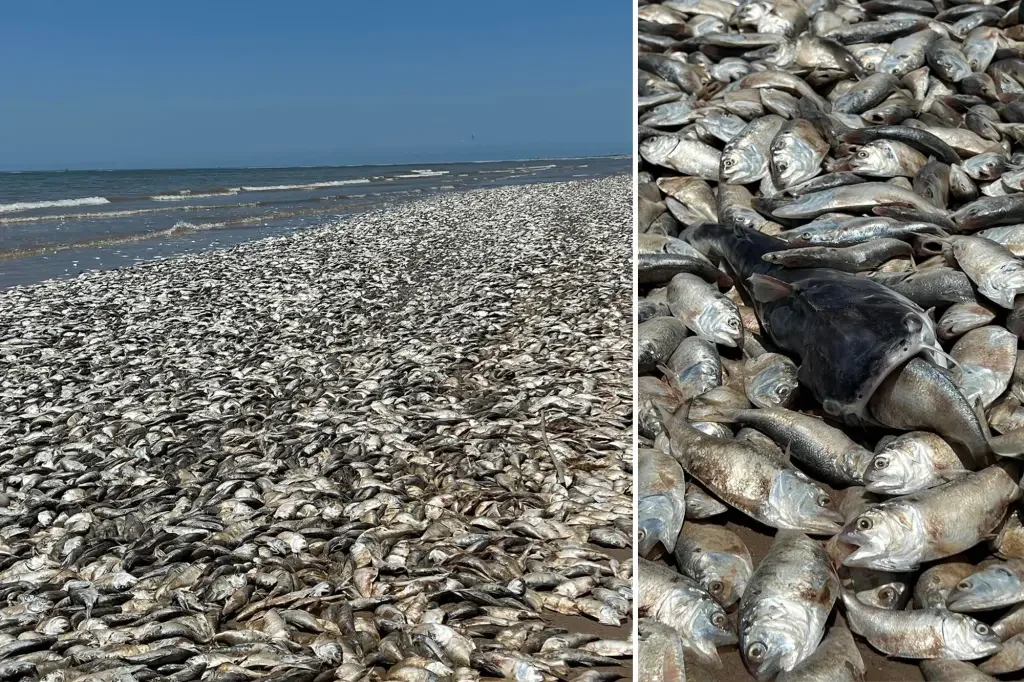
Thousands of Menhaden fish washed up on a Texas gulf coast beach due to a low dissolved oxygen event caused by warm water, which cannot hold as much oxygen as cold water. Fish kills like this are common in the summer when temperatures increase. Recent conditions of cloudy skies and calm seas created a “perfect storm to deplete the oxygen.” Most of the fish had been removed from the beach by Sunday, and any dead fish left behind will likely be naturally buried in the sand and ocean over the coming days.