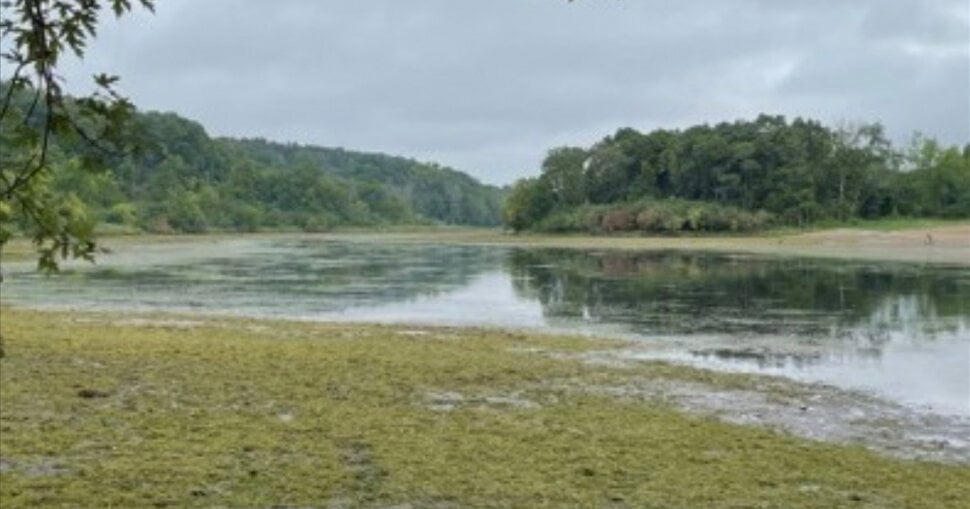
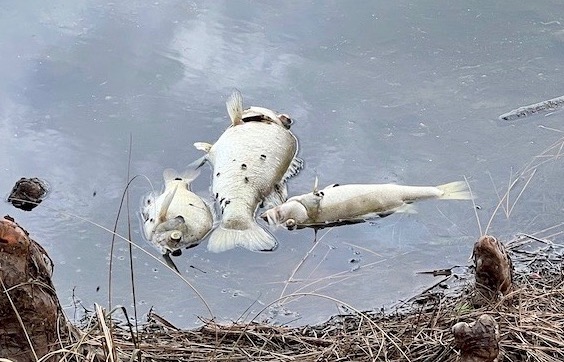
Alice Lake in Minnesota was drained after a valve malfunction caused it to empty, resulting in the death of nearly all its fish and leaving only a stream, with water levels expected to take at least a month to restore.
Heavy rain and a subsequent change in water temperature caused a fish kill at a pond in The Villages, with vultures quickly arriving to feast on the dead fish. District Property Management confirmed there is no threat to residents.
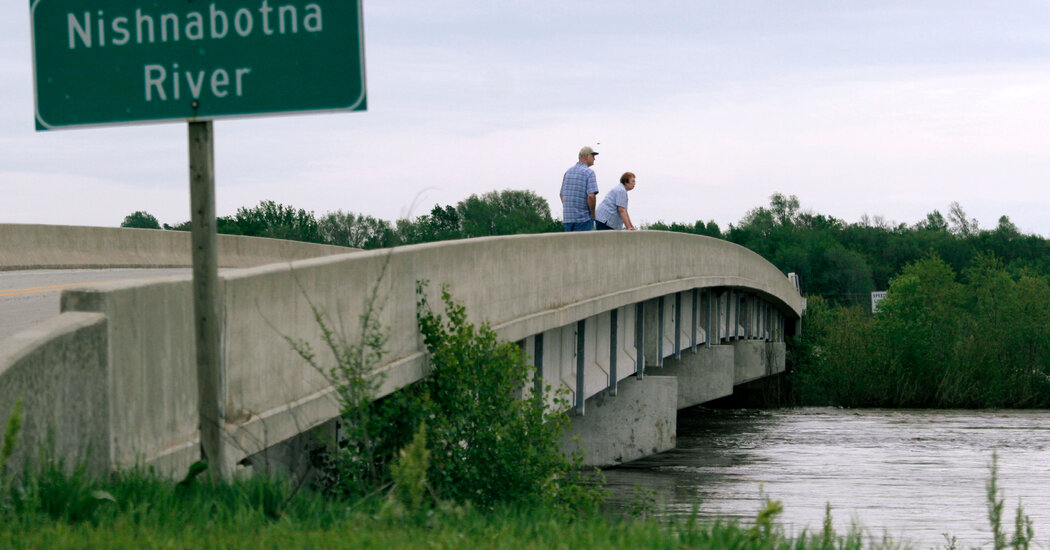
A fertilizer spill in Iowa led to the death of an estimated 789,000 fish across a 60-mile stretch of rivers in Iowa and Missouri, causing one of the region’s most ecologically devastating chemical spills in recent years. The spill occurred when a valve was left open on a storage tank at an agricultural business, resulting in 265,000 gallons of liquid nitrogen fertilizer spilling into the rivers. The majority of the fish that died were small species, but larger fish, including catfish and carp, were also affected.
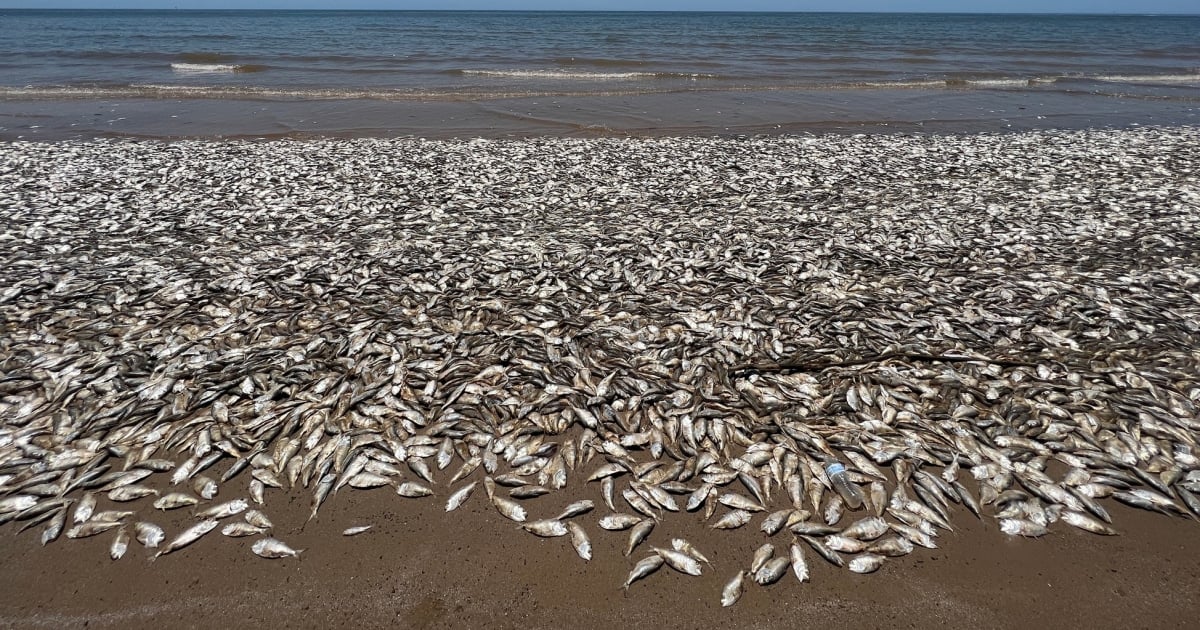
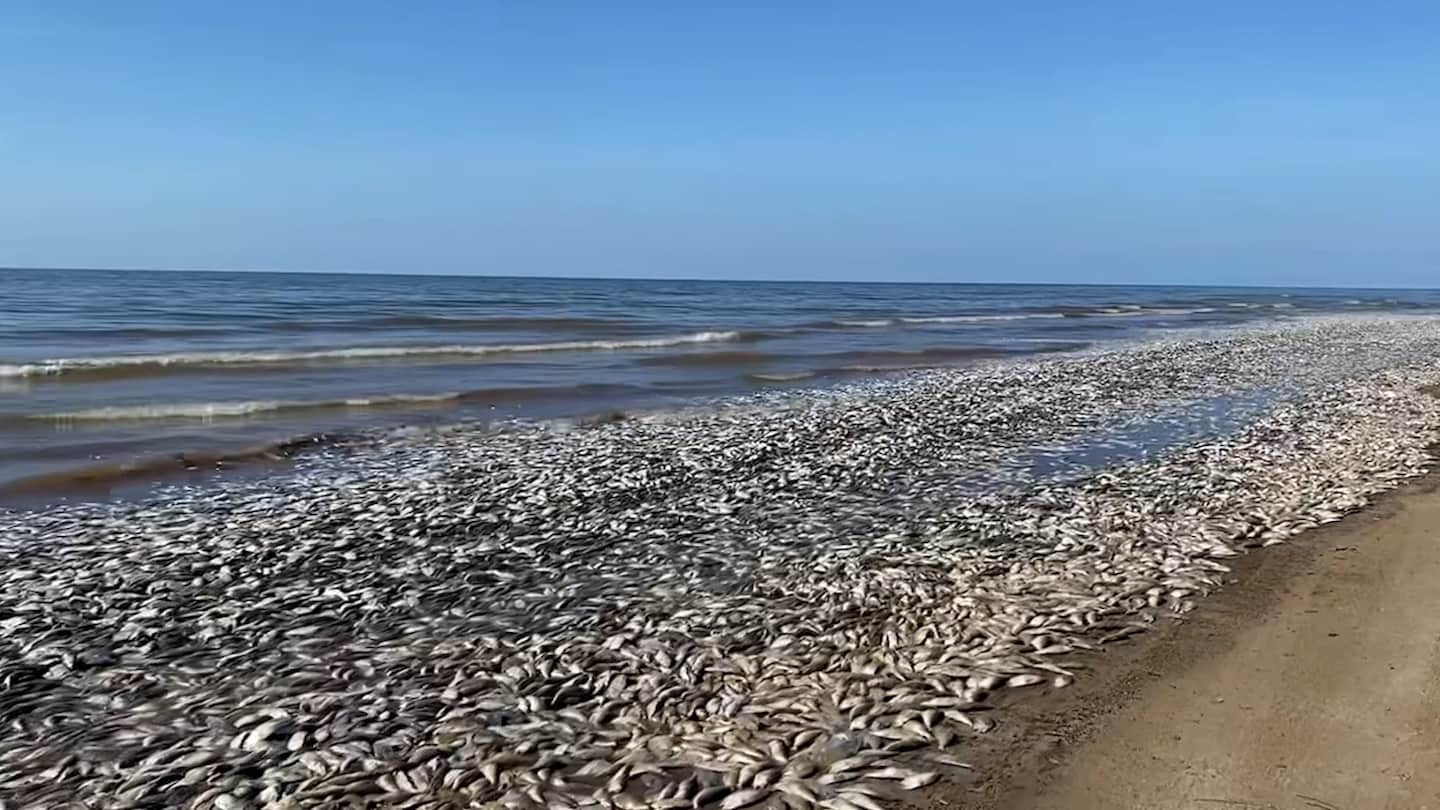
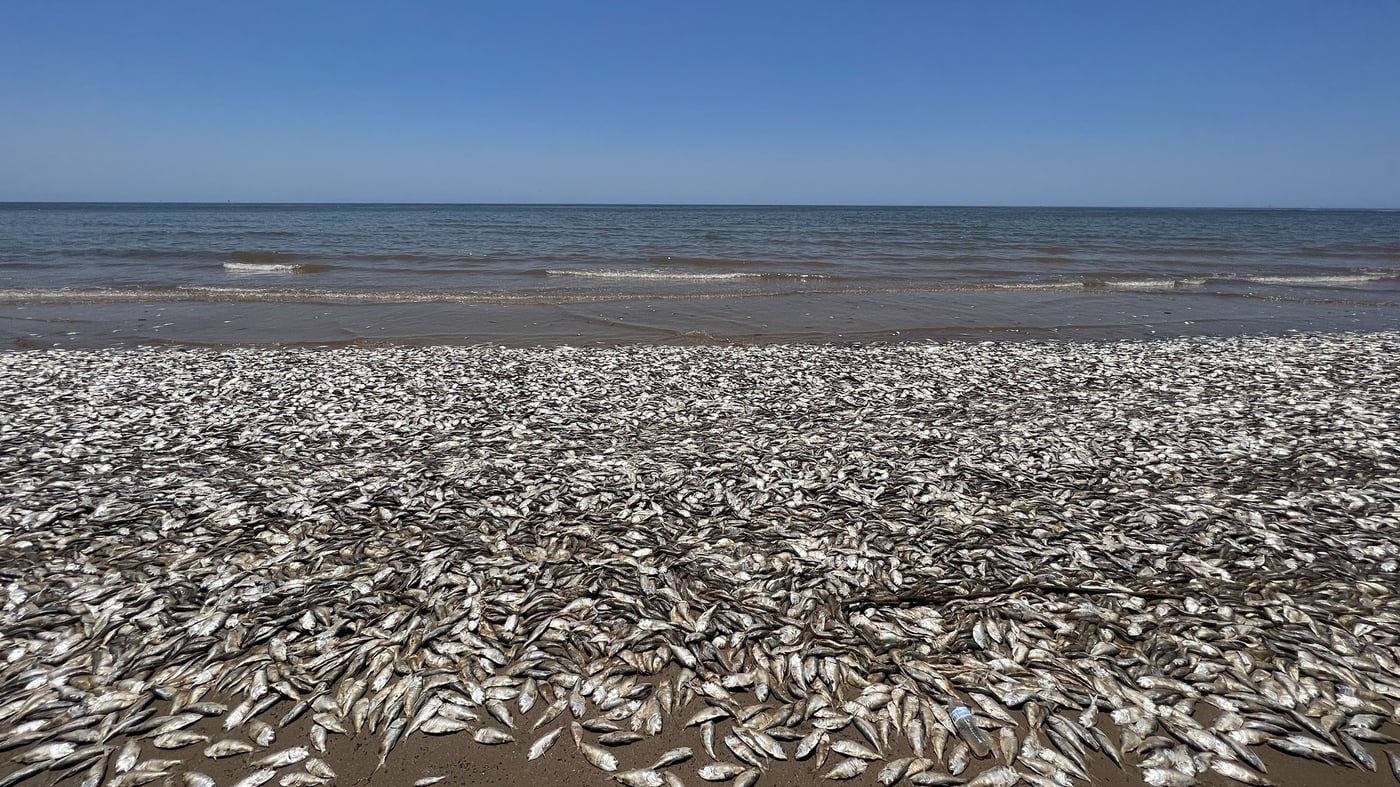
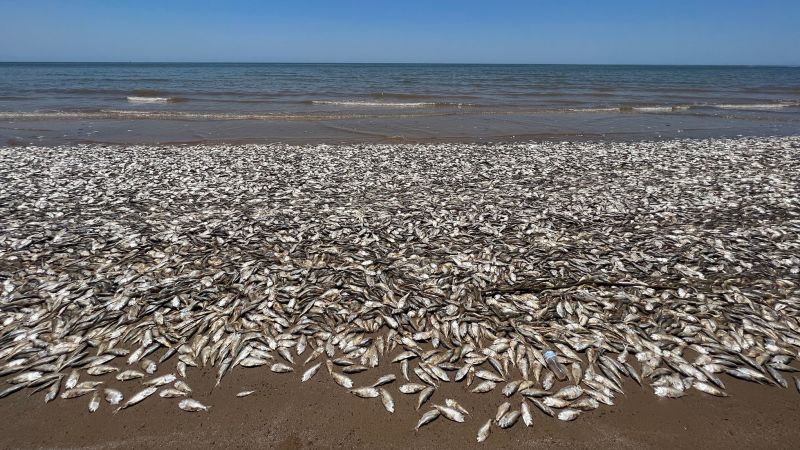
Thousands of dead Gulf menhaden fish washed up on a Texas beach due to low dissolved oxygen in the water, a common occurrence in the summer. Officials urged beachgoers to avoid the coast due to high bacterial levels and sharp fins of the dead fish. Clean up efforts have been completed, but visitors are advised to wait a couple of days before heading to the beach. Water samples taken from the Gulf Intracoastal Canal and the Brazos River, which feed into the coast, were found to have almost no dissolved oxygen in them. There was no evidence of a chemical spill causing the mass fish kill event.
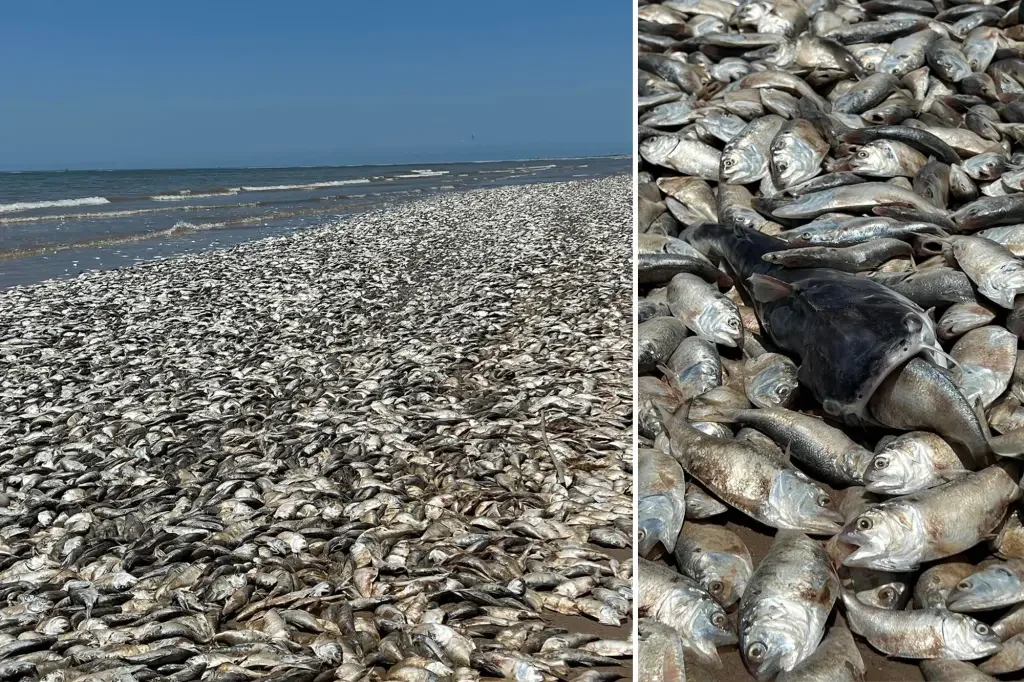
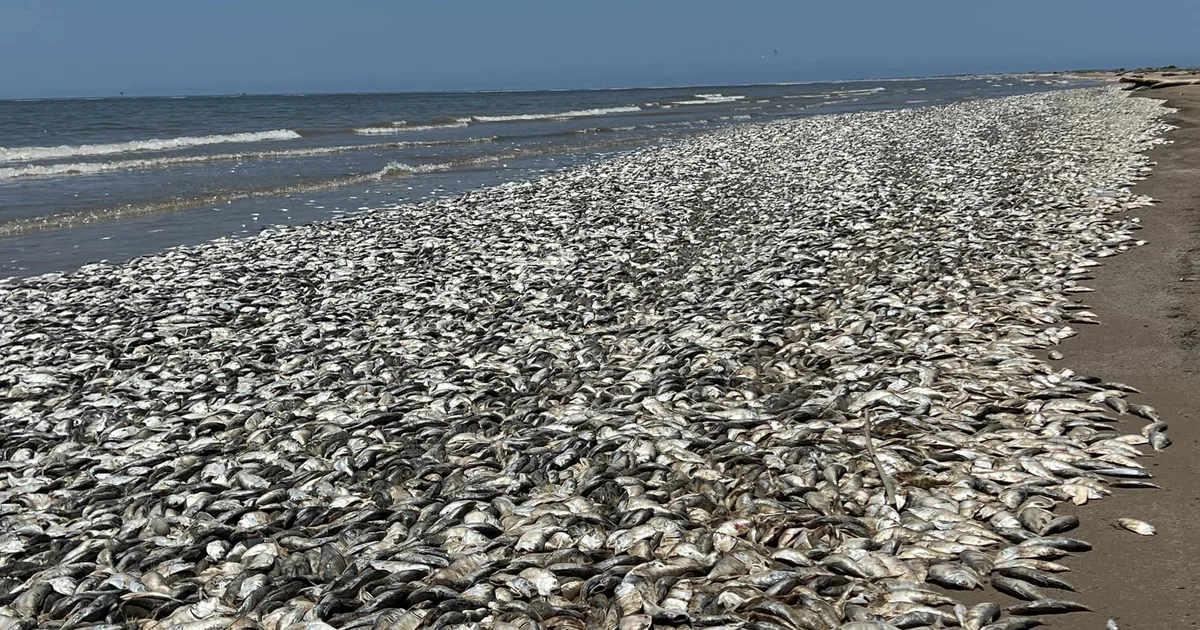
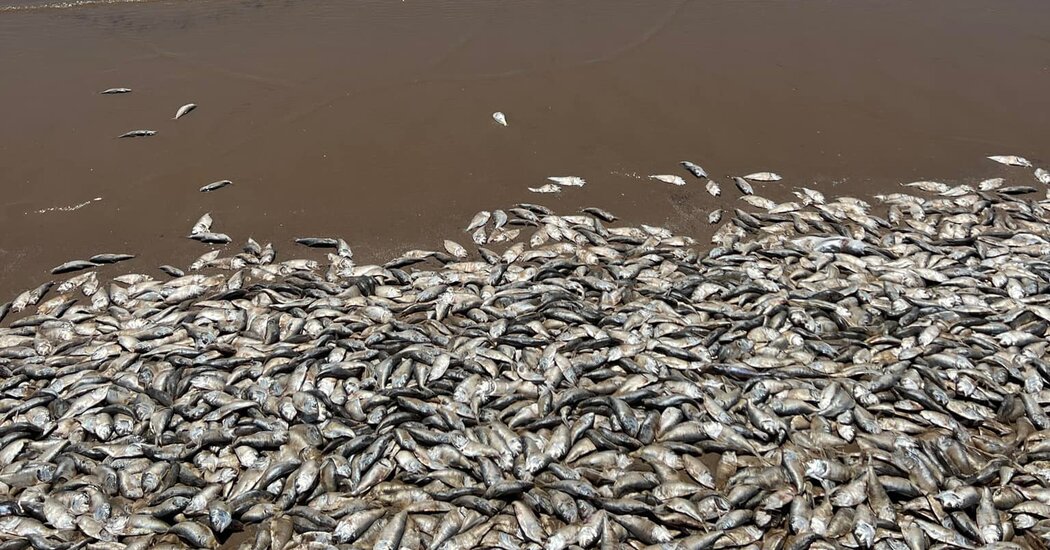
Tens of thousands of dead fish washed up on the Gulf coast of Texas over the weekend, covering the shoreline with rotting carcasses and leading local officials to warn visitors to keep away. Low levels of dissolved oxygen in the water made it difficult for the fish to breathe, Texas parks and wildlife department officials said. The phenomenon – known as a “fish kill” – is common as temperatures rise in the summer, the state department said. Gulf menhaden, which fishers commonly use for bait, was the species most affected in the kill, parks and wildlife officials said.
Tens of thousands of dead fish, including menhaden, sharks, trout, bass, catfish, and stingrays, washed up on a seven-mile stretch of Texas's Gulf Coast due to low oxygen levels caused by a combination of warm water, calm seas, and cloudy conditions. While fish-kill events happen almost every summer in Texas, this was one of the largest. Climate change may be lowering oxygen levels in water and causing sea creatures to leave their habitats worldwide. Cleaning crews are burying the dead fish under dunes, and officials are advising visitors to avoid the water while the fish are cleared.
Thousands of dead fish, mostly Gulf menhaden, washed up on the shores of southeast Texas due to a "low dissolved oxygen event" caused by a combination of warm water, calm seas, and cloudy skies. While fish kills are common in the summer, rising ocean temperatures due to climate change are a concern. Gulf menhaden serve as a food source for over 32 predators and filter feeders, and their massive die-off could provide a nutrient pulse to the environment. However, disruptions to the ecosystem and fishing industry are also possible.
Thousands of Menhaden fish washed up on a Texas gulf coast beach due to a low dissolved oxygen event caused by warm water, which cannot hold as much oxygen as cold water. Fish kills like this are common in the summer when temperatures increase. Recent conditions of cloudy skies and calm seas created a “perfect storm to deplete the oxygen.” Most of the fish had been removed from the beach by Sunday, and any dead fish left behind will likely be naturally buried in the sand and ocean over the coming days.
Thousands of dead fish, mostly Gulf menhaden, washed up on the Texas Gulf Coast due to a low dissolved oxygen event, according to Quintana Beach County Park. Water samples showed almost no dissolved oxygen, and officials warned of high bacterial levels and potential danger from the fish's sharp fins. Fish kills like this are common in the summer when temperatures increase, and if there isn't enough oxygen in the water, fish can't breathe.
Tens of thousands of fish have washed ashore on the Gulf Coast of Texas due to a "perfect storm" of bad conditions, including high temperatures, which starved the fish of oxygen. The warming of Gulf Coast waters through climate change could have contributed to the fish kill. The dead fish, mostly Gulf menhaden, play a critical role in the local ecosystem, and their loss could have significant environmental impacts. Local water conditions are expected to improve as ocean waves add oxygen back into the water and as fish swim away from areas with low oxygen.
Thousands of dead fish, mostly Gulf menhaden, have washed up on the Texas Gulf Coast due to a "low dissolved oxygen event" caused by warmer sea waters. Fish kills like this are common in the summer when temperatures increase, according to Texas Parks and Wildlife’s Kills and Spills Team Region 3. Visitors are advised to avoid the beach until the event is over, as dead fish can pose a health risk.
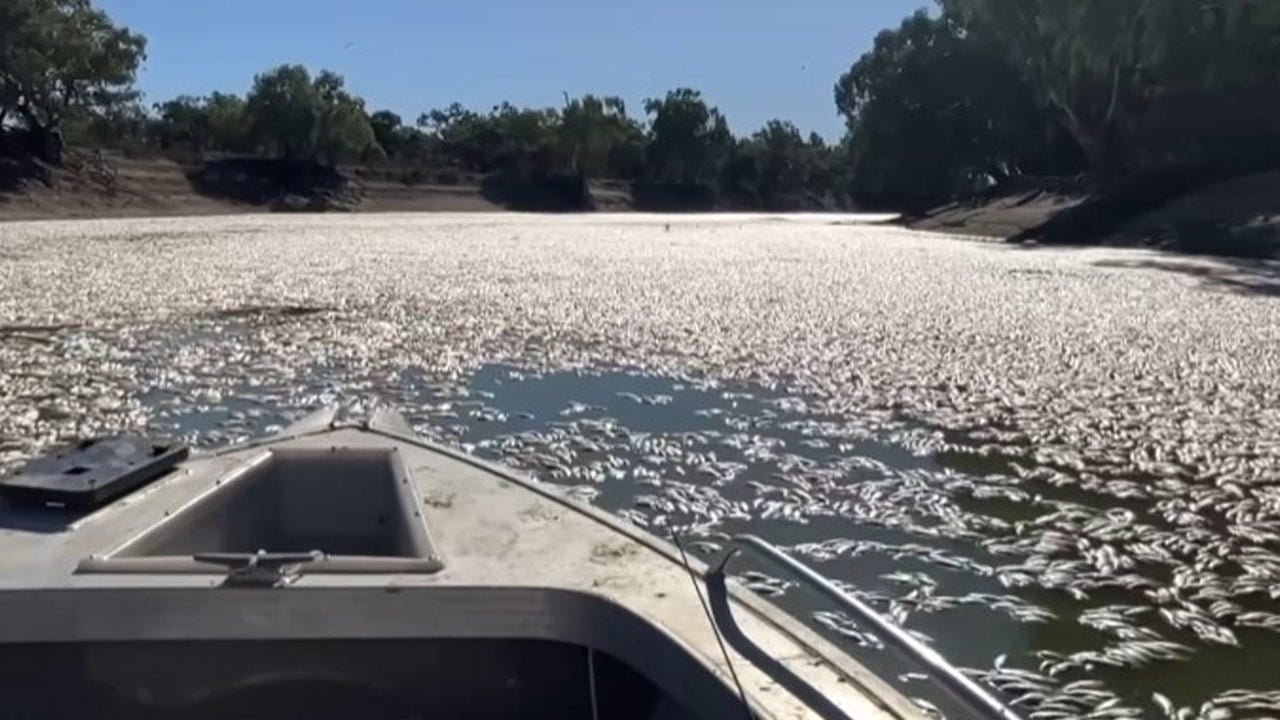
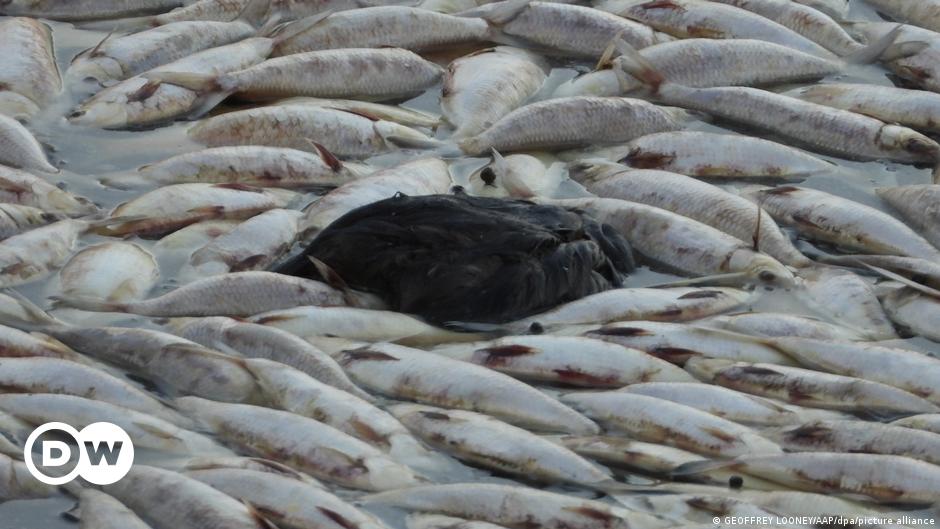
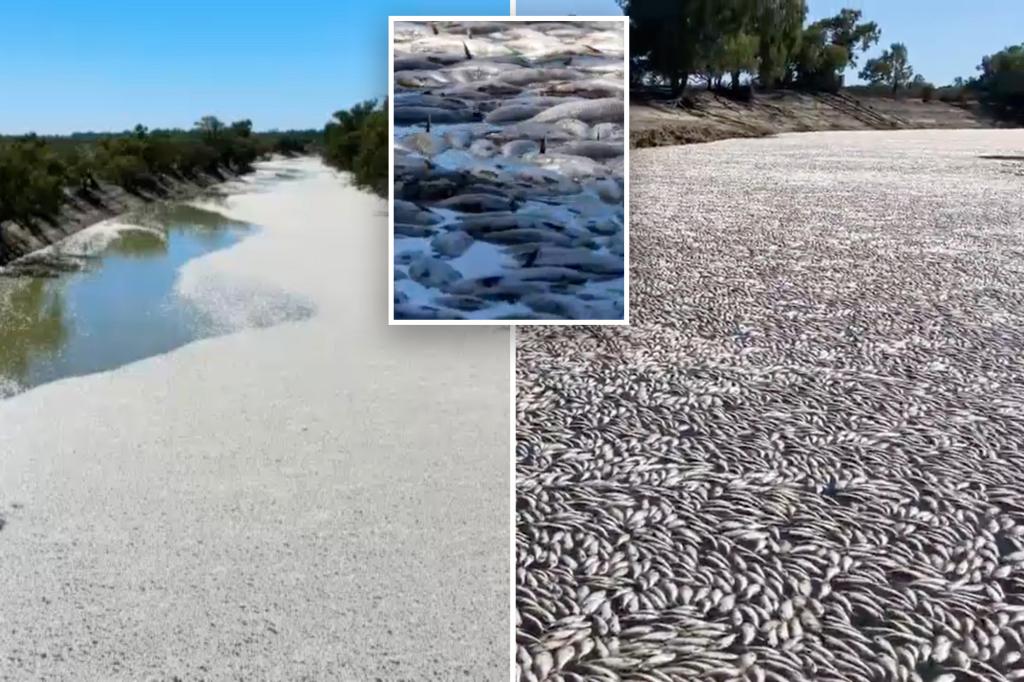
Millions of dead fish have washed up in the Darling River near the small Australian town of Menindee, causing a terrible smell and prompting an emergency cleanup. The New South Wales’ Department of Primary Industries believes depleted oxygen levels and receding floods are the likely cause of the mass fish deaths, which have also been reported on the Darling-Baaka River. State agencies have established an emergency operations center to coordinate the cleanup and provide clean water to residents, while also releasing higher-quality water where possible to boost dissolved oxygen levels in the area.
Millions of fish have died in the Darling River in Australia due to low oxygen levels in the water. This is the third mass die-off in the area since 2018. Recent floods had led to a boom in bony herring and carp populations in the river, with fish now dying off in the aftermath. Environmental authorities in the state of New South Wales have sent fisheries officers to assess the issue and warned that river oxygen levels could fall over the weekend amid rising temperatures.
Millions of fish have died in the Darling River near Menindee, Australia due to low oxygen levels in the water caused by hypoxia as floodwaters recede, exacerbated by the current heatwave. This is the third mass kill in the area in recent years, with up to a million fish dying in 2018 and 2019 due to poor water flow, quality, and sudden temperature changes. The incident has been attributed to drought and flooding in the region, and the environmental impact is said to be unfathomable.
As many as a million fish, predominantly Bony Herring, have died in the Darling River at Menindee in outback New South Wales, Australia due to low oxygen levels in the water caused by hypoxia as flood waters recede, exacerbated by the current hot weather in the region. The river has experienced strain from flooding conditions and has been the site of several mass fish kill events in recent years. Claims of water mismanagement and poor river health have been raised by locals as a potential cause of the mass deaths, but the DPI has denied this in the past.