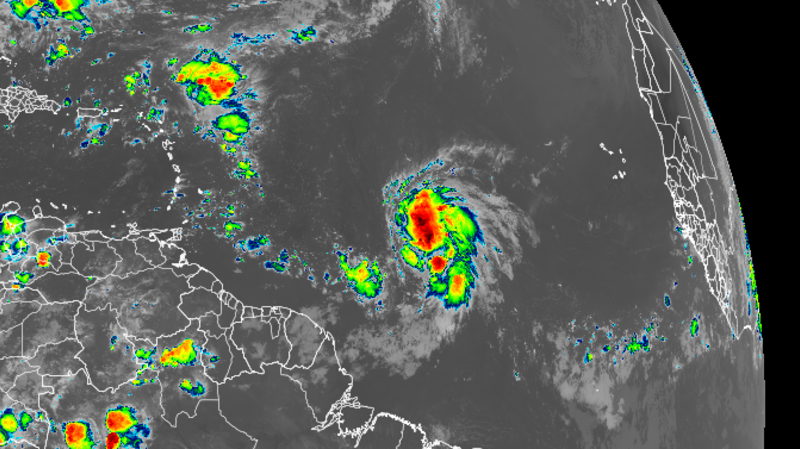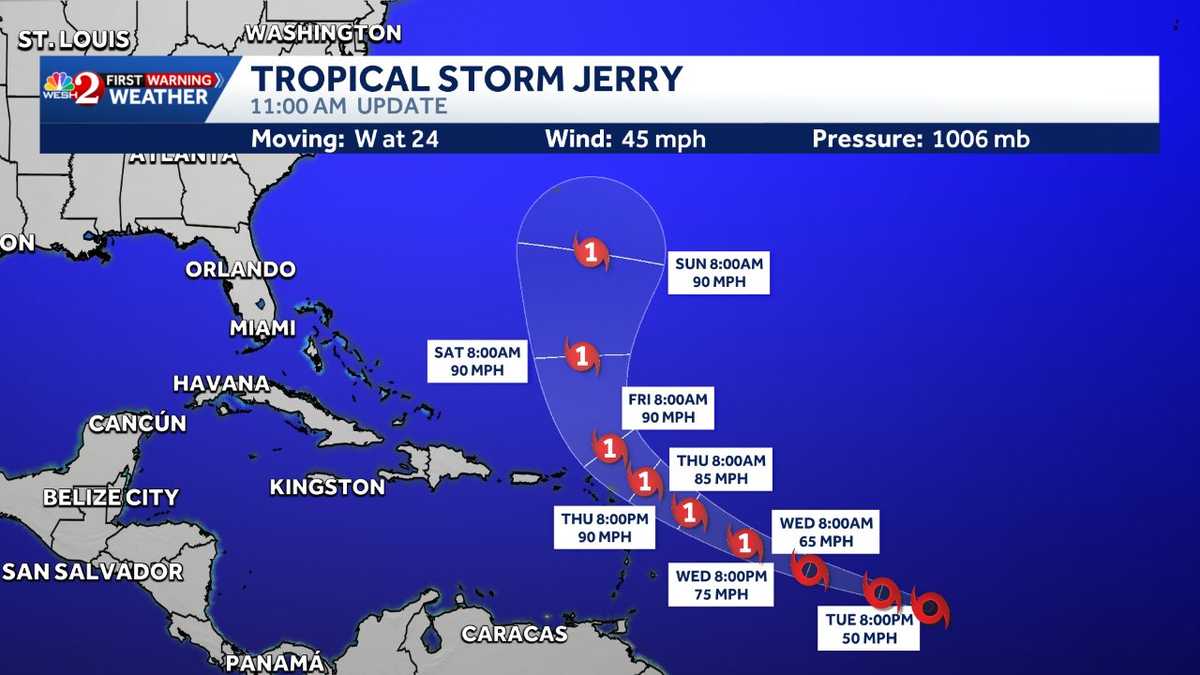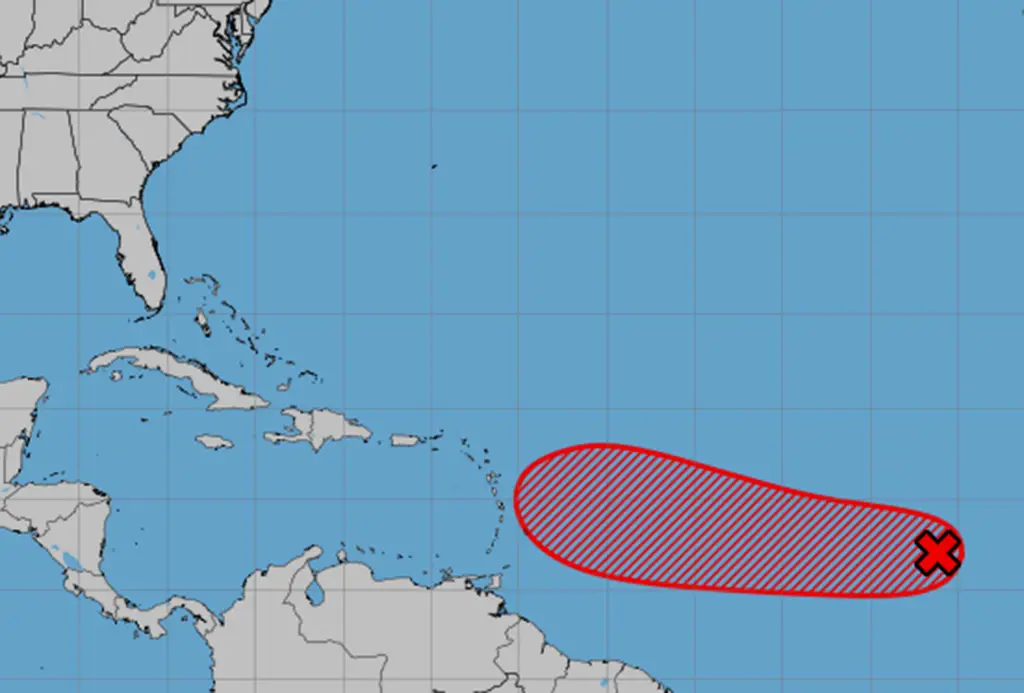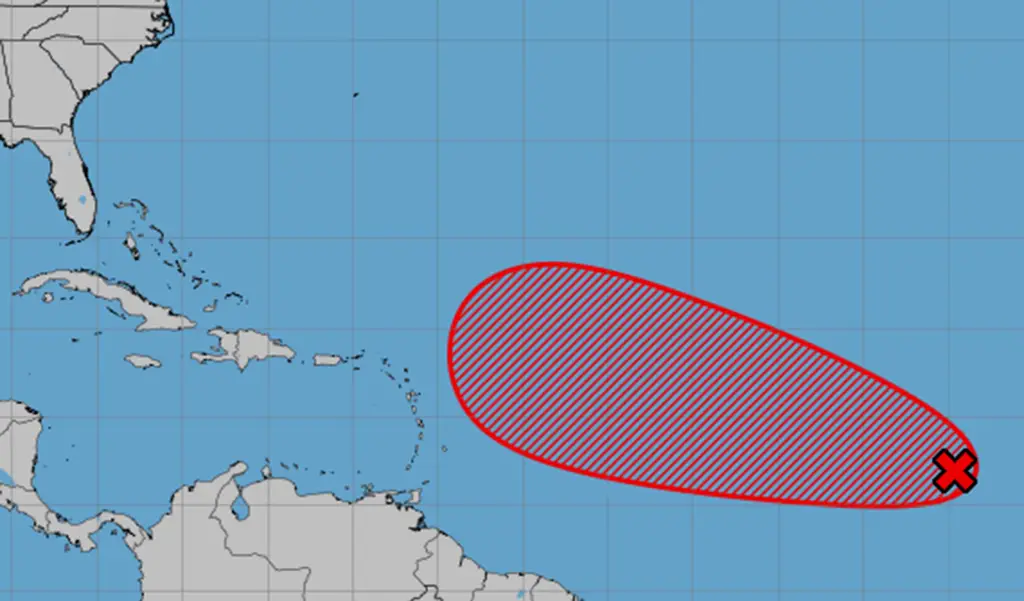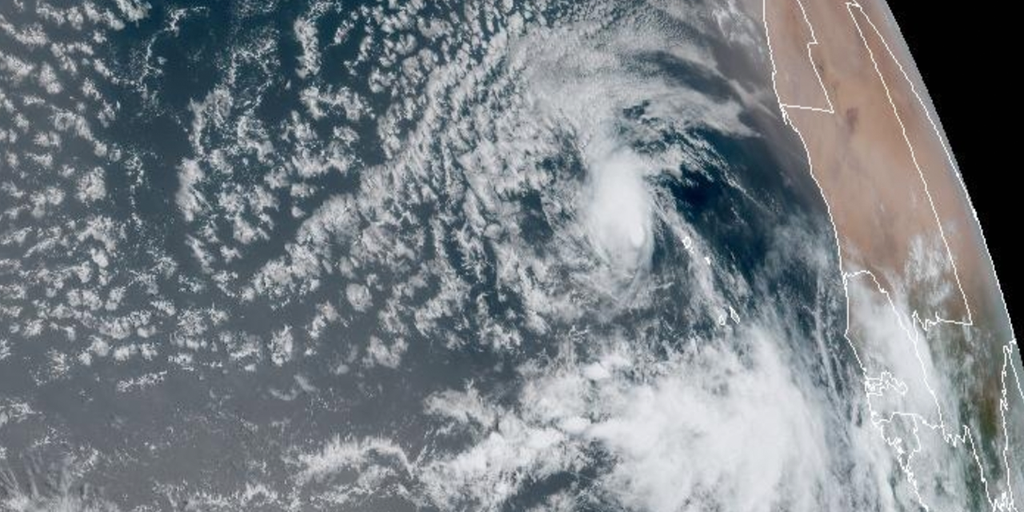
Tropical Storm Jerry has formed in the central Atlantic and is expected to strengthen into a Category 1 hurricane, potentially impacting the northern Leeward Islands, but is not expected to threaten the US mainland due to a cold front. The Atlantic hurricane season is winding down, but late-season storms and weather patterns like the Central American Gyre could still produce significant storms in October and November.
Tropical Storm Jerry has formed in the Atlantic and is expected to strengthen into a hurricane within a few days, with its core forecasted to approach the northern Leeward Islands; its impact on Florida or the U.S. remains uncertain, but it is generating dangerous swells and rip currents.
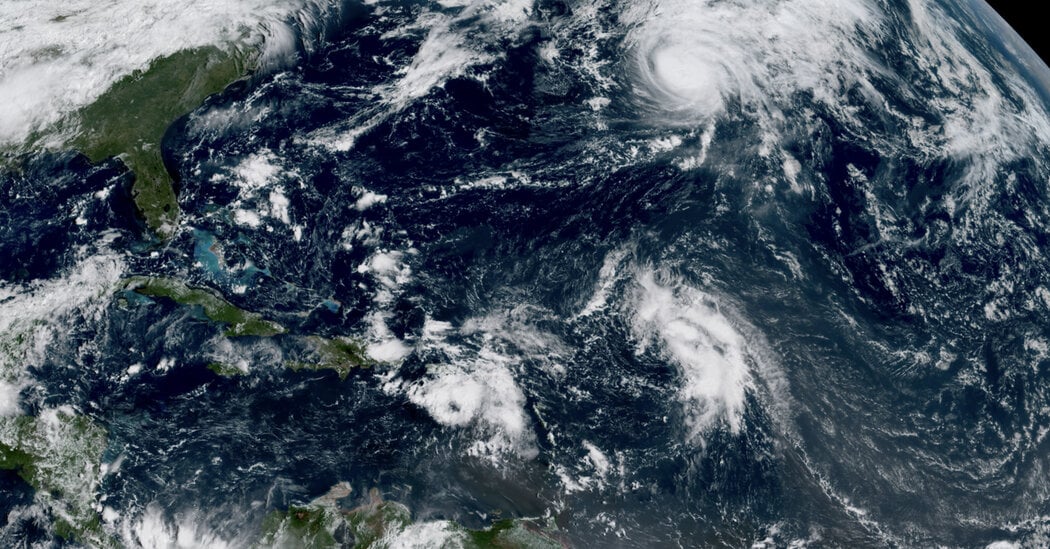
Tropical Storm Humberto has formed in the Atlantic, contributing to an active hurricane season that includes Hurricane Gabrielle and a potential new storm, making this one of the most active periods of the year with uncertain impacts.
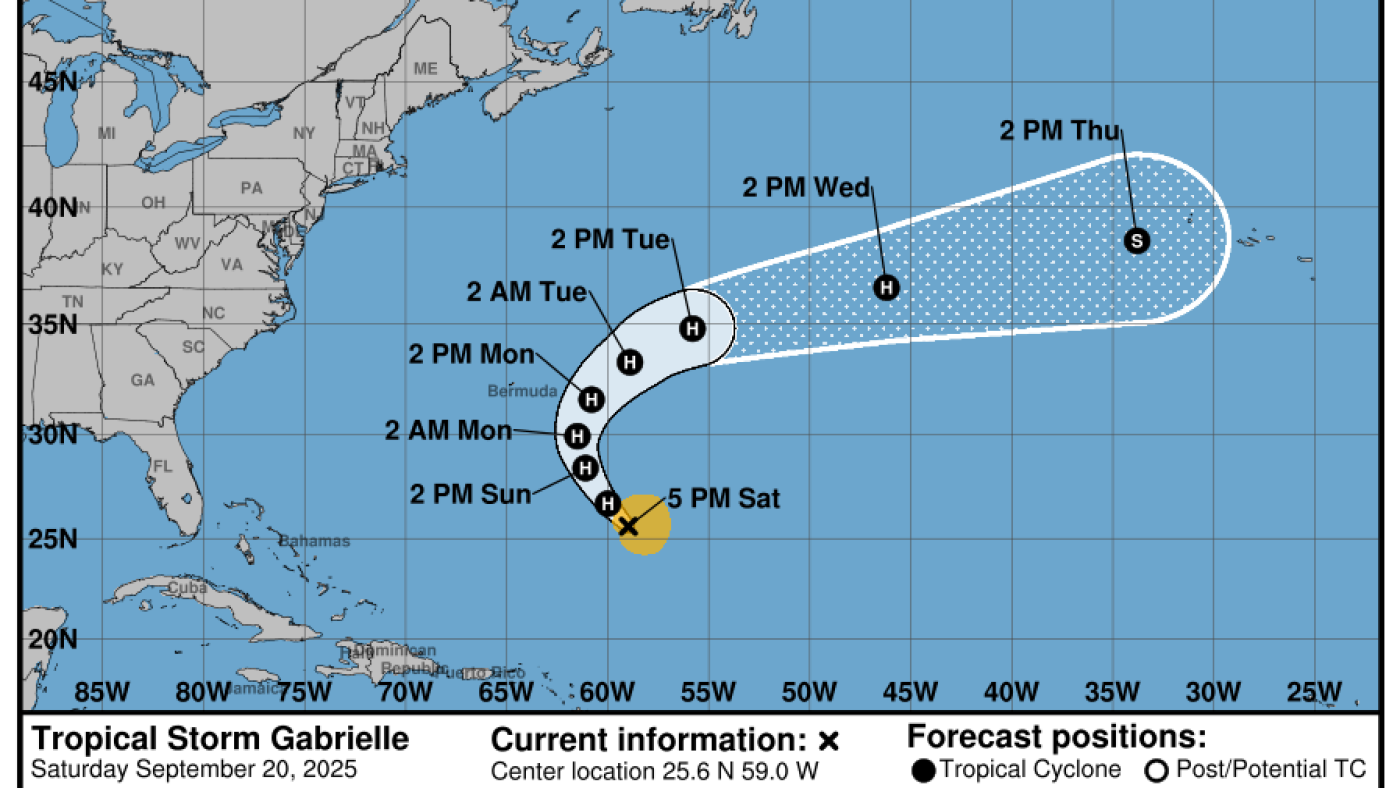
Tropical Storm Gabrielle is expected to become a Category 2 hurricane, passing east of Bermuda and missing the U.S. mainland, but potentially causing dangerous swells and rip currents in nearby regions, marking the second Atlantic hurricane of the season.
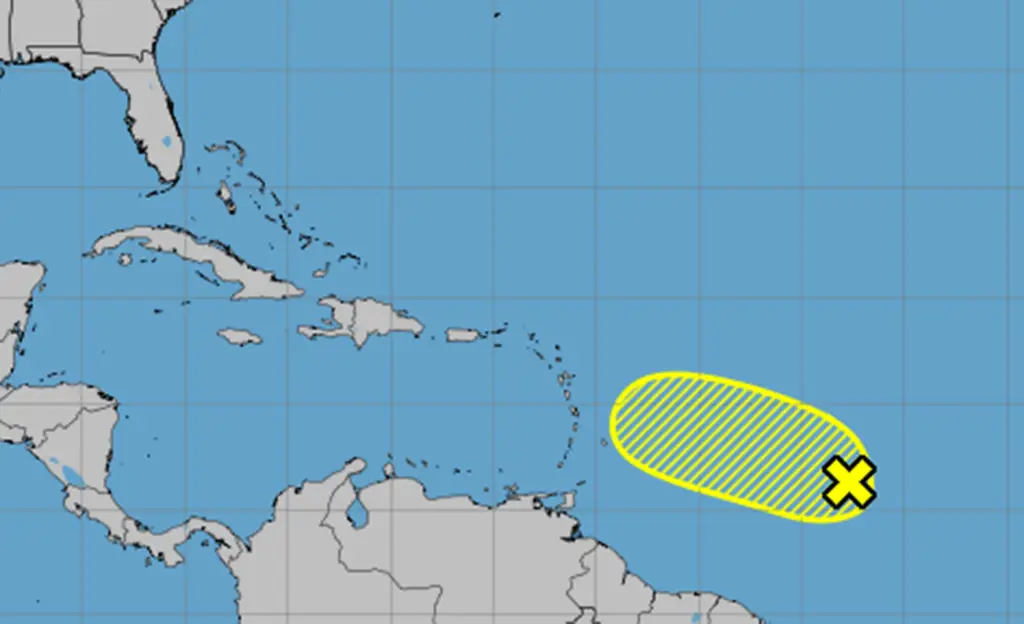
The National Hurricane Center is monitoring a developing system in the Atlantic, with a high chance of becoming a tropical depression or storm, potentially impacting the Caribbean and possibly threatening Florida, as it moves westward and could become Tropical Storm Gabrielle.
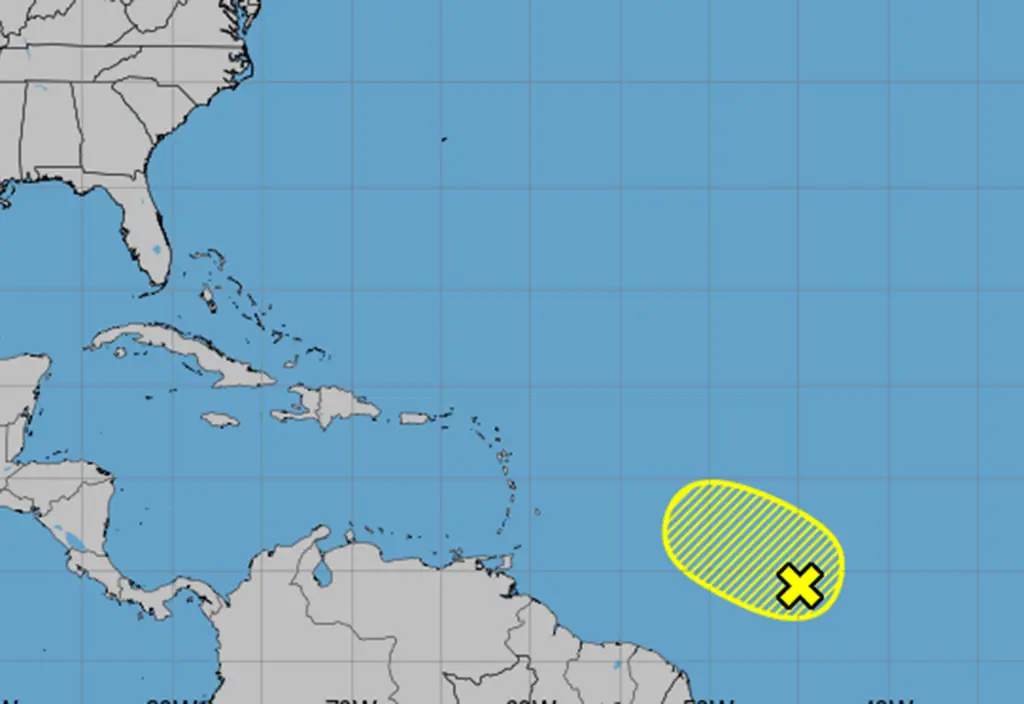
The National Hurricane Center is monitoring an Atlantic system with a high chance of developing into a tropical depression or storm, potentially becoming Tropical Storm Gabrielle, with a 70% likelihood over the next week, though its impact on Florida remains uncertain.
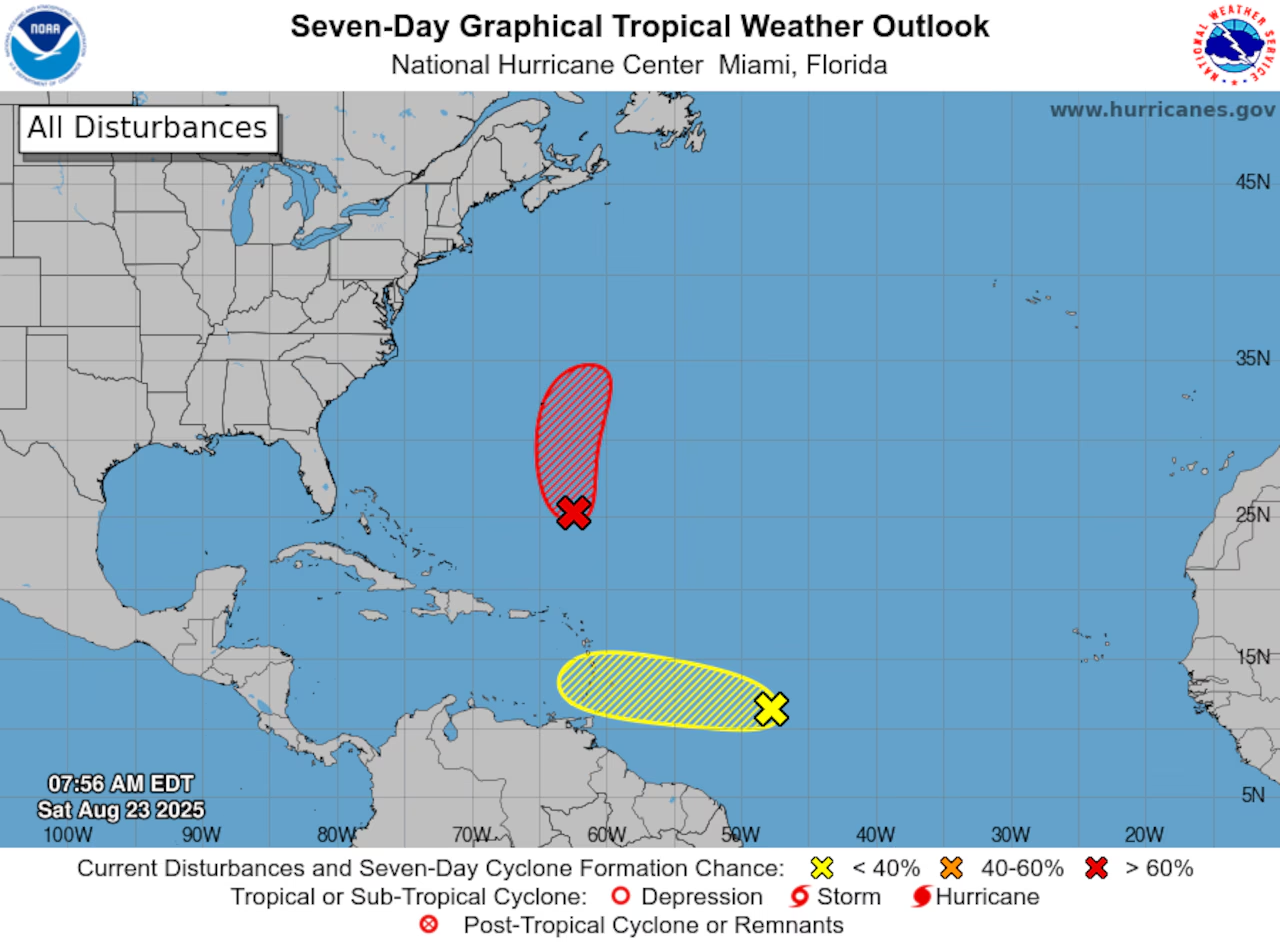
A new tropical storm, potentially named Fernand, may develop in the Atlantic and head towards Bermuda over the weekend, while Hurricane Erin has become a non-tropical system and poses no threat to the US. Another disturbance near the Windward Islands could bring heavy rain but is unlikely to develop further.
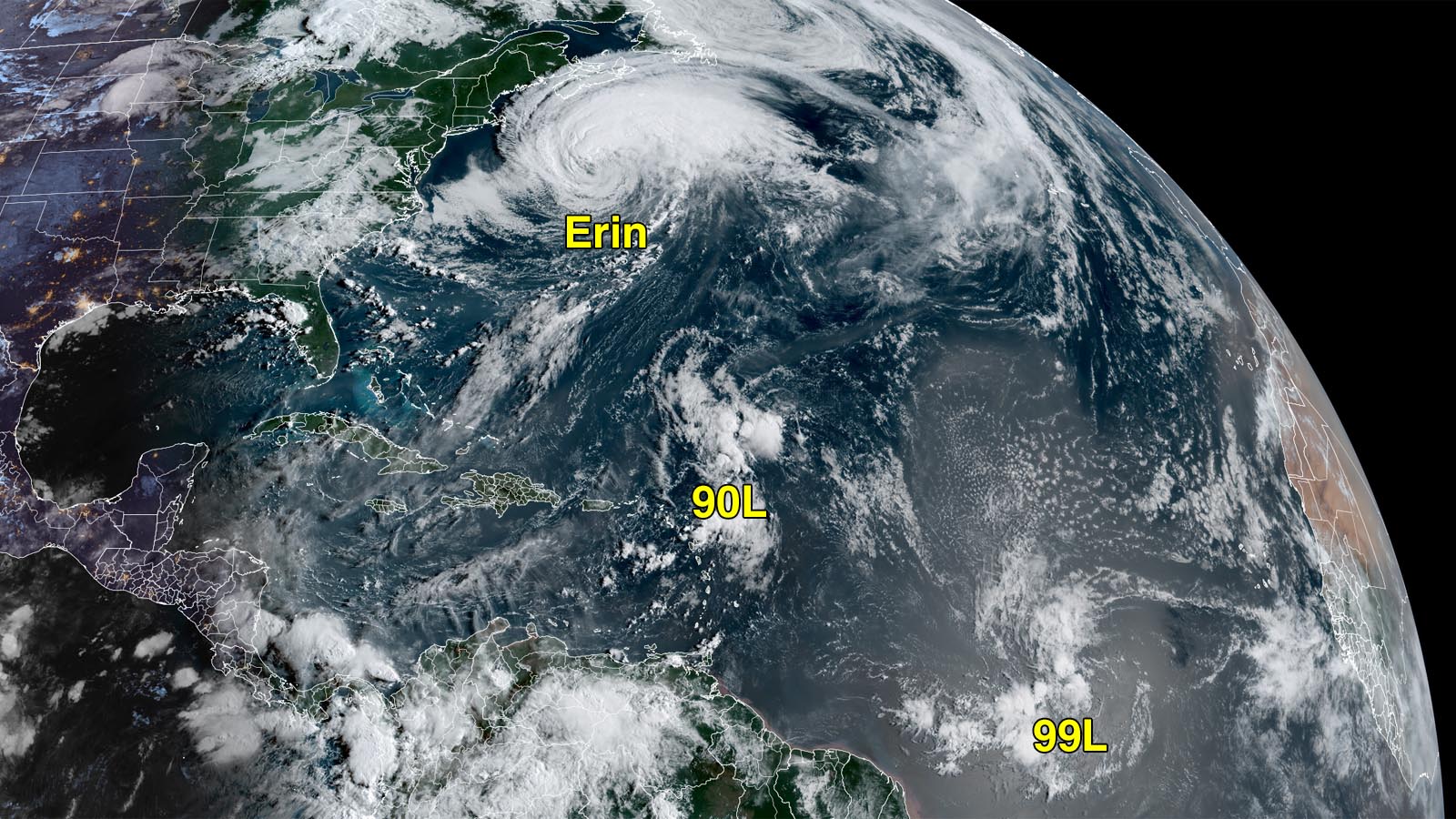
Hurricane Erin, a large Category 1 storm, is moving northeast in the Atlantic, causing rip currents and coastal flooding along the U.S. East Coast, Bermuda, and Atlantic Canada, while transitioning into a post-tropical cyclone. New systems, including Invest 90L and 99L, are developing in the Atlantic, with 90L likely to become a tropical storm and potentially impact Bermuda.
Hurricane Erin is intensifying with 110 mph winds and is expected to pass east of North Carolina, causing storm surge, coastal flooding, and large waves, before weakening and becoming extratropical as it recedes out to sea. Two tropical waves are also being monitored for potential development.
Tropical Storm Erin, currently west of the Cabo Verde Islands, is expected to strengthen into the Atlantic's first major hurricane of 2025, potentially reaching Category 3 status with winds over 111 mph, as it moves northwest and impacts the region.
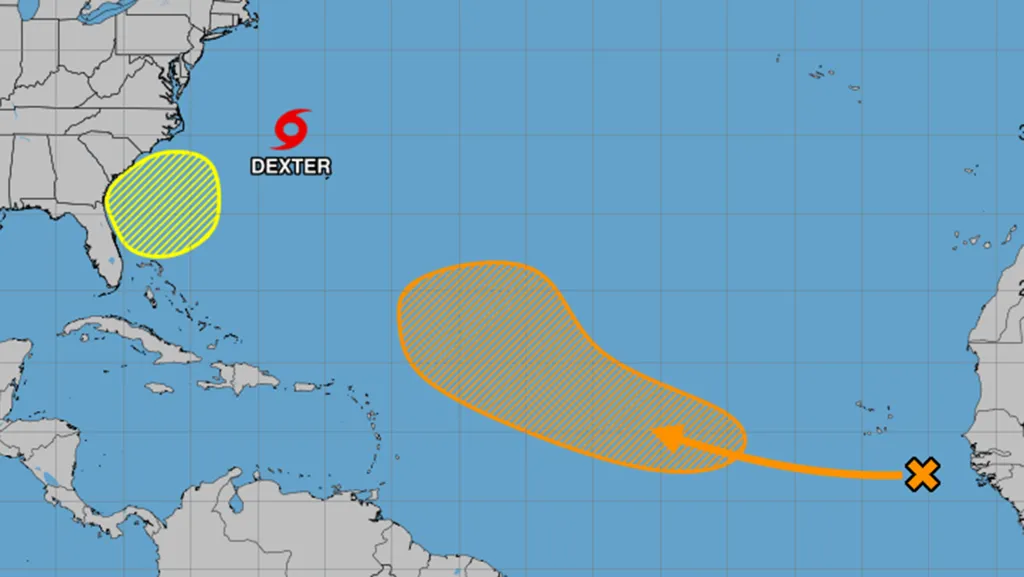
The National Hurricane Center is monitoring potential new systems near Florida and in the Atlantic, with a 30% chance of development for a system near Florida and a 50% chance for another in the central Atlantic, while Tropical Storm Dexter continues northeastward, likely becoming post-tropical this week. The season's activity remains active with multiple systems forming or expected to form.
The Pacific and Atlantic Oceans meet off South America and do mix, despite appearances of a visible line due to differences in temperature, salinity, and sediment. Factors like climate change and pollution influence the rate of mixing, and misleading photos have circulated online, but the waters eventually blend together.
The National Hurricane Center is monitoring a tropical wave in the Atlantic with a 20% chance of developing into a tropical depression or storm, potentially becoming Tropical Storm Dexter, amid a season with three named storms so far and forecasts predicting a slightly less active season than initially expected.
The National Hurricane Center is monitoring a tropical wave in the Atlantic with a 10% chance of developing into a tropical storm, potentially named Tropical Storm Dexter, but environmental conditions are expected to become unfavorable for further development later in the week. The hurricane season has so far seen three tropical storms, with forecasts indicating a slightly less active season than initially predicted.
The National Hurricane Center is monitoring five tropical waves in the Atlantic, none of which are expected to develop into tropical cyclones this week. However, these waves could bring tropical moisture to Florida, potentially marking the start of the summer rainy season. Forecasters predict an above-average hurricane season with up to 25 named storms.